


An empty bowl.
Nothing in here yet. Let’s fix that. Start with what dogs go crazy for.
Crowd favourites
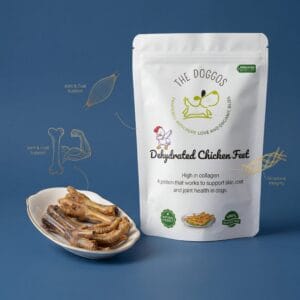
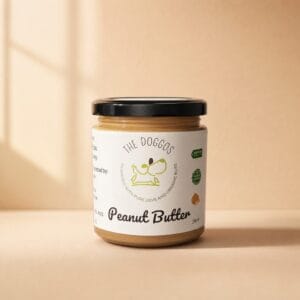
Or shop by what they need
Browse the whole shelf🧡 Every order you place feeds a street dog. Even a small bowl helps.
Type a product, an ingredient, or what your dog needs.
Slow-dehydrated whole quail heads, feathers on. Brain, eyes, skull and beak in one crunchy bite: naturally occurring DHA and EPA, calcium and phosphorus from the bone, and a novel protein for chicken-sensitive pets. Sized for cats and small dogs. A limited-edition jar.
₹399.00
A quail head is barely the size of a walnut, and that's the point. Slow-dehydrated, the thin skull crunches clean through, so cats and small dogs get the whole thing: brain, eyes, bone and feathers. It's the part of the prey the wild diet never wasted, and the part most treats never include.
See it from every angle

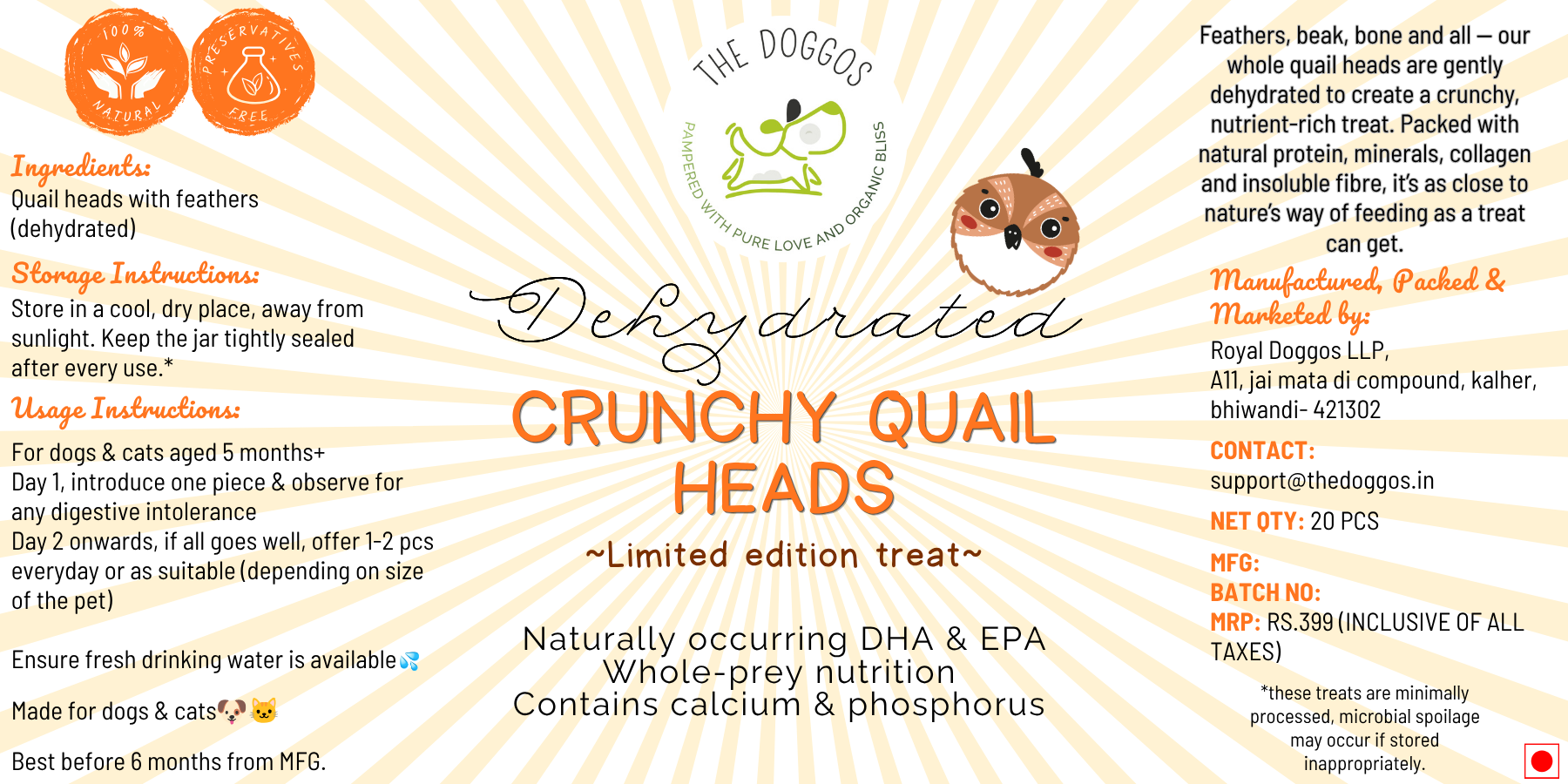

The head is the part of a small bird most pet food throws away, and it's one of the richest. The brain carries naturally occurring DHA and EPA, the same long-chain omega-3s fish are prized for. The skull and beak bring calcium and phosphorus. The retina is the most taurine-dense tissue in the body. The feathers are natural insoluble fibre. We slow-dehydrate the heads whole. Nothing added, nothing stripped out.
How we make it
Source
We work with audited farm partners, not factory-line suppliers, and pick the cuts that actually carry the nutrition. No mystery meat, no rendered meal, no protein blends. One source, one cut, every batch traceable to the farm it came from.
Trim
Most "natural" treats throw the raw cut into the dehydrator with the fat, skin and tendon ribbons attached. Fat oxidises faster, shortens shelf life by months, and adds calories your dog doesn't need. We trim by hand. The slow part of the process is here.
Slow heat
Twelve-plus hours in a controlled-humidity dehydrator at low temperature. Slow heat preserves the protein, collagen and natural minerals. High-temp drying, the industry shortcut, denatures the protein and turns it into brittle dust. We finish each batch under 8% moisture, the threshold below which microbes can't grow.
Quality
Every piece is checked at the bench for moisture, snap, and texture. Hard chews go through a controlled splinter test. We want them to break into chewable shards, not dangerous fragments.
Quail heads. Feathers on. That's it.
The long-chain omega-3s fish are prized for, straight from the brain. No fish, no added oil.
Skull and beak carry calcium and phosphorus, the pair a boneless home-cooked bowl runs short on.
Small enough to crunch whole. Big dogs get theirs from the hand, supervised.
The raw question every pet parent asks
Indian pet parents who feed raw are trying to feed clean. The instinct is right. The risk isn't even the meat itself; it's the cross-contamination chain after the meal: the bowl, the lick, the sofa, your hands. Slow dehydration is the perfect fix.
The dog eats wherever the dog eats: sofa, floor, sometimes your bed. Bowl, lick, the surfaces after. That's the contamination chain raw food rides through your home.
Cooked bones splinter, so most home-cooked dog meals skip bones. Smart for safety, but it leaves a calcium, phosphorus, and cartilage gap.
Slow dehydration is the middle path that solves both. Whole-food nutrition. No live bacteria. No splinter risk. The dog gets the full joint, calcium, and protein matrix, without you mopping the sofa afterwards.
Salmonella doubling at 30°C
Half-hour and the count doubles. Dehydration takes the moisture bacteria need to multiply away entirely.
Our moisture endpoint
Below this threshold, no microbe can grow. Slow heat takes us under, every batch.
Of dehydration as preservation
Older than refrigeration. Older than pet food. The simplest fix has been the right fix all along.
Real questions, real answers
Yes. A quail head is natural prey in a size a cat's instincts recognise. One ingredient, slow-dried, nothing added. Most cats crunch through one in a sitting.
It's the most concentrated part of a small bird and the part most treats throw away. The brain carries DHA and EPA, the eyes carry taurine, the skull and beak carry calcium and phosphorus. Whole-prey diets in the wild always included it.
Feathers are insoluble fibre. They pass through the gut and help move food along, a natural roughage. Wild-prey diets include feathers, fur and beak. We leave them on because they do work.
A quail skull is thin. Slow-dehydrated, it crunches and crumbles rather than splintering. Cooked bone is the one that shatters. Always supervise, especially the first one.
Yes, but for a big dog it's a one-bite treat, and a gulper may swallow it whole. Hand it over so they chew, or crumble one over the bowl as a topper.
Quail is a novel protein. Most chicken-allergic dogs and cats tolerate it. Day 1, give one head and watch for 24 hours before giving more.
An occasional treat, 2–3 times a week, not a daily staple. Brain is rich tissue, so a little goes a long way. Keep all treats within 10% of the day's food.
Every quail has exactly one head, so supply is small and comes in batches. When a jar run sells out, it's gone until the next batch.
Cool, dry place, jar tightly sealed. Don't refrigerate. Moisture (even from condensation) is the enemy of dehydrated treats. Keep it away from humid spots like the stove or sink and they're good through the best-before date on the pack.
The contact sheet
Why monthly
Most of what makes a treat actually work, collagen, glucosamine, omega-3, gut diversity, accumulates over weeks, not days. One pack gets you started; three packs gets you the result. Subscribe, save, and we ship the next one before this one runs out.
20 pieces · Limited edition · Whole-prey brain food · Free shipping over ₹999.
Add to bowl — ₹399.00No reviews yet. Be the first.
Reviews
There are no reviews yet.