
The great Indian dog food debate, raw vs. kibble, it’s a heated one, isn’t it? Every single day, I chat with pet parents in Mumbai, Chennai, and Delhi, all just trying their best to give their furry family members the absolute best nutrition. But with so much conflicting info out there, it’s easy to feel totally lost. Should you brave the raw diet trend? Or is sticking with convenient kibble the way to go? And what about all those unique challenges of feeding dogs right here in India?
Look, when you’re comparing raw dog food vs kibble India nutritional value, raw diets usually mean better digestion and more moisture, really mimicking what a dog would eat in the wild. But here’s the thing, for Indian households, raw feeding carries big pathogen risks. Our climate, our market conditions, they just make it tricky. Kibble? Super convenient, sure, but it often just doesn’t deliver on how well nutrients get absorbed or on hydration. That’s why The Doggos advocates a ‘Cook the Meal, Dehydrate the Bone’ method. It’s about getting all those nutritional benefits of fresh food, without the raw risks or those kibble compromises. A win-win, basically.
Kibble: The Convenient Compromise on Nutritional Value
Let’s be honest: kibble is easy. Scoop, serve, done. For decades, it’s been the go-to for pet parents everywhere, and absolutely here in India too. But convenience often comes at a cost, especially when it comes to your dog’s long-term health and the actual nutritional value. Something to think about, na?
What’s Really in That Bag?
Most commercial kibble is a super-processed, extruded product. It’s often made from rendered meats (basically, the ‘leftovers’ of the meat industry), a big dose of grains (corn, wheat, rice) or legumes, and then a bunch of synthetic vitamins and minerals, just tossed back in to make up for what’s lost during all that processing. Think about it: would *you* want to eat a diet of dry biscuits every single day? Your dog? A carnivore. Their body just isn’t built for that.
The Hidden Costs: Digestibility, Hydration, and pH
- Low Digestibility: Fresh food, it gives you 90-94% digestibility. That means almost all those good nutrients actually get absorbed. Kibble, though? It sits at about 80% digestibility (Journal of Animal Science, 2021). The consequence? Bigger, smellier poops, because more undigested stuff just passes right through. Less bang for your buck, nutritionally. Literally.
- Dehydration: Kibble is usually just 10% water. Fresh food? A whopping 70% or more. This constant, mild dehydration forces your dog’s kidneys to work overtime, which can lead to long-term issues. If your dog starts drinking less water on a fresh diet, don’t worry. It’s not a concern; it’s totally normal and actually brilliant for kidney health!
- Compromised Stomach Acid: High-carb diets, you know, like most kibbles, can actually bump up your dog’s stomach pH. But a dog’s stomach is naturally super acidic (pH 1-2), built to dissolve bone and just obliterate bacteria. A higher pH? That means poorer digestion, especially of calcium from bones, and it leaves them more open to bacterial infections.
- No Amylase in Saliva: And remember this, dogs have no amylase in their saliva, totally unlike us humans. This means they can’t pre-digest grains and starches, plain and simple. So when your dog eats kibble, those carbohydrates hit their stomach relatively ‘whole,’ really straining their pancreas and digestive system.
Honestly, it’s a lot to process, isn’t it?
Raw Feeding: The Biological Ideal, The Indian Challenge
The concept of raw feeding, often called BARF (Biologically Appropriate Raw Food), it’s built on really solid biological principles. I mean, dogs are 99.9% wolf internally, after all.
Why Raw is Biologically Appealing
A raw diet basically tries to copy what a dog’s ancestors would eat in the wild: muscle meat, organ meat, and raw bone. This gives them a diet full of really digestible proteins, natural enzymes, and essential fatty acids. And folks who swear by it? They rightly point to benefits like shinier coats, cleaner teeth, more energy, and smaller poops because of that superior nutrient absorption. It makes sense, right?
The Indian Hygiene Gap: A Non-Negotiable Reality
Here’s where the rubber meets the humid, bacterial road in India. While the biology of raw feeding is super interesting, the practical reality of bringing raw meat from, say, your neighbourhood butcher or a local Indian wet market into your home? That’s a whole different ballgame. Honestly, as a certified canine nutritionist (and author of "The Desi Carnivore"), I, Mahiv Amit Chhabra, just can’t ethically endorse raw feeding in Indian households. That hygiene gap? It’s undeniable.
- Wet Markets vs. European Supermarkets: Our local markets, they’re vibrant, no doubt. But they’re not exactly climate-controlled European supermarkets, are they? The high humidity in cities like Mumbai or Kolkata, coupled with open-air displays, means bacteria like Salmonella and E.coli can just explode, multiplying like crazy within minutes.
- Cross-Contamination Risk: Your dog might have stomach acid that can totally handle pathogens, sure. But are *you* prepared for the risk of them dragging a raw bone across your living room rug, holding it between their paws, and then, you know, licking your face? The risk of cross-contamination to humans, especially kids and the elderly, it’s real. And it just can’t be ignored.
- Our Stance: We love the concept of raw feeding, biologically speaking. But in the practical Indian household, cooking the meat? That’s non-negotiable for safety. For a deeper dive into all this, you can read our full guide on raw food diet for dogs in India.
Raw Dog Food vs Kibble India Nutritional Value: The Doggos Method as the Winner
So, if kibble is a compromise and raw feeding is just too risky here in India, what’s the answer, yaar? At The Doggos, we’ve developed "The Desi Carnivore" method: "Cook the Meal, Dehydrate the Bone." It’s the Goldilocks solution, perfectly suited for the Indian pet parent, honestly.
The Doggos Method: Cook the Meal, Dehydrate the Bone
- COOK the Meat: We gently home-cook (pressure cooker) the meat. Why? To kill off any Salmonella and E.coli. This just eliminates the pathogen risk that comes with Indian wet market meat, making it safe for your home and family.
- DEBONE After Cooking: This is absolutely critical. NEVER. Feed. Cooked. Bones. High heat makes bones brittle; they shatter into sharp, jagged splinters that can literally pierce intestines, leading to fatal peritonitis. Not good. This is a super common and dangerous trap a lot of well-meaning Indian parents fall into when they pressure-cook chicken with bones and then feed it whole.
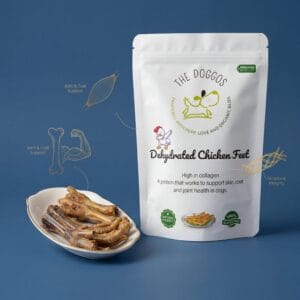
- DEHYDRATED Bones/Chews for Calcium + Dental Health: This is our innovation, folks. Dehydration (low temperature, 20+ hours) keeps that porous bone structure intact. So instead of splintering, dehydrated bones just crumble into a safe, chalky powder that’s easily digestible and gives them essential calcium. And this is how we bridge that calcium gap safely, you see. Our Dehydrated Chicken Feet, for example, are not just treats, they’re like natural joint pills and dental tools rolled into one. (My Lab goes crazy for these!)
A Nutritional Value Comparison Table: Kibble vs. Western Raw vs. The Doggos Method
| Feature | Kibble | Raw (Western BARF) | The Doggos Method (Cooked Meat + Dehydrated Bone) |
|---|---|---|---|
| Digestibility | ~80% | 90-94% | 90-94% |
| Moisture Content | ~10% | ~70% | ~70% |
| Pathogen Risk (India) | Low (processed) | High (wet market meat) | Low (cooked meat) |
| Bone Safety | N/A (no bone) | Raw bone (safe) | Dehydrated bone (safe, crumbles) |
| Omega-6:3 Balance | Often poor (inflammatory) | Can be good if varied | Excellent (with added balancers) |
| Carbohydrate Load | High | Low | Low (if rice is balanced) |
| Enzymes/Probiotics | Minimal/None | High | Good (if fresh ingredients used) |
Protein, Fats, and the Omega Balance
Meat, it’s the very foundation of a carnivore’s diet. Cooked chicken, mutton, or quail provides super digestible protein, essential for muscle, tissue repair, and just overall vitality. However, commercial Indian chicken is often corn/soy-fed, which means an inflammatory Omega 6:3 ratio of 20:1 to 30:1. This is what we Indians often call "heat" from chicken, you know? Causing all sorts of issues like paw licking, hot spots, and chronic ear infections. Nobody wants that.
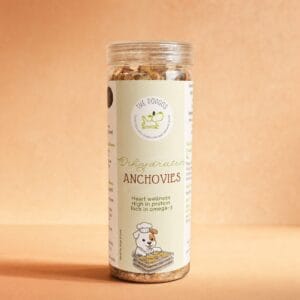
The fix is simple, but it’s absolutely crucial: you MUST add Omega-3 to every single chicken meal. Our Hemp Seed Oil, rich in anti-inflammatory GLA, or Dehydrated Anchovies, packed with DHA, they’re not just "toppers". They’re balancers. Big difference.
Calcium, Phosphorus, and the Bone Dilemma
Meat is full of phosphorus, but for a truly balanced diet, you absolutely need calcium in a 1.2:1 Calcium:Phosphorus ratio. A boneless home diet, especially if it’s just chicken and rice, will actually leach calcium from your dog’s own skeleton over years. Which can lead to serious issues like osteopenia or "rubber jaw" syndrome. Scary stuff. This is precisely why our dehydrated bones are so vital. They give natural, safe calcium. No compromises.
Crafting Your Dog’s Nutritionally Superior Bowl, The Desi Carnivore Way
Moving your dog from kibble to a fresh, home-cooked diet can seem daunting, I know. But it’s super rewarding. So, here’s how to make sure your dog gets the best nutritional value, the Desi Carnivore way.
The Golden Rules for Every Bowl
- Calcium:Phosphorus Ratio (1.2:1): Make sure you’re giving a safe source of calcium. This could be our dehydrated bones (like Chicken Feet or Whole Quail), or supplements like calcium citrate or eggshell powder.
- Omega-6:3 Balance: Like we talked about, commercial chicken really needs balancing. Add Hemp Seed Oil or Dehydrated Anchovies to every chicken-based meal.
For a full guide on what to feed, check out What Should I Feed My Dog?
The Golden Chicken Bowl: A Desi Carnivore Recipe
This is our daily staple, designed for optimal nutritional value and safety:
- 500g chicken thighs (bone-in, skin-on for taurine, important!)
- 50g liver (a real powerhouse of Vitamin A)
- 100g red pumpkin (a great source of fibre)
- 1-2 tsp Hemp Meal Balancer (to correct that amino acid and fat profile)
- A pinch of turmeric paste (a natural antiseptic, super useful)
Method: Wash chicken with turmeric water. Pressure cook chicken, liver, and pumpkin for 2-3 whistles. Once cooled, DEBONE the chicken thoroughly. Mash the pumpkin into the broth, yum. Add the Hemp Meal Balancer. Mix well, and serve it up! Pair this with a Dehydrated Chicken Foot a few times a week for calcium and joint health. (I’ve seen this work with Indie dogs especially!)
Common Mistakes Indian Pet Parents Make
In my experience as a canine nutritionist, these are the most common pitfalls I see:
- Feeding Cooked Bones: Hands down, the most dangerous mistake. As mentioned, cooked bones splinter. Please, just don’t ever do it. For safe chewing and calcium, opt for our dehydrated options or read our guide on bone safety. It’s important.
- Roti/Chapati as a Mainstay: While a small piece of roti won’t really harm, making it a primary food source? That’s really detrimental. It’s high in carbs, offers next to no nutritional value, and contributes to Omega-6 inflammation. Want to know more? Read about roti for dogs.
- Unbalanced Chicken & Rice: While well-meaning, just chicken and rice, by itself, it lacks essential calcium and a balanced Omega-3 to Omega-6 ratio. This can create serious long-term health issues.
- Parle-G/Marie Biscuits: These are full of sugar and maida (refined flour), rotting teeth and offering absolutely zero nutritional benefit. Seriously, why bother? Replace them with functional dehydrated treats like our Dehydrated Chicken Feet instead.
FAQ: Raw Dog Food vs. Kibble India Nutritional Value
Is raw dog food safer or more nutritious than kibble for dogs in India?
Raw dog food can definitely be more nutritious, thanks to higher digestibility and natural enzymes. But, and this is a big one, raw food from Indian wet markets poses big safety risks because of potential bacterial contamination. Kibble is safer from pathogens, no doubt, but it often lacks the same nutritional punch of fresh food. That’s why our ‘Cook the Meal, Dehydrate the Bone’ method offers a safe and nutritionally superior option for Indian dogs.
What are the main nutritional differences between kibble and fresh-cooked diets for Indian dogs?
Fresh-cooked diets, when balanced right, offer higher moisture content, better protein digestibility (90-94% vs about 80% for kibble), and more bioavailable nutrients that aren’t lost in extreme processing. Kibble, on the other hand, is usually dry, heavily processed, and often high in carbohydrates. And those carbs? They’re just not ideal for a carnivore’s digestive system, potentially raising stomach pH and hindering nutrient absorption. Not what you want.
How does The Desi Carnivore method address the raw dog food vs kibble debate in India?
The Desi Carnivore method tackles the raw dog food vs kibble debate by focusing on cooked meat (which eliminates pathogen risk from Indian markets) combined with dehydrated bones (providing safe, natural calcium without the splintering risk of cooked bones). This approach ensures high nutritional value, excellent digestibility, and vital safety for Indian households, giving you the best of both worlds, really.
Can a vegetarian diet provide sufficient nutritional value compared to meat-based diets for Indian dogs?
Dogs are biologically carnivores, pure and simple. So a purely vegetarian diet? It’s super tough to balance nutritionally for them. It often leads to deficiencies in essential amino acids, taurine, and certain vitamins that are plentiful in meat. While some plant-based supplements like Hemp Seed Oil can support health, they just can’t replace meat as the primary protein source for a dog’s best nutritional value.
The Desi Carnivore Conclusion: A Balanced Approach for Indian Dogs
The debate around raw dog food vs kibble India nutritional value doesn’t have a simple, one-size-fits-all answer, does it? Especially in our unique Indian context. While kibble offers convenience, it often falls short on true nutritional value. And while raw feeding really aligns with a dog’s biology, the hygiene risks in India are just too high to ignore. Period.
At The Doggos, founded by me, Mahiv Amit Chhabra, we believe in a balanced, practical, and scientifically sound approach, honestly: "Cook the Meal, Dehydrate the Bone." It’s a method that respects your dog’s carnivorous nature, addresses the realities of Indian living, our realities, and ensures they get the safest, most bioavailable nutrition possible. That’s the goal. From our Hemp Seed Oil to our range of functional dehydrated treats, every single product is designed to support this philosophy.
Choose wisely, choose safely, choose The Desi Carnivore way. Your dog deserves real food, real health, and real love.
Related Reading
- Read the complete Indian dog feeding guide.
- About the author: Mahiv Chhabra, certified canine nutritionist.