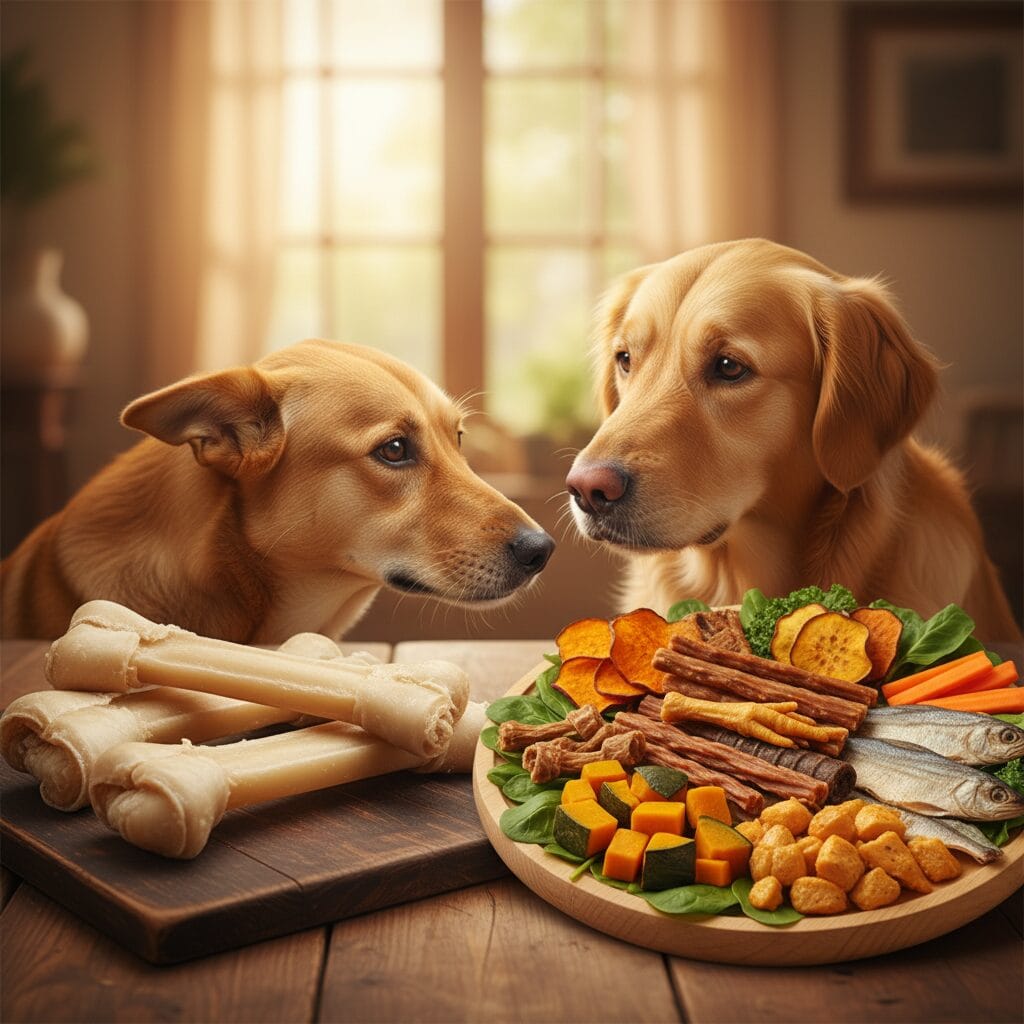
Every Indian dog parent wants the best for their furry child, right? And a good chew? That’s usually top of the list for keeping those teeth clean, minds busy, and just for a bit of fun, yaar. But step into any pet store or scroll online, and suddenly you’re swamped with options. For ages, rawhide has been an old favorite, promising hours of chewing joy. But is it really safe for our dogs, especially with all the unique quirks of living in India?
Look, when you’re weighing rawhide against natural chews for dogs in India, the answer is hands down: natural, single-ingredient dehydrated chews are the safer, healthier choice. Rawhide brings big, scary risks like choking, blockages, and chemical contamination. And honestly, these problems get even worse here in India, where markets aren’t always regulated. On the flip side, properly made natural chews give your dog exactly what their body is built for: proper nutrition, real dental benefits, and mental enrichment, all without the dangerous downsides.
Rawhide: A Dangerous Illusion for Your Desi Carnivore
Rawhide. You see it everywhere, often sold as this amazing, long-lasting chew. But let’s be real, it’s so not natural. It’s actually a leftover from the leather industry, just the inner layer of cow or horse hides. And the journey from that raw hide to a “chew” involves a whole bunch of chemicals and machines. It’s nothing like what your dog’s wild ancestors would ever find out in nature, is it?
What exactly goes into making rawhide?
- Chemical Soaking: Hides often get drenched in lime solutions or other nasty chemicals just to get rid of hair and fat.
- Bleaching & Sterilisation: To achieve that perfectly white, pretty look, they’re often bleached with hydrogen peroxide or other chemicals.
- Preservatives & Flavourings: A lot of rawhides are then loaded with artificial preservatives, colours, and flavourings. Why? To make them taste better and last longer on the shelf, naturally.
- Shaping & Drying: The chemically treated hide gets pressed into all sorts of shapes (bones, rolls, knots) and then dried. This drying makes them rock hard at first. But here’s the kicker: once they get wet from chewing, they become all slimy and soft. This makes it super easy for dogs to gulp down big, chunky bits that just won’t break down.
Why Rawhide is a Big NO for Indian Dogs
The dangers of rawhide are many, and honestly, they’re even more worrying when we think about the Indian context:
- Choking Hazard & Intestinal Blockages: This is the number one thing to worry about. As rawhide gets wet and soft from all that chewing, big, chewy, gummy bits can break off. And unlike natural bones, which dogs either break down or slowly dissolve, rawhide pieces become super soft and squishy. They’re just swallowed whole, no problem. But here’s the thing: these pieces don’t really break down in a dog’s stomach. Remember, a dog’s stomach pH is a super acidic 1-2, built for meat and bone, not some chemically-treated hide. So what happens? They can swell up in the oesophagus or stomach, leading to:
- Choking: A piece gets stuck in the throat. Can kill them, plain and simple.
- Oesophageal Blockage: Needs emergency surgery, stat!
- Gastrointestinal Obstruction: If a piece makes it to the stomach or intestines and swells, it can totally block things up, partially or completely. That means vomiting, pain, and a life-threatening infection called peritonitis if it’s not surgically removed. A nightmare, really.
- Chemical Contamination: All those chemicals used to process rawhide (we’re talking potential heavy metals, arsenic, maybe even formaldehyde stuff) are just not food. They aren’t meant for ingestion. Sure, manufacturers will say they’re totally fine, but honestly, long-term exposure to these things is a really big worry for your dog’s insides and their overall health. And in India, where rules aren’t always super strict, the chance of getting bad quality or dirty rawhide? Even higher. It’s a gamble I wouldn’t take.
- Digestibility Issues: Dogs are carnivores, full stop. Their stomachs are made for meat, bone, and organs, not some fake hide thing. Their digestive tracts are short (we’re talking 12-30 hours transit time, compared to our 30 hours to 5 days!) and they’re specifically designed to quickly break down easy-to-digest protein and fat. Rawhide, which is basically processed collagen, just doesn’t break down easily. This stresses out their digestive system and can cause stomach upset, vomiting, or diarrhoea. Nobody wants that.
- Bacterial Contamination: Even though the processing is supposed to make it clean, the journey from factory to your home, especially in India’s humid climate, can easily pick up bacteria. Rawhide might not be “raw meat,” but it’s still an animal product that can carry nasty bacteria like Salmonella or E. coli, particularly if it’s not stored right. And this goes back to The Doggos’ “Hygiene Gap” argument: even if your dog’s stomach acid can handle some germs, why even bother bringing them into your home environment from a local bazaar or some poorly stored product? Just doesn’t make sense, na?
Honestly, it’s just not worth the stress or the vet bills.
Natural Chews: The Desi Carnivore’s Gold Standard
Okay, enough with the bad. Now, let’s talk about the good stuff: natural chews. These are simply single-ingredient, minimally processed animal parts, usually just dehydrated or air-dried. They really tap into your dog’s natural instincts and their biological makeup, giving them both physical and mental benefits without all those icky chemicals or scary choking risks you get with rawhide. It’s a win-win.
Here at The Doggos, our philosophy, “Cook the Meal, Dehydrate the Bone,” applies to our chews too. See, while we cook meat for safety in Indian homes, for bones and chews, dehydration is that “just right” solution. It gets rid of moisture, which stops bacteria from growing. But here’s the best part: it uses low temperatures over 20+ hours. This keeps the bone or tissue’s natural, crumbly structure intact. So instead of splintering into dangerous, sharp bits (which, by the way, happens with cooked bones), it crumbles safely into a chalky powder. Much, much better.
Benefits of Natural Dehydrated Chews for Dogs in India
Natural, dehydrated chews offer a wealth of benefits that rawhide simply cannot match:
- Species-Appropriate & Highly Digestible: These are real animal parts, no funny business. It’s exactly what a carnivore’s gut is actually built for. They’re packed with protein, healthy fats, and all those tiny but important micronutrients. A dog’s stomach (with that super acidic pH of 1-2) can easily break down these natural tissues and bones, so they can soak up all the good stuff.
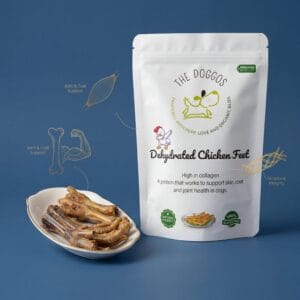
- Excellent Dental Health: That satisfying act of chewing on a natural, firm (but not brittle!) chew really helps scrape off plaque and tartar buildup from your dog’s teeth. This is way more effective than those soft, processed dental sticks, trust me. Chews like our Dehydrated Chicken Feet act like natural toothbrushes (my Lab goes crazy for these!), and their collagen content helps keep gums healthy too.
- Mental Stimulation & Stress Relief: Chewing is such a natural, self-soothing thing for dogs to do. It actually releases endorphins, making them feel calm and happy. This is super important for anxious dogs, puppies going through teething (oh, the joys!), or even just for some daily enrichment. A good, long-lasting chew can keep your dog happily busy and mentally stimulated, stopping them from getting bored and chewing up your furniture instead.
- Nutrient-Dense: Unlike those empty-calorie rawhides, natural chews are absolutely packed with beneficial nutrients. Think of them as superfoods, really:
- Glucosamine & Chondroitin: You’ll find a lot of these in joint-rich chews like Chicken Feet and Mutton Trotters. They’re natural joint supplements, super important for keeping them moving, especially for big breeds or older dogs. A single chicken foot, for example, has about 450mg of glucosamine.
- Collagen: Keeps skin and coat healthy, plus gives them strong connective tissues.
- Calcium & Phosphorus: Super important for strong bones and teeth, helping maintain that critical 1.2:1 ratio which a purely meat diet can often miss out on. Chews like Dehydrated Pig Bone are great sources, by the way.
- Iron & Zinc: Especially in red meat chews like Mutton Trotters, these are key for healthy blood and a strong immune system.
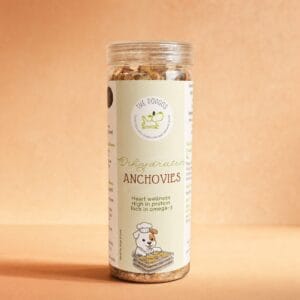
- Omega-3 Fatty Acids: Chews like Dehydrated Anchovies and Dehydrated Sardines are loaded with DHA and EPA. These are so important for brain, heart, and skin health, and they help balance out all that Omega-6 we often get from regular chicken feeds.
- No Artificial Additives or Preservatives: True natural chews mean just one ingredient: the animal part itself. That’s it. No hidden chemicals, no artificial colours, no dodgy preservatives. Just pure goodness for your dog.
Rawhide vs. Natural Chews for Dogs in India: A Clear Comparison
Let’s break it down simply so you can make a smart decision for your furry kid:
| Feature | Rawhide Chews | Natural Dehydrated Chews (e.g., The Doggos) |
|---|---|---|
| Source Material | Inner layer of animal hide (byproduct of leather industry) | Real animal parts (chicken feet, goat ears, quail) |
| Processing | Chemical baths (lime, bleach), artificial flavours, preservatives, glues | Low-temperature dehydration (20+ hours), single ingredient |
| Digestibility | Poor, can swell and cause blockages | Excellent, species-appropriate, fully digestible |
| Choking Hazard | HIGH (large, gummy pieces break off and swell) | LOW (crumble safely, or are chewed down) |
| Nutritional Value | Negligible, empty calories | HIGH (protein, fat, vitamins, minerals, glucosamine) |
| Dental Benefits | Scrapes some plaque, but risks outweigh | Excellent plaque/tartar removal, gum health |
| Chemical Risk | HIGH (processing chemicals, heavy metals) | NONE (single ingredient, no additives) |
| Bacterial Risk | Moderate (poor regulation, storage, especially in India) | LOW (dehydration inhibits growth when properly stored) |
| Cost | Generally cheaper upfront, but hidden costs in vet bills | Higher quality, functional medicine, better long-term value |
Practical Section: Choosing and Using Natural Chews Safely in India
Choosing the right natural chew is super important, you know? It’s not just about something being labelled “natural,” but also how it’s processed and what benefits it actually brings.
- Source Matters a Lot (Especially in India): Don’t just pick up any “natural-looking” chew from a local shop or street vendor. The hygiene can be a real issue, trust me. Make sure your chews come from a brand you can trust, one that follows proper, careful dehydration methods. The Doggos, for instance, dehydrates at low temperatures for extended periods to make sure they’re safe and full of nutrients.
- Match Chew to Chewer: Just like we don’t all eat the same thing, dogs have preferences and needs.
- Size: Always pick a chew that’s the right size for your dog. A small chicken foot is great for a Beagle, for example (my Indie dog loves these!), but a German Shepherd will probably need a Mutton Trotter or a Dehydrated Pig Bone.
- Chewing Style: Is your dog a gentle nibbler or a serious chomper? Some chews are softer (like Dehydrated Goat Ears), while others are built to last longer (like Pig Bones).
- Supervise, Supervise, Supervise: This can’t be stressed enough. Even with the safest natural chews, you gotta watch them. Dehydrated bones crumble safely, yes, but some dogs are just too eager and might try to swallow a piece that’s too big. So, always be there, especially when they’re trying a new chew for the first time.
- Rotate Chews for Variety: Don’t just stick to one! Mix it up to give them different textures, nutrients, and mental stimulation. This also keeps things interesting so your dog doesn’t get bored. For example, a Chicken Foot for daily dental, a Mutton Trotter for a longer session, and a Whole Quail for a novel protein experience and a gut sweep.
- Storage in India’s Climate: Dehydrated treats are generally shelf-stable, but let’s be real, India’s humidity, especially during monsoon, can be a real pain. Always store them in an airtight container in a cool, dry place. And if you’re in a particularly humid spot like Mumbai or Chennai, you might want to pop them in the fridge for longer storage after opening. Better safe than sorry!
- Functional Medicine, Not Just Snacks: Remember, these aren’t just “treats” to us. Our dehydrated treats are like functional medicine for your dog. They give them real, targeted health benefits. Think of it: Chicken Feet are natural joint pills, Anchovies are brain food, Goat Ears offer fibre for anal gland health, and the list goes on.
Common Mistakes Indian Dog Parents Make with Chews
As a canine nutritionist myself, I’ve seen so many well-meaning Indian dog parents make some really common mistakes when it comes to choosing chews. It’s totally understandable, but we can do better:
- Falling for the “Long-Lasting” Rawhide Trap: The temptation of a cheap, chew-forever toy is strong, I get it. But the dangers just aren’t worth the imagined benefits. A lot of parents don’t even know about the hidden dangers until it’s a vet emergency.
- Feeding Cooked Bones: This is a massive, super dangerous mistake we see happen all the time. Pressure-cooking chicken with bones and just feeding it all? That’s a guaranteed disaster waiting to happen. Cooked bones become brittle and snap into sharp, nasty splinters, leading to deadly internal injuries. Our “Cook the Meal, Dehydrate the Bone” method is all about preventing this. For safe bones, always, always choose properly dehydrated ones. You can learn more about bone safety on our bones safety guide.
- Ignoring Ingredients: Here’s the thing , just because it’s sitting there in a pet store doesn’t mean it’s actually good for your dog. Always, always read that ingredient list. If it’s got more than one ingredient (unless it’s a specific blend like our Bone & Organ Boost) or ingredients you can’t even pronounce? Put it back on the shelf. Simple.
- Not Supervising Chew Time: Thinking a chew is “safe” just because you handed it over? Big mistake. Dogs can be a bit wild sometimes, and even the safest chew still needs you to watch, especially with those super eager chewers.
- Giving Human Snacks as Chews: This is a classic one, especially in Indian homes. Biscuits like Parle-G or Marie, or even hard rotis, are just not suitable chews. They’re packed with sugar and maida, and offer zero dental or nutritional benefit. In fact, they’re often actually rotting their teeth instead of cleaning them! A Dehydrated Chicken Foot, for example, is a way, way better alternative.
The Doggos Way: Safe, Healthy, Desi-Approved Chews
Here at The Doggos, we’re all about giving your Desi Carnivore chews that fit perfectly with their natural needs and our Indian lifestyle. Our range of dehydrated treats, from Chicken Feet to Mutton Trotters and Whole Quail, aren’t just snacks, you know? They’re carefully chosen, minimally processed, and super nutritious additions to your dog’s diet. This is the real deal: a safe, healthy, and enriching chew for your beloved pet.
Want to explore the full range of functional treats that actually help your dog? Then go check out our Dehydrated Dog Treats section. You can also learn more about why dehydrated treats are good for dogs right here on our blog.
And remember, if you’re looking for more about species-appropriate nutrition and handling the unique ups and downs of pet parenting in India, you can always learn more about my philosophy and journey on the about Mahiv Chhabra page. Your dog deserves real food, real chews, and real health. Simple as that.