Watching your loyal companion slow down with age can be heart-breaking. The boundless energy of their puppy days gives way to longer naps, a slower gait, and perhaps a few more grey hairs around the muzzle. But ‘senior’ doesn’t mean ‘slowing down to a halt’. It means adjusting their care to match their evolving needs. As Mahiv Amit Chhabra, certified canine nutritionist and author of “The Desi Carnivore,” I’m here to tell you that with the right approach to senior dog care in India, your aging furry family member can enjoy a vibrant, comfortable, and fulfilling golden age.
Quick Answer: Senior Dog Care in India
Senior dog care in India demands a thoughtful approach to nutrition, focusing on easily digestible, cooked proteins, balanced fats, and targeted supplements to support aging bodies. Prioritise joint health, cognitive function, and organ support to ensure a vibrant golden age for your beloved companion. Understanding their changing dietary and physical needs is key to extending their healthy years.
Understanding Seniority in Indian Dogs
Just like humans, dogs don’t suddenly become ‘senior’ overnight. The transition is gradual, influenced by breed, size, and individual health. Generally, smaller breeds tend to age slower, reaching senior status around 8-10 years, while larger breeds might be considered senior as early as 5-7 years. An Indie dog, known for its robust health, might show signs of aging later than a purebred Labrador. The key is to observe changes in their behaviour, energy levels, and physical condition, rather than relying solely on a calendar.
As dogs age, their metabolism slows down. They might gain weight more easily, their immune system might weaken, and chronic issues like arthritis or dental problems can become more pronounced. This isn’t a time for panic, but for proactive care. It’s a call to action to rethink their diet, exercise, and overall environment. You can read more about tailoring their meals in our guide on Senior Dog Diet Plan India: Essential Nutrition for Your Aging Desi Dog.
The Cornerstone of Senior Dog Nutrition: Protein
Many Indian pet parents mistakenly believe that senior dogs need less protein to protect their kidneys. This is a dangerous myth. Older dogs actually need more highly digestible protein to maintain muscle mass, which naturally declines with age (sarcopenia). Loss of muscle mass can lead to weakness, reduced mobility, and a slower metabolism. The key is quality and digestibility.
Why Cooked Meat Matters for Seniors
For senior dogs, digestion can become less efficient. Their stomach acid might not be as potent, and their gut microbiome can shift. This makes cooked, easily digestible proteins like chicken, goat, or fish ideal. Gentle cooking, preferably in a pressure cooker, breaks down connective tissues, making the protein more bioavailable. I always advocate for home-cooked meals, especially for seniors, because you control every ingredient and can tailor it to their specific needs. For example, my “Golden Chicken Bowl” recipe is excellent for seniors, providing balanced protein and essential nutrients.
The Dangers of Cooked Bones: A Crucial Warning
This cannot be stressed enough, especially for Indian households: NEVER feed cooked bones. High heat makes bones brittle, causing them to shatter into sharp, jagged splinters. These splinters can cause severe internal damage, from perforating the oesophagus to rupturing intestines, leading to fatal peritonitis. Many well-meaning Indian parents pressure-cook chicken with bones, thinking it’s safe. It is not. After cooking, always **debone** the meat meticulously.
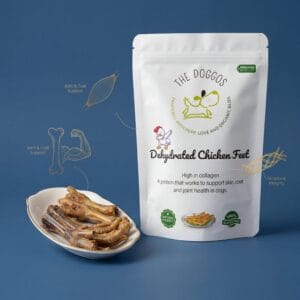
So, how do seniors get their essential calcium and phosphorus? This is where our unique “Cook the Meal, Dehydrate the Bone” philosophy comes in. Dehydrated bones, like Dehydrated Chicken Feet or Dehydrated Whole Quail, are processed at low temperatures for extended periods. This retains their porous structure, allowing them to crumble safely into a chalky powder when chewed, providing vital minerals without the splintering risk.
Essential Nutrients for Aging Joints and Mobility
Joint pain and stiffness are perhaps the most visible signs of aging in dogs. Arthritis, hip dysplasia, and general wear and tear can make simple movements painful. Maintaining mobility is crucial for a senior dog’s quality of life. Nutrition plays a massive role here.
- Glucosamine and Chondroitin: These are the building blocks of cartilage, helping to cushion joints and reduce inflammation. Natural sources include chicken feet (a fantastic natural joint supplement), green-lipped mussels, and trachea.
- Omega-3 Fatty Acids: Powerful anti-inflammatory agents that can significantly reduce joint pain and stiffness. More on this below.
- Manganese: Important for ligament health, protecting against common injuries like CCL tears. Whole quail is an excellent source.
- Collagen: Supports joint structure, skin elasticity, and gut health. Bone broth is a rich source.
Beyond diet, consider gentle exercise like short, frequent walks on soft surfaces. A comfortable, supportive bed can also make a huge difference. If your dog is struggling with mobility, explore our detailed guide on Managing Joint Pain in Dogs India: Natural Remedies & Dietary Support for Your Canine Companion. For additional support, you might consider Best Dog Supplements for Joint Health in India.
Brain Health and Cognitive Function
Just like humans, dogs can experience cognitive decline as they age. This might manifest as disorientation, altered sleep-wake cycles, changes in social interaction, or house-soiling accidents. Supporting brain health is vital for maintaining their mental sharpness and overall well-being.
The Power of Omega-3s: Dehydrated Anchovies for Senior Brains
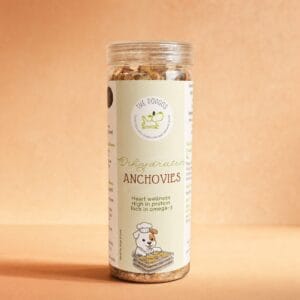
This is where Dehydrated Anchovies truly shine for our senior companions. Anchovies are packed with Docosahexaenoic Acid (DHA), a critical Omega-3 fatty acid essential for brain health. DHA helps maintain neuronal membrane fluidity, supports synaptic function, and has anti-inflammatory properties that protect brain cells from damage.
Regular inclusion of DHA in a senior dog’s diet can help prevent or slow the progression of Cognitive Dysfunction Syndrome (CDS), often referred to as ‘doggy dementia’. It can improve memory, learning, and overall cognitive function, helping your old friend stay engaged with the world around them. Unlike larger fish, anchovies are small, short-lived, and low on the food chain, meaning they have minimal bioaccumulation of heavy metals. This makes them a safe and potent source of Omega-3s.
Adding Dehydrated Anchovies to their daily meal is simple and effective. They are odour-controlled, making them perfect even for vegetarian households who prefer not to handle fresh fish. They are not just a treat; they are a vital brain food and an anti-inflammatory powerhouse for aging dogs.
Managing Common Senior Ailments with Diet
As dogs age, they become more susceptible to various health issues. A well-tailored diet can support their body’s ability to cope and even prevent the worsening of some conditions.
Kidney Health: The Low Phosphorus Approach
Kidney disease is common in older dogs. One of the primary dietary adjustments for dogs with kidney issues is reducing phosphorus intake. While protein is essential, the type and amount of phosphorus need careful management. High-quality, easily digestible animal protein in moderate amounts is still necessary to prevent muscle wasting, but phosphorus-rich ingredients must be limited.
For pet parents managing this challenge, I’ve put together a specific guide: Homemade Low Phosphorus Indian Diet for Dogs with Kidney Disease. This guide provides practical, safe recipes that support kidney function without compromising on essential nutrients.
Digestive Health and Gut Support
Constipation, diarrhoea, and general digestive upset can become more frequent in senior dogs. Their gut microbiome can become imbalanced, and motility might decrease. Fibre, prebiotics, and probiotics are crucial.
- Fibre: Cooked pumpkin, sweet potato, and green leafy vegetables provide soluble and insoluble fibre, promoting regular bowel movements.
- Prebiotics: Ingredients like baobab powder or chicory root feed beneficial gut bacteria.
- Probiotics: A spoonful of homemade curd (dahi) can introduce beneficial bacteria, but always start small to check for lactose intolerance.
- Bone Broth: A true superfood for gut health. Rich in collagen, gelatin, and amino acids, bone broth helps heal and seal the gut lining. Learn more about the Benefits of Bone Broth for Dogs in India.
Vision and Eye Health
Cataracts, glaucoma, and general vision impairment are common in older dogs. While some conditions require veterinary intervention, nutrition can play a supportive role. Antioxidants are key.
- Vitamin A: Essential for vision. Liver, carrots, and pumpkin are good sources.
- Lutein and Zeaxanthin: Found in leafy greens like spinach and kale, these antioxidants protect the retina from oxidative damage.
- Omega-3s: Again, Dehydrated Anchovies contribute to overall eye health through their anti-inflammatory properties.
For more specific dietary and natural remedies, refer to our guide on Natural Eye Health Support for Senior Indian Dogs.
Crafting the Ideal Senior Dog Diet: The Doggos Method
My philosophy, “Cook the Meal, Dehydrate the Bone,” is perfectly suited for senior dogs in India. It balances the need for hygiene (cooking meat) with the biological requirement for whole prey nutrition (dehydrated bones and organs).
Here’s a comparison of nutritional needs for adult vs. senior dogs:
| Nutrient | Adult Dogs | Senior Dogs |
|---|---|---|
| Protein | Moderate (20-25% dry matter) | Higher (25-30% dry matter) – highly digestible |
| Fats | Moderate (10-15% dry matter) | Slightly lower, balanced Omega 3:6 (8-12% dry matter) |
| Fibre | Moderate (2-4% dry matter) | Higher (4-7% dry matter) – for digestion |
| Calcium:Phosphorus | 1.2:1 to 1.4:1 | 1.2:1 (may be lower phosphorus for kidney issues) |
| Key Focus | Maintenance, energy | Muscle retention, joint health, cognitive function, organ support |
A well-rounded senior diet should look something like this:
- High-Quality Cooked Protein: 50-60% of the meal (chicken, goat, fish).
- Complex Carbohydrates: 10-20% (small amounts of well-cooked rice, sweet potato, pumpkin). Remember, dogs have no amylase in saliva, so grains are not easily processed.
- Healthy Fats: Include Hemp Seed Oil for its anti-inflammatory GLA, or Dehydrated Anchovies for Omega-3s.
- Vegetables: 10-20% (steamed green beans, spinach, carrots for fibre and vitamins).
- Calcium Source: Dehydrated bones like Dehydrated Chicken Feet or eggshell powder.
- Organ Meat: Small amounts of liver, kidney, or our Bone and Organ Boost for vital vitamins and minerals, including taurine.
For specific recipes and detailed guidance, refer to my article on Best Natural Dog Food for Senior Dogs in India.
Common Mistakes in Senior Dog Care in India
Even with the best intentions, Indian pet parents often make mistakes that can impact their senior dog’s health:
- Reducing Protein: As discussed, this is counterproductive and leads to muscle wasting. Focus on digestibility, not reduction.
- Feeding Cooked Bones: A critical safety error. Always debone after cooking.
- Ignoring Dental Health: Older dogs are prone to dental disease, which can lead to pain, infection, and impact organ health. Regular dental chews like Dehydrated Mutton Trotters or Dehydrated Goat Ears are crucial, along with vet check-ups.
- Over-reliance on Kibble: Kibble is heavily processed, low in moisture, and often high in carbohydrates, which can be hard on a senior dog’s kidneys and pancreas. Fresh food is always superior for hydration and nutrient absorption.
- Lack of Omega-3 Supplementation: Especially with commercial chicken, the Omega-6:3 imbalance fuels inflammation. Adding a daily Omega-3 source like Dehydrated Anchovies is non-negotiable.
- Not Adjusting Exercise: While exercise is important, intense, prolonged activities might be too much. Opt for shorter, more frequent, gentle walks.
I, Mahiv Amit Chhabra, have seen these mistakes repeatedly. Education and proactive changes can make all the difference.
Remember, a senior dog still has so much love to give and joy to experience. By understanding their unique needs and making informed choices about their health and nutrition, you can ensure their golden years are truly golden.