
Walk into any pet store, online or offline, and what do you see? You’re absolutely bombarded with choices: rows of colourful kibble bags, stacks of tempting wet food cans. For us Indian pet parents, the whole “wet dog food vs dry dog food India” debate isn’t just about fancy marketing. Nope. It’s about figuring out what really nourishes our beloved furry family members, especially given our unique climate and lifestyle here. Look, as Mahiv Amit Chhabra, a certified canine nutritionist and the voice behind The Desi Carnivore, I’m here to tell you this much: while both these commercial options have their pros and cons, neither truly measures up to what your dog’s biology actually demands.
The Quick Answer: Neither Commercial Wet Nor Dry Food is Truly “Best” for Your Desi Dog
Okay, so commercial wet dog food often gives better hydration and tastes nicer than dry kibble. And maybe, just maybe, it’s a bit better in terms of how it’s processed. But honestly? Both options just don’t give your dog the species-appropriate nutrition they need. For your dog’s absolute best health here in India, a fresh, home-cooked diet using The Doggos Method (that’s cooked meat and dehydrated bones) is hands-down superior to any commercial wet or dry dog food you’ll find.
Understanding Dry Dog Food (Kibble) in India: Convenience vs. Canine Health
Dry dog food, you know, kibble, is what most pet parents across India go for. It’s popular because it’s super easy to use and, let’s be real, it doesn’t break the bank. But here’s the thing, is convenience really king when we’re talking about your dog’s health?
The Perceived “Pros” of Kibble
- Convenience and Shelf Life: Easy to store, doesn’t go bad fast, and simple to dish out. A real time-saver for busy Indian households, right?
- Cost-Effective: Generally, it’s cheaper per serving compared to wet food or fresh meals.
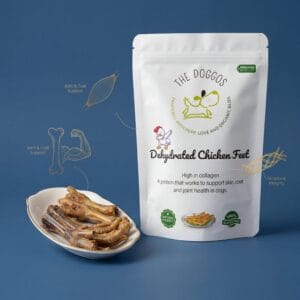
- Dental Health (Myth Alert!): A lot of people believe kibble cleans teeth. Let me bust that myth for you right now. Kibble is like a crunchy cracker, not a toothbrush. It just shatters, leaving starchy bits behind that add to plaque, not take it away. Want real dental health? Your dog needs to chew proper dehydrated treats like Dehydrated Chicken Feet or Dehydrated Mutton Trotters.
The Undeniable Cons of Kibble
- Low Moisture Content: Kibble is usually just 10% water. Think about that. Dogs on a dry food diet are always a bit dehydrated, which puts a strain on their kidneys and urinary tracts, slowly but surely. Remember, fresh food is 70% water; if your dog drinks less water on a fresh diet, that’s totally normal.
- High Carbohydrate Load: Most kibbles pack 40-60% carbs (we’re talking grains, starches, fillers). Dogs are carnivores, remember? They don’t even have amylase in their spit to start breaking down these carbs. This really taxes their pancreas and can cause ongoing inflammation, make them fat, and mess up their gut. Plus, high-carb food makes their stomach less acidic, so they’re more likely to pick up bacterial infections. Not good.
- Poor Digestibility: Because of all the heavy processing and often cheap ingredients, kibble is only about 80% digestible. What does that mean for you? More waste, bigger poops, and fewer nutrients actually getting into their system compared to fresh food’s 90-94% digestibility. You’re literally paying for large, smelly poops.
- Nutrient Degradation: The high heat processing (extrusion) used to make kibble wipes out crucial enzymes, vitamins, and good fats. Then companies just spray on fake vitamins and fats, which their bodies don’t use as well as the real stuff from whole foods.
- Palatability Issues: Lots of dogs find kibble pretty boring and not very tasty, often needing extra goodies or little tricks just to get them to eat it. Sound familiar?
Why Kibble’s Cons Matter in India
In India’s hot and humid climate, that low moisture content in kibble becomes an even bigger problem. Dehydration can make existing health problems worse, and even cause new ones. And to make things worse, all that cheap corn and soy used as fillers in so many Indian kibble brands? It means your dog is probably getting way too much inflammatory Omega-6. This is what often leads to those “heat” issues (itching, rashes) that so many Indian parents mistakenly blame on protein. Honestly, most vets won’t tell you this.
Understanding Wet Dog Food in India: A Step Up, But Still Falling Short
Commercial wet dog food, the stuff you find in cans or pouches, is often seen as a healthier choice than kibble. And yeah, it does offer some advantages, mostly because it has more water in it.
The Advantages of Commercial Wet Food
- High Moisture Content: Usually 70-80% water. That’s a big help for hydration and keeps kidneys happy, which is super important in India’s hot weather, you know?
- Increased Palatability: Dogs usually find wet food way more appealing. It’s the texture, the smell… so it’s a good pick for picky eaters or older dogs with teeth troubles.
- Often Lower in Carbs: While not always a guarantee, many commercial wet foods often have less carbs compared to kibble, though you can still find fillers in there, sadly.
The Limitations of Commercial Wet Food
- Cost: Wet food is a lot more expensive than kibble, so it’s not a lasting option for many Indian families.
- Storage and Shelf Life: Once you open it, wet food needs to go in the fridge and goes bad fast. And unopened cans? They’re heavy, plus you get all that extra waste.
- Processing and Quality: Sure, it’s less processed than kibble, but commercial wet food still gets blasted with high-heat sterilization (they call it retorting) to keep it shelf-stable. Which, surprise surprise, can zap nutrients. Ingredient quality? That can differ hugely; a lot of brands use rendered meats, by-products, and some really iffy fillers.
- Hidden Ingredients: Thickeners, binders, artificial flavourings… these are super common. They’re there to make it look and feel good, not to add any real nutrition.
Why Wet Food’s Limitations Matter
While it’s better for hydration, commercial wet food still has the same basic problem: super processed, often low-quality ingredients. It’s a bit better, yes, but it’s still settling when it comes to your dog’s carnivorous needs. You’re still forking over good money for something that just isn’t giving them the fresh, easy-to-use nutrients real food does.
The Desi Carnivore’s Perspective: Why Neither Commercial Option is Truly “Best”
Here at The Doggos, we believe in giving dogs what their bodies are actually made for: a meat-based, fresh, whole-food diet. If it’s in a bag or a can, it’s processed. Period. And for a carnivore? Processed food just isn’t ideal.
Inside, your dog is 99.9% wolf. Their stomach pH is super acidic (1-2, compared to our 4-5), their intestines are short, and they don’t have salivary amylase. All of it screams “carnivore,” doesn’t it? They’re built for raw meat, whole prey, and processing protein fast. Not for fermenting grains or chowing down on highly processed meals.
But here’s the catch. We live in India. And that’s exactly where my unique “Cook the Meal, Dehydrate the Bone” method becomes so important. Sure, the idea of raw feeding makes perfect sense for a dog’s biology. But in Indian households? The practicality of it is just too risky. Our wet markets, the humidity, and let’s be real, dogs dragging bones onto rugs and then licking our faces… there’s a serious “hygiene gap” with raw feeding here that I just can’t ethically ignore. (My Lab goes absolutely bonkers for raw bones, but hygiene is key!)
So, we go down the middle path:
- COOK the Meat: Gently home-cook (pressure cooker, my favourite!) to kill off nasty pathogens like Salmonella and E.coli. These are a genuine worry with meats from your neighbourhood butcher, especially in our climate.
- DEBONE After Cooking: This is absolutely non-negotiable. Cooked bones turn brittle, splintering into dangerous, sharp bits. This is a tragic mistake so many well-meaning Indian pet parents make, yaar.
- DEHYDRATED Bones for Calcium & Dental Health: Low-temperature, long-hour dehydration keeps the bones porous. This means they crumble safely into a chalky powder, giving your dog essential calcium (for that super important 1.2:1 Calcium:Phosphorus ratio) and cleaning their teeth way better, all without any splintering risk. (I’ve seen this work with Indie dogs especially, their teeth get so clean!)
This method makes sure you’re getting safety, great digestion, and nutrition that’s just right for their species. It’s miles better than anything you’ll pull from a commercial wet or dry food package.
Wet vs Dry vs The Doggos Method: A Comparison
| Feature | Commercial Dry Food (Kibble) | Commercial Wet Food | The Doggos Method (Home-Cooked Fresh) |
|---|---|---|---|
| Moisture Content | ~10% (Very Low) | ~70-80% (High) | ~70% (Optimal) |
| Carbohydrate Load | High (40-60%) | Moderate to Low (variable) | Very Low (controlled by parent) |
| Digestibility | ~80% (Poor) | ~85-90% (Moderate) | ~90-94% (Excellent) |
| Nutrient Retention | Poor (High heat processing) | Moderate (High heat sterilization) | Excellent (Gentle cooking) |
| Dental Health | Ineffective, can contribute to plaque | None | Excellent (via dehydrated chews) |
| Palatability | Often low | High | Excellent (Real meat appeal) |
| Cost (Avg. per serving) | Low to Moderate | Moderate to High | Moderate (varies with ingredients) |
| Hygiene Risk (Pathogens) | Low (Processed) | Low (Processed) | Extremely Low (Cooked meat) |
| Overall Health Impact | Suboptimal, can lead to chronic issues | Better hydration, but still processed | Optimal for long-term health and vitality |
Practical Steps: Transitioning Your Desi Dog to a Better Diet
If you’re currently feeding commercial wet or dry food, don’t you worry! Moving to a fresh, home-cooked diet is totally doable. Here’s the lowdown:
- Start Slow: Use our 7-Day Transition Protocol: Days 1-2: 75% old food + 25% new food. Days 3-4: 50/50. Days 5-6: 25% old + 75% new. Day 7: 100% fresh. Don’t fret if you see a little mucus in the stool around Day 3-4; that’s normal. It just means their gut is shedding its old lining. A little pinch of Baobab powder can really help settle things down.
- Embrace the Golden Chicken Bowl: Something like our “Golden Chicken Bowl” (pressure-cooked chicken thighs, liver, pumpkin, Hemp Balancer, turmeric) makes a fantastic starting point for their daily meals. And remember this: DEBONE after cooking! Seriously important.
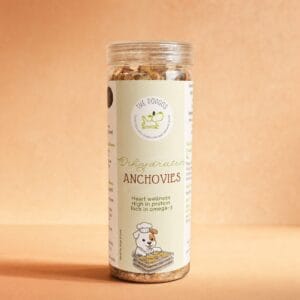
- Balance is Key: And don’t forget those Two Golden Rules for every bowl. For calcium, you want to add Dehydrated Chicken Feet or Whole Dehydrated Quail. For that crucial Omega-6:3 balance, especially with most commercial chicken, add Hemp Seed Oil or Dehydrated Anchovies to every single meal. These aren’t just “toppers,” na? They’re actually “balancers.”
- Hydration from Food: You’ll notice your dog drinks less water. This is totally normal and a big sign of super healthy kidneys, since fresh food provides them with plenty of moisture.
Common Mistakes Indian Pet Parents Make with Commercial Dog Food
- Believing Kibble Cleans Teeth: Like I mentioned, it’s just a myth. For actual dental health and some good mental stimulation, offer species-appropriate chews like our safe dehydrated treats.
- Ignoring Hydration Needs: Just thinking a bowl of water is enough when they’re on dry kibble. Nope. That constant, mild dehydration really takes its toll over time.
- Mixing Roti/Rice as the Main Diet with Kibble: This just makes a high-carb, nutrient-poor mess. Roti isn’t good for dogs as a main part of their diet, and too much rice, especially with kibble, totally overloads their system.
- Falling for Marketing Gimmicks: “Grain-free” kibble often just swaps grains for other high-carb starches like potatoes or lentils. Which, let’s be honest, aren’t necessarily any better.
- Feeding Cooked Bones from the Pressure Cooker: This is a seriously dangerous habit. NEVER, ever feed cooked bones. The only safe bones are raw recreational ones (if you can deal with the hygiene, a big “if” for many!) or properly dehydrated bones.
That’s my honest take.
At the end of the day, your dog’s health really shows what you put in their bowl. Sure, commercial wet dog food might have a slight edge over dry kibble for hydration. But neither comes anywhere near the biological benefits of a fresh, home-cooked diet, like The Desi Carnivore’s method teaches. It’s all about feeding your dog like the carnivore they truly are, safely and practically, right here in the Indian context.
Want more detailed advice on feeding your furry friend? Then check out our full feeding guides and learn more about my journey as a certified canine nutritionist on the About Mahiv Chhabra page.