
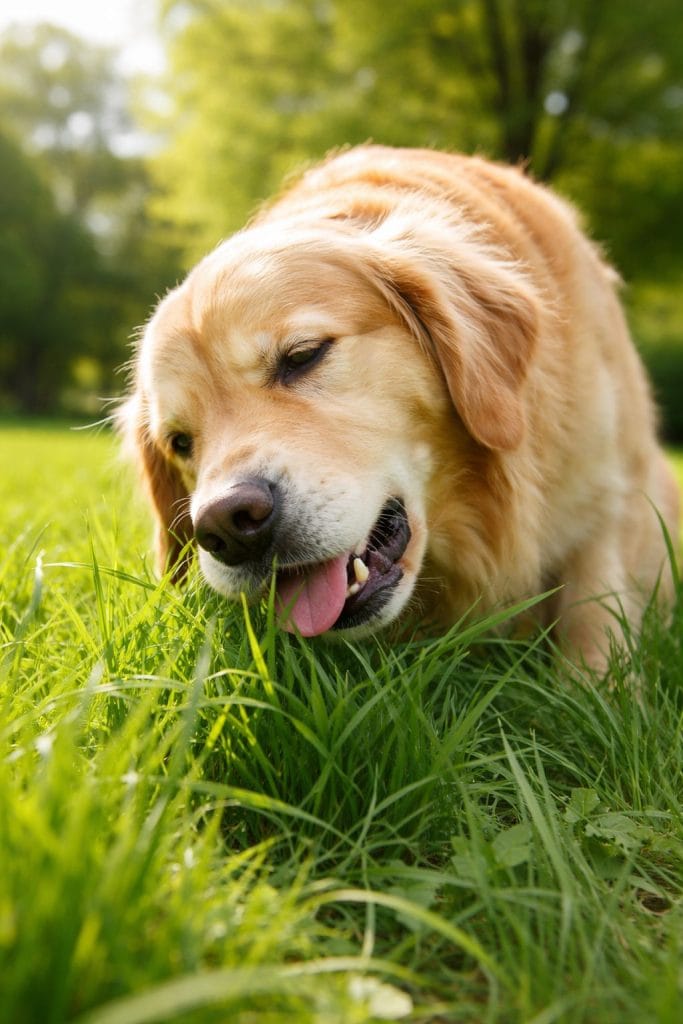
Why Do Dogs Eat Grass? What’s Actually Going On
You’re on a walk. Your dog spots a patch of grass, dives in, and starts chomping away like they haven’t eaten in days. You watch, confused, maybe slightly concerned. Then they either carry on happily or—less pleasantly—throw it all back up five minutes later.
Sound familiar?
Grass-eating is one of the most common dog behaviours that puzzles pet parents. And if you’ve Googled “why do dogs eat grass,” you’ve probably encountered a lot of conflicting information—everything from “they’re self-medicating” to “they’re desperately ill” to “it’s completely meaningless.”
Here’s the truth: most grass-eating is completely normal and not a cause for concern. But understanding why dogs do it—and when it might actually signal a problem—is worth knowing.
Let’s Start With What We Actually Know
Studies on grass-eating in dogs have produced some interesting findings:
- Up to 80% of dogs eat grass or plants at some point
- Less than 25% of dogs vomit after eating grass
- Only about 10% show signs of illness before eating grass
- Grass-eating appears in wild canids too—wolves, coyotes, and wild dogs all do it
That last point is important. This isn’t a quirk of domestication or a sign that something’s wrong with modern pet dogs. It’s a behaviour that’s been around for as long as dogs have existed.
The Myths We Need to Retire
Before we get into the real reasons, let’s clear out some persistent myths:
Myth 1: “Dogs eat grass to make themselves vomit when they’re sick”
This is the most common explanation you’ll hear, and it’s mostly wrong.
Yes, some dogs do vomit after eating grass. But research shows that fewer than 25% of grass-eating episodes lead to vomiting, and only about 10% of dogs appear unwell before eating grass.
The vomiting-after-grass thing is often incidental—grass can tickle the throat or irritate the stomach lining, triggering a gag reflex. It’s not necessarily intentional self-medication.
Myth 2: “Grass-eating means your dog is nutritionally deficient”
Another popular theory is that dogs eat grass because they’re missing something in their proper diet—fibre, minerals, or some unidentified nutrient.
The evidence for this is weak. Dogs on nutritionally complete diets eat grass at similar rates to dogs on incomplete diets. And grass isn’t exactly nutrient-dense for carnivores anyway—dogs can’t efficiently extract much nutrition from plant cellulose.
That said, some dogs do seem to eat more grass when their diet is low in fibre. We’ll come back to this.
Myth 3: “It’s a sign of serious illness”
Occasional grass-eating in an otherwise healthy dog is not a red flag. It’s not a symptom of cancer, organ failure, or any other scary diagnosis.
Can excessive, compulsive grass-eating sometimes indicate an underlying issue? Yes. But we’re talking about obsessive behaviour, not your dog nibbling some grass on a walk.
The Real Reasons Dogs Eat Grass
So if it’s not self-medication and it’s not nutritional deficiency, what’s actually going on? Here are the most likely explanations:
- They like it
This is probably the most underrated explanation. Some dogs simply enjoy the taste and texture of grass—especially young, tender shoots. It’s like a salad bar they encounter on walks.
Dogs explore the world through their mouths. Grass is accessible, interesting, and apparently tasty enough to keep coming back to. Not everything needs a deeper explanation.
- Instinctive behaviour
Wild canids—wolves, foxes, coyotes—all eat grass and plant matter occasionally. It’s been observed in their stomach contents and scat for as long as researchers have been studying them.
One theory is that this behaviour evolved as a natural way to help expel intestinal parasites. The fibrous grass creates bulk that can help move worms and other parasites through the digestive tract. Your modern, dewormed pet dog doesn’t need to do this, but the instinct may persist.
- Boredom or anxiety
Dogs who are under-stimulated or anxious sometimes engage in repetitive behaviours, and grass-eating can be one of them. If your dog obsessively seeks out grass or seems to eat it compulsively rather than casually, boredom or stress might be a factor.
This is different from the dog who happily munches some grass on a walk and moves on. We’re talking about the dog who can’t seem to stop, or who fixates on grass-eating as a behaviour.
- Mild stomach discomfort
While the “self-medication” theory is overstated, there’s some truth to the idea that dogs may eat grass when their stomach feels off. The grass may help induce vomiting or simply provide some relief through texture or bulk.
If your dog suddenly starts eating grass more than usual and shows other signs of digestive upset (reduced appetite, lethargy, unusual stools), that’s worth paying attention to.
- Seeking fibre
Here’s where diet can play a role. While grass-eating isn’t primarily about nutritional deficiency, some dogs on very low-fibre diets do seem to seek out plant matter more often.
Fibre supports healthy digestion and gut motility. If a dog’s diet is almost entirely processed or lacks any fibre source, they may instinctively seek it elsewhere. This doesn’t mean your dog needs vegetables—it means their overall diet might benefit from some adjustment.
The Diet Connection: Does What You Feed Matter?
Here’s my take as a canine nutritionist: grass-eating alone doesn’t indicate a diet problem. But the pattern of grass-eating might tell you something.
Occasional grass-eating in a dog who’s otherwise healthy, energetic, and thriving? Completely normal. Don’t overthink it.
Frequent grass-eating combined with digestive issues, dull coat, low energy, or other symptoms? Worth examining the diet more closely.
Dogs fed highly processed, grain-heavy diets with low-quality protein sometimes show more grass-seeking behaviour. This isn’t because grass provides what’s missing—it’s because something in their system might be off-balance, whether that’s gut health, fibre intake, or overall digestive function.
A species-appropriate diet centred on quality animal protein, with appropriate fibre sources, tends to support better gut health overall. Dogs eating such diets may still nibble grass occasionally—because dogs do that—but it’s less likely to be compulsive or excessive.
When to Actually Worry
Most grass-eating is benign. But here are the situations where you should pay closer attention:
- Sudden increase in grass-eating: If your dog who never cared about grass suddenly can’t stop eating it, something may have changed—digestive upset, diet issue, or underlying health problem.
- Compulsive, obsessive behaviour: The dog who frantically seeks grass and can’t be redirected, versus the dog who casually nibbles and moves on.
- Frequent vomiting after eating grass: Occasional vomiting isn’t alarming, but if it happens regularly, your dog’s stomach may be consistently irritated.
- Other symptoms present: Loss of appetite, lethargy, diarrhoea, weight loss, or behavioural changes alongside increased grass-eating warrant a vet visit.
- Eating treated grass: If your dog eats grass that’s been sprayed with pesticides, herbicides, or fertilisers, that’s a genuine health risk. Always be aware of what’s on the grass they’re accessing.
Safety Considerations for Indian Dog Parents
In India, there are a few specific concerns worth noting:
- Pesticide exposure: Parks, gardens, and public spaces are often treated with chemicals. If your dog regularly eats grass in such areas, they may be ingesting harmful substances.
- Contamination from strays: Grass in areas frequented by stray animals may carry parasites or pathogens. Regular deworming becomes especially important if your dog grazes outdoors frequently.
- Toxic plants: Some dogs don’t distinguish between grass and other plants. Be aware of what’s growing in your dog’s environment—certain common plants are toxic to dogs.
- Roadside grass: Grass along busy roads accumulates exhaust residue and pollutants. Best avoided for grazing purposes.
Should You Stop Your Dog From Eating Grass?
In most cases, no. If the grass is clean (no pesticides, no contamination) and your dog is eating it casually rather than compulsively, there’s no reason to intervene.
However, you might want to redirect the behaviour if:
- The grass is in a treated or potentially contaminated area
- Your dog is eating so much that it’s causing vomiting
- The behaviour seems obsessive rather than casual
- They’re eating other plants that might be harmful
If you want to discourage the behaviour, redirect with a treat or toy rather than punishing. And if your dog seems to crave plant matter, consider whether their diet might benefit from some appropriate fibre sources.
The Bottom Line
Why do dogs eat grass? Honestly, the most accurate answer is: because they’re dogs.
It’s a behaviour that’s been around for thousands of years, observed in wild and domestic canids alike. Sometimes they like the taste. Sometimes it’s instinct. Sometimes their stomach feels a bit off. Rarely is it a sign of anything serious.
The key is knowing the difference between normal grass-nibbling and behaviour that warrants attention. A healthy dog who occasionally munches grass on a walk? That’s just a dog being a dog. A dog who’s suddenly obsessed with grass, vomiting frequently, or showing other symptoms? That’s worth investigating.
As with most things in canine health, context matters more than any single behaviour. Focus on the overall picture—diet, energy levels, coat condition, digestive function—rather than fixating on whether your dog ate some grass today.
They probably just liked it.
Curious about what your dog should actually be eating?
Explore The Desi Carnivore — our guide to species-appropriate nutrition for Indian dogs. Because understanding what your dog’s body actually needs is the foundation of good health.
────────────────────────────────────────────────────────────
About the Author: Mahiv Amit Chhabra is a certified canine nutritionist and founder of The Doggos. His approach focuses on understanding canine biology and separating pet nutrition myths from evidence-based practice.
Fix the Diet, Fix the Grass Eating
- Hemp Meal Balancer — Fills nutritional gaps that may cause grass eating
- Dehydrated Sardines — Real nutrition your dog may be craving
- Bone and Organ Boost — Organ nutrients dogs instinctively seek