
When your dog is diagnosed with Cushing’s disease, it can feel overwhelming. This endocrine disorder comes from too much cortisol, the body’s stress hormone, and is most often seen in middle-aged and older dogs. Veterinary treatment comes first, but diet plays a real supporting role, especially for weight, muscle loss, blood fats and the risk of pancreatitis.
Cushing’s Disease at a Glance
| Common signs | Drinking and urinating a lot, a big appetite, pot belly, thinning coat, heavy panting and muscle loss |
|---|---|
| Diagnosis | Blood and urine tests, followed by specific hormone tests such as an ACTH stimulation or low-dose dexamethasone test |
| Treatment | Usually daily medication (commonly trilostane) with regular check-ups; diet supports it |
| Diet goals | Lean, good-quality protein, moderate to low fat, little sugar or refined carbohydrate, and fibre for fullness |
| Watch for | Weight changes, water intake and skin infections. Dogs with Cushing’s are more prone to pancreatitis, diabetes and urinary infections. |
Quick Answer: For Indian dogs with Cushing’s disease, a fresh, gently cooked, low-fat, moderate-protein diet is crucial to manage symptoms. Focus on lean meats, digestible carbohydrates, and anti-inflammatory supplements like Hemp Seed Oil to reduce inflammation and support their compromised system. Avoid high-fat, high-carb kibble and processed treats entirely.
Understanding Cushing’s Disease in Indian Dogs
Cushing’s disease, or hyperadrenocorticism, happens when the body makes too much cortisol, most often because of a small tumour in the pituitary gland and less often in an adrenal gland. It can affect any breed, including Indies, Labradors and Pugs, and its early signs are easily mistaken for normal ageing.
Common signs to watch out for include:
- Increased Thirst and Urination (Polydipsia/Polyuria): Your dog might be emptying their water bowl faster and needing more frequent potty breaks.
- Increased Appetite (Polyphagia): They’ll always seem hungry, no matter how much you feed them.
- Pot-bellied Appearance: Due to muscle weakness and fat redistribution.
- Thin, Fragile Skin and Hair Loss: Especially on the body, with a noticeable thinning of the coat.
- Muscle Weakness and Lethargy: Difficulty jumping, climbing stairs, or general tiredness.
- Panting: Even in cool weather, often due to muscle weakness affecting the diaphragm.
- Recurrent Skin Infections: Including hot spots, yeast infections, and general itching, often exacerbated by India’s humid climate.
These symptoms, particularly the skin issues and lethargy, often lead pet parents down paths of conventional treatments that don’t fully address the underlying inflammatory cascade driven by excess cortisol. This is where diet becomes a powerful tool.
Why Diet is Critical for Cushing’s Management
Cortisol is a pro-inflammatory hormone. Chronic excess cortisol suppresses the immune system, breaks down muscle tissue, increases blood sugar, and affects fat metabolism. A poor diet, especially one high in inflammatory Omega-6 fats (common in commercial chicken and kibble) or simple carbohydrates (like roti and rice as a main meal), only adds fuel to this fire.
For a dog with Cushing’s, diet isn’t just about sustenance; it’s about:
- Reducing Inflammation: Minimising dietary triggers that contribute to systemic inflammation.
- Supporting Liver and Kidney Function: These organs work overtime to process excess hormones and waste products.
- Maintaining Muscle Mass: Counteracting the muscle-wasting effects of cortisol.
- Stabilising Blood Sugar: Preventing spikes that stress the pancreas.
- Strengthening the Immune System: Helping their compromised body fight off secondary infections.
Ignoring the diet while managing Cushing’s is like trying to fix a leaky bucket while leaving the tap running.
The Desi Carnivore Approach to Cushing’s Diet
My philosophy, the “Cook the Meal, Dehydrate the Bone” method, is particularly relevant for dogs with Cushing’s. We focus on gently cooking fresh, human-grade ingredients to ensure hygiene, especially crucial in India’s climate where raw meat from wet markets poses a significant cross-contamination risk. Deboning after cooking prevents the danger of splintering bones, which can be fatal. Then, we balance the meal with essential nutrients.
Lean Protein is Key
Dogs with Cushing’s often experience muscle wasting. High-quality, digestible protein is essential to counteract this. Opt for lean meats like chicken breast, goat, or fish. Ensure the meat is gently cooked (pressure-cooked is ideal) to kill pathogens. Always debone chicken after cooking; cooked bones splinter dangerously.
Complex Carbohydrates for Stable Energy
Avoid simple carbs like white rice or maida-based rotis, which can spike blood sugar. Instead, choose complex carbohydrates in moderation, such as red pumpkin, sweet potato, or even a small portion of brown rice. These provide sustained energy without overwhelming the pancreas, which is already under stress from excess cortisol. Remember, dogs lack amylase in their saliva, so complex carbs need to be well-cooked and mashed for optimal digestion.
Balanced Fats: The Inflammation Fighter
This is arguably the most critical component for a dog with Cushing’s. Commercial chicken in India is often high in Omega-6 fats due to corn and soy-heavy diets, leading to an inflammatory Omega-6:3 ratio (20:1 or higher). Excess cortisol already creates an inflammatory state; adding more inflammatory fats is counterproductive. Balancing this ratio is non-negotiable.
Practical Section: Crafting the Cushing’s-Friendly Bowl
Here’s a simple template for a Cushing’s supportive meal:
- Protein Base: 50-60% of the meal should be gently cooked, deboned lean meat (chicken, goat, or fish). For example, 200g pressure-cooked chicken breast (deboned).
- Digestible Carbs: 20-30% well-cooked and mashed sweet potato or pumpkin. For example, 100g mashed pumpkin.
- Fibre-Rich Veggies: 10-20% steamed green beans or spinach.
- Essential Fats & Balance: Add the recommended dose of Hemp Seed Oil.
- Calcium Source: Since you’re deboning, you must add calcium. This can be eggshell powder (1/2 tsp per 250g meat) or dehydrated bone meal.
Always introduce new foods slowly over 7-10 days to avoid digestive upset, which is particularly important for dogs with compromised systems.
Common Mistakes Indian Pet Parents Make with Cushing’s Dogs
- Feeding High-Carb Kibble: Most commercial kibbles are packed with grains and fillers, leading to blood sugar spikes and further inflammation. This is the opposite of what a Cushing’s dog needs.
- Relying on Only Chicken and Rice: While better than kibble, a simple chicken and rice diet lacks crucial micronutrients and, critically, the correct Omega-6:3 balance and calcium. This can lead to long-term deficiencies.
- Ignoring the Omega-6:3 Imbalance: Many Indian pet parents don’t realise that commercial chicken’s fat profile contributes to inflammation. Simply cooking the chicken isn’t enough; balancing fats is vital.
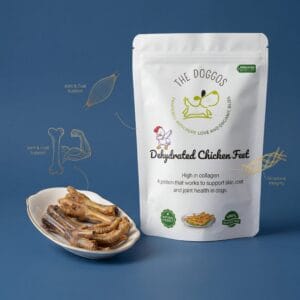
- Feeding Cooked Bones: A dangerous practice that can cause internal damage. Always debone cooked meat. For safe calcium, use dehydrated bones like Dehydrated Chicken Feet or eggshell powder.
- Over-Supplementation Without Guidance: While supplements are good, piling on too many without understanding their interaction or specific needs can be detrimental. Focus on targeted support.
Remember, a dog’s body is a carnivore’s body, designed for meat. High-carb diets raise stomach pH, making them less effective at killing bacteria and digesting nutrients, which is a major concern for an immunocompromised dog with Cushing’s.
When to call your vet
Call your vet straight away if a dog on Cushing’s treatment shows:
- Sudden weakness, collapse or wobbliness
- Vomiting, diarrhoea or refusing food (possible over-suppression of cortisol)
- Laboured breathing
- Much more drinking and urinating than usual, which can signal diabetes
FAQ: Dietary Support for Cushing’s Disease in Indian Dogs
Keep reading
Can diet cure Cushing’s disease in dogs?
No. Diet cannot stop the extra cortisol production, but it helps control weight, muscle loss and blood fats, and lowers the risk of complications such as pancreatitis. The disease itself is treated medically.
Should a dog with Cushing’s drink less water?
Never restrict water. Heavy thirst is a symptom, and limiting water can cause dehydration. Measuring how much your dog drinks each day helps your vet judge whether treatment is working.