The Rajapalayam Hound, a regal and fiercely loyal breed, stands as a true gem among Indian dogs. But owning such a magnificent native dog comes with a responsibility: feeding it correctly. Forget generic advice; your Rajapalayam needs a diet rooted in its biological makeup, especially considering our unique Indian environment.
Quick Answer: For an optimal Rajapalayam Hound diet in India, focus on gently home-cooked, deboned meats as the primary protein source, balanced with dehydrated bones for calcium. Supplementing with a quality product like Hemp Meal Balancer ensures all amino acid and Omega-3 needs are met, preventing common deficiencies from typical Indian chicken and rice diets.
Understanding Your Rajapalayam Hound’s Carnivore Nature
Like all dogs, the Rajapalayam Hound is a carnivore. Designed by nature to thrive on meat. Their biology is a testament to this: a highly acidic stomach (pH 1-2) built to break down raw meat and bone, short intestines for rapid nutrient absorption, and no amylase in their saliva to pre-digest carbohydrates. This means that while they can *survive* on grains, they truly *thrive* on a meat-rich diet.
In India, we often see Rajapalayams fed a diet heavy in roti, rice, or commercial kibble. Convenient? Yes. But these diets put a strain on their digestive system. Over time, they lead to chronic health issues like skin allergies, dull coats, and joint problems. Their bodies are simply not designed to process such high levels of carbohydrates efficiently.
The Doggos Method: Cook the Meal, Dehydrate the Bone for Rajapalayams
My philosophy, the “Desi Carnivore” method, is tailored specifically for the Indian context. We love the biological concept of raw feeding, but the realities of our wet markets and household hygiene demand a safer approach.
- Cook the Meat: Gently pressure-cook your Rajapalayam’s meat (chicken, mutton, quail) to eliminate harmful bacteria like Salmonella and E. coli. This is non-negotiable for hygiene in Indian homes, especially with the humidity in places like Mumbai or Chennai.
- Debone After Cooking: NEVER feed cooked bones. High heat makes bones brittle. They shatter. One sharp shard, one perforated intestine, and you’re at the emergency vet at midnight. Debone the cooked meat meticulously.
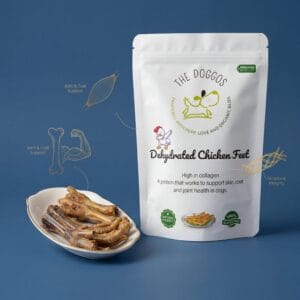
- Dehydrated Bones for Calcium: This is where the magic happens. Dehydration, a low-temperature, long-duration process, retains the porous structure of bones. Dehydrated Chicken Feet or Dehydrated Mutton Trotters provide essential calcium and phosphorus in a safe, digestible form. They crumble into a chalky powder, not dangerous splinters. This also offers crucial dental benefits and mental enrichment for your powerful Rajapalayam jaws.
From Mahiv’s Practice: “I once had a magnificent Rajapalayam client in Hyderabad with chronic lameness and unexplained lethargy. His owner was feeding him pressure-cooked chicken and rice, unknowingly creating a severe calcium deficiency. Introducing Dehydrated Chicken Feet daily and switching his balancer to Hemp Meal Balancer made a visible difference in just three weeks. His energy returned, and the lameness significantly improved as his skeletal system began to repair itself.”
Essential Nutrients for Your Rajapalayam Hound
A balanced diet for your Rajapalayam must provide the right ratios of protein, fats, and minerals.
Protein: The Foundation of Health
As carnivores, Rajapalayams need high-quality animal protein. Chicken, mutton, and quail are excellent choices. Protein supports muscle development, tissue repair, and immune function. Ensure at least 50-60% of their daily intake comes from lean meats.
Fats: Energy and Skin Health
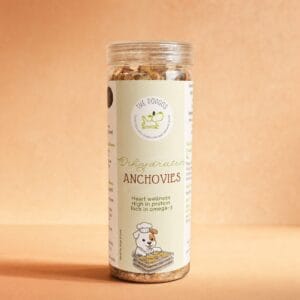
Fats are a concentrated energy source. However, the balance of Omega-6 to Omega-3 is critical. Commercial Indian chicken is often high in Omega-6, which can cause inflammation. To counter this, always add a source of Omega-3. Hemp Seed Oil is fantastic, providing anti-inflammatory GLA, or consider Dehydrated Anchovies for a fish-based Omega-3 boost.
Calcium:Phosphorus Ratio: The Bone of Contention
This is often the most overlooked aspect of homemade diets. Meat is rich in phosphorus, but often lacks sufficient calcium. The ideal calcium:phosphorus ratio is 1.2:1. Without enough calcium, a dog’s body will leach calcium from its own bones. This leads to conditions like osteopenia and “Rubber Jaw” syndrome over time. This is why safe, digestible dehydrated bones are so vital.
Why Hemp Meal Balancer is Key for Your Rajapalayam’s Diet
Even with cooked meat and dehydrated bones, a homemade diet can sometimes miss the mark on specific amino acids, vitamins, and minerals. This is where Hemp Meal Balancer becomes an indispensable part of your Rajapalayam’s diet.
- Complete Amino Acid Profile: It fills the gaps that even quality meat might miss, ensuring your Rajapalayam gets all essential amino acids for strong muscles and overall vitality.
- Omega-3 Boost: Hemp is naturally rich in beneficial fatty acids, helping to correct the Omega-6 imbalance often found in commercial Indian chicken. This means less itching, fewer hot spots, and a healthier coat.
- Prebiotic Fibre: It supports gut health, aiding digestion and nutrient absorption. This is particularly beneficial during diet transitions or for sensitive stomachs.
- Immune Support: The complete nutrient profile strengthens the immune system, helping your Rajapalayam fight off infections common in the Indian climate.
Adding a scoop of Hemp Meal Balancer to your Rajapalayam’s daily meal transforms a simple “survival meal” into a “thriving meal” by ensuring complete nutritional adequacy. It’s especially crucial for a high-energy breed like the Rajapalayam that demands peak physical condition.
The “Heat” Myth and Indian Climate Considerations
Many Indian pet parents believe certain foods like chicken or eggs cause “heat” in dogs, leading to rashes or discomfort. This is a common misconception. What’s often perceived as “heat” is actually an inflammatory response caused by an imbalance in Omega-6 fatty acids, prevalent in corn and soy-fed chicken. It’s not the protein itself, but the fat profile.
By balancing the diet with Omega-3 sources like Hemp Seed Oil or Dehydrated Anchovies, you can mitigate this inflammation. This means your Rajapalayam can enjoy the benefits of chicken protein without the “heat” symptoms, even during the peak summer months in cities like Chennai or Delhi. ensure fresh, cool water is always available and avoid walking during the hottest parts of the day.
Feeding Schedule and Portion Sizes for Rajapalayam Hounds
Rajapalayams are active dogs, but their metabolism can vary. Always monitor their body condition. As a general guide, adult Rajapalayams typically need 2-3% of their ideal body weight in food daily. This should be split into two meals.
Sample Daily Feeding Guide (Adult Rajapalayam)
| Body Weight (kg) | Total Daily Food (g) | Cooked Meat (g) | Cooked Veg/Fibre (g) | Hemp Meal Balancer (scoops) | Dehydrated Bone Chew |
|---|---|---|---|---|---|
| 20-25 kg | 400-500 g | 300-375 g | 100-125 g | 1-1.5 scoops | 1 Chicken Foot |
| 25-30 kg | 500-600 g | 375-450 g | 125-150 g | 1.5-2 scoops | 1-2 Chicken Feet |
| 30-35 kg | 600-700 g | 450-525 g | 150-175 g | 2-2.5 scoops | 2 Chicken Feet or 1 Mutton Trotter |
Key Numbers: An average adult Rajapalayam typically requires 400-700 grams of fresh food daily, split into two meals, with the addition of 1-2 Dehydrated Chicken Feet for calcium and joint health.
Adjust portions based on activity level, age, and individual metabolism. Puppies will need more frequent, smaller meals and a higher calorie intake.
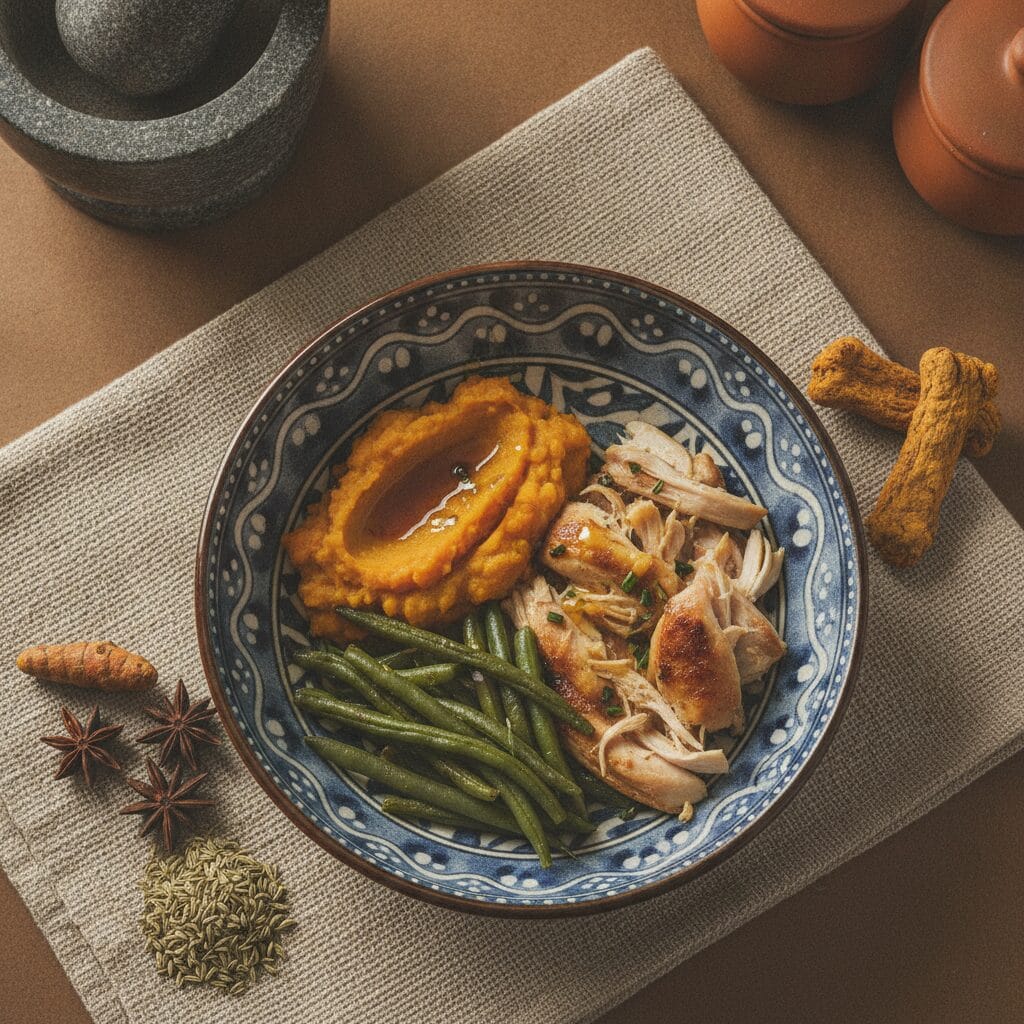
Practical Meal: The Rajapalayam Golden Chicken Bowl
Here’s a simple, balanced recipe for your Rajapalayam:
- Take 500g bone-in, skin-on chicken thighs (for natural taurine and fats) and 50g chicken liver (for Vitamin A).
- Wash the chicken with turmeric water (a natural antiseptic).
- Pressure cook the chicken and liver with 100g red pumpkin (for fibre and vitamins) and a pinch of turmeric paste for 2-3 whistles.
- Once cooled, meticulously DEBONE the chicken. This step is critical for safety.
- Mash the pumpkin into the broth, creating a nutritious, hydrating base.
- Add 1-2 scoops of Hemp Meal Balancer once the bowl has cooled to a lukewarm temperature.
- Serve with a Dehydrated Chicken Foot or a piece of Dehydrated Mutton Trotter for daily calcium and dental health.
For variety, you can substitute chicken with goat meat (Mutton Trotters are excellent for recovery and joint support) or Whole Dehydrated Quail as a novel protein.
Common Mistakes Indian Rajapalayam Parents Make
- Feeding Cooked Bones: As discussed, this is incredibly dangerous. Always debone cooked meat.
- Excessive Grains/Roti: While a small amount of rice might be okay for some, making it the bulk of the diet strains the pancreas and can lead to nutrient deficiencies. Read more about rice for dogs.
- Ignoring Calcium:Phosphorus Ratio: Boneless meat diets without a calcium source are detrimental long-term. Always provide safe calcium through dehydrated bones or supplements.
- Assuming All Chicken is Equal: Commercial chicken’s Omega-6 content can be inflammatory. Always balance with Omega-3.
- Over-Treating with Commercial Biscuits: Treats like Parle-G are high in sugar and maida, leading to dental issues and unhealthy weight gain. Opt for functional dehydrated treats instead.
For more detailed insights on homemade dog food, you can check out my full guide on homemade dog food recipes India.
Frequently Asked Questions About Rajapalayam Hound Diet in India
Can Rajapalayam Hounds eat a vegetarian diet?
No, Rajapalayam Hounds are facultative carnivores, meaning their biology is designed for a meat-based diet. A vegetarian diet will severely lack essential amino acids, taurine, and specific fats, leading to serious health issues over time. While some vegetables can be included as fibre, the primary component must be animal protein.
How much exercise does a Rajapalayam Hound need daily?
Rajapalayam Hounds are high-energy dogs that require significant exercise. Aim for at least 1-2 hours of vigorous activity daily, including brisk walks, running, or playtime in a securely fenced area. Their strong prey drive also means they benefit from mental stimulation through scent work or structured training.
Are Rajapalayam Hounds prone to any specific health issues related to diet?
Like many large breeds, Rajapalayams can be prone to hip and elbow dysplasia, which can be exacerbated by poor calcium:phosphorus ratios in their diet. They can also develop skin allergies or dull coats if their Omega-6:3 fat balance is off. A balanced fresh diet with appropriate supplementation is key to prevention.
Can I give my Rajapalayam milk or curd?
While small amounts of curd (dahi) can be beneficial as a probiotic, many dogs are lactose intolerant. Start with a tiny amount (1 teaspoon) to see how your Rajapalayam reacts. Milk is generally not recommended as it’s higher in lactose and can cause digestive upset.
What treats are best for Rajapalayam Hounds?
The best treats are functional, dehydrated options. Dehydrated Chicken Feet are excellent for joint health and dental cleaning. Dehydrated Mutton Trotters offer a long-lasting chew and iron. For quick rewards, consider small pieces of Dehydrated Anchovies. Avoid sugary, processed biscuits.
Fuel Your Rajapalayam’s Heritage with The Doggos
Your Rajapalayam Hound deserves a diet that honours its ancient lineage and supports its health and vitality in the Indian climate. By adopting the “Cook the Meal, Dehydrate the Bone” method and ensuring balanced nutrition, you’re providing the best possible foundation.
To ensure your Rajapalayam is getting all the essential nutrients and amino acids, I highly recommend incorporating Hemp Meal Balancer into their daily meals. It’s the simplest way to turn a good homemade meal into a truly great one, designed to help your majestic Indian hound thrive. Learn more about my philosophy and journey as a canine nutritionist on my author page.