
Many Indian households share everything with their beloved pets, including popular snacks like badam. But is it safe for your dog to eat almonds in India? As a canine nutritionist, I often see well-meaning parents unknowingly put their pets at risk with human food.
Quick Answer: Can Dogs Eat Almonds in India?
No. While almonds aren’t toxic like macadamia nuts, I don’t recommend them for dogs in India. They pose significant choking hazards. They’re difficult for a dog’s digestive system to process. And they’re high in Omega-6 fats, which can contribute to inflammation. Opt for species-appropriate, safe alternatives like our natural Peanut Butter instead.
Why Almonds Aren’t a Good Snack for Indian Dogs
The idea that a little bit of a human snack won’t hurt is common. Especially in India where sharing food is a cultural norm. However, a dog’s physiology is vastly different from ours. What’s healthy for you might be harmful for them.
Choking Hazard and Obstruction
This is my primary concern with almonds. Their size and hard texture make them a serious choking hazard. Especially for smaller breeds like Pugs or Shih Tzus, or even larger dogs who gulp their food. An almond can easily get lodged in the windpipe, leading to suffocation. Even if swallowed, a whole almond can cause an intestinal blockage. A life-threatening emergency requiring surgery.
Digestive Issues and Pancreatitis Risk
Almonds are relatively high in fat. While healthy fats are essential, excessive amounts can quickly upset a dog’s stomach. This leads to diarrhoea, vomiting, or even pancreatitis. Pancreatitis is a painful inflammation of the pancreas. It can be chronic and severe, especially in breeds prone to it like Miniature Schnauzers. almonds contain phytic acid. This can interfere with the absorption of essential minerals like zinc and iron in your dog’s gut.
The Omega-6 Imbalance Problem
Commercial Indian chicken is corn and soy fed, which pushes the Omega 6:3 ratio to 20:1 or worse. That’s not a number, that’s an itch. Almonds are also rich in Omega-6 fatty acids. Adding more Omega-6 through snacks like almonds can exacerbate this imbalance. This leads to inflammatory issues often mislabelled as ‘heat’ in Ayurvedic terms. Symptoms include:
- Chronic paw licking
- Hot spots and skin rashes
- Persistent ear infections
- Generalised itching
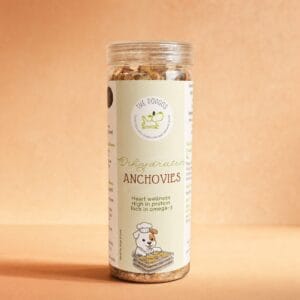
These are not signs of ‘heat’ from food. They are a systemic inflammatory response. Balancing these fats with Omega-3 sources, like Hemp Seed Oil or a scoop of Dehydrated Anchovies, is crucial. Not adding more Omega-6 through almonds.
Not a Nutritional Powerhouse for Carnivores
Dogs are carnivores. Their digestive system is designed to process meat, not plant matter like nuts. Their stomach pH is 1-2, capable of dissolving bone and killing bacteria. But it’s not optimised for breaking down tough plant fibres and compounds found in almonds. While almonds offer some protein and fibre, your dog will absorb far more bioavailable nutrients from animal-based proteins.
The Doggos Method: Safer, Healthier Alternatives to Badam
Instead of reaching for almonds, focus on snacks that are genuinely beneficial and safe for your dog. Our philosophy at The Doggos is to provide species-appropriate nutrition. It supports their carnivore biology while ensuring hygiene and safety, especially in the Indian climate.
Why Our Peanut Butter is a Superior Choice
When it comes to a satisfying, safe, and delicious treat, Peanut Butter is an excellent alternative to almonds. But not just any peanut butter. Our Peanut Butter is specifically formulated for dogs:
- Zero Xylitol: This artificial sweetener is highly toxic to dogs. Even in small amounts. Our Peanut Butter contains absolutely no xylitol.
- All-Natural Ingredients: Made with just roasted peanuts. It’s free from added sugar, salt, hydrogenated oils, or preservatives that can harm your dog.
- Easy to Digest: The creamy texture is easy for dogs to swallow and digest. It eliminates the choking hazard of whole nuts.
- Source of Healthy Fats and Protein: Provides good fats and protein in moderation. Perfect for a treat or a lick mat.
It’s a fantastic training aid. A delicious distraction during grooming. Or a simple way to give medication. Always ensure your dog’s Peanut Butter is plain, unsweetened, and xylitol-free.
| Feature | Almonds (Badam) for Dogs | The Doggos Peanut Butter for Dogs |
|---|---|---|
| Toxicity | Not toxic, but digestive issues possible | Not toxic, safe formulation |
| Choking Hazard | High risk, especially whole nuts | Minimal risk, smooth texture |
| Digestibility | Poor, high fat, phytic acid | Good, easy to process |
| Omega-6 Content | High, contributes to imbalance | Moderate, balanced with other fats |
| Xylitol Risk | No inherent xylitol (but processed products may have) | Guaranteed Xylitol-Free |
| Nutritional Value | Limited for carnivores | Healthy fats, protein, vitamins |
| Recommended? | No | Yes (in moderation) |
Other Safe and Healthy Treat Options
Beyond our Peanut Butter, consider other species-appropriate options:
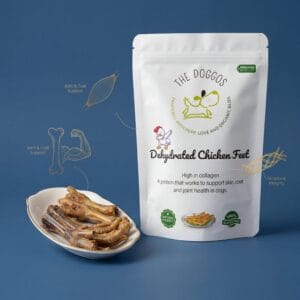
- Dehydrated Treats: These are functional medicine, not just snacks. Dehydrated Chicken Feet offer natural glucosamine for joints and help clean teeth. Dehydrated Anchovies provide essential Omega-3s.
- Fresh Fruits/Veggies (in moderation): Small pieces of apple (no seeds), pumpkin, or green beans can be healthy. Learn more about what vegetables your dog can eat in our homemade dog food recipes guide.
What If My Dog Accidentally Ate Almonds?
If your dog has eaten a small amount of plain, unsalted almonds, don’t panic immediately. Watch for symptoms like:
- Vomiting
- Diarrhoea
- Loss of appetite
- Lethargy
- Abdominal pain
These signs usually appear within 12-24 hours. If you notice any of these, or if your dog seems to be choking or struggling to breathe, contact your vet immediately. Always ensure the almonds were plain and not part of a trail mix with grapes, raisins, or chocolate, which are highly toxic.
Mahiv’s Take: The Trap of Human Snacks
In my years as a canine nutritionist, I’ve seen countless pet parents, especially in Mumbai and Bangalore, fall into the trap of replacing species-appropriate meals or treats with easily available human snacks. One client had a fussy Indie who refused his regular food. Desperate, the owner started giving him small portions of badam every evening. Soon, the dog developed chronic loose stools and refused all proper food. It took a dedicated two-week protocol of bland chicken and pumpkin, along with a switch to functional treats like Whole Quail, to reset his gut and appetite. It’s a classic example: what seems harmless can throw a dog’s delicate system completely off balance.
Common Mistakes Indian Pet Parents Make with Snacks
Beyond almonds, there are several general pitfalls I observe:
- Feeding Salty or Spicy Snacks: Indian snacks are often laden with salt, sugar, and spices. These are terrible for a dog’s kidneys, digestive system, and overall health.
- Ignoring Xylitol: Many ‘sugar-free’ human products, like chewing gum, some peanut butter brands, and even baked goods, contain xylitol. Always read labels.
- Overfeeding: Even healthy treats should be given in moderation. Treats should make up no more than 10% of your dog’s daily calorie intake.
- Assuming All Nuts Are Safe: While some nuts like peanuts are fine (in butter form), others like macadamia nuts are toxic. Walnuts can harbour mould. It’s safer to avoid them all unless specifically confirmed safe by a canine nutritionist.
Conclusion: Choose Wisely, Choose Safe
While the cultural inclination to share food with our furry family members is strong in India, it’s vital to prioritise their unique biological needs. Almonds, or badam, simply aren’t suitable or safe for your dog.
Instead, opt for treats that are specifically designed for canine consumption. And offer genuine nutritional benefits without the risks. Our all-natural, xylitol-free Peanut Butter is a fantastic choice for a safe, delicious, and digestible treat. For more insights on proper canine nutrition and safe treats, feel free to explore my other articles or learn more about me.