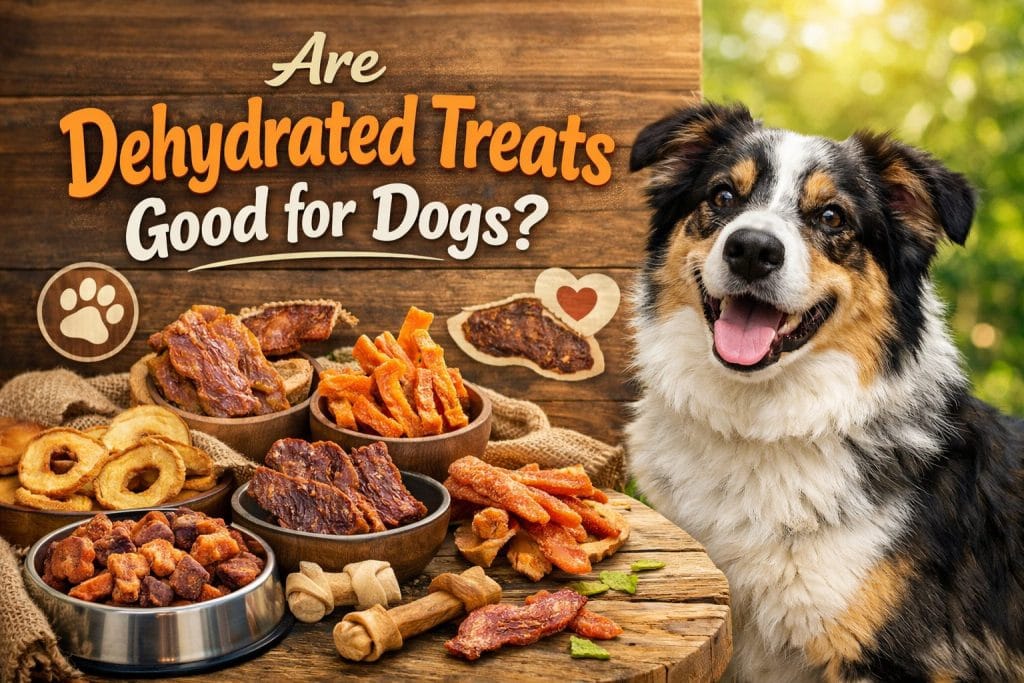
If you’ve been looking at healthier treat options for your dog, you’ve probably come across dehydrated treats. As a certified canine nutritionist working with Indian dog parents every day, I get this question constantly: “Are dehydrated treats actually good for my dog, or is it just another marketing gimmick?”
Many dog owners ask, are dehydrated treats good for dogs, and the answer is a resounding yes. These treats offer many benefits that contribute to a dog’s overall health, making them a better choice over highly processed alternatives.
Quick Answer: Are Dehydrated Treats Good For Dogs?
Yes, dehydrated treats for dogs are an excellent choice for canine health. They offer concentrated nutrition, support dental hygiene, and provide safe, single-ingredient purity. They retain vital enzymes and vitamins lost in heavily processed foods, making them highly digestible and free from artificial additives. This makes them ideal for daily rewards, training, and addressing specific health needs in the Indian climate.
What Are Dehydrated Dog Treats?
Dehydrated treats are made by slowly removing moisture from fresh ingredients using low, controlled heat. Unlike kibble or commercial treats that undergo high-temperature processing, dehydration preserves the natural enzymes, vitamins, and amino acids present in the original ingredient.
When you consider whether are dehydrated treats good for dogs, it’s essential to understand their preparation methods and how they retain nutrients. Think of it as nature’s preservation method. The ingredient remains nutritionally intact, just without the water content that would otherwise cause spoilage.
Why Dehydrated Treats Win: Benefits for Your Dog’s Health
By focusing on quality ingredients, you can ensure that you are feeding your dog treats that are genuinely beneficial. So, are dehydrated treats good for dogs? Absolutely, when chosen wisely! Here’s what makes dehydrated treats stand out:
Superior Nutrient Retention
The low-heat dehydration process preserves up to 97% of the original nutrients, compared to the 40-60% retention you see in heavily processed treats. This means your dog gets more of the good stuff, like bioavailable proteins, healthy fats, and essential vitamins, with every bite.
Single-Ingredient Purity & Allergen Control
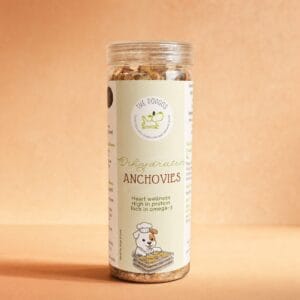
Quality dehydrated treats contain just one ingredient. Chicken is chicken. Fish is fish. No fillers, no preservatives, no mysterious “meat derivatives.” This transparency is crucial for dogs with food sensitivities or allergies, as it simplifies elimination diets and helps pinpoint triggers. For example, our Dehydrated Sardines are just that: sardines, nothing else.
Dental Health & Mental Enrichment
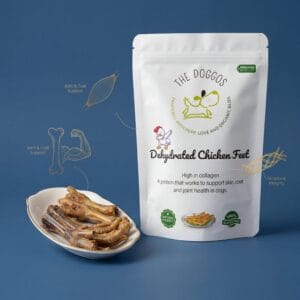
Many dehydrated treats, especially chews like Dehydrated Chicken Feet or Dehydrated Mutton Trotters, offer significant dental benefits. The natural chewing action helps scrape away plaque and tartar, promoting healthier gums and fresher breath. Beyond dental care, the act of chewing is a powerful stress reliever, releasing endorphins that calm anxious dogs and provide valuable mental stimulation.
Natural Preservation & Indian Climate Suitability
Because dehydration itself is a natural preservation method, there’s no need for chemical preservatives, artificial colours, or synthetic flavour enhancers. In India’s hot and humid climate, this is a big deal. Many imported treats that perform well in temperate climates become soggy, rancid, or develop mould within weeks here. Properly dehydrated treats with moisture content below 10% are inherently resistant to these issues, making them particularly well-suited for Indian conditions.
Better Digestibility & Smaller Stools
Dogs can digest dehydrated proteins more efficiently because the cellular structure remains closer to its natural state. This means their bodies absorb more nutrients, leading to improved overall health, better energy levels, and noticeably smaller, firmer stools. Less waste means more good absorbed, a clear indicator of a highly digestible diet.
Dehydrated vs. Commercial Treats: A Clear Comparison
When asking “are dehydrated treats good for dogs?”, it helps to compare them directly with the processed alternatives common in the market. The differences are stark:
| Feature | Dehydrated Treats | Commercial Processed Treats (Kibble-based) |
|---|---|---|
| Ingredient List | Single-ingredient (e.g., Chicken, Sardine) | Multiple ingredients, often including fillers, grains, derivatives, sugars |
| Nutrient Retention | Up to 97% (low-heat process) | 40-60% (high-heat extrusion) |
| Additives | None (natural preservation) | Artificial colours, flavours, chemical preservatives (BHA, BHT) |
| Digestibility | High (natural cellular structure) | Moderate to low (altered structure, fillers) |
| Dental Benefits | Often significant (natural abrasion, chewing) | Minimal or none, some can even contribute to plaque |
| Shelf Life | 6-12 months (properly stored) | Often 12-18 months (due to chemical preservatives) |
| Calorie Density | High (concentrated nutrition) | Variable, often high in empty calories |
From Mahiv’s Practice: Choosing the Right Dehydrated Treats
In my experience as a canine nutritionist, the choice of treats can significantly impact a dog’s health. This is where functional treats shine. For instance, our Dehydrated Chicken Feet are not just a crunchy snack; they are a natural joint supplement and dental chew rolled into one.
The Power of Dehydrated Chicken Feet
When pet parents ask me, “are dehydrated treats good for dogs, especially for joint health?” I immediately point them to Dehydrated Chicken Feet. Each foot contains approximately 450mg of natural glucosamine and chondroitin, essential compounds for cartilage repair and joint lubrication. This makes them a natural alternative to synthetic joint pills.
I once had a senior Indie, a 10-year-old named Raja, who was struggling with mild arthritis and reluctance to climb stairs. We started him on two Dehydrated Chicken Feet per day. Within two months, his owner reported a noticeable improvement in his mobility and playfulness. The chewing action also helped keep his teeth cleaner, a bonus for an older dog.
These treats are safe because our “Cook the Meal, Dehydrate the Bone” philosophy ensures bones are dehydrated, not cooked at high heat, so they crumble safely instead of splintering. You can explore more about safe bones for dogs here.
The Doggos Method: Cook the Meal, Dehydrate the Bone
Our brand philosophy, “The Desi Carnivore” method, is built on understanding canine biology while acknowledging the practicalities of Indian households. Dogs are carnivores, but raw feeding in India carries significant hygiene risks due to our wet markets and climate. This is why we advocate: Cook the Meal, Dehydrate the Bone.
- COOK the meat: Gently home-cook (pressure cooker) to kill Salmonella and E.coli. This is non-negotiable for hygiene.
- DEBONE after cooking: NEVER feed cooked bones. High heat makes bones brittle, leading to dangerous splinters.
- DEHYDRATED bones and chews for calcium and dental health: Dehydration (low temp, 20+ hours) retains the porous bone structure. This allows bones like Dehydrated Chicken Feet to crumble into safe, chalky powder that provides essential calcium and phosphorus, balancing your dog’s diet.
This approach ensures your dog gets species-appropriate nutrition without the risks associated with raw feeding or cooked bones. It also helps maintain the crucial 1.2:1 Calcium:Phosphorus ratio needed for long-term bone health, which is often neglected in boneless home diets.
Common Mistakes with Dog Treats in India
Even with the best intentions, Indian dog parents can make a few common mistakes when it comes to treats:
- Overfeeding: Dehydrated treats are calorie-dense. While highly nutritious, feeding too many can lead to weight gain. Always adjust meal portions or daily treat intake.
- Ignoring Hydration: Because dehydrated treats are moisture-free, always ensure your dog has access to fresh water. This is especially important during India’s hot summers.
- Choosing the Wrong “Healthy” Treats: Many owners still offer biscuits like Parle-G or Marie, which are full of sugar and maida. These offer zero nutritional value and can rot teeth. Opt for functional dehydrated treats instead.
- Not Reading Labels: Even some products marketed as “dehydrated” can contain hidden sugars, salts, or preservatives. Always check for single-ingredient purity.
Making the Best Choice for Your Desi Carnivore
Dehydrated treats represent what I believe dog nutrition should look like: simple, species-appropriate, and minimally processed. They align with a biology-based approach to canine care that prioritises what your dog’s body actually needs over what’s convenient for manufacturers.
Are they more expensive than mass-produced commercial treats? Often, yes. But when you consider the nutritional density, the absence of fillers, and the genuine health benefits, you’re actually getting more value per treat. Your dog deserves to eat real food, and dehydrated treats are about as close to “real” as shelf-stable treats can get.
To learn more about my philosophy and work, visit my author page. For a complete overview of natural treat options, explore our Dog Treats in India: The Complete Natural Guide.
Ready to see if are dehydrated treats good for dogs? Check out our premium selections tailored for the health-conscious pup.
Ready to try dehydrated treats for your dog?
Explore our range of single-ingredient, naturally dehydrated treats made right here in India. From chicken strips to fish jerky, every treat is crafted with your dog’s biology in mind. Shop All Our Natural Treats
Our Dehydrated Treats Range
- Dehydrated Sardines, Omega-3 powerhouse, our most popular fish treat
- Dehydrated Chicken Feet, Bestselling joint health treat from Rs.199