When your feline companion starts showing discomfort around the litter box, urinary health quickly becomes a top priority. In India, with our unique climate and food sourcing challenges, finding the best fish-based wet food for cat urinary health can feel like a maze. But the truth is, the answer often lies not in expensive commercial options, but in understanding your cat’s biology and making smart, home-based choices.
The Best Fish-Based Wet Food for Cat Urinary Health in India: A Fresh Approach
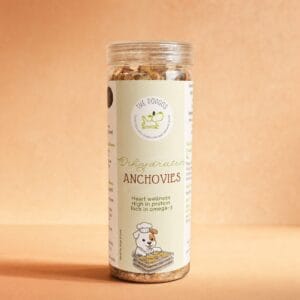
For optimal feline urinary health in India, the best approach involves a moisture-rich, homemade diet featuring gently cooked fish, supplemented with essential Omega-3s and taurine. This method ensures hygiene, provides crucial hydration, and delivers balanced nutrition without the fillers found in many commercial wet foods. Incorporating high-quality Dehydrated Anchovies provides concentrated Omega-3s and other vital nutrients.
Why Urinary Health is a Cat Parent’s Top Concern
Cats, by nature, are desert animals. They have a naturally low thirst drive. This genetic trait, combined with a diet of dry kibble (which is only 10% moisture), often leads to chronic dehydration. This dehydration concentrates their urine, making them highly susceptible to conditions like Feline Lower Urinary Tract Disease (FLUTD), urinary crystals, bladder stones, and painful infections.
These issues are not just uncomfortable. They can be life-threatening if a blockage occurs. As obligate carnivores, cats need a diet that mimics their natural prey: high in protein, moderate in fat, and, critically, high in moisture. That means moving away from dry, processed foods and towards fresh, hydrating meals.
The Role of Diet in Feline Urinary Health
A cat’s diet directly impacts their urinary system. Here’s why:
- Hydration: Fresh food, especially gently cooked fish, is typically 70-80% water. This drastically increases your cat’s daily fluid intake, diluting urine and reducing the risk of crystal formation.
- Balanced Minerals: The right balance of minerals, particularly magnesium, phosphorus, and calcium, is crucial. Commercial foods can sometimes have imbalances that contribute to stone formation. Homemade diets allow for better control.
- Taurine: This essential amino acid is vital for heart health, vision, and overall feline well-being. A taurine deficiency can indirectly impact organ function, including kidneys. Fish and organ meats are excellent natural sources.
- Omega-3 Fatty Acids: These powerful anti-inflammatory agents can reduce inflammation in the bladder and urinary tract, easing discomfort and supporting recovery from infections.
Why Commercial Wet Foods Often Fall Short in India
While commercial wet foods are a step up from kibble in terms of moisture, they often come with their own set of challenges, especially in the Indian market:
- Questionable Ingredients: Many brands use by-products, fillers, artificial flavours, and preservatives that offer little nutritional value and can even trigger sensitivities.
- Cost: High-quality, imported wet foods can be prohibitively expensive for daily feeding, making a sustainable long-term solution difficult for many Indian households.
- Availability: Specific veterinary urinary diets might not always be readily available or affordable across all parts of India.
- Palatability: Some cats are notoriously picky. If they don’t like the taste, even the most expensive wet food is useless.
This is why I advocate for a fresh, homemade approach, complemented by targeted supplements.
The Power of Fish for Cat Urinary Health
Fish is an excellent choice for your cat’s diet, particularly when focusing on urinary health. Here’s why:
- High-Quality Protein: Fish provides highly digestible protein, essential for maintaining muscle mass and overall health in obligate carnivores.
- Rich in Omega-3s: Small, oily fish like anchovies and sardines are packed with EPA and DHA, powerful anti-inflammatory Omega-3s. These fats are critical for reducing inflammation in the urinary tract, promoting kidney health, and supporting a healthy immune system.
- Natural Taurine Source: Many types of fish, especially darker meats and organ meats (if included), are good sources of taurine, which is non-negotiable for feline health.
- Palatability: Most cats adore fish! This makes it easier to transition them to a healthier, moisture-rich diet.
However, the key is knowing how to prepare it safely, especially given the hygiene standards of Indian wet markets.
Mahiv’s Practice: A Delhi Cat’s Turnaround
I once had a client in Delhi whose beautiful Persian cat, Snowy, was suffering from recurrent FLUTD. Her owners were spending a fortune on prescription kibble and vet visits, but the issues kept returning. Snowy was lethargic and her coat was dull. We switched her to a diet of gently pressure-cooked fish (rohu or surmai) with a tiny bit of steamed pumpkin, and crucially, we added 5-6 Dehydrated Anchovies to her bowl daily, soaked in a little water to add moisture. Within three weeks, Snowy’s litter box habits normalised, her energy returned, and her coat regained its lustre. It was a clear testament to the power of moisture and balanced nutrition.
The Doggos Method: Safe Fish for Your Cat’s Bowl
Just like with chicken, the Indian context demands a specific approach to feeding fish. While the concept of raw feeding biologically appeals to me, the reality of Indian wet markets and household hygiene makes it a risky proposition for raw meat or fish.
- Source Smart: Buy fresh fish from a reputable local vendor.
- Clean Thoroughly: Wash the fish meticulously under running water.
- Gently Cook: Pressure cook the fish for 1-2 whistles, or steam it until flaky. This kills any surface bacteria like Salmonella or E.coli, which are prevalent in our humid climate.
- DEBONE Completely: This is non-negotiable. Cooked fish bones, like chicken bones, can become brittle and splinter into sharp fragments, posing a severe choking hazard or causing internal damage.
- Chop and Serve: Flake the cooked fish and mix it with a little of its cooking broth for extra moisture.
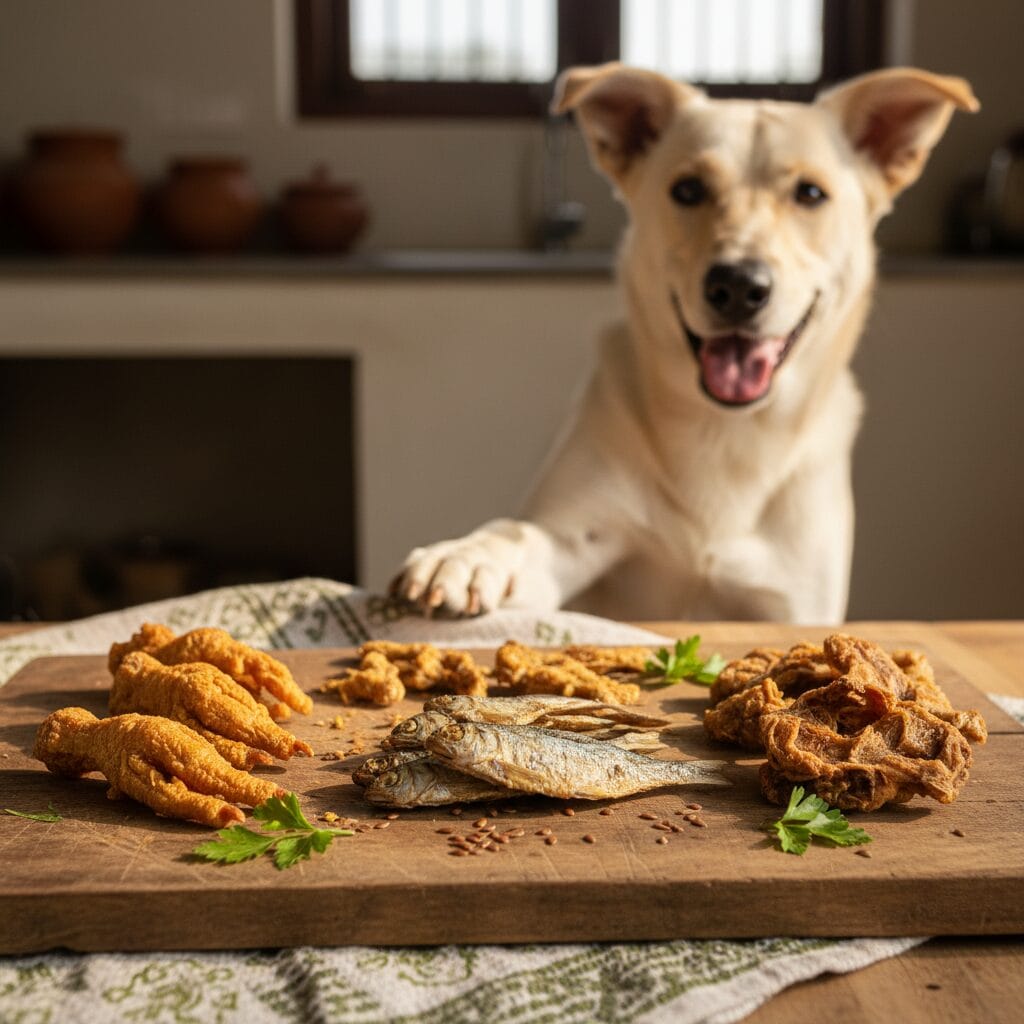
This homemade, cooked fish can form the base of your cat’s urinary health diet. To ensure optimal Omega-3s and other micronutrients, I recommend supplementing with Dehydrated Anchovies.
Dehydrated Anchovies: The Ultimate Fish Supplement for Cat Urinary Health
For cat parents seeking the best fish-based wet food for cat urinary health in India, Dehydrated Anchovies are an indispensable addition to any homemade diet.
Why Anchovies?
- Omega-3 Powerhouse: Anchovies are incredibly rich in EPA and DHA, essential fatty acids that reduce inflammation throughout the body, including the urinary tract. This is crucial for cats prone to FLUTD. You can read more about the benefits of Omega-3s for cats in my guide Best Omega-3 & Fish Oil for Indian Cats: Taurine + DHA.
- Taurine Rich: As a whole prey item (when dehydrated), anchovies naturally contain taurine, which is vital for your cat’s heart and eye health.
- Low on the Food Chain: Anchovies are small, short-lived fish that feed on plankton. This means they have minimal bioaccumulation of heavy metals like mercury, making them a safer choice than larger predatory fish like tuna or mackerel.
- Added Moisture: When added to a homemade fish meal, or even soaked briefly in water, they contribute to the overall moisture content of the meal, supporting hydration.
- Convenient & Safe: Our dehydrated anchovies are air-dried at low temperatures, preserving nutrients without the hygiene risks of raw fish or the splintering hazard of cooked bones. They are also odour-controlled, making them easy to handle, even for vegetarian households.
How to Incorporate Dehydrated Anchovies
For an average 3-4 kg adult cat, I recommend 3-5 Dehydrated Anchovies per day, crushed or added whole to their gently cooked fish meal. For extra moisture, you can soak them in a teaspoon of warm water for a few minutes before adding. This ensures they are soft and easily digestible.
You can also consider adding Dehydrated Sardines for variety, which offer similar benefits, or our Bone and Organ Boost for an extra dose of taurine and essential minerals.
Common Mistakes Indian Cat Parents Make
Navigating cat nutrition in India means avoiding certain common pitfalls:
- Exclusive Kibble Diet: The biggest mistake. Kibble is extremely dry and often leads to chronic dehydration and subsequent urinary problems.
- Feeding Raw Wet Market Fish: While raw can be biologically appropriate in ideal conditions, the bacterial load in Indian wet markets is too high to risk feeding raw fish directly to your cat at home. Cross-contamination is a real concern.
- Feeding Cooked Fish Bones: Never, ever feed cooked bones (fish or otherwise). They become brittle and dangerous.
- Ignoring Water Intake: Always ensure multiple fresh water sources, but remember that food-based moisture is far more effective for cats.
- Over-reliance on Dairy: While some cats tolerate small amounts of curd, it shouldn’t be a primary source of hydration or nutrition, and many are lactose intolerant.
The Doggos Difference: A Holistic Approach
My philosophy, as a certified canine nutritionist and author of “The Desi Carnivore,” extends to our feline friends. Cats are true obligate carnivores, and their bodies are designed for a meat-rich, moisture-dense diet. By moving away from highly processed foods and towards fresh, gently cooked meals, supplemented with functional treats like Dehydrated Anchovies, you are giving your cat the best chance at a long, healthy life, free from preventable urinary issues.
For more insights into species-appropriate nutrition, consider reading about my journey and philosophy.
Frequently Asked Questions About Cat Urinary Health & Fish
Is fish good for cats with urinary problems?
Yes, fish can be very good for cats with urinary problems, primarily because it’s a high-moisture protein source that helps dilute urine. Small, oily fish like anchovies are also rich in anti-inflammatory Omega-3 fatty acids, which can reduce bladder inflammation and support overall urinary tract health. However, fish must be gently cooked and completely deboned for safety, especially in India.
What fish is best for cats with urinary issues?
For cats with urinary issues, small, short-lived, oily fish like anchovies and sardines are ideal. They are packed with Omega-3s (EPA and DHA) and have low levels of heavy metals. They also provide excellent protein and can be easily incorporated into homemade meals or fed as dehydrated supplements to boost moisture and essential fats.
Can a fish-based diet prevent cat urinary stones?
A properly formulated fish-based diet, rich in moisture and balanced in minerals, can significantly reduce the risk of urinary stone formation in cats. The high moisture content helps to dilute urine, making it less concentrated and reducing the likelihood of crystals forming. Omega-3s from fish also help reduce inflammation, further supporting a healthy urinary tract.
How much fish should I feed my cat for urinary health?
For an average adult cat (3-4 kg), a daily meal could consist of 50-70g of gently cooked, deboned fish (like rohu, surmai, or mackerel), mixed with some cooking broth. Supplement this with 3-5 Dehydrated Anchovies daily to ensure adequate Omega-3s and taurine. Always introduce new foods slowly and monitor your cat’s response.
Is homemade fish wet food safe for cats in India?
Homemade fish wet food can be very safe and beneficial for cats in India, provided it’s prepared correctly. This means sourcing fresh fish, thoroughly washing it, gently pressure cooking it to eliminate pathogens common in our humid climate, and meticulously deboning it to prevent splintering. Never feed raw fish from Indian wet markets due to high bacterial risks.
Support Your Cat’s Urinary Health with The Doggos
Moving your cat towards a fresh, species-appropriate diet is one of the best choices you can make for their health, especially for preventing and managing urinary issues. By focusing on moisture-rich, gently cooked fish and supplementing with high-quality, functional treats like our Dehydrated Anchovies, you’re providing a complete solution tailored for the Indian home.
Explore our range of natural pet products to find the perfect additions to your cat’s diet and ensure their urinary health is always a priority.