Expecting puppies is an exciting time, but it also brings immense nutritional demands for your dog. In India, providing the right diet for a pregnant or nursing dog goes beyond just increasing portion sizes. It requires specific nutrients, safety considerations, and a deep understanding of what truly supports both mother and developing pups.
Quick Answer: Best Food for Lactating Dog India
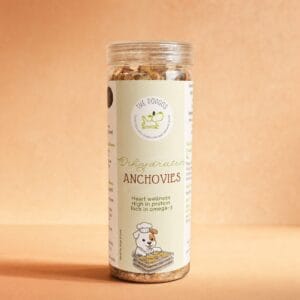
For lactating and pregnant dogs in India, the best approach involves a gently home-cooked, meat-rich diet balanced with essential calcium and organ meats. Focus on easily digestible proteins like chicken or goat, supplemented with vital Bone and Organ Boost for crucial taurine, iron, and calcium, and Omega-3 rich additions like Dehydrated Anchovies or Hemp Seed Oil to support healthy development.
Why Nutrition Matters for Pregnant and Nursing Dogs in India
A pregnant dog, especially during the last trimester, is not just eating for one, but for an entire litter. Her body undergoes incredible changes, demanding significantly more calories, protein, and specific micronutrients. This demand only intensifies during lactation, where milk production can burn up to four times her normal energy needs.
In India, where commercial kibble often falls short on quality and fresh food is abundant, this period is critical. Feeding a diet primarily of rice and roti, as many Indian households do, will simply not provide the dense nutrition required. This can lead to complications for the mother, like eclampsia (a life-threatening calcium crash), poor milk quality, and even stunted growth or health issues in her puppies.
My philosophy, “Cook the Meal, Dehydrate the Bone,” is especially important here. Raw feeding, while biologically appropriate in concept, carries too high a risk of bacterial contamination from Indian wet markets, which can be devastating for a pregnant dog and her vulnerable pups. Gentle cooking ensures safety, while dehydrated bones provide safe, absorbable calcium.
Essential Nutrients for Breeding Bitches
Understanding the key nutrients your pregnant or nursing dog needs is the first step to a successful litter.
- Protein: Crucial for tissue development in pups and milk production for the mother. Aim for high-quality, digestible animal proteins like chicken, goat, or quail.
- Fats: A concentrated source of energy, vital for meeting the increased caloric demands. Animal fats from skin-on chicken or goat are excellent. Omega-3 fatty acids (DHA) are also paramount for brain and eye development in puppies.
- Calcium & Phosphorus: The absolute bedrock for skeletal development in pups and maintaining the mother’s bone density. The ideal Calcium:Phosphorus ratio is 1.2:1. Without adequate calcium, the mother’s body will leach it from her own bones, leading to severe health issues.
- Taurine: An essential amino acid, especially for heart health. Organ meats are rich in taurine, which is often lacking in muscle-meat-only diets.
- Vitamins & Minerals: A broad spectrum, including Vitamin A (for vision and immune function), B vitamins (energy metabolism), and Iron (for red blood cell formation, preventing anaemia).
Nutritional Needs by Stage
The dietary requirements change significantly throughout pregnancy and lactation. This table provides a general guideline:
| Stage | Dietary Focus | Key Nutrients | Calorie Needs (vs. normal) |
|---|---|---|---|
| Breeding/Early Pregnancy (Weeks 1-4) | Balanced, high-quality, species-appropriate diet | Protein, balanced fats | Normal |
| Mid-Pregnancy (Weeks 5-6) | Gradual increase in nutrient density | Protein, healthy fats, calcium | 15-25% increase |
| Late Pregnancy (Weeks 7-9) | Highest nutrient density, easily digestible | Protein, calcium, Omega-3, calories | 30-60% increase |
| Lactation (Peak: Weeks 3-5 Post-whelping) | Extremely high energy, protein, calcium for milk production | Protein, fats, calcium, taurine, water | 200-400% increase (depending on litter size) |
Safe Home-Cooked Meals for Expecting Mothers
A fresh, home-cooked diet is superior to kibble for pregnant and lactating dogs. Here’s how I recommend preparing it:
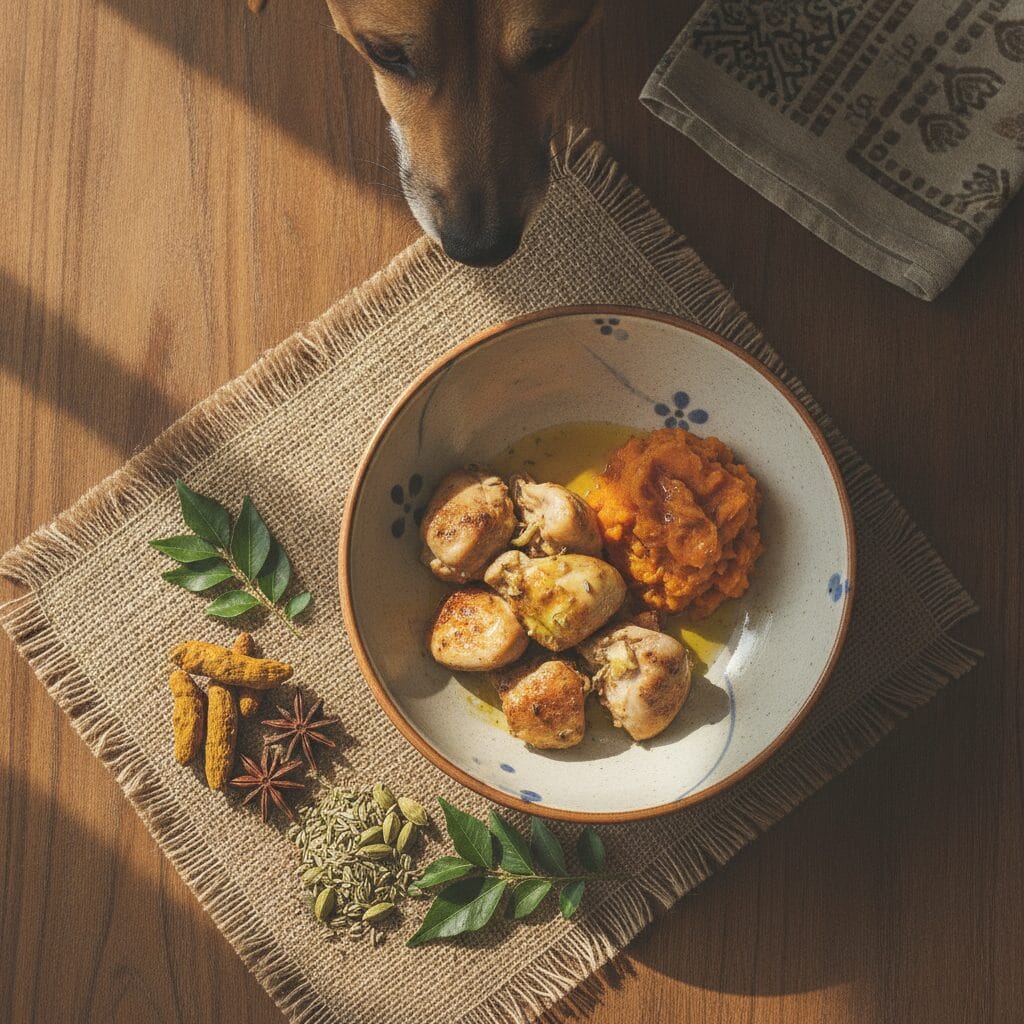
- Protein Powerhouse: Use human-grade chicken thighs (skin-on for extra fat and taurine), goat (leaner, great for recovery), or even whole quail for a novel protein. Pressure cook until thoroughly done. This is non-negotiable for hygiene in India.
- Debone Safely: After cooking, ALWAYS debone the meat completely. Cooked bones become brittle and can splinter, causing fatal internal injuries. This is a common, dangerous mistake many Indian pet parents make. For safe calcium, we turn to dehydrated options.
- Organ Meat Inclusion: Liver (chicken or goat) is a powerhouse of Vitamin A, iron, and B vitamins. Heart is rich in taurine. Aim for about 5-10% of the total meal.
- Fibre & Micronutrients: Add small amounts of easily digestible vegetables like red pumpkin, green beans, or sweet potato (cooked and mashed).
- Hydration: Fresh food is already 70% water, but always ensure fresh water is available.
Remember, the goal is nutrient density without overwhelming the dog’s stomach, especially in late pregnancy when abdominal space is limited.
The Role of Bone and Organ Boost in Maternal Health
This is where our Bone and Organ Boost becomes an indispensable ally for pregnant and nursing dogs. As a certified canine nutritionist, I cannot stress enough the importance of balanced calcium and the rich nutrient profile found in organ meats during this critical phase.
Our Bone and Organ Boost provides a concentrated source of highly bioavailable calcium and phosphorus, perfectly balanced at the crucial 1.2:1 ratio. This means no guesswork for you. It prevents the risk of calcium deficiency in the mother, which can lead to eclampsia, and supports the strong skeletal development of the puppies. But it’s more than just calcium. It’s packed with:
- Taurine: Essential for the mother’s heart health and crucial for proper development of the puppies’ heart and eyes.
- Iron: Vital for red blood cell production, preventing anaemia in the mother, which is common during pregnancy and lactation due to increased blood volume and nutrient demands.
- Vitamins A, D, E, K, and B-complex: A natural multivitamin from liver, kidney, and other organ meats, far superior to synthetic versions.
Simply sprinkle the recommended amount of Bone and Organ Boost over your dog’s daily cooked meals. It’s a convenient, safe, and effective way to ensure she gets the complete nutrition she needs without the risks of feeding cooked bones or the unknowns of synthetic supplements.
From Mahiv’s Practice: I once consulted for a Rajapalayam in Chennai struggling with low milk supply and lethargy after delivering a large litter. Her owner was feeding a chicken and rice diet. We immediately introduced a daily scoop of Bone and Organ Boost and increased her overall protein. Within a week, her energy levels soared, and milk production improved significantly. This isn’t just theory, it’s consistent observation in real Indian households where quality nutrition can be a challenge.
Balancing Fats: Omega-3 for Healthy Pups and Mum
Commercial chicken in India is often high in Omega-6s due to corn and soy feed, leading to an imbalanced Omega-6:3 ratio. This can cause inflammation. During pregnancy and lactation, Omega-3s, particularly DHA, are non-negotiable.
- Brain & Eye Development: DHA is a critical building block for the brain and retina of developing puppies. Providing ample DHA to the mother ensures it passes through the placenta and into her milk.
- Anti-inflammatory: Omega-3s help manage inflammation, supporting the mother’s immune system and recovery post-whelping.
My top recommendations for safe, high-quality Omega-3s for Indian dogs are Hemp Seed Oil or Dehydrated Anchovies. Hemp Seed Oil offers a balanced Omega profile with anti-inflammatory GLA, while anchovies are rich in DHA and EPA with no heavy metal risk. You can learn more about choosing the right option in our guide to Best Omega 3 Supplements for Dogs in India.
Avoid These Foods During Pregnancy and Lactation
Just as important as what to feed is what to avoid:
- Raw Meat: As discussed, the risk of pathogens like Salmonella and E.coli is too high in Indian conditions, posing a serious threat to the pregnant mother and her pups.
- Cooked Bones: They splinter and are lethal. Stick to dehydrated bones for calcium. For more on bone safety, read our guide Can Dogs Eat Bones?
- Excessive Starches/Grains: While a small amount of cooked rice or sweet potato can be used as a filler, a diet heavy in grains strains the pancreas and dilutes nutrient density, which is counterproductive during pregnancy.
- High-Sugar Treats: Biscuits like Parle-G or Marie are empty calories, offer no nutritional value, and can contribute to gestational diabetes or unwanted weight gain.
- Certain Herbs/Supplements: Always consult with a canine nutritionist or vet before introducing any new herbs or supplements during pregnancy, as some can induce labour or have adverse effects.
Practical Feeding Schedule & Tips
Here’s a simplified protocol for feeding your pregnant or lactating dog:
- Early Pregnancy (Weeks 1-4): Maintain her normal, balanced diet. No need for significant changes yet.
- Mid-Pregnancy (Weeks 5-6): Gradually increase meal portions by 15-25%. Divide her daily food into 2-3 smaller meals to aid digestion.
- Late Pregnancy (Weeks 7-9): Increase food intake by 30-60%. Feed 3-4 smaller, highly digestible meals throughout the day. This stage is crucial for puppy growth.
- Lactation (Post-Whelping): This is the most demanding phase. Offer food free-choice if possible, or 4-5 large meals a day. Her appetite will dictate the amount, but expect her to eat 2-4 times her normal intake, especially for large litters.
- Always Add Bone and Organ Boost: Start adding this from mid-pregnancy and continue through lactation. Follow dosage instructions on the pack, adjusting slightly for very large litters.
- Hydration is Key: Always have multiple bowls of fresh water available. Milk production is water-intensive.
- Transition Slowly: When weaning puppies, gradually reduce the mother’s food intake over a week or two to help her milk dry up naturally.
Common Mistakes Indian Pet Parents Make
In my experience, many well-meaning Indian pet parents inadvertently jeopardise their pregnant or nursing dog’s health due to common misconceptions:
- “Just Add More Rice”: This is the most frequent mistake. While convenient, adding more rice simply increases carbohydrate intake without providing the essential protein, calcium, and fats needed for reproduction.
- Feeding Cooked Bones: The belief that cooked chicken bones are a good source of calcium. They are not. They are a severe choking and perforation hazard.
- Ignoring Calcium Needs: Many assume meat alone provides everything. Meat is rich in phosphorus but low in calcium. Without a dedicated calcium source, the mother’s body sacrifices her own bones.
- Lack of Organ Meats: Skipping liver or heart in the diet, missing out on crucial vitamins, iron, and taurine.
- “Heat” Myth Misinterpretation: Avoiding chicken or eggs due to the Ayurvedic “heat” concept. The actual issue is often Omega-6 inflammation, which can be balanced with cooling Hemp Seed Oil or fish, not by removing vital protein.
Frequently Asked Questions About Feeding Pregnant & Nursing Dogs
Q1: How much food should I give my pregnant dog in India?
During early pregnancy (weeks 1-4), maintain her normal diet. From week 5 onwards, gradually increase her food intake, reaching 30-60% above normal by late pregnancy (weeks 7-9). During lactation, she may need 2-4 times her normal intake, depending on litter size. Always divide into smaller, more frequent meals.
Q2: Can I feed my lactating dog only chicken and rice?
While chicken provides protein, a diet of only chicken and rice is nutritionally incomplete for a lactating dog. It lacks sufficient calcium, balanced fats, and vital organ-derived nutrients like taurine and iron, which are critical for both mother and puppies. Supplement with Bone and Organ Boost and Omega-3 sources.
Q3: What are the signs of calcium deficiency (eclampsia) in a nursing dog?
Eclampsia is a medical emergency. Signs include restlessness, panting, muscle tremors, stiffness, difficulty walking, fever, and seizures. If you observe these symptoms, seek immediate veterinary attention. Proper calcium supplementation from mid-pregnancy through lactation, such as with Bone and Organ Boost, helps prevent this.
Q4: Are commercial dog foods good for pregnant dogs?
Most commercial kibbles are not ideal. They are often high in carbohydrates, low in moisture, and use lower-quality ingredients, which can be hard to digest and lack the dense, bioavailable nutrients a pregnant or nursing dog desperately needs. A fresh, home-cooked diet with appropriate supplements is always superior.
Q5: When should I start increasing food for my pregnant dog?
You should start gradually increasing your pregnant dog’s food intake around week 5 of her pregnancy. The most significant increase will be in the last three weeks of gestation and throughout the lactation period.
Nourish Your Mother Dog with The Doggos
Ensuring your pregnant or nursing dog receives optimal nutrition is the best investment you can make for a healthy mother and thriving puppies. Move beyond generic advice and embrace a diet rooted in biology and adapted for the Indian context.
Our Bone and Organ Boost is specifically formulated to bridge the crucial nutritional gaps during this demanding period, providing essential calcium, iron, and taurine in a safe, digestible form. Combined with a balanced, home-cooked diet and healthy fats like Hemp Seed Oil or Dehydrated Anchovies, you can support your dog through one of the most vital stages of her life.
For more insights into canine nutrition and health from a certified expert, feel free to visit my author page.