![Best Grooming & Skin Care for Rottweiler in India [2026]](https://thedoggos.in/wp-content/uploads/2026/03/best-grooming-skin-care-rottweiler-india-featured.jpg "Best Grooming & Skin Care for Rottweiler in India [2026] 1")
Your Rottweiler, with that magnificent, powerful build and sleek, dark coat, might look indestructible, right? But here’s the thing. Underneath all that muscle, a lot of Indian Rottweilers actually struggle with sensitive skin, persistent itching, and dull coats. Often, people just brush it off as “oh, it’s just a breed thing” or “yaar, it’s the heat.” Honestly? Most of the time, it’s not. No. Most skin and coat problems come straight from what goes *into* their food bowl. And how we look after them every day.
So, what’s the best grooming and skin care for a Rottweiler in India? **The best skin and coat care for your Rottweiler starts from the inside, with a proper, freshly cooked, balanced diet. One that tackles that nasty Omega-6 inflammation we see so much of in commercial Indian chicken. And look, this good food base, along with smart grooming (think regular brushing, gentle bathing, and targeted help from natural stuff like Baobab oil) – that’s what’ll really change their skin and coat. It’ll make them tough. Able to handle India’s tricky climate.**
***
Understanding Your Rottweiler’s Skin & Coat in India
Rottweilers usually have a short, dense double coat. The outer coat is medium-length, coarse, and lies flat, while the undercoat is soft and present on the neck and thighs. This double coat, designed for protection in cooler places, can become a real headache in India’s humidity and heat.
**Why it matters in India:**
* **Shedding:** Rottweilers shed moderately to heavily, especially when seasons change. In India, this can feel like it’s happening all year because our seasons aren’t always that distinct. Good grooming really helps keep this in check.
* **Heat & Humidity:** That dense undercoat? It can trap heat and moisture. Perfect conditions for fungal and bacterial infections to brew. That means hot spots, rashes, and lots of itching.
* **Skin Sensitivity:** Don’t let their robust look fool you. A lot of Rotties have surprisingly sensitive skin. They react to bad food, harsh chemicals, or even things in the environment.
Ignoring these issues won’t just mean a messy house. It’ll mean a miserable, itchy dog prone to chronic skin problems.
The Desi Carnivore Approach to Skin Health: It Starts from Within
You can brush and bathe your Rottweiler all day long. But if their diet isn’t right, you’re honestly just fighting a losing battle. At The Doggos, we truly believe proper skin health is built from the inside out. We call it the “Desi Carnivore” method.
The Omega-6 Inflammation Myth (What Indians Call “Heat”)
Okay, this is where I get on my soapbox. How many times have you heard, “Oh, chicken gives ‘heat’ to dogs, makes them itchy”? It’s a common thing in Indian homes, often making pet parents stop feeding amazing protein sources like chicken or eggs. But here’s the scientific truth: **what you’re seeing as “heat” is actually inflammation caused by too much Omega-6.**
Commercial Indian chicken, usually fed corn and soy, has an abysmal Omega 6:3 ratio. We’re talking 20:1, sometimes even 30:1. This just floods your Rottweiler’s body with things that cause inflammation. These show up as:
* Constant paw licking
* Red, angry skin
* Hot spots
* Ear infections that just keep coming back
* “Unexplained” itching and dandruff
Look, meat *does* have a high Thermic Effect of Food (TEF), meaning it generates some internal warmth when digesting. But those rashes and itching? They are definitely an inflammatory response, not thermal heat. Trust me on this.
Balancing the Bowl: The Non-Negotiable Omega-3s
To fight this, you **absolutely must** balance that Omega-6 overload in commercial chicken. This isn’t just an option; it’s essential for your Rottweiler’s skin health.
**Your Weapons of Choice:**
1. **Hemp Seed Oil:** This is the king of GLA (Gamma-Linolenic Acid). GLA is a rare Omega-6 that actually acts as an *anti-inflammatory*. It totally bypasses the usual fat processing, converting directly to Prostaglandin E1, which brings down inflammation and keeps the skin barrier nice and moist. If your Rottweiler has dry, cracking paws or dandruff, this is basically medicine. Plus, it’s plant-based, which is great for vegetarian households.
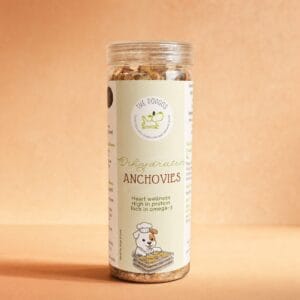
2. **Dehydrated Anchovies or Sardines:** These are Omega-3 powerhouses, packed with DHA and EPA. Crucially, they “eat low on the food chain,” meaning you don’t get heavy metal build-up like with bigger fish. They directly counteract those inflammatory Omega-6s, giving you a healthy, shiny coat and supple skin. They’re not just “toppers” – they’re “balancers.”
Add one of these to *every* chicken meal. It’s not about stopping chicken; it’s about making it complete.
The Calcium:Phosphorus Ratio: More Than Just Bones
Another super important dietary thing often missed in homemade diets is the Calcium:Phosphorus (Ca:P) ratio. Meat has a lot of phosphorus, but without enough calcium, your dog’s body will actually steal calcium from their own bones. Over years, this leads to osteopenia and “Rubber Jaw” syndrome. But it also impacts all their cells, including healthy skin and a good coat.
**The Desi Carnivore Solution: “Cook the Meal, Dehydrate the Bone”**
* **Cook the Meat:** For Indian homes, cooking meat (say, in a pressure cooker) is non-negotiable. You need to kill off pathogens like Salmonella and E.coli from local market produce.
* **Debone After Cooking:** **NEVER feed cooked bones.** High heat makes bones brittle. They shatter into sharp, jagged splinters that can literally perforate intestines – a fatal outcome. This is a common, dangerous mistake a lot of well-meaning Indian pet parents make.
* **Dehydrated Bones for Calcium:** This is our “Goldilocks” solution. Dehydration (low temperature, 20+ hours) keeps the bone’s porous structure. This means it crumbles safely into chalky powder when chewed, not sharp splinters.
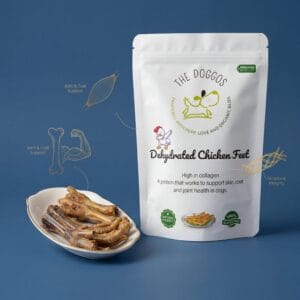
* **Dehydrated Chicken Feet:** An excellent source of calcium and a natural glucosamine/chondroitin supplement for strong joints.
* **Dehydrated Whole Quail:** Gives them whole-prey nutrition, including calcium, manganese, and even feathers for gut scrubbing.
Making sure you hit that 1.2:1 Ca:P ratio is fundamental for really robust health. And that totally shows up in their skin and coat.
Hydration is Key for Skin Elasticity
Dogs on fresh diets often drink less water. And that’s totally normal, by the way. Fresh food is about 70% water, compared to kibble’s tiny 10%. This high moisture content is brilliant for kidney health. And it directly contributes to hydrated, elastic skin, which means less flaking and cracking.
Grooming Essentials for Your Rottweiler in India
Beyond good food, consistent grooming is super important for managing your Rottweiler’s coat in India’s climate.
1. Brushing: Your First Line of Defence
Regular brushing is absolutely critical for Rottweilers, especially during shedding season.
* **Frequency:** At least 2-3 times a week. Daily when they’re shedding heavily.
* **Tools:** A rubber curry brush or a shedding blade works wonders for getting rid of loose hair and waking up those skin oils. A bristle brush can then spread these oils around for a healthy shine.
* **Benefits:**
* Removes dead hair and undercoat, preventing tangles and letting air get to the skin.
* Spreads natural skin oils, keeping the coat shiny and healthy.
* Massages the skin, boosting blood circulation.
* Lets you check for lumps, bumps, ticks, or skin irritations early on.
2. Bathing: Clean, Not Stripped
Bathing too often or using harsh shampoos can strip away your Rottweiler’s natural oils. This leads to dry, irritated skin.
* **Frequency:** Generally once every 4-6 weeks, or when they’re visibly dirty. More frequent bathing might be needed for very active dogs (my Lab goes crazy for muddy puddles!) or those with specific skin conditions. But always use a gentle, natural shampoo.
* **Products:** Always, always use a dog-specific, pH-balanced shampoo. Skip human shampoos entirely. Their pH is all wrong for dogs. Look for natural stuff like oatmeal, aloe vera, or neem.
* **Technique:**
1. Brush them really well *before* bathing to get rid of loose hair and tangles.
2. Use lukewarm water.
3. Work the shampoo into a lather, focusing on problem areas, but be careful around eyes and ears.
4. Rinse *thoroughly*. Shampoo left behind can cause itching and irritation.
5. Towel dry vigorously, then let them air dry in a warm, clean spot. Or use a low-heat pet dryer. Make sure that undercoat is totally dry to stop fungal growth.
3. Ear Care: A Hidden Hotspot
Rottweilers have drop ears. These can trap moisture and heat, making them prone to ear infections, especially in humid Indian weather.
* **Frequency:** Check their ears weekly. Clean them as needed.
* **Technique:** Use a vet-approved ear cleaner. Put a few drops in, gently massage the base of the ear, then wipe the visible part of the ear canal with a cotton ball or gauze. Never put anything deep into the ear canal.
* **Warning Signs:** Redness, swelling, a foul smell, lots of scratching, head shaking. See your vet if you spot any of these.
4. Nail Care: Pawsitively Important
Long nails can cause discomfort, mess with their walk, and even lead to paw injuries.
* **Frequency:** Trim every 2-4 weeks, or when you hear them clicking on the floor.
* **Technique:** Use sharp, dog-specific nail clippers. Only clip the very tip, avoiding the quick (that pink part with blood vessels and nerves). If you’re not sure, ask your vet or a professional groomer to show you how.
* **Paw Pad Care:** In India, hot pavements and rough ground can really take a toll on paw pads. Check them regularly for cracks, cuts, or anything stuck in them. Our Baobab Paw & Nose Balm is fantastic for keeping pads supple and stopping cracks.
Tackling Common Rottweiler Skin Issues in India
Even with the best food and grooming, some Rottweilers might still face specific skin challenges. Here’s how to tackle them with the Desi Carnivore toolkit.
1. Hot Spots (Acute Moist Dermatitis)
These red, raw, oozing lesions can pop up seemingly overnight. Often, they’re triggered by too much licking, insect bites, or trapped moisture. Rottweilers are particularly prone because of their dense coat.
* **Immediate Action:** Gently clean the area with a mild antiseptic (like diluted Povidone-iodine). Trim the hair around the hot spot to let it breathe.
* **The Doggos Solution:** Our Baobab Oil is a total game-changer. Unlike heavy oils that just sit on the surface, Baobab Oil has a lot of Palmitic and Oleic acid. This means it absorbs *into* the skin, mimicking the skin’s natural protective barrier. It helps heal from the inside out. Apply a few drops directly to the clean hot spot 2-3 times a day. We’ve seen hot spots dry up in just 24 hours. No kidding.
2. Fungal & Bacterial Infections (Ringworm, Pyoderma)
Humidity, bad food, and a compromised skin barrier make Rottweilers pretty susceptible to these.
* **Symptoms:** Redness, scaly patches, hair loss, crusts, a not-so-nice smell.
* **The Doggos Solution:** For a deeper clean and healing, our Baobab Therapy Mask is ideal. This detox clay mask, infused with Baobab, has powerful anti-fungal properties. Put it on the affected areas, let it sit for 15-20 minutes, then rinse gently. Regular use has completely gotten rid of fungal infections in 90 days. For really stubborn cases, a vet visit is a must, but Baobab can be a powerful helper here.
3. Allergies & Persistent Itching
If your Rottweiler is constantly scratching, licking paws, or getting ear infections again and again, allergies are a strong possibility.
* **Dietary Allergies:** Often triggered by common proteins or grains.
* **Solution:** Think about an elimination diet. Our Dehydrated Whole Quail is a fantastic novel protein. Your dog’s immune system has probably never seen quail, making it perfect for resetting their gut. Pair it with limited ingredients like steamed green beans and a tiny bit of Baobab Powder (prebiotic fibre) for a few weeks to see if things get better.
* **Environmental Allergies:** Pollen, dust mites, you know the drill.
* **Solution:** Regular bathing with a hypoallergenic shampoo helps wash away allergens from their coat. And supplementing with Hemp Seed Oil can significantly dial down the inflammatory response, bringing much-needed relief from the itching.
* **Further Reading:** If you’re really struggling with constant itching, I highly recommend reading my detailed guide: Why Is My Dog Always Itching?
4. Hyperkeratosis (Crusty Nose & Paw Pads)
This is when the skin gets thick and hard, often seen on the nose or paw pads.
* **The Doggos Solution:** Our Baobab Paw & Nose Balm is made specifically for this. Its rich, deeply penetrating oils, including Baobab, nourish and soften that hardened skin. Apply it daily. We’ve seen hyperkeratosis clear up in as little as two weeks. It’s pretty amazing.
Practical Section: The Rottweiler “Healthy Skin & Coat Bowl”
Let’s actually put this into action with a simple, yet powerful, recipe for your Rottweiler’s daily meal. This really focuses on balancing fats, giving them essential nutrients, and making sure they get enough calcium.
**The Desi Carnivore’s “Rottweiler Radiance Bowl”**
**Ingredients:**
* 500g Chicken Thighs (bone-in, skin-on for taurine)
* 50g Chicken Liver (super important Vitamin A for skin turnover)
* 100g Red Pumpkin (fibre, antioxidants)
* 1 tsp Turmeric Paste (natural anti-inflammatory)
* 1 tbsp Hemp Meal Balancer (for complete amino acids & prebiotics)
* 1 tsp Hemp Seed Oil (for Omega-3 balance)
* 1 Dehydrated Chicken Foot (for calcium & joint support)
**Instructions:**
1. Wash chicken thighs and liver really well with turmeric water (a natural antiseptic).
2. Combine chicken thighs, liver, and red pumpkin in a pressure cooker. Add just enough water to cover everything. Don’t forget the turmeric paste.
3. Pressure cook for 2-3 whistles (about 15-20 minutes) to make sure the meat is fully cooked and all those pathogens are gone.
4. Once cooled, **DEBONE** the chicken thighs. This is absolutely critical. Cooked bones are brittle and dangerous.
5. Mash the cooked pumpkin into the broth and shredded chicken.
6. Once the meal has cooled to a warm temperature, mix in the Hemp Meal Balancer and Hemp Seed Oil. These heat-sensitive ingredients shouldn’t be cooked.
7. Serve the meal. Offer the Dehydrated Chicken Foot separately as a functional chew, maybe after the meal or as a treat during the day. This gives them that essential calcium and glucosamine without any risk from cooked bones.
**Why this works for your Rottweiler:**
* **Cooked Chicken:** Safe and super digestible protein.
* **Hemp Seed Oil:** Balances Omega-6:3, cuts down inflammation, and promotes a healthy skin barrier.
* **Hemp Meal Balancer:** Makes sure they get a full range of amino acids, plus prebiotic fibre for gut health (and remember, gut health is totally linked to skin health).
* **Chicken Liver:** A powerhouse of Vitamin A, which is essential for cell turnover and skin health.
* **Dehydrated Chicken Foot:** Guarantees that critical Ca:P ratio and gives them natural glucosamine for joint support. So important for a big breed like a Rottweiler.
Remember, any diet change should be gradual. Follow our 7-Day Transition Protocol: Days 1-2: 75% old + 25% new. Days 3-4: 50/50. Days 5-6: 25/75. Day 7: 100% fresh. Expect some mucus in their stool around Day 3-4 as their gut sheds old lining – it’s normal. A pinch of Baobab Powder can really help settle their gut during this phase.
Common Mistakes Indian Rottweiler Parents Make
Based on my time as a canine nutritionist in India, here are the big pitfalls to avoid:
1. **Feeding Cooked Bones:** This is the absolute most dangerous mistake. Like I’ve stressed, cooked bones splinter. Please, **never** feed your Rottweiler cooked bones. Go for raw recreational bones (if you can handle the hygiene) or, even better, our safe dehydrated options like Mutton Trotters or Pig Bones.
2. **Relying on Kibble or Roti as a Primary Diet:** Kibble is super processed, has almost no moisture, and often comes loaded with inflammatory grains. Roti and rice as main meals lack complete protein, vital fats, and cause Omega-6 imbalance. This totally contributes to bad skin health and gut issues. Dogs don’t have amylase in their saliva; roti just hits their stomach undigested, straining the pancreas.
3. **Ignoring the Omega-6:3 Balance:** Believing that “chicken heat” myth and removing chicken entirely, instead of just balancing its fat profile, leaves your Rottweiler missing out on excellent protein and still inflamed by other things.
4. **Using Human Products for Grooming:** Our skin pH is different, full stop. Human shampoos, conditioners, and oils can cause severe irritation and strip away the natural protective barriers on your Rottweiler’s skin.
5. **Lack of Regular Brushing:** Especially in India’s climate, not brushing regularly leads to matting, trapped moisture, and skin problems. It’s a simple thing that makes a big difference.
6. **Over-Bathing or Under-Bathing:** Both extremes are bad. Find that sweet spot using gentle, natural products.
FAQ: Your Rottweiler’s Skin & Coat
Q1: How often should I bathe my Rottweiler in India?
**A1:** Generally, bathe your Rottweiler once every 4-6 weeks, or when they’re visibly dirty. Always use a dog-specific, pH-balanced shampoo. You might need to bathe more often for very active dogs or those with skin issues, but always make sure to rinse and dry them completely to avoid moisture-related problems.
Q2: Can I use coconut oil for my Rottweiler’s dry skin or hot spots?
**A2:** While coconut oil does have some good points, it’s a heavy oil that tends to just sit on the skin’s surface. This can potentially trap heat and clog pores, especially in India’s humid climate. For dry skin and hot spots, I really recommend our Baobab Oil. It absorbs right into the skin, healing from within without clogging anything up.
Q3: My Rottweiler is shedding a lot. Is this normal in India?
**A3:** Rottweilers are moderate to heavy shedders, and shedding can feel much more noticeable and happen all year round in India because our seasonal changes aren’t as distinct. Regular brushing (2-3 times a week, daily during heavy shedding) with a deshedding tool is crucial to manage this. A balanced diet rich in Omega-3s also really helps support a healthy shedding cycle.
Q4: What causes my Rottweiler’s hot spots, and how can I prevent them?
**A4:** Hot spots in Rottweilers often get triggered by too much licking (due to allergies, boredom, or pain), insect bites, or moisture caught in their dense coat. Preventing them means a balanced diet (especially Omega-3s to bring down inflammation), regular grooming to keep their coat dry and aired out, quick treatment of any allergies, and using natural topical solutions like our Baobab Oil for fast healing if one pops up.
Q5: Is a vegetarian diet suitable for my Rottweiler’s skin health?
**A5:** Absolutely not. Rottweilers, just like all dogs, are biologically carnivores. Their digestive system is made for meat, with a super acidic stomach (pH 1-2) and short intestines. A vegetarian diet for a Rottweiler is simply not complete nutritionally. It will inevitably lead to deficiencies that show up as poor skin and coat health, a weakened immune system, and long-term organ damage. For the best skin and overall health, a meat-based diet is non-negotiable.
***
Taking care of your Rottweiler’s skin and coat in India truly needs a full, well-rounded approach – a mix of the right food and smart grooming. By getting on board with “The Desi Carnivore” method, you’re not just giving them a shiny coat; you’re building their health from the ground up. Go check out our range of natural grooming products and hemp supplements, all made specifically for the unique needs of Indian dogs. And for more breed-specific tips, definitely look at our guide on Rottweiler grooming and skin care.
**Disclaimer:** While I am a certified canine nutritionist and offer evidence-based advice, this information isn’t a replacement for professional veterinary care. If your Rottweiler has a severe skin condition or illness, please talk to your veterinarian right away.