![best natural dog food for puppies india - Best Natural Dog Food for Puppies in India [2026]: A Healthy Start for Your Desi Pu](https://thedoggos.in/wp-content/uploads/2026/04/best-natural-dog-food-for-puppies-india-featured.jpg "Best Natural Dog Food for Puppies in India [2026]: A Healthy Start for Your Desi Pup 1")
That wiggly little bundle of joy just arrived, and suddenly, your whole world revolves around tiny paws, sharp teeth, and endless questions. What’s at the very top of that list? Probably, “What’s the absolute best natural dog food for puppies in India?” Believe me, I get it. As Mahiv Amit Chhabra, a certified canine nutritionist and the voice behind The Desi Carnivore, I’ve seen countless Indian pet parents grapple with this exact dilemma. You just want to give your pup the best start, na? But the advice out there can be super confusing, especially when you factor in our unique Indian challenges.
The Best Natural Dog Food for Puppies in India: A Quick Answer
The best natural dog food for puppies in India? Basically, it’s all about gently home-cooked, species-appropriate meats. Balance that with dehydrated bones for calcium, and don’t forget those vital Omega-3s. I call this the “Cook the Meal, Dehydrate the Bone” method. Why? Because it puts hygiene, complete nutrition, and safety first. This makes it just perfect for Indian homes, where, let’s be honest, raw feeding comes with some pretty big risks. So, picture human-grade chicken or goat, cooked, deboned, and then boosted with natural stuff like hemp seed oil and dehydrated chicken feet. That’s how you get optimal growth and development for your little one.
Why Your Indian Puppy Needs Natural Food: Beyond the Bowl
Look, let’s be blunt here: most commercial kibble isn’t just not great for a growing puppy, it’s often downright harmful. Your puppy, whether they’re a playful Indie you rescued from the street or a boisterous Labrador (my Lab goes crazy for this stuff, by the way), is biologically 99.9% wolf. And that’s not just some fun fact, is it? It’s the actual blueprint for their entire digestive system.
- Stomach pH: A puppy’s stomach, just like an adult dog’s, works at a super acidic pH of 1-2. This acid powerhouse is built to absolutely break down meat and bone, and totally kill off any nasty pathogens. But kibble, stuffed with starches and carbs, can actually make this pH go up. What happens then? Their stomach becomes way less effective at digesting things and way more prone to bacterial overgrowth. Not good, right?
- No Salivary Amylase: Unlike us humans, dogs don’t have amylase in their saliva. That means they can’t pre-digest carbohydrates at all. So, when you feed them highly processed kibble or even just a piece of roti, it basically hits their stomach “whole.” Poor pancreas has to work overtime, yaar.
- Short Digestive Tract: A dog’s intestines? They’re short. They’re built for quickly processing meat and soaking up nutrients, not for fermenting grains. This is exactly why kibble often leads to those big, really smelly stools; a lot of it just passes right through, undigested. Fresh food, though? It’s got an amazing 90-94% digestibility. That means smaller, firmer, less stinky stools and, crucially, maximum nutrient absorption.
For a growing puppy, who desperately needs every single nutrient for proper bone development, strong muscle growth, and sharp brain formation, feeding them a diet their body simply isn’t designed for? That’s a recipe for long-term health nightmares. Seriously. We’re talking about everything from annoying allergies and dull coat quality to serious skeletal problems and even cognitive decline down the line.
The Desi Carnivore Method for Puppies: Cook the Meal, Dehydrate the Bone
I champion a really unique, India-specific way of feeding puppies naturally. It’s an approach that totally respects their carnivorous biology, but also, crucially, acknowledges the everyday realities of our Indian homes. It’s called “Cook the Meal, Dehydrate the Bone,” and trust me, it’s built on solid safety and science.
Cooking the Meat: Safety First
I get it, the idea of raw feeding is super appealing. Biologically, it just makes sense. But, here’s the thing, in India, our “hygiene gap” is just massive. Our local wet markets, especially in humid cities like Mumbai or Chennai (I’ve seen some sights there, trust me), are basically breeding grounds for nasty bacteria like Salmonella and E.coli. Bringing raw, wet-market meat into your home, letting your puppy drag it onto your rugs, and then licking your face? That’s a cross-contamination risk I simply can’t ethically ignore. It’s just not worth it.
And for puppies, whose immune systems are still developing, this risk is even higher. So, gently home-cooking the meat, usually in a pressure cooker for a few whistles, totally kills off those harmful pathogens without wrecking the essential nutrients. Honestly, it’s a non-negotiable step for real peace of mind in an Indian household. No compromises.
Deboning: A Non-Negotiable Step
Okay, now here’s a big one. This is where a lot of well-meaning Indian pet parents make a seriously dangerous mistake: they pressure-cook chicken with bones and then just feed the whole lot. Let me be super clear: NEVER, EVER feed cooked bones to your puppy or adult dog. High heat, like what you get from a pressure cooker, makes bones brittle. They don’t magically soften; they shatter into nasty, jagged splinters that can so easily poke holes in your puppy’s delicate intestines. That can lead to fatal peritonitis, you know? This is an absolute, 100% no-go. Period.
So, after cooking your puppy’s meat (chicken thighs work great, for example), you absolutely MUST de-bone it thoroughly before mashing or serving. Yes, it might take a few extra minutes. But it’s beyond crucial for their safety, I promise you.
Dehydrated Bones: The Puppy’s Calcium & Dental Gold
Okay, so if cooked bones are dangerous, and raw bones are a hygiene nightmare, how on earth do we give our pups the essential calcium they need for those growing bones? The solution? Dehydrated bones and chews. Dehydration is this cool, low-temperature, really long process (we’re talking 20+ hours, minimum) that just gently pulls out all the moisture. This keeps the bone’s porous structure intact. And what that means is, dehydrated bones, totally unlike cooked ones, crumble into a safe, chalky powder when chewed. No splintering. Pure genius, right?
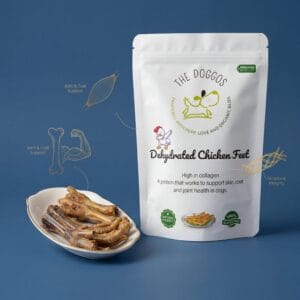
For puppies, Dehydrated Chicken Feet are just a fantastic option. They’re packed with natural glucosamine and chondroitin, which are super vital for joint development. Plus, their texture helps clean those developing puppy teeth, stopping plaque buildup right from the start. They’re basically a natural joint supplement and a toothbrush, all rolled into one! How cool is that?
The Two Golden Rules for Every Puppy Bowl
Beyond just tossing “natural” food into a bowl, truly great canine nutrition, especially for a rapidly growing puppy, really hinges on two super critical principles.
Rule #1: The Calcium Conundrum (1.2:1 Calcium:Phosphorus)
Okay, so meat? It’s loaded with phosphorus, but pretty low on calcium. If you feed your puppy a diet that’s just boneless meat (or the classic chicken and rice mix), you’re setting up a huge imbalance. And over time, what happens? Their body will literally start pulling calcium from their own bones to try and make up for it. That leads to seriously nasty developmental problems like rickets, osteopenia, and even “Rubber Jaw” syndrome. Gross.
This is why kibble companies dump in synthetic calcium, but honestly, we can do way better naturally.
For puppies, making sure they get a precise Calcium:Phosphorus ratio of 1.2:1 is absolutely paramount for proper bone and skeletal development. The easiest, and frankly, safest way to hit that ratio is through:
- Dehydrated Bones: Like I said before, Dehydrated Chicken Feet are amazing. Or, for slightly older pups, even Whole Dehydrated Quail works wonders. Ideal stuff.
- Eggshell Powder: This is a super simple, really cost-effective homemade choice. Just wash and dry eggshells, then grind them into a fine powder. Half a teaspoon gives you about 1000mg of calcium. Easy peasy.
Rule #2: Omega-3 for Brains & Brawn (Balanced Omega-6:3)
Here’s another big one: commercial Indian chicken. It’s so often fed a corn/soy-heavy diet, which ends up giving it a super skewed Omega-6 to Omega-3 ratio. We’re talking something crazy like 20:1 or 30:1, when a healthy pasture-raised chicken would be more like 7:1. And too many Omega-6s? They’re basically pro-inflammatory. This imbalance, even in little puppies, can show up as constant paw licking, that “unexplained” itching you can’t figure out, annoying hot spots, and even chronic ear infections. It’s a real problem.
For a puppy, a balanced Omega-3 intake is absolutely critical. We’re talking about brain development (which, hello, makes them easier to train!), eye health, and a super strong immune system. You simply MUST add Omega-3s to every single chicken meal. My absolute top recommendations are:
- Hemp Seed Oil: This is my personal absolute favourite for puppies. It’s not only loaded with Omega-3, but it also has GLA (Gamma-Linolenic Acid). That’s a rare Omega-6 that actually works as an anti-inflammatory. Think of it as direct medicine for developing skin barriers. And get this: it can even have a mild anxiolytic (calming) effect. Perfect for new puppies trying to settle into their homes, right? The Doggos Hemp Seed Oil is just a fantastic choice, honestly.
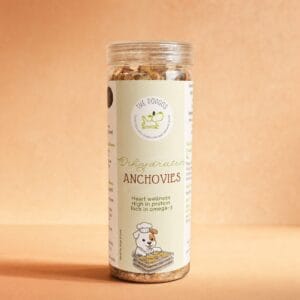
- Dehydrated Anchovies/Sardines: “Eating low on the food chain” is really key here. These small, short-lived fish, like anchovies and sardines, are absolutely packed with DHA. That’s crucial for brain development. And the best part? They don’t have those heavy metal bioaccumulation issues you find with bigger fish. Dehydrated Anchovies are super convenient and, thankfully, odour-controlled. No stinky kitchen!
These aren’t just some fancy “toppers” for your puppy’s food, by the way. Oh no. They’re absolutely essential “balancers” that actually prevent long-term inflammatory issues. Big difference.
Top Natural Ingredients for Your Growing Indian Pup
So, now that we’ve got the basic principles down, let’s dive into the powerhouse ingredients you’ll want for your puppy’s natural diet.
1. Chicken (Cooked & Deboned)
A super digestible, lean protein. Perfect for daily meals. Remember the drill, though: wash it with turmeric water, pressure cook, and then DEBONE it absolutely thoroughly. Chicken liver (keep it to 5-10% of the meal) is just excellent for Vitamin A and those all-important B vitamins.
2. Mutton (Goat)
Mutton, or goat meat, is often seen as a “warming” protein in Ayurveda. It’s absolutely fantastic for puppies, especially when they’re hitting those growth spurts or if they’re looking a little lean. It’s got more iron and zinc than chicken, which is crucial for healthy blood and immunity. And get this: a lot of dogs who are allergic to chicken actually do really well on goat because of its different protein structure. Good to know, right?
3. Quail (Whole Dehydrated)
This is a truly hypoallergenic “super-prey” for puppies. If your little one shows even a hint of allergies or sensitivities, whole dehydrated quail can be an awesome elimination diet protein. It gives them manganese for strong ligament health (super important for active breeds, by the way) and the feathers? They actually work as a natural “colon sweep,” which really helps with digestion and keeps those anal glands healthy. Who knew, right?
4. Anchovies/Sardines (Dehydrated)
Like we talked about, these little fish are total DHA powerhouses. They’re essential for your puppy’s developing brain and nervous system, which means better cognitive function and, guess what, easier trainability! Plus, the dehydrated versions are mess-free and super easy to just toss into their meal.
5. Hemp Seed Oil
This stuff is the ultimate anti-inflammatory fat for puppies. Its GLA content directly fights skin issues, helps give them a healthy, shiny coat, and just boosts overall vitality. And it’s also a gentle calming agent. So, perfect for those super excitable pups, you know?
6. Baobab Powder
A fantastic immune booster and a real gut health helper. It’s got 5-6 times more Vitamin C than oranges, so it really fuels collagen synthesis for strong ligaments and elastic skin. Super vital for a growing puppy! And its prebiotic fibre can actually help calm a puppy’s tummy down when you’re transitioning their diet.
| Ingredient | Key Benefit for Puppies | Why it Matters |
|---|---|---|
| Cooked Chicken/Goat | High-quality protein, essential amino acids | Muscle and tissue development, energy |
| Dehydrated Chicken Feet | Natural calcium, glucosamine & chondroitin | Strong bone and joint development, dental health |
| Hemp Seed Oil | Omega-3 (DHA/ALA), GLA | Brain development, anti-inflammatory, healthy skin & coat |
| Dehydrated Anchovies | DHA (Omega-3) | Cognitive function, vision, trainability |
| Baobab Powder | Vitamin C, Prebiotic Fibre | Immune system boost, collagen synthesis, gut health |
| Cooked Red Pumpkin/Sweet Potato | Fibre, Vitamins A & C | Digestive health, energy, antioxidant support |
Sample Puppy Meal Plan: The Golden Chicken Bowl & More
Getting started really doesn’t have to be complicated. Here’s how you can tweak our super popular “Golden Chicken Bowl” recipe for your puppy, making sure they get a balanced, delicious meal every time.
The Puppy Golden Chicken Bowl (Daily Staple)
- Ingredients: You’ll need 400g chicken thighs (bone-in, skin-on is great for taurine, but REMOVE THE BONE after cooking, please!), 50g chicken liver, 100g red pumpkin (or sweet potato works too), 1/2 tsp turmeric paste, 1 tsp Hemp Meal Balancer (or you can use 1/2 tsp Hemp Seed Oil), and 1-2 Dehydrated Chicken Feet (give these separately as a chew, not mixed in).
- Method: Just pressure cook the chicken thighs, liver, and pumpkin for about 2-3 whistles. Once it’s cooled down, DEBONE that chicken super thoroughly. Mash the pumpkin right into the broth, then shred the chicken and liver. Mix in your Hemp Meal Balancer or Hemp Seed Oil. Serve it up! And don’t forget to offer those Dehydrated Chicken Feet separately for a good chew session.
Transitioning Your Puppy to Natural Food
Puppies have pretty sensitive tummies, so a slow, gentle transition is absolutely key. Just follow my simple 7-Day Transition Protocol:
- Days 1-2: 75% old food + 25% new natural food.
- Days 3-4: 50% old food + 50% new natural food.
- Days 5-6: 25% old food + 75% new natural food.
- Day 7: 100% fresh, natural food.
Expect a bit of mucus in their stool around Day 3-4; totally normal, don’t worry. It just means your puppy’s gut is shedding its old lining. A little pinch of Baobab Powder can really help settle their tummy during this phase.
Feeding Schedule & Portion Sizes for Puppies
Puppies, naturally, need to eat more often than adult dogs. Here’s a quick general guideline:
- 8-12 weeks: 4 meals a day
- 3-6 months: 3 meals a day
- 6-12 months: 2 meals a day
Now, portion sizes? They vary a lot, depending on their breed, how active they are, and their individual metabolism. A good place to start is about 2-4% of your puppy’s ideal adult weight, split up across their daily meals. Always keep an eye on their body condition: you should easily feel their ribs, but definitely not see them sticking out. Adjust their food up or down as needed. For even more detailed guidance, go check out our full complete feeding guide or specific breed plans like the Labrador diet plan India.
Common Mistakes Indian Dog Parents Make with Puppy Food
Even with the best intentions, it’s so easy to fall into some common traps. For your puppy’s sake, please, just avoid these:
- Feeding Cooked Bones: As I’ve stressed, this is incredibly dangerous. Always, always de-bone after cooking. No exceptions.
- Roti/Chapati as a Mainstay: Look, a tiny bit as a treat might seem harmless, but roti is packed with maida (refined flour). And honestly, it can be a total gut disaster for dogs, causing inflammation and nutrient deficiencies. Your puppy just can’t digest it properly. Want to know more? Check out is roti good for dogs.
- Unbalanced Chicken & Rice: This is the absolute classic “Indian home diet” mistake, isn’t it? While chicken and rice *are* digestible, they are definitely not nutritionally complete. They totally lack essential calcium and have a really poor Omega-6:3 ratio. Over time, trust me, this will lead to big health problems.
- Over-reliance on Commercial Treats: So many commercial puppy treats are just loaded with sugar, maida, and all sorts of artificial stuff. Instead, go for single-ingredient dehydrated treats. Things like Dehydrated Chicken Feet or Dehydrated Anchovies make for super healthy rewards. Much better.
- Ignoring Hydration: If your puppy seems to be drinking less water on a fresh diet, don’t freak out! It’s totally normal. Fresh food is like 70% water, compared to kibble’s measly 10%. This is actually fantastic for their kidney health, believe it or not.
Frequently Asked Questions about Natural Dog Food for Puppies in India
Q: What is the best natural dog food for a 2-month-old puppy in India?
For a little 2-month-old puppy, the best natural dog food is all about gently home-cooked, deboned chicken or goat. Make sure it’s finely shredded or mashed, mix it with some cooked pumpkin or sweet potato, and always balance it with a really good Omega-3 source like Hemp Seed Oil. When they’re ready, you can start introducing very small pieces of Dehydrated Chicken Feet for chewing and calcium, but always keep an eye on them, okay?
Q: Can I feed my Indian puppy a vegetarian diet?
Absolutely not. Look, dogs are biologically carnivores, plain and simple. So, a vegetarian diet, especially for a rapidly growing puppy, is just totally inappropriate. It can actually lead to severe nutrient deficiencies, which you definitely don’t want. While some veggies are good for them, they really should only be a tiny part of a meat-based diet. Their digestive system simply isn’t built to get enough protein and essential amino acids from plants. It’s just not how they’re wired.
Q: How can I ensure my puppy gets enough calcium on a homemade diet?
To make sure your puppy gets enough calcium, you absolutely have to balance the phosphorus from their meat with a calcium source their body can actually use. The safest, and frankly, most effective way to do this is by giving them dehydrated bones, like Dehydrated Chicken Feet, which just crumble safely. Or, if you prefer, you can use finely ground eggshell powder (that’s about 1/2 tsp for every 1000mg of calcium) mixed right into their meals.
Q: Is raw feeding safe for puppies in India?
Look, while raw feeding conceptually totally aligns with a dog’s biology, the truth is, in India, it’s just not safe for puppies. The sheer amount of bacteria in Indian wet market meats, mixed with our humid climate and the very real household cross-contamination risks, creates a really big threat. Especially for those developing puppy immune systems. That’s why my “Cook the Meal, Dehydrate the Bone” method is a much safer, more hygienic option, trust me.
Q: What are the best natural treats for puppies in India?
Honestly, the best natural treats for puppies in India are those single-ingredient, dehydrated options that actually *do* something good for them. Dehydrated Chicken Feet are fantastic for joint health and keeping those teeth clean. Dehydrated Anchovies give them brain-boosting Omega-3s. And if you want a chew that lasts a bit longer, definitely consider Dehydrated Goat Ears. Just steer clear of commercial treats stuffed with sugar and fillers.
A Healthy Start for Your Desi Pup
Choosing the best natural dog food for puppies in India? That’s seriously one of the most impactful decisions you’ll ever make for their long-term health. By really embracing The Desi Carnivore method (cooking the meat for safety, deboning diligently, and using those functional dehydrated bones for calcium), you’re basically setting your puppy up for a lifetime of amazing vitality. And don’t forget to balance those Omega-6s with anti-inflammatory Hemp Seed Oil and boost their immunity with Baobab Powder. Give your desi pup the real food they deserve, yaar, and just watch them thrive. For even more detailed insights into canine nutrition, go ahead and explore my other articles, including my journey as a certified canine nutritionist.