
Running behind a perpetually hungry Labrador, begging for one more biscuit, is a rite of passage for every Indian Lab parent. But beneath that goofy, food-obsessed exterior often lie silent struggles: itchy skin, ear infections, and those all-too-common joint issues. What if I told you that the secret to a thriving, vibrant Labrador, free from these common ailments, isn’t in another expensive kibble bag, but in understanding their true carnivorous nature, adapted for our desi context?
So, what *does* a healthy Labrador diet in India look like? It’s all about a species-appropriate, fresh food approach, really: gently cooked meat, balanced with essential fats and calcium from dehydrated bones, and then topped off with some awesome Indian superfoods. Forget that generic kibble, honestly. Your Lab needs real, wholesome food that truly respects their biology and totally accounts for our unique Indian environment.
Why Labradors Need a Desi Carnivore Diet
Look, your Labrador, just like all dogs, is pretty much 99.9% wolf on the inside. Their biology? It just hasn’t evolved to process all that high-carb, processed kibble you see everywhere, or even the roti and rice that makes up so much of many Indian homemade diets. No, really. So, here’s why “The Desi Carnivore” method isn’t just good, it’s totally tailor-made for your beloved Lab:
- Powerful Stomach Acid: Your Lab’s stomach? It’s got this super powerful acid, a pH of 1-2. We’re talking a real acid bath, perfect for breaking down raw meat and bone, and just wiping out bacteria. That’s a huge difference from a human’s pH of 4-5, right? But here’s the thing: kibble, with all its carbs, actually bumps up this pH. That makes their gut way less efficient at digesting stuff and much less able to fight off any nasty pathogens.
- No Salivary Amylase: And get this, unlike us humans, dogs don’t make any amylase in their saliva. What does that mean? Basically, they can’t even start breaking down starches and grains in their mouth. So, when your Lab gulps down a piece of roti, it pretty much hits their stomach “whole.” That’s a lot of unnecessary strain on their pancreas, isn’t it?
- Short Intestinal Tract: Their intestines are short. Designed for quick processing of nutrient-packed meat, not for letting fibrous grains sit and ferment for days. Ever wonder why kibble often leads to those huge, stinky poops? Well, a lot of it just isn’t getting absorbed. But with fresh food, which is 90-94% digestible, you’ll see smaller, firmer, way less smelly poops. Trust me on this.
- Common Labrador Ailments are Diet-Related: Labradors are pretty famous for hip and elbow dysplasia, obesity, and those annoying skin allergies, aren’t they? And honestly, a lot of these problems get way worse because of inflammatory, nutrient-lacking diets. A fresh, balanced diet, loaded with bioavailable nutrients and anti-inflammatory Omega-3s, is truly your best defense. Period.
The “Cook the Meal, Dehydrate the Bone” Method for Labs
I’m a big fan of the “Cook the Meal, Dehydrate the Bone” approach. It’s just so perfectly suited for Indian households, you know? Now, don’t get me wrong, I totally love the *idea* of raw feeding, biologically speaking. But let’s be real: the reality of Indian wet markets and our often humid climate? Raw meat carries a big cross-contamination risk. And honestly, I can’t ethically just ignore that.
- Cook the Meat: So, gently home-cook your Lab’s meat (chicken, mutton, quail) in a pressure cooker. This step is super important, actually. It kills nasty bacteria like Salmonella and E.coli, which just love our warm, humid environment and are super common in Indian wet markets, especially if you’re buying from your local butcher. Think of it as a non-negotiable for keeping your home hygienic.
- NEVER Feed Cooked Bones: Okay, listen up: **NEVER, EVER Feed Cooked Bones.** This isn’t just advice; it’s a life-or-death warning, yaar. High heat, like what you get from pressure cooking, makes bones super brittle. They literally shatter into sharp, jagged splinters that can tear right through your Lab’s intestines, leading to fatal peritonitis. I’ve seen so many well-meaning Indian parents make this dangerous mistake without even knowing. So, please, debone *thoroughly* after cooking. Every single time.
- Dehydrated Bones for Calcium and Dental Health: Here’s our “Goldilocks” solution for bones. Dehydration, which is a low-temperature, super slow drying process (we’re talking 20+ hours), keeps the bones porous and totally safe. When your Lab chews these, they just crumble into a chalky powder. That gives them all that essential calcium without the dangerous splinter risk of cooked bones or the hygiene worries of raw ones. And bonus? They’re amazing for dental health, naturally scraping away plaque. Basically, they’re functional medicine!
Essential Nutrients for Your Labrador’s Health
Alright, let’s really break down what actually fuels your Labrador, shall we?
Protein: The Foundation
Protein, pure and simple, is the building block for your Lab’s muscles, tissues, enzymes, and hormones. So, high-quality, animal-based protein? It’s absolutely paramount. No compromises there.
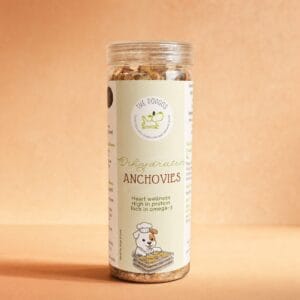
- Chicken: Chicken is a super digestible daily protein, for sure. BUT, here’s the catch: commercial Indian chicken is often fed corn or soy. This creates a massively inflammatory Omega-6:3 ratio, like 20:1 or even 30:1. And that, my friends, is exactly why so many Labs get those “heat” rashes, paw licking, and chronic ear infections. Seriously, it’s not “heat” in the traditional sense! The Desi Carnivore protocol: Always wash your chicken with turmeric water, pressure cook it, then **DEBONE COMPLETELY**. And here’s the crucial bit: you *must* balance that Omega-6 by adding Hemp Seed Oil or Dehydrated Anchovies to *every single* chicken meal. Don’t skip it.
- Mutton (Goat): Mutton (goat, basically)? I totally call this “recovery meat.” It’s leaner than commercial chicken and just packed with nutrients. We’re talking 3x the iron and 4x the zinc of chicken! So, it’s fantastic for Labs bouncing back from tick fever (helps rebuild platelets and red blood cells, you know), great for senior dogs with stiff joints, or just perfect during those cooler winter months. Plus, a lot of Labs with chicken allergies actually do wonderfully on goat because its protein structure is different. Go figure!
- Quail: Quail. Ah, the ultimate hypoallergenic “super-prey.” If your Labrador’s got those unexplained allergies or weird skin issues, a novel protein like quail can truly be a game-changer. Chances are, their immune system just hasn’t seen it before. And guess what? Whole Dehydrated Whole Quail also gives them manganese (super important for ligament health, helps prevent those nasty CCL tears) AND feathers. Yep, feathers! They’re insoluble keratin that acts like a natural “colon sweep,” scrubbing those intestinal walls and even helping with anal gland expression. Got a scooting Lab? Seriously, try a feather!
Fats: Balancing the Omega-6:3 for a Shiny Coat and Healthy Skin
Okay, this is where that whole “heat” myth finally gets busted. What Indian parents often call “heat” from chicken or eggs (attributing it to Ayurveda/TCM, you know) is, almost always, an Omega-6 inflammation spike. It’s not actually thermal heat at all. Not even close.
- The Problem: So, the problem? That imbalanced Omega-6:3 ratio in commercial chicken just floods your Lab’s body with inflammatory markers. And how does that show up? Hot spots, chronic ear infections, constant paw licking, and all that “unexplained” itching. It’s all connected, believe me.
- The Solution: The solution is simple, but crucial: You *must* add Omega-3 to every single chicken meal. My absolute go-to? Hemp Seed Oil. It’s basically the king of GLA (Gamma-Linolenic Acid), which is this rare Omega-6 that’s actually *anti-inflammatory*. It totally bypasses the usual fat processing issues in dogs with Atopic Dermatitis, directly bringing down inflammation and keeping their skin barrier nice and moist. Plus point, it’s plant-based, so no fishy smell for vegetarian households (my neighbour’s Lab owner loves this!), and it even has a mild calming effect – just perfect for anxious Labs during Diwali. Dehydrated Anchovies are another fantastic source of Omega-3 (DHA is super for brain health, remember?). These aren’t just “toppers,” guys. They’re “balancers” and functional medicine. Seriously.
- Baobab Oil: For topical skin issues, traditional oils like coconut or mustard? They can sometimes just sit on the skin, trap heat, and clog pores. Not ideal. But Baobab Oil, with its unique fatty acid profile, actually absorbs *right into* the epidermis, mimicking your Lab’s natural lipid barrier. I’ve personally seen it work wonders: eradicating fungal infections, reversing alopecia, drying up hot spots in a mere 24 hours, and sorting out hyperkeratosis (that crusty nose thing) in just a few weeks. It’s pretty incredible.
Calcium & Phosphorus: Building Strong Bones
Here’s another super critical, but often totally overlooked, aspect. Especially for a breed like Labradors, who are so prone to joint issues.
- The 1.2:1 Ratio: Meat gives them phosphorus, sure, but hardly any calcium. So you *absolutely must* make sure there’s a Calcium:Phosphorus ratio of 1.2:1 in your Lab’s diet. Seriously, a boneless home diet (think just chicken and rice) will slowly, but surely, leach calcium right out of your Lab’s own skeleton over the years. That leads to osteopenia and that dreaded “Rubber Jaw” syndrome. Nobody wants that, right?
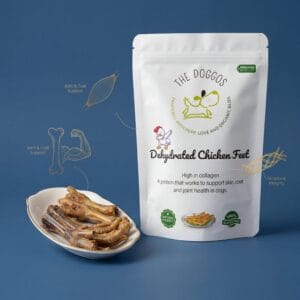
- The Fix: So, the fix? Start incorporating Dehydrated Chicken Feet (these are like a natural joint pill, packing about 450mg of glucosamine per foot!), Dehydrated Mutton Trotters, or Dehydrated Whole Quail. They give them biologically appropriate calcium and phosphorus. Of course, you *could* use calcium citrate or eggshell powder, but honestly, whole food sources are always, always the best. Always.
Carbohydrates: Less is More
Okay, so dogs *can* technically get some energy from carbs, but let’s be clear: their main fuel source is fat and protein. Too many carbs? That leads to inflammation, obesity, and it can even bump up their stomach pH, making them way more vulnerable to bacterial infections. Not what we want.
- Minimal Grains: If you absolutely have to include grains, go for tiny amounts of really well-cooked white rice (it’s easy to digest) or millet. And cook it thoroughly. No shortcuts.
- Healthy Veggies: Healthy veggies are totally fine though! Think red pumpkin, sweet potato, green beans, and spinach. They’re excellent for vitamins, minerals, and fiber. They give them all those essential micronutrients without the starch overload. Perfect.
- Say No to Roti and Biscuits: And please, whatever you do, **say NO to roti and biscuits.** Roti and those commercial biscuits like Parle-G or Marie? They’re just packed with maida (refined flour) and sugar. That stuff rots their teeth and causes all sorts of digestive issues. Instead, why not offer a Dehydrated Chicken Foot? It’s great for dental health and gives them proper functional nutrition. A win-win, right?
Labrador Diet Plan by Life Stage
Your Labrador’s nutritional needs? They definitely change as they grow. Makes sense, right?
Puppy Power: Fueling Growth (8 weeks to 12-18 months)
Little Labs growing up? They need more calories, protein, and calcium than adult dogs. Way more.
- Frequency: Aim for 3-4 meals a day for really young puppies (say, 8-16 weeks), then cut that down to 2-3 meals by about 6 months.
- Protein: Keep it lean, gently cooked chicken or mutton. Focus on muscle meat, with just a tiny bit of liver (about 5% of the meal) for that all-important Vitamin A.
- Calcium: This is absolutely crucial for bone development. Start introducing small pieces of Dehydrated Chicken Feet or finely ground eggshell powder. Get on it early.
- Omega-3s: Honestly, these are absolutely vital for brain development and making them trainable. Hemp Seed Oil or Dehydrated Anchovies? Totally non-negotiable for puppies. Seriously.
- Portion Control: Lab puppies can shoot up super fast, but overfeeding them? That means excessive growth, which can actually make hip and elbow dysplasia even worse. So, keep a close eye on their body condition. Always.
- Hydration: Fresh food is about 70% water, so your puppy might drink a bit less. Totally normal, and actually excellent for their kidney health!
Adult Agility: Maintaining Peak Health (1-7 years)
Adult Labs? They need a balanced diet to keep up that muscle mass, maintain great joint health, and stay at a healthy weight. Simple as that.
- Frequency: Just 2 meals a day now.
- Protein: Keep rotating chicken, mutton, and throw in some quail sometimes.
- Calcium & Joint Support: Including Dehydrated Chicken Feet or Mutton Trotters regularly? That’s key for joint health. Especially since they’re so prone to hip and elbow problems, you know.
- Weight Management: Labs are super prone to obesity, as we all know. So, portion control is absolutely critical. Use that high digestibility of fresh food to your advantage – they’ll actually feel fuller on less volume. Just adjust quantities based on how active they are, okay?
- Omega-3s: Still essential for keeping that skin barrier healthy and bringing down inflammation. This helps prevent all those common Labrador skin and coat issues. So, keep up with the Hemp Seed Oil or Dehydrated Anchovies daily. No slacking!
- Enrichment: Offer a Dehydrated Pig Bone or a Goat Ear a couple of times a week. It’s great for mental stimulation and helps keep their teeth clean too.
Senior Serenity: Supporting Ageing Joints and Minds (7+ years)
As Labs get older, their metabolism naturally slows down. And joint health? That becomes even *more* critical. Makes sense, right?
- Frequency: Still 2 meals a day, but maybe smaller portions if they’re not as active anymore.
- Protein: Go for easily digestible proteins like chicken and mutton. Mutton is especially good for senior Labs, by the way, with its high iron and zinc content. Really helps support their overall vitality.
- Joint Support: Definitely increase how often you give Chicken Feet. And think about adding Hemp Seed Oil for its anti-inflammatory GLA and all those great joint benefits.
- Cognitive Support: Omega-3s (especially DHA, which you get from Dehydrated Anchovies or Sardines) are super crucial for keeping their minds sharp and preventing Cognitive Dysfunction Syndrome. Can’t stress this enough.
- Digestibility: Go for softer textures and foods you can easily mash up. A little pinch of Baobab Powder can really help with digestion and give their immunity a boost.
- Weight Monitoring: Senior Labs can pack on weight super easily if they’re not as active. And that puts extra strain on their joints, obviously. So, adjust their calorie intake as needed.
Practical Section: Feeding Your Labrador the Desi Carnivore Way
Alright, so how do you actually put all this into practice? Let’s get practical.
My “Golden Chicken Bowl” for Labradors
This is what I call your daily “Golden Chicken Bowl.” It’s your staple, and super easy to scale for your Lab’s size and how active they are.
- 500g chicken thighs (bone-in, skin-on for taurine)
- 50g liver (chicken or goat) for Vitamin A and B vitamins
- 100g red pumpkin or sweet potato (fibre and vitamins)
- 1 tsp turmeric paste (anti-inflammatory)
- 1-2 tsp Hemp Meal Balancer (for complete amino acids and prebiotic fibre)
- 1-2 tsp Hemp Seed Oil (for Omega-3 balance) OR 1-2 Dehydrated Anchovies
Method:
- First off, wash that chicken *thoroughly*, ideally with turmeric water. It helps, trust me.
- Then, pressure cook the chicken, liver, and pumpkin for about 2-3 whistles. Easy peasy.
- Once it’s cooled down, and I can’t stress this enough, **DEBONE THE CHICKEN COMPLETELY**. Seriously, this is absolutely non-negotiable. Please don’t skip it.
- Now, mash that pumpkin right into the broth and shredded meat.
- Once the whole meal is cool (important!), mix in the Hemp Meal Balancer and your Hemp Seed Oil or Anchovies.
- Serve it up! Just remember to adjust portions based on your Lab’s weight, age, and how active they are, okay?
Transitioning Your Labrador to Fresh Food
Transitioning your Lab to fresh food? A slow transition is super key to avoid any stomach upset. So, follow my 7-Day Transition Protocol. It works:
- Days 1-2: 75% old food + 25% new fresh food.
- Days 3-4: 50% old food + 50% new fresh food.
- Days 5-6: 25% old food + 75% new fresh food.
- Day 7 onwards: 100% fresh food.
And hey, expect a bit of mucus in their stool around Day 3-4. Don’t panic! It’s totally normal, not alarming at all. It just means their gut is shedding its old lining and getting used to the new stuff. A little extra pumpkin or a pinch of Baobab Powder can really help them through this phase. For even more detailed guidance, go check out my homemade dog food recipes.
Common Mistakes Indian Labrador Parents Make
Alright, let’s talk about the common mistakes I see Indian Labrador parents make. Avoid these, and your Lab will absolutely thrive:
- Feeding Cooked Bones: I literally cannot stress this enough. This is, hands down, the single most dangerous mistake you can make. Cooked bones splinter, and they can absolutely kill your dog. Always, always de-bone cooked meat. For safe chewing and calcium, please just stick to dehydrated treats like Chicken Feet or Mutton Trotters.
- Excessive Grains and Filler Foods: Roti, way too much rice, or commercial kibble that’s super high in carbs? Not species-appropriate. At all. They just contribute to inflammation, obesity, and a whole host of gut issues. Stay away.
- Ignoring Omega-3s and Calcium: Running a boneless chicken and rice diet without adding Omega-3s and calcium? That’s seriously a recipe for long-term health problems like osteopenia, “rubber jaw,” and chronic inflammation. Look, these aren’t just “toppers,” guys. They are *essential* “balancers.” Big difference.
- Overfeeding: Labradors are famously food-motivated, aren’t they? And super prone to obesity. So, please, monitor their body condition score closely, don’t just go by how enthusiastically they lick the bowl! Fresh food is much more nutrient-dense and digestible, so they’ll often need less volume than kibble. Keep that in mind.
- Treating Dehydrated Chews as Mere Snacks: This is a big one. Our dehydrated treats aren’t just snacks, okay? They’re functional medicine. Think about it: Chicken Feet are like natural joint pills. Mutton Trotters really clean teeth and give great mental enrichment. And Anchovies? Total brain food. So, use them wisely! They’re powerful.
FAQ: Labrador Diet in India
Q1: Can Labradors be vegetarian in India?
A1: The short answer is no. Labradors are, biologically speaking, carnivores. While they might *survive* on a vegetarian diet, they definitely won’t thrive. They just don’t have the right enzymes to efficiently digest plant matter, and they absolutely need animal-based protein for optimal health. Long-term vegetarianism? That can seriously lead to nutrient deficiencies and all sorts of health issues. It’s just not how they’re built.
Q2: How much should I feed my Labrador puppy?
A2: For puppies, a good general guideline is about 5-10% of their body weight daily, split into 3-4 meals, and adjust as they get bigger, of course. But honestly, the best thing to do is watch their body condition. They should have a nice, visible waist, and you should be able to feel their ribs easily (but not see them sticking out, you know?). And always, *always* make sure that Ca:P ratio is spot-on with a source like Dehydrated Chicken Feet.
Q3: My Labrador is always itching. Is it his food?
A3: Oh, very likely, yaar! I get so many DMs about this. A lot of that “unexplained” itching, hot spots, and chronic ear infections in Labradors? They’re often because of an imbalanced Omega-6:3 ratio in their diet, usually from corn/soy-fed commercial chicken. This just sparks systemic inflammation. Adding Hemp Seed Oil or Dehydrated Anchovies to balance those fats can actually bring really big relief. For way more info, go read Why Is My Dog Always Itching?
Q4: Is curd (dahi) good for Labradors?
A4: Yep, plain, unsweetened curd is generally fine for Labradors! It’s a nice source of probiotics that can totally support their gut health. Just start with a tiny amount (like 1-2 teaspoons) to make sure your Lab isn’t lactose intolerant. For all the details, go check out Can Dogs Eat Curd?
Q5: What are the best treats for a Labrador in India?
A5: Okay, so the best treats? They’re the functional, single-ingredient dehydrated chews. Hands down. Dehydrated Chicken Feet are just fantastic for joint health and keeping those teeth clean. Mutton Trotters? They give them long-lasting chewing satisfaction and great collagen. And Dehydrated Anchovies are total brain food. Seriously, steer clear of those sugary, maida-filled commercial biscuits. Instead, go explore our full range of natural dog treats.
Honestly, transitioning your Labrador to a fresh, species-appropriate diet, following “The Desi Carnivore” method? It’s genuinely the single best investment you can make in their long-term health and happiness. Period. You’ll be saying goodbye to chronic itching, dull coats, and all those joint woes. And saying a big hello to a vibrant, energetic, and truly thriving companion. For even more specific guidance tailored just for your Lab, don’t forget to check out our Labrador treat recommendations and our supplement guide.
Disclaimer: Just so you know, I’m a certified canine nutritionist. While this guide offers a full range of nutritional advice, it’s definitely not a substitute for proper veterinary care. If your Labrador has any pre-existing medical condition, please, always consult with your veterinarian first.