![best natural dog food labrador india - The Ultimate Desi Guide to the Best Natural Dog Food for Labradors in India [2026]](https://thedoggos.in/wp-content/uploads/2026/04/best-natural-dog-food-labrador-india-desi-guide-featured.jpg "The Ultimate Desi Guide to the Best Natural Dog Food for Labradors in India [2026] 1")
Ah, the Labrador Retriever. That wagging tail, the goofy smile, the endless capacity for love, and let’s be honest, an even more endless capacity for eating! If you’re an Indian pet parent to one of these wonderful dogs, you know the struggle is real. You want to give them the absolute best, but with so much confusing advice out there, plus our unique Indian climate and local markets, finding the best natural dog food for Labradors in India can feel like a total treasure hunt.
But what if I told you that treasure isn’t hidden in some fancy imported bag? It’s probably right in your kitchen.
The Best Natural Dog Food for Labradors in India: A Home-Cooked, Species-Appropriate Diet
Honestly, the best natural dog food for Labradors in India is a smartly put together, home-cooked, species-appropriate diet. It uses The Doggos’ unique “Cook the Meal, Dehydrate the Bone” method. This approach, something I, certified canine nutritionist Mahiv Amit Chhabra, really stand by, guarantees great digestion, strong joints, and a super shiny coat for your Lab. And it’s tailored just for the Indian climate and how we actually live here (you know, hygiene realities and all). By focusing on fresh, whole ingredients and balancing essential nutrients, you’ll tackle common Labrador problems like joint pain, weight struggles, and skin allergies head-on. This helps them live a long, vibrant life, yaar.
Why Your Labrador Deserves a Natural Diet: Beyond the Kibble Myth
Labradors are known for their athleticism, their friendly nature, and unfortunately, their tendency to get certain health problems: hip and elbow dysplasia, obesity, and skin allergies. While genetics certainly play a role, diet is a huge factor in managing and preventing these conditions.
For decades, we’ve been told that kibble is “complete and balanced.” But let’s get real. Your Labrador is 99.9% wolf internally. Their digestive system is made for meat, not corn, soy, or wheat. Just look at the science:
- Stomach pH 1-2: A Labrador’s stomach acid is super strong, perfect for breaking down tough proteins, bone, and killing off nasty stuff. Human stomachs are pH 4-5.
- No Salivary Amylase: Unlike us, dogs don’t have amylase in their saliva to start digesting starch. This means grains and starches hit their stomach basically “whole.” This really strains their pancreas. Ever wonder why your Lab has large, smelly stools on a kibble diet? It’s just indigestible filler.
- Short Intestines: A dog’s intestines are short. They’re built for quick protein processing, not for fermenting complex carbs.
When you feed a kibble diet, which is typically 50-70% carbohydrates, you’re making your Lab’s body fight against how it’s naturally built. This can lead to long-term inflammation, gut issues, nutrient shortages (despite what the label says!), and finally, all those health problems we see so often in Labs these days.
Fresh, natural food, on the other hand, is way more digestible (90-94%) compared to kibble’s ~80% (Journal of Animal Science, 2021). More nutrients get absorbed. Stools are smaller, firmer. And you get a happier, healthier Lab. And get this: dogs on fresh food naturally drink less water because their meals are 70% water! Great for kidney health, too.
The Desi Carnivore Method for Labradors: Cook the Meal, Dehydrate the Bone
As “The Desi Carnivore,” I believe in a practical approach, especially for Indian households. Look, the idea of raw feeding totally makes sense with a dog’s biology. But the reality of doing it in India? It’s full of risks. Our humid climate, combined with wet market hygiene (if you’re buying from Crawford Market, you know what I mean), makes raw meat a big cross-contamination risk in our homes. Salmonella and E.coli can grow super fast in minutes.
This is why The Doggos really stands by the “Cook the Meal, Dehydrate the Bone” method. It’s a perfectly balanced middle path, na?
1. COOK the Meat (Pressure Cooker is Your Friend!)
Gently home-cook your Labrador’s meat (a pressure cooker works wonders, trust me) to really kill off harmful bacteria like Salmonella and E.coli. This is a must for safety in Indian homes. No compromises. This way, your Lab gets to enjoy all that protein and nutrients without any of the hygiene risks that come with raw wet-market meat.
2. DEBONE After Cooking: The Critical Step
NEVER, ever feed your Labrador cooked bones. This is the trap many well-meaning Indian pet parents often fall for. High heat makes bones brittle. They shatter into sharp, jagged splinters. These splinters can poke holes in your Lab’s intestines, which can cause fatal peritonitis. Seriously, it’s deadly. Always debone chicken or any other meat after cooking. It’s easy to pull the soft meat right off the bones once they’re cooked.
3. DEHYDRATED Bones & Chews for Calcium + Dental Health
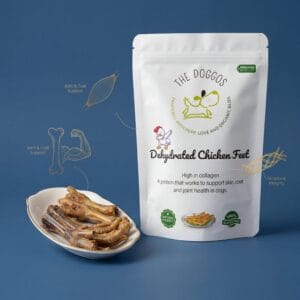
This is our “Goldilocks” solution. Dehydration (a low-temperature, 20+ hour process) keeps the bone’s natural, porous structure intact. This means dehydrated bones, like our Dehydrated Chicken Feet, don’t splinter. Instead, they crumble into a safe, chalky powder that your Lab’s strong stomach acid can easily break down. This gives them absorbable calcium and phosphorus. And hey, it also provides great dental cleaning and keeps their minds busy. For Labs prone to joint issues, the natural glucosamine and chondroitin in these chews are a total real fix.
Want to understand more about bone safety? Read my full guide: Can Dogs Eat Bones? The Desi Guide to Safe Chewing.
Building the Perfect Labrador Bowl: The Two Golden Rules
Feeding a natural diet isn’t just about giving “chicken and rice.” Not at all. It’s about balance. For your Labrador, two golden rules are super important to stop common deficiencies and inflammatory problems.
1. Calcium:Phosphorus Ratio Must Be 1.2:1
Meat is rich in phosphorus, but without enough calcium, your Lab’s body will actually steal calcium from its own bones over time. This can lead to serious stuff like osteopenia or “Rubber Jaw” syndrome, which is a big worry for large breeds like Labradors who really need strong bones.
The Fix: Add in dehydrated bones like Dehydrated Chicken Feet (each foot contains about 450mg of glucosamine, basically a natural joint pill!). Or you can use calcium citrate/eggshell powder. These provide the calcium needed to balance out the phosphorus from the meat.
2. Omega-6:3 Balance: Taming the “Heat”
Many Indian pet parents notice their dogs get “heat” from chicken or eggs, which often shows up as paw licking, hot spots, or constant ear infections. Here’s the thing , this isn’t thermal heat from Ayurveda/TCM; it’s an Omega-6 inflammatory spike. Commercial Indian chicken, fed on corn and soy, has a terrible Omega-6:3 ratio (20:1 to 30:1, compared to a healthy 7:1 for pasture-raised chicken).
The Fix: You absolutely MUST add Omega-3 to every single chicken meal. These aren’t just “toppers,” you know? They’re total “balancers.”
- Hemp Seed Oil: My absolute favourite. It’s the king of GLA (Gamma-Linolenic Acid), a rare Omega-6 that actually acts as an ANTI-inflammatory. GLA skips steps often missing in dogs with Atopic Dermatitis, directly cutting down inflammation and keeping your Lab’s skin nice and moist. Perfect for dry, cracking paws and dandruff. And it’s plant-based, too! Makes it great for vegetarian households. We have amazing Hemp Seed Oil for Dogs that even has a mild calming effect. Super helpful for those pre-Diwali jitters, I’ve found! (My Lab goes crazy for this).
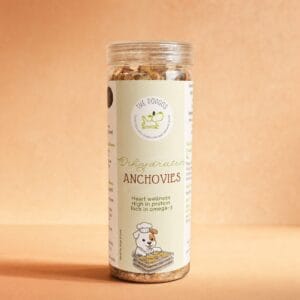
- Dehydrated Anchovies/Sardines: “Eat low on the food chain” is my mantra for fish. Small, short-lived plankton eaters like Dehydrated Anchovies don’t build up heavy metals (unlike tuna, for example). They’re packed with DHA, super important for brain development in puppies (think easier training!). And it helps prevent Cognitive Dysfunction Syndrome in senior Labs.
If your Lab is constantly itching, this Omega-6 imbalance is probably the main reason. Explore more here: Why Is My Dog Always Itching?
Understanding Proteins for Your Indian Labrador
Variety is absolutely key in a natural diet. It offers a wider range of amino acids and micronutrients. So, here’s how different proteins can help your Labrador:
Chicken: The Daily Staple (with a Twist!)
Chicken is a fantastic, highly digestible protein, giving about 27g per 100g of breast. It’s affordable and easy to get all over India. (Like from your neighbourhood butcher!) But remember that Omega-6 issue? Always wash with turmeric water (a natural antiseptic), pressure cook, DEBONE (totally non-negotiable!), and balance with Hemp Seed Oil or Dehydrated Anchovies in every meal. Chicken Feet are super good for Labradors, providing natural glucosamine for their joints that often take a beating. Plus, they’re also a great natural dental chew.
Mutton (Goat): The Recovery & Joint Support Meat
Often considered a “warming” protein in Ayurveda/TCM, mutton is a powerhouse for Labs, especially senior dogs or those getting over an illness. It has 3x the iron and 4x the zinc of chicken, making it amazing for rebuilding platelets and red blood cells after tick fever (which is, let’s face it, super common here in India). For Labs with stiff joints, mutton’s richer nutrients and a bit more fat (though still leaner than most commercial chicken) can really help. Many dogs allergic to chicken also do well with goat because its protein structure is different.
Quail: The Hypoallergenic & Novel Prey
If your Labrador has constant allergies, Dehydrated Whole Quail is your secret weapon. Allergies often come from too much exposure to common proteins like chicken. Quail is a novel protein, so your Lab’s immune system probably hasn’t seen it before. It’s also rich in manganese, super important for protecting ligaments from CCL tears (a big worry for active Labs). The feathers basically act as a “colon sweep” to naturally express anal glands. This can be a real headache for some Labs, right?
Anchovies/Sardines: Brain & Joint Fuel
As I said before, these small fish are packed with DHA, super important for brain power and joint inflammation. For Lab puppies, DHA helps brain development. That means easier training! For senior Labs, it can help stop Cognitive Dysfunction Syndrome. Dehydrated Anchovies are odour-controlled. Perfect for Indian households where cooking fish might not be everyone’s cup of tea, na?
Superfoods for Your Labrador’s Health: Beyond Basic Nutrition
To truly take your Labrador’s diet from just “getting by” to truly “thriving,” consider these powerful additions:
- Hemp Seed Oil: We’ve discussed its anti-inflammatory GLA benefits for skin and coat, but it also supports joint mobility, super important for Labs. It’s an amazing all-rounder. Find our Hemp Seed Oil here.
- Hemp Meal Balancer: This isn’t just a supplement; it’s a total real fix for homemade meals. It sorts out the amino acid and fat balance of chicken-rice bowls. It turns a simple meal into a complete, thriving one. A must for making sure your Lab gets all the nutrients they need when cooking at home. Check out our Hemp Meal Balancer.
- Baobab Powder: With 5-6x more Vitamin C than oranges, Baobab is an immune shield. It fuels collagen synthesis for strong ligaments and elastic skin. (Great for Labs who tend to get skin folds!) It’s also prebiotic fibre, great for settling your Lab’s tummy during diet transitions or if they have a sensitive stomach, you know?
- Baobab Oil: Unlike heavy oils that just sit on the skin, Baobab Oil absorbs into the epidermis, just like your Lab’s natural skin barrier. For Labs with hot spots, fungal infections, or hyperkeratosis (crusty nose), our Baobab Oil shows incredible results. Hot spots dried in 24 hours. Fungal infections gone in 90 days. Pretty impressive, right? It’s part of our natural dog grooming range.
Your Labrador’s Daily Desi Menu: The Golden Chicken Bowl
Here’s a staple recipe for your Labrador, designed for great health and easy to make:
The Doggos’ Golden Chicken Bowl for Labradors
This recipe is made for an adult Labrador (about 25-30kg) with moderate activity. Always adjust quantities based on your dog’s own needs, how active they are, and any weight goals, okay?
Ingredients:
- 500g bone-in, skin-on chicken thighs (cooked weight will be less, but bones add flavour during cooking)
- 50g chicken liver (super important for Vitamin A and other key nutrients)
- 100g red pumpkin (or sweet potato), chopped
- 1 tsp turmeric paste (freshly made with black pepper for absorption)
- 1-2 scoops Hemp Meal Balancer (following the packaging instructions for your dog’s weight)
- 1-2 tsp Hemp Seed Oil (or a small handful of Dehydrated Anchovies)
- Water for pressure cooking
Instructions:
- Wash chicken and liver really well, maybe with a quick turmeric water rinse.
- Place chicken, liver, pumpkin, and turmeric paste in a pressure cooker. Just add enough water to cover everything.
- Pressure cook for 2-3 whistles. Then let it cool naturally.
- CRITICAL STEP: Once cooled, carefully take out all the bones from the chicken. Throw them away safely. Mash the cooked pumpkin into the broth, then mix in the shredded chicken and liver.
- Let the whole mixture cool down completely to room temperature.
- Stir in the Hemp Meal Balancer and Hemp Seed Oil (or anchovies).
- Serve it right away, or divide it into containers for the fridge (good for up to 3 days) or freezer (up to 2 weeks).
For more home-cooked inspiration, check out our 10 Homemade Dog Food Recipes for Indian Pet Parents.
Transitioning to Natural Food: A Smooth Ride for Your Lab
Switching your Labrador to a natural diet should be a slow process to avoid tummy troubles. Here’s the 7-day transition plan we suggest:
- Days 1-2: 75% old food (kibble) + 25% new fresh food.
- Days 3-4: 50% old food + 50% new fresh food.
- Days 5-6: 25% old food + 75% new fresh food.
- Day 7: 100% fresh food.
What to Expect: About Day 3-4, you might notice some mucus in your Lab’s stool. Totally normal! It means their gut is shedding its old lining and getting used to a species-appropriate diet. Nothing to worry about. You can add extra pumpkin or a pinch of Baobab powder to help settle their tummy during this phase.
Common Mistakes Indian Labrador Parents Make (And How to Avoid Them)
As a canine nutritionist, I’ve seen these mistakes too many times. Avoid them for your Lab’s health:
- Feeding Cooked Bones: Honestly, I can’t stress this enough. Cooked bones are absolutely deadly. Always debone after cooking. Use safe, dehydrated chews for bone nutrition and dental health.
- Relying on Kibble or Roti as the Main Diet: While convenient, these are biologically all wrong. And they’re the root cause of so many long-term health problems in Indian Labs. Your Lab is a carnivore, full stop. Not a grain-eater. Learn more about why roti isn’t ideal: Is Roti Good for Dogs? The Indian Pet Parent’s Guide.
- Ignoring the Omega-6:3 Balance: This is probably the most missed part of home feeding. Without enough Omega-3s, commercial chicken will cause inflammation. Think skin issues, allergies, and joint pain. Always add Hemp Seed Oil or Dehydrated Anchovies.
- Overfeeding: Labradors are famous for loving their food. They’d literally eat until they burst! Portion control is super important. Fresh food has way more nutrients, so your Lab might actually need less food volume than you think. Keep an eye on their weight and body condition regularly, okay?
- Skipping Calcium Sources: A boneless chicken and rice diet, while well-intentioned, is missing calcium. This will really hurt your Lab’s bone density over time. Always make sure there’s a balanced Calcium:Phosphorus ratio, using safe sources like Dehydrated Chicken Feet.
Final Thoughts from The Desi Carnivore
Your Labrador? They’re more than just a pet. They’re family. Giving them the best natural dog food in India means understanding how their bodies actually work and adapting that to our unique Indian way of life. It’s about ditching the marketing hype and getting back to real, whole foods. As Mahiv Amit Chhabra, I’ve dedicated my life to helping Indian pet parents (like you!) figure out this whole journey. You can learn more about my philosophy and background on my About Me page.
So, go on, embrace the “Cook the Meal, Dehydrate the Bone” method. Balance their bowls. Use functional dehydrated treats like medicine. And just watch your Labrador thrive! Their boundless energy, glossy coat, and improved health? That’ll be all the thanks you need.
Want a full range of natural supplements and grooming products to go with your Lab’s diet? Explore our Hemp Supplements and Natural Dog Grooming collections.
Disclaimer: While I am a certified canine nutritionist, this information is for educational purposes and should not replace professional veterinary advice. Always consult your vet for specific health concerns.