![Best Supplements for German Shepherd in India [2026]](https://thedoggos.in/wp-content/uploads/2026/03/best-supplements-german-shepherd-india-featured.jpg "Best Supplements for German Shepherd in India [2026] 1")
Your German Shepherd, a majestic breed, is a powerhouse of strength and loyalty. But let’s be honest, many Indian GSD parents spend a fortune on fancy supplements, only to see their dog still itching, stiff, or battling constant ear infections. Why does this happen? Because those “supplements” they’re buying often completely miss the fundamental nutritional gaps lurking in typical Indian dog diets. It’s time to cut through all that noise and truly understand what your GSD needs.
Here’s the thing, the best “supplements” for a German Shepherd in India aren’t just pills from a bottle. Nope. They are smart, strategic additions to a fresh, species-appropriate diet that tackle crucial calcium, Omega-3, and joint health requirements head-on. This means you’ve got to ditch the boneless chicken and rice, balance those inflammatory fats, and bring in functional dehydrated treats that basically act as natural medicine.
Beyond the Bottle: Why “Supplements” for German Shepherds Are More Than Just Pills
Look, your German Shepherd is a carnivore, through and through. Internally, they’re 99.9% wolf, right? Their digestive system, with its incredibly acidic stomach (we’re talking pH 1-2, compared to our pH 4-5), is built to break down meat, bone, and organs. Not processed grains or vegetables. Most commercial “supplements” just try to patch up problems that a biologically wrong diet created in the first place. We, “The Desi Carnivore,” believe in fixing the diet first, then smartly supplementing with whole foods and targeted nutrients.
The Joint Health Imperative: Calcium, Manganese & Glucosamine
German Shepherds, sadly, are prone to hip and elbow dysplasia. So, joint health? It’s a huge deal from puppyhood. A lot of Indian pet parents zero in on glucosamine pills, but they often miss the basic building blocks: calcium and manganese, delivered in their most easily absorbed form.
The Calcium-Phosphorus Dance: Why Boneless Diets Are Dangerous
Your GSD needs a precise Calcium:Phosphorus (Ca:P) ratio of 1.2:1 in their diet. Meat? It’s loaded with phosphorus, but usually doesn’t have enough calcium. If you’re feeding a homemade diet of just chicken and rice (a super common thing here in India), you’re creating a severe calcium deficiency. Over time, your dog’s body will actually pull calcium from its own bones to keep vital functions going. And that, my friend, leads to:
- Osteopenia: Basically, bones getting weak.
- “Rubber Jaw” Syndrome: Serious bone loss in the jaw, meaning loose teeth and a lot of pain.
- Increased risk of fractures: Brittle bones just break easily.
This isn’t just about giving “some” calcium. It’s about giving the *right* kind of calcium, in the *right* ratio, from a safe source. It’s a big deal.
Why it matters for your GSD: Strong bones and joints are your best defense against dysplasia. Without proper calcium, no amount of glucosamine will truly fix the problem. Period.
Dehydrated Bones: The Goldilocks Solution for Calcium & Joints
This is exactly where our “Cook the Meal, Dehydrate the Bone” philosophy really shines. You absolutely NEVER feed cooked bones from your pressure cooker. High heat makes bones brittle, causing them to shatter into sharp, jagged splinters. Those can perforate your dog’s intestines, leading to fatal peritonitis. This is a life-or-death safety rule so many well-meaning Indian parents unknowingly break. Seriously, please don’t do it.
Raw bones, while biologically correct, carry a big hygiene risk, especially in India. Our wet markets, with all that humidity, are perfect breeding grounds for bacteria like Salmonella and E.coli. While a dog’s acidic stomach can handle these pathogens, the cross-contamination risk in an Indian household (bones on rugs, dog licks face, you know the drill) is just too high for us to ethically recommend.
The solution? Dehydrated bones. Our dehydration process (low temperature, over 20 hours) keeps the bone’s porous structure intact. When chewed, they crumble into a safe, chalky powder, giving your GSD highly absorbable calcium and phosphorus without the splintering danger of cooked bones or the hygiene worry of raw bones.
Functional Dehydrated Chews for GSD Joints:
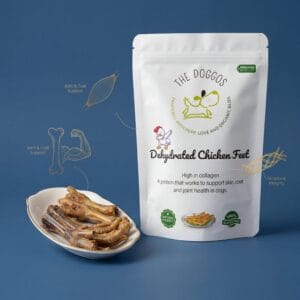
- Dehydrated Chicken Feet: These are nature’s own joint pills! Each foot has about 450mg of natural glucosamine and chondroitin, which are super important for cartilage repair and keeping joints well-lubricated. Plus, the chewing action helps scrape plaque off their teeth. (My Lab goes crazy for these!)
- Dehydrated Mutton Trotters: Rich in collagen, calcium, and phosphorus, mutton trotters give excellent joint support. And they’re a longer-lasting chew, great for mental enrichment, releasing those feel-good dopamine and serotonin chemicals.
- Dehydrated Whole Quail: An excellent whole-prey calcium source, quail also gives them manganese. That’s a trace mineral vital for protecting ligaments and tendons from tears (like CCL tears, which GSDs can be prone to, unfortunately).
Skin, Coat & “Heat”: Balancing Omega-6 & Omega-3 Fats
Is your GSD constantly scratching, licking their paws, or getting recurrent ear infections? A lot of Indian dog parents blame “heat” from chicken or eggs. But honestly, that’s a common myth! What you’re actually seeing is almost always a sign of chronic inflammation, caused by an imbalance in Omega-6 and Omega-3 fatty acids.
The Omega Imbalance in Indian Chicken
Commercial chicken in India is mostly fed corn and soy. This leads to an Omega-6:3 ratio of 20:1 to 30:1. For optimal health, dogs need a ratio closer to 7:1 or even lower. This crazy amount of Omega-6 just floods your GSD’s body with inflammatory markers. You’ll see things like:
- Paw licking and chewing
- Hot spots and skin rashes
- Chronic ear infections (I get so many DMs about this!)
- A dull, dry coat with dandruff
Why it matters for your GSD: Fixing this imbalance is absolutely key to resolving chronic skin issues, not just managing the symptoms.
The Omega-3 Solution: Hemp & Anchovies
You MUST add Omega-3s to every chicken meal you feed your GSD. These aren’t just “toppers”; they’re “balancers.”
- Hemp Seed Oil: This is the king of GLA (Gamma-Linolenic Acid), a rare Omega-6 that actually acts as an anti-inflammatory. GLA converts directly into Prostaglandin E1, cutting down inflammation and keeping that skin barrier moist. For GSDs with Atopic Dermatitis, who often struggle to process normal fats, GLA bypasses this enzymatic step, offering direct relief for dry, cracking paws and dandruff. As a bonus, it has a mild calming effect, perfect for building a “calm buffer” before festivals like Diwali. It’s also plant-based, which is ideal for vegetarian households.
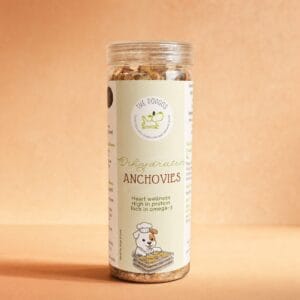
- Dehydrated Anchovies / Sardines: These small, short-lived fish are packed with DHA and EPA, the most easily absorbed forms of Omega-3. By eating low on the food chain, you avoid the heavy metal buildup found in bigger fish like tuna. DHA is super important for brain development in puppies (makes them easier to train, honestly!) and for preventing Cognitive Dysfunction Syndrome in senior GSDs. Our dehydrated anchovies are odour-controlled, making them easy to sneak into any meal.
Topical Relief for GSD Skin
For immediate relief from hot spots, fungal infections, or those dry patches, topical solutions are invaluable:
- Baobab Oil: Unlike heavy oils that just sit on the skin, Baobab Oil’s unique fatty acid profile (lots of Palmitic and Oleic acid) lets it really sink deep into the epidermis, mimicking the skin’s natural lipid barrier. We’ve seen incredible results with this: fungal infections gone, alopecia reversed, hot spots dried up in 24 hours, and hyperkeratosis (that crusty nose thing) resolved in just weeks.
- Baobab Therapy Mask: A detox clay mask that’s anti-fungal and super soothing for irritated GSD skin.
- Baobab Paw & Nose Balm: Essential for protecting and healing your GSD’s cracked paws and dry nose, especially with India’s crazy varied climate.
Gut Health: The Foundation of GSD Immunity
A healthy gut? It’s absolutely crucial for your GSD’s overall immunity and how well they absorb nutrients. While GSDs often seem to have sensitive stomachs, the answer isn’t bland kibble and rice. No, it’s species-appropriate fresh food.
- Hemp Meal Balancer: This isn’t just a supplement; it’s a total game-changer. It transforms a simple “survival meal” (like cooked chicken and rice) into a “thriving meal” by fixing the amino acid and fat profile. Plus, it gives them prebiotic fiber to feed all those good gut bacteria.
- Baobab Powder: Baobab Powder? It’s like a superhero shield for their immune system, packing 5-6x more Vitamin C than oranges. It’s also a powerful prebiotic fiber, excellent for settling the gut during diet changes or for GSDs who occasionally get loose stools.
- Curd (Dahi): A small amount of plain, unsweetened curd can introduce beneficial probiotics. Start with just 1 tsp to test for lactose intolerance. You can learn more about feeding curd to your dog here: Can Dogs Eat Curd?
Why it matters for your GSD: A robust gut means better digestion, stronger immunity against common Indian pathogens, and a more energetic dog. Simple as that.
Vitality & Recovery: Organ Support and Iron Boost
Even with a good diet, specific nutrients can really boost your GSD’s vitality, especially when they’re recovering or if they’re older.
- Bone and Organ Boost: Organ meats are nutritional powerhouses. This blend gives them essential taurine (super important for heart health in big breeds like GSDs), iron, and a whole spectrum of B vitamins. That’s way more than just muscle meat can offer. It’s especially good for GSDs bouncing back from tick fever, which really depletes red blood cells and platelets.
- Mutton (Goat): Considered a “recovery meat” in the Desi Carnivore method. Goat offers 3x the iron and 4x the zinc compared to chicken. So, it’s excellent for rebuilding blood cells after tick fever, for senior GSDs with stiff joints, or just as a “warming” protein in winter, as per Ayurvedic principles.
Why it matters for your GSD: Enhanced energy, faster recovery, and support for their vital organ functions. Who wouldn’t want that for their dog?
The Golden GSD Bowl: Practical Supplementation in Action
Here’s how you can actually integrate these “supplements” into your German Shepherd’s daily diet, following our “Cook the Meal, Dehydrate the Bone” method.
Ingredients:
- 500g Chicken Thighs (skin-on, bone-in for taurine and fat)
- 50g Chicken Liver (for Vitamin A, iron)
- 100g Red Pumpkin (fiber, vitamins) or Sweet Potato
- 1 tsp Turmeric Paste (anti-inflammatory power!)
- 1-2 tbsp Hemp Meal Balancer (amino acids, prebiotics, balanced fats)
- 1 tsp Hemp Seed Oil OR 1-2 Dehydrated Anchovies (for that crucial Omega-3 balance)
- 1-2 Dehydrated Chicken Feet (natural glucosamine, calcium)
Instructions:
- Wash & Cook: Wash the chicken and liver really well, ideally with a turmeric water rinse (it’s a natural antiseptic, yaar). Pop the chicken, liver, pumpkin, and turmeric paste into a pressure cooker. Add enough water to just cover everything.
- Pressure Cook: Cook for 2-3 whistles.
- DEBONE: Once cooled, THIS IS CRITICAL: DEBONE THE CHICKEN COMPLETELY. Never, ever feed cooked bones. Remove all bone fragments. Mash that cooked pumpkin right into the broth.
- Cool & Mix: Let the mixture cool down to room temperature. Stir in the Hemp Meal Balancer and Hemp Seed Oil (or those crushed anchovies).
- Serve with Functional Chews: Serve the fresh meal with 1-2 Dehydrated Chicken Feet on the side for some good chewing.
This “Golden GSD Bowl” gives them balanced protein, fats, fiber, and essential calcium/joint support, tackling the most common nutritional gaps for German Shepherds here in India. For a full transition guide, make sure to check out our complete feeding guide or our German Shepherd diet plan.
Common Mistakes Indian GSD Parents Make with “Supplements”
Despite having the very best intentions, a lot of Indian GSD parents fall into some common traps that actually undermine their dog’s health:
- Feeding Cooked Bones from the Kitchen: The most dangerous mistake, hands down. Cooked bones splinter and are a major choking hazard and can even perforate their insides. Stick to raw recreational bones or, for safety and hygiene in India, use dehydrated bones. You can read more here: Can Dogs Eat Bones?
- Boneless Chicken & Rice as a Staple: And that, my friend, leads to severe calcium deficiency. This causes long-term skeletal problems like osteopenia and “rubber jaw.” Without a proper calcium source (like dehydrated bones or eggshell powder), this diet is just plain bad for them.
- Believing Chicken Causes “Heat”: This myth means GSDs often get deprived of essential protein. That “heat” you’re seeing? It’s Omega-6 inflammation. Balance it with Hemp Seed Oil or anchovies, don’t just take away the protein.
- Relying on Commercial Kibble for “Complete” Nutrition: Honestly, kibble’s just too processed, full of carbs, and super dry. It often means chronic dehydration, poor digestion (we’re talking 80% absorption versus 90-94% for fresh food!), and it just fuels inflammation.
- Giving Parle-G/Marie Biscuits Instead of Functional Treats: These are full of maida and sugar, which rot their teeth and give them zero actual nutrition. Total junk food, basically. Instead, offer functional treats like Dehydrated Chicken Feet for dental health and glucosamine, or our Pumpkin Peanut Butter Biscuits as proper training rewards.
- Ignoring the Hygiene Gap of Raw Meat in India: While the idea of raw feeding sounds great, the practical realities of Indian wet markets and the risks of cross-contamination in your household make it a bit irresponsible for many. Our “Cook the Meal, Dehydrate the Bone” method is the safer middle path. Learn more about our approach to raw food: Raw Food Diet for Dogs in India.
Frequently Asked Questions About German Shepherd Supplements in India
Here are some common questions we get from German Shepherd parents:
Q1: Can German Shepherds eat raw bones in India?
A1: Look, biologically, your German Shepherd’s stomach (think pH 1-2, super acidic!) is absolutely built to digest raw bones and handle a lot of those germs. But practically speaking, with our Indian wet markets, you’ve got high humidity and a serious bacterial load. Plus, the risk of cross-contamination in your own home (bones on the floor, then dog licks your face, you know the drill?) is just too high for us to ever recommend feeding raw wet-market bones. Seriously, not worth the risk. Our recommendation for bone and calcium is safely dehydrated bones, which keep their porous structure for easy digestion without the dangers linked to raw or cooked bones.
Q2: Is a vegetarian diet good for German Shepherds?
A2: Absolutely not. German Shepherds are carnivores. Their digestive system is specifically designed for meat, bone, and organs, not plant-based proteins. Their saliva actually lacks amylase, which means they can’t pre-digest starches, and their short intestinal tract is built for fast protein processing, not fermenting grains. A vegetarian diet for a GSD will inevitably lead to nutritional deficiencies, poor digestion, and compromised health. If you’re a vegetarian household, you can still provide a meat-based diet by cooking the meat and using plant-based balancers like Hemp Seed Oil.
Q3: What about commercial joint supplements for GSDs? Are they effective?
A3: Sure, some commercial joint supplements might help a bit. But often, they’re packed with synthetic stuff and just aren’t absorbed as well as real, whole foods. And here’s the thing, they can’t fix fundamental diet problems. We much prefer and recommend natural sources like Dehydrated Chicken Feet (for glucosamine/chondroitin), Dehydrated Mutton Trotters (collagen, calcium), and Dehydrated Whole Quail (manganese, calcium). These provide these nutrients in their natural, highly absorbable forms, and give them dental and mental enrichment too. It’s a win-win!
Q4: My German Shepherd is still itching, even after I changed their food. What could be wrong?
A4: Still itching, even after a food change? Honestly, this usually screams Omega-6 inflammatory imbalance. It’s super common, even if you think you’re feeding “better” foods, especially if you’re not actively balancing those Omega-3s. Commercial Indian chicken is high in Omega-6, remember? So make sure you’re consistently adding a high-quality Omega-3 source like Hemp Seed Oil or Dehydrated Anchovies to every single meal. It could also be environmental allergies or just a need for specific skin barrier support, which Baobab Oil can provide topically. For a deeper dive, read Why Is My Dog Always Itching?
Q5: How much calcium does my GSD need daily?
A5: Here’s the thing, it’s not just about “how much calcium” you’re giving. The real magic is making sure you hit that balanced Calcium:Phosphorus ratio of 1.2:1. For a German Shepherd, this usually means adding bone content equal to about 10-15% of their total diet. Our dehydrated bones, like Dehydrated Chicken Feet or Dehydrated Whole Quail, are excellent, safe ways to get this balance without needing to precisely measure powdered supplements. Always best to chat with a canine nutritionist to tailor the exact amount based on your dog’s age, weight, and how active they are.
The Desi Carnivore Way: Real Nutrition for Your German Shepherd
Your German Shepherd deserves more than just some generic supplements. They deserve a diet that’s built on their biological needs, but totally adapted for the realities of Indian homes. By focusing on cooked meat, safe dehydrated bones for calcium, balancing fats with Hemp Seed Oil and Anchovies, and throwing in functional dehydrated treats as natural medicine, you’re not just “supplementing” your GSD. You’re actually laying down a foundation for health that stops problems before they even start.
Go on, explore our full range of natural dehydrated dog treats, hemp supplements, and Baobab grooming products to build a truly thriving life for your magnificent German Shepherd. Remember, good health starts in the bowl, not just the pill bottle!
Disclaimer: While I am a certified canine nutritionist, this information is for educational purposes and not a substitute for professional veterinary advice. Always consult your vet for any health concerns or before making significant changes to your dog’s diet, especially if they have pre-existing conditions.