![Best Supplements for Labrador Retriever in India [2026]](https://thedoggos.in/wp-content/uploads/2026/03/best-supplements-labrador-india-featured.jpg "Best Supplements for Labrador Retriever in India [2026] 1")
If you’re an Indian parent to a Labrador Retriever, you know the drill: everyone has an opinion on what to feed, and your furry friend seems to have an opinion (and an appetite!) for *everything*. But beyond the daily chicken and rice, are you truly giving your beloved Lab everything they need to thrive, especially considering their unique genetic predispositions and our unique Indian climate?
Here’s the thing, your Labrador Retriever in India absolutely needs specific supplements. Why? To counter common health challenges like joint issues, skin allergies, and that pesky Omega-6 inflammation, which so many people mistake for “heat.” These aren’t just “nice-to-haves,” yaar; they’re foundational. Seriously. They lay the groundwork for a long, healthy, and itch-free life for your Lab.
The Labrador Conundrum: Active, Foodie, and Prone to Issues
Labradors. They’re magnificent, gentle giants, aren’t they? Known for their boundless energy, their unwavering loyalty, and, let’s be honest, their insatiable appetite. While their zest for life is infectious, these very traits can actually make them prone to certain health challenges. Especially when they’re living here in India:
* **Joint Issues:** Labs are just genetically predisposed to hip and elbow dysplasia. This isn’t just some fancy vet term. It means their joints don’t form quite right, which often leads to arthritis, pain, and reduced mobility as they get older. And our humid climate in cities like Mumbai and Chennai? It can really make that joint pain worse.
* **Skin Allergies & “Heat”:** Many Indian Labs suffer from chronic itching, constant paw licking, hot spots, and ear infections. Often, parents blame “heat” from chicken or eggs. But as a certified canine nutritionist, I can tell you this is usually an Omega-6 inflammation issue, not thermal heat. The high Omega-6 content in commercial Indian chicken (thanks to their corn/soy diet) just floods their system with inflammatory fats.
* **Weight Management:** Their love for food, coupled with a high-carb diet (think kibble, too much roti, or even excessive rice), can quickly lead to obesity. This, in turn, puts even more strain on those already vulnerable joints.
* **Cognitive Decline:** As they age, like all large breeds, Labs can be susceptible to Cognitive Dysfunction Syndrome (CDS), a form of canine dementia.
It’s a lot to juggle, isn’t it?
So, how do we, as Desi Carnivores, address these specific needs for our Labradors, keeping in mind the unique challenges of our Indian households? It’s all about balancing their natural carnivorous biology with practical, safe, and effective solutions.
The Joint Health Imperative: Glucosamine & Chondroitin
**Why it matters for Labradors:** Given their predisposition to hip and elbow dysplasia, proactively supporting joint health is non-negotiable for Labs. Glucosamine and chondroitin are the building blocks of cartilage. They really help maintain joint structure and elasticity.
Most Indian dog parents only think about joint supplements when their Lab is already limping. That’s too late! Prevention is key. Instead of reaching for synthetic pills, I always recommend natural, bioavailable sources first.
* **The Desi Carnivore Solution:**
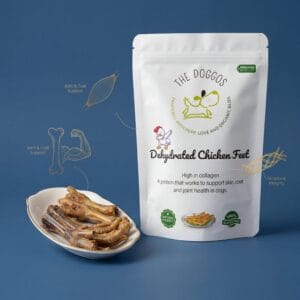
* **Dehydrated Chicken Feet:** Each chicken foot contains about **450mg of natural glucosamine** and chondroitin. It’s literally a natural joint pill that also provides excellent dental cleaning as your Lab chews.
* **Dehydrated Mutton Trotters:** These are packed with collagen, a vital component for joint health, ligaments, and skin elasticity. They also offer a fantastic, long-lasting chewing experience that releases endorphins, keeping your Lab calm and happy. (My Lab goes absolutely bonkers for these, by the way!)
**Why Dehydrated?**
This is where our “Cook the Meal, Dehydrate the Bone” philosophy really shines. You can NEVER feed cooked bones (including chicken feet or trotters cooked in a pressure cooker) because high heat makes them brittle. They shatter into sharp, jagged splinters that can perforate your dog’s intestines. This is a life-threatening risk. Full stop.
Dehydration, however, uses low temperatures over 20+ hours. This process retains the porous structure of the bone. What does that mean? It means the bone crumbles into a safe, chalky powder that’s easily digested by your dog’s highly acidic stomach (pH 1-2). It’s the Goldilocks solution: safe, natural, and super effective.
Internal link: Curious about bone safety? Read our full guide here: Can Dogs Eat Bones? The Ultimate Indian Pet Parent’s Safety Guide
Product link: Stock up on natural joint support: The Doggos Dehydrated Chicken Feet
Tackling “Heat” and Itching: The Omega-3 Solution
**Why it matters for Labradors:** The biggest culprit behind persistent paw licking, hot spots, and chronic ear infections in Indian Labradors isn’t “heat” from chicken. No. It’s almost always **Omega-6 inflammation**.
Commercial Indian chicken is typically fed a diet of corn and soy. This leads to an alarmingly skewed Omega-6 to Omega-3 ratio, often as high as 20:1 or even 30:1. A dog’s body, which evolved on wild prey, is designed for a ratio closer to 7:1. This imbalance just floods their system with pro-inflammatory compounds.
* **The Desi Carnivore Solution:**
* **Hemp Seed Oil:** This is my absolute favourite for Labradors. It’s the king of GLA (Gamma-Linolenic Acid), a rare Omega-6 that actually acts as an **anti-inflammatory**. GLA bypasses the enzyme pathway that many dogs (especially those with atopic dermatitis) struggle with, directly reducing inflammation and keeping the skin barrier moist. It’s a plant-based solution, perfect for vegetarian households, and has a mild calming effect. I recommend starting it 7 days before Diwali to build a “calm buffer” for your anxious Lab. (I’ve seen this work wonders even for rescue dogs with separation anxiety.)
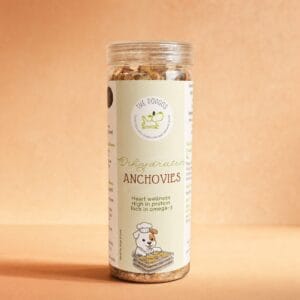
* **Dehydrated Anchovies/Sardines:** These small, short-lived fish are powerhouses of DHA and EPA, the most bioavailable forms of Omega-3s. Because they eat low on the food chain, they don’t accumulate heavy metals like larger fish (tuna, mackerel). DHA is crucial for brain development in puppies and for preventing Cognitive Dysfunction Syndrome in senior Labs. They are also excellent for skin and coat health, giving your Lab that glossy, healthy shine.
| Supplement | Key Benefit for Labradors | Why it works |
|---|---|---|
| Hemp Seed Oil | Anti-inflammatory, skin barrier, calming | Rich in GLA (anti-inflammatory Omega-6) that directly targets itching and dry skin. |
| Dehydrated Anchovies | Brain health, coat shine, anti-inflammatory | High in DHA/EPA Omega-3s, essential for cognitive function and reducing systemic inflammation. |
Internal link: Is your Lab constantly scratching? Understand the real reasons behind the itch: Why Is My Dog Always Itching? The Desi Carnivore’s Guide
Product link: Balance those Omega fats: The Doggos Hemp Seed Oil and The Doggos Dehydrated Anchovies
Beyond the Bowl: Gut & Immunity Boosters
A healthy gut is the foundation of a healthy immune system. And a strong immune system? That means fewer allergies and illnesses for your Labrador. Simple as that.
* **Baobab Powder:** This African superfood is a game-changer. It boasts 5-6x more Vitamin C than oranges, making it a massive immune shield. Vitamin C is crucial for collagen synthesis, supporting strong ligaments (again, great for Lab joints!) and elastic skin. Baobab is also a fantastic prebiotic fibre. It helps cultivate a healthy gut microbiome, which is particularly useful during diet transitions or for Labs with sensitive stomachs. A pinch in their daily meal can work wonders.
* **Hemp Meal Balancer:** If you’re cooking fresh chicken and rice for your Lab (which I highly encourage, by the way!), adding a Hemp Meal Balancer turns a simple “survival meal” into a “thriving meal.” It ensures your Lab gets a complete amino acid profile, along with essential fats and prebiotic fibre, truly making their homemade meal nutritionally complete.
Product link: Boost immunity and gut health: The Doggos Hemp Meal Balancer
Skin Saviours: Healing from the Outside In
While Omega-3s work from the inside, some skin issues need topical support. This is especially true in the Indian climate where humidity and dust can really wreak havoc on a Labrador’s coat.
* **Baobab Oil:** Forget heavy coconut or olive oils that just sit on the skin’s surface, trapping heat and clogging pores. Baobab Oil has a unique fatty acid profile (high Palmitic and Oleic acid) that allows it to absorb *into* the epidermis, mimicking your Lab’s natural lipid barrier. This means it actually heals from the inside out. I’ve seen incredible results: fungal infections eradicated in 90 days, alopecia reversed in 2 months, hot spots dried in 24 hours, and hyperkeratosis (crusty nose) resolved in 2 weeks. It’s light, non-greasy, and truly medicinal. (Honestly, I keep a bottle for myself too!)
* **Baobab Paw & Nose Balm:** Labradors love exploring, and their paws take a beating on hot Indian pavements or rough terrain. This balm, infused with Baobab Oil, provides deep hydration and protection. It heals cracked paws and noses, and forms a protective barrier against environmental stressors.
Product link: For deep skin healing: The Doggos Baobab Oil and The Doggos Baobab Paw & Nose Balm
The Calcium Conundrum: Why Boneless Diets Fail Labradors
Look, this is a critical point that many well-meaning Indian dog parents miss. And it’s especially important for large breeds like Labradors who need robust skeletal support.
Your Labrador needs a precise **Calcium:Phosphorus ratio of 1.2:1** in their diet. Meat is rich in phosphorus, but it contains very little calcium. If you’re consistently feeding a boneless home-cooked diet (e.g., just chicken and rice) without adding a calcium source, you are inadvertently leaching calcium from your Lab’s own skeleton over years. This leads to conditions like osteopenia and, eventually, “Rubber Jaw” syndrome, where their bones become soft and brittle. Not good.
* **The Desi Carnivore Solution:**
* **Dehydrated Bones:** As discussed, dehydrated chicken feet, goat ears, or even a dehydrated pig bone are excellent, safe sources of bioavailable calcium and phosphorus, perfectly balanced. They also provide crucial mental enrichment through chewing.
* **Eggshell Powder/Calcium Citrate:** If dehydrated bones aren’t an option, pharmaceutical-grade eggshell powder or calcium citrate can be used, but ensure precise measurement. My preference will always be whole food sources, though.
Internal link: Learn how to build a complete and balanced meal for your Labrador: Labrador Diet Plan in India: The Desi Carnivore’s Guide
Building Your Labrador’s Desi Carnivore Supplement Plan
Here’s a simple, actionable plan for incorporating these essential supplements into your Labrador’s diet. No complicated steps, just easy additions:
1. **Daily Essential (Omega-3 Balance):** Add **Hemp Seed Oil** to every single meal, especially if you’re feeding commercial Indian chicken. Start with 1/4 to 1/2 teaspoon for smaller Labs, up to 1 teaspoon for larger ones, adjusting based on weight.
2. **Joint & Calcium Powerhouse (2-3 times/week):** Offer **Dehydrated Chicken Feet**. A large Labrador can easily handle 2-3 feet per week. For an even more robust chew and collagen boost, consider a **Dehydrated Mutton Trotter** once a week.
3. **Brain & Coat Booster (3-4 times/week):** Sprinkle **Dehydrated Anchovies** over their meals. A handful (5-7 small fish) provides excellent DHA and EPA.
4. **Gut & Immune Support (Daily):** A pinch (1/4 to 1/2 tsp) of **Baobab Powder** mixed into their food daily will provide a robust Vitamin C and prebiotic fibre boost.
5. **Meal Balancer (Daily for homemade diets):** If you’re making chicken and rice, ensure you’re adding our **Hemp Meal Balancer** to ensure all amino acids and nutrients are covered.
6. **Topical Skin & Paw Care (As needed):** Apply **Baobab Oil** directly to hot spots, rashes, or dry patches daily until resolved. Use **Baobab Paw & Nose Balm** as needed for cracked paws or hyperkeratosis.
Recipe Idea: Your Labrador’s daily “Golden Chicken Bowl” can be transformed! Pressure cook 500g chicken thighs (bone-in, skin-on for taurine) + 50g liver + 100g red pumpkin. DEBONE after cooking. Mash pumpkin into the broth. Once cooled, add 1 tsp Hemp Seed Oil, a pinch of Baobab Powder, and a scoop of Hemp Meal Balancer. Serve with 1-2 Dehydrated Chicken Feet on the side for chewing. Delicious!
Internal link: For more homemade meal inspiration, check out our recipes: 10 Homemade Dog Food Recipes for Indian Pet Parents
Common Mistakes Indian Labrador Parents Make with Supplements
1. **Feeding Cooked Bones for Calcium:** This is the most dangerous mistake. Pressure-cooked chicken bones (or any cooked bones) splinter. **NEVER, EVER feed cooked bones to your Labrador.** Use dehydrated bones or specific calcium supplements.
2. **Relying on Boneless Chicken & Rice Alone:** While a step up from kibble, a boneless home diet without added calcium will definitely lead to skeletal issues over time. Always balance phosphorus from meat with calcium from safe sources.
3. **Ignoring Omega-3s & Blaming “Heat”:** Assuming chicken causes “heat” and stopping protein is counterproductive. The actual issue is Omega-6 inflammation. Address it with Omega-3s like Hemp Seed Oil or Dehydrated Anchovies. Don’t cut protein!
4. **Using Heavy Oils Topically:** Coconut or olive oil can feel good initially, sure. But often, they just sit on the skin, trapping heat and exasperating fungal issues in humid conditions. Opt for penetrating oils like Baobab Oil instead.
5. **Treating Dehydrated Chews as Mere “Snacks”:** Our dehydrated treats are functional medicine. A Dehydrated Chicken Foot isn’t just a snack; it’s a joint supplement and a dental tool. A Mutton Trotter is a mental enrichment tool, collagen booster, and plaque scraper. Understand their therapeutic value!
6. **Giving Human Biscuits:** Parle-G and Marie biscuits are full of maida and sugar. They’re rotting your Lab’s teeth and offering zero nutritional value. A Dehydrated Chicken Foot or a Pumpkin Peanut Butter Biscuit (The Doggos Pumpkin PB Biscuits) is a much healthier, functional alternative.
FAQ: Your Labrador Supplement Questions Answered
Q1: Are supplements necessary if I feed my Labrador a homemade diet?
**A:** Absolutely. While a fresh homemade diet is superior to kibble, achieving perfect nutritional balance, especially for specific needs like joint support and Omega-3 balance, can be super challenging without targeted whole-food supplements. For instance, commercial Indian chicken just lacks the ideal Omega-3 profile, and boneless meat lacks calcium. Supplements like Hemp Seed Oil, Dehydrated Chicken Feet, and a Hemp Meal Balancer ensure your homemade meals are truly complete and address specific Labrador vulnerabilities.
Q2: Can my Labrador eat only vegetarian food with supplements?
**A:** No. Labradors, like all dogs, are biologically carnivores. Their short digestive tracts, highly acidic stomach (pH 1-2), and lack of salivary amylase are all designed for efficiently processing meat, not fermenting grains or plants. While some plant-based supplements are beneficial (like Hemp Seed Oil or Baobab), a diet solely of vegetarian food, even with supplements, is biologically inappropriate and will lead to deficiencies over time. Meat is non-negotiable for a dog’s health.
Q3: How do I know if my Labrador needs supplements?
**A:** Proactive supplementation is always best, especially for a breed like the Labrador. However, look for signs such as:
* Stiffness or difficulty getting up (joint issues)
* Excessive itching, paw licking, or hot spots (Omega-6 inflammation, allergies)
* Dull, dry coat or dandruff (Omega-3 deficiency, skin issues)
* Low energy or lethargy (nutritional gaps)
* Bad breath and plaque buildup (dental issues, can be helped by chews)
If you see these, it’s a strong indicator your Lab needs nutritional support beyond their basic meals.
Q4: What about commercial joint supplements for Labradors?
**A:** Many commercial joint supplements contain synthetic forms of glucosamine and chondroitin. While some can be effective, I always advocate for natural, whole-food sources first. Dehydrated Chicken Feet, for example, provide highly bioavailable glucosamine and chondroitin, along with collagen and other trace minerals, in a form your dog’s body is designed to process. Plus, they offer the added benefit of dental cleaning and mental enrichment, which pills simply cannot.
Q5: Is it safe to give my Labrador dehydrated bones?
**A:** Yes, absolutely, when prepared correctly. **Dehydrated bones are safe because the low-temperature, long-duration drying process retains their porous structure, allowing them to crumble safely when chewed, unlike high-heat cooked bones which splinter.** Always supervise your Labrador, choose appropriate sizes (e.g., Chicken Feet are great for daily, Mutton Trotters for longer chews), and ensure they are from a reputable source like The Doggos. They are an essential part of providing natural calcium, phosphorus, and dental health.
Remember, your Labrador is more than just a pet; they are a family member. By understanding their unique needs and providing species-appropriate, scientifically backed nutrition with the Desi Carnivore method, you’re not just feeding them, you’re helping them thrive in the Indian climate. Prioritise their health with the right supplements, and watch them lead a happier, healthier, and itch-free life!
Product link: Explore our full range of functional dehydrated treats and supplements for your Labrador: The Doggos Dehydrated Dog Treats and Hemp Supplements for Dogs