Bully Kuttas are magnificent dogs, known for their powerful build and loyal nature. However, their imposing size and strength come with unique dietary and joint care needs, often misunderstood by Indian pet parents. Feeding them correctly is not just about quantity, but quality and balance. This is why understanding the right Bully Kutta diet plan in India is so critical.
Quick Answer: Your Bully Kutta Diet Plan in India
The ideal Bully Kutta diet plan in India focuses on a fresh, protein-rich, home-cooked diet with carefully balanced calcium and Omega-3s. For their robust joints, incorporating functional chews like Dehydrated Mutton Trotters is essential to provide natural collagen and glucosamine, supporting their powerful build safely and effectively. This approach ensures they get the species-appropriate nutrition they need without the risks associated with raw feeding in our tropical climate.
Understanding Your Bully Kutta’s Unique Needs
As a certified canine nutritionist, I see many large breed dog parents struggle with generic advice. Bully Kuttas, like all dogs, are biologically carnivores. Their digestive system is designed for meat, not grains or highly processed kibble.
The Carnivore Blueprint
Your Bully Kutta, despite centuries of domestication, still shares 99.9% of its DNA with the wolf. This means:
- High Acidity: Their stomach pH is a potent 1-2, perfectly equipped to break down meat and bone, and kill pathogens.
- No Salivary Amylase: Unlike humans, dogs don’t have amylase in their saliva to start breaking down carbohydrates. Roti or rice hits their stomach effectively “whole,” straining their pancreas.
- Short Intestinal Tract: Designed for rapid nutrient absorption from meat, not slow fermentation of plant matter.
This biological reality means their diet should primarily consist of animal protein and fats, with minimal carbohydrates.
Why Joint Health is Paramount for Bully Kuttas
Bully Kuttas are large and heavy, putting immense stress on their joints, especially the hips and elbows. Conditions like hip and elbow dysplasia are unfortunately common in large breeds. A proper diet and targeted supplements are crucial from puppyhood to senior years to maintain joint integrity and prevent pain.
- Weight Management: An appropriate diet prevents obesity, which is a major contributor to joint problems.
- Collagen & Elastin: These proteins are vital for strong ligaments, tendons, and cartilage.
- Anti-inflammatory Support: Chronic inflammation exacerbates joint pain. Diet can either fuel it or fight it.
The Doggos Method: “Cook the Meal, Dehydrate the Bone” for Bully Kuttas
I advocate for a balanced, home-cooked diet combined with safe, dehydrated chews. This is the practical, safe, and biologically appropriate middle path for Indian households.
The Indian Hygiene Gap: Why Raw is Risky
While the concept of raw feeding is biologically appealing, the realities of Indian wet markets and our humid climate make it a risky proposition. Raw meat from local markets often harbours bacteria like Salmonella and E.coli. While a dog’s acidic stomach can handle some pathogens, the cross-contamination risk in our homes, with dogs licking faces and dragging bones onto rugs, is too high for me to ethically recommend it.
The Danger of Cooked Bones: Never Do This!
This is a critical warning for all Indian pet parents. NEVER feed your Bully Kutta cooked bones. High heat, like pressure cooking or boiling, makes bones brittle. They shatter into sharp, jagged splinters that can easily perforate your dog’s intestines, leading to fatal peritonitis. Many well-meaning Indian families pressure-cook chicken with bones and feed it all. This is incredibly dangerous.
Our solution at The Doggos is simple: Cook the meat, dehydrate the bone. Dehydration (low temperature, long hours) retains the porous structure of bones, allowing them to crumble safely into chalky powder, providing essential calcium without splintering.
Essential Components of a Bully Kutta Diet Plan in India
Building a solid diet plan for your Bully Kutta involves careful selection of proteins, fats, and balancing nutrients.
High-Quality Protein Sources
Aim for 50-60% of their daily intake to be high-quality animal protein.
- Chicken: A great daily protein, highly digestible. However, commercial Indian chicken is often high in Omega-6. Always wash with turmeric water, pressure cook, and DEBONE after cooking.
- Mutton (Goat): My preferred “recovery meat” for large breeds like Bully Kuttas, especially during growth spurts, recovery from illness, or for active seniors. It has 3x the iron and 4x the zinc compared to chicken. It’s also considered a “warming” protein in Ayurveda, excellent for winter or for rebuilding strength. Many chicken-allergic dogs thrive on goat.
- Novel Proteins: If your Bully Kutta shows signs of allergies (itching, paw licking), consider novel proteins like Quail. Their immune system likely hasn’t encountered it before, making it ideal for an elimination diet.
The Golden Rules: Calcium:Phosphorus and Omega-6:3 Balance
These two rules are non-negotiable for a healthy Bully Kutta.
- Calcium:Phosphorus Ratio (1.2:1): Meat provides phosphorus. Bones provide calcium. A boneless home diet, common in India (just chicken and rice), will leach calcium from your dog’s own skeleton over years, leading to serious issues like Osteopenia and “Rubber Jaw” syndrome.
- Omega-6:3 Balance: Commercial chicken is often fed corn and soy, leading to an Omega 6:3 ratio of 20:1 to 30:1. This floods the body with inflammatory markers, causing common Indian dog parent complaints like paw licking, hot spots, chronic ear infections, and “unexplained” itching. This is what many misinterpret as “heat” from chicken.
Fixing the Balance:
- Calcium Source: This is where functional chews shine. Dehydrated Mutton Trotters are an excellent source of calcium and phosphorus in the correct ratio, along with vital collagen. Alternatively, you can use eggshell powder or calcium citrate.
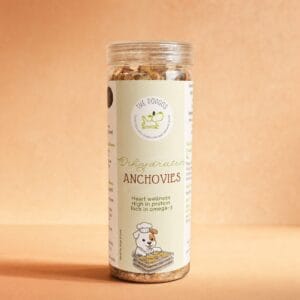
- Omega-3 Source: You MUST add Omega-3 to every chicken meal. Hemp Seed Oil is packed with GLA, an anti-inflammatory Omega-6 that bypasses enzyme deficiencies, directly soothing skin and joints. Dehydrated Anchovies or Sardines are also fantastic, rich in DHA for brain and joint health.
Carbohydrates and Fibre (in Moderation)
While dogs are carnivores, a small amount of digestible carbohydrates and fibre can aid digestion and provide energy. Think of them as fillers, not the main meal.
- Pumpkin: Excellent source of fibre, great for digestive health.
- Sweet Potato: A complex carb, good for energy, but in small amounts.
- Green Beans: Low calorie, good fibre.
Avoid excessive rice or roti, which can raise stomach pH and make dogs more susceptible to bacterial infections and poor nutrient absorption.
Joint Care: The Cornerstone of Bully Kutta Health
Given the Bully Kutta’s predisposition to joint issues, proactive joint care is not optional, it’s mandatory. This goes beyond just diet; it involves specific supplements and functional chews.
Why Dehydrated Mutton Trotters are a Joint Powerhouse
For a large, powerful breed like the Bully Kutta, Dehydrated Mutton Trotters are more than just a treat; they are functional medicine. They are precisely what your Bully Kutta needs for robust joint health and overall well-being. Each trotter is a dense package of natural nutrients:
- Rich in Collagen: Collagen is the primary structural protein in joints, cartilage, ligaments, and tendons. Regular intake helps maintain elasticity and strength, crucial for a Bully Kutta’s heavy frame.
- Natural Glucosamine & Chondroitin: These are the building blocks of cartilage, directly supporting joint repair and reducing inflammation. Instead of synthetic pills, your dog gets them in their most natural, bioavailable form.
- Dental Health: The act of chewing these tough, fibrous bones helps scrape away plaque and tartar, promoting excellent oral hygiene. This is vital as poor dental health can lead to systemic inflammation.
- Mental Enrichment: Chewing is a natural, stress-relieving activity for dogs. A long-lasting chew like a Mutton Trotter provides hours of engagement, reducing boredom and anxiety. This is especially important for powerful breeds that need mental stimulation.
My experience confirms their power. I’ve seen a Rajapalayam in Chennai with early signs of hip stiffness show remarkable improvement after adding Dehydrated Mutton Trotters to his diet twice a week. His gait became smoother, and he was more eager for his morning walks within just two months.
Other Joint-Supporting Supplements
To further bolster joint health, consider these additions:
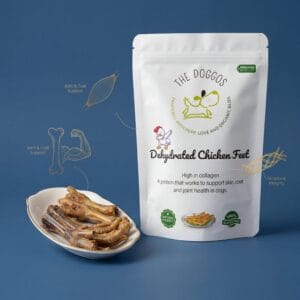
- Dehydrated Chicken Feet: Another fantastic source of natural glucosamine (around 450mg per foot) and chondroitin. They are a smaller, crunchier chew, great for daily dental cleaning and joint maintenance.
- Hemp Seed Oil: As mentioned, its high GLA content directly combats inflammation, which is key for arthritic or aging joints. It also contributes to a shiny coat and overall well-being. For more on joint supplements, check out our guide on Best Dog Supplements for Joint Health in India.
From Mahiv’s Practice: I once consulted for a particularly large Bully Kutta in Delhi who, at only three years old, was already showing discomfort in his hind legs. His owner was feeding a popular kibble brand and occasional boiled chicken with bones. We immediately switched him to a home-cooked mutton and pumpkin bowl, ensuring Omega-3 balance with 1 tsp of Hemp Seed Oil daily, and introduced Dehydrated Mutton Trotters three times a week. Within six weeks, the difference was visible: less stiffness, more playful, and his coat was gleaming. It’s a testament to how crucial a species-appropriate diet and proper joint support are for these magnificent dogs.
Mahiv’s Practical Feeding Guide for Your Bully Kutta
Here’s a sample daily meal plan to get you started. Adjust quantities based on your dog’s activity level, age, and metabolism.
Sample Daily Meal Plan (for a 30-40kg Adult Bully Kutta)
Morning Meal (e.g., Golden Chicken Bowl):
- 400-500g pressure-cooked chicken thighs (deboned), skin-on for taurine
- 50g chicken liver (Vitamin A)
- 100g red pumpkin, mashed into the broth
- 1 tsp turmeric paste (natural anti-inflammatory)
- 1 tsp Hemp Seed Oil (for Omega-3 balance and anti-inflammation)
- Optional: 1/4 cup cooked green beans or carrots
Evening Meal (e.g., Mutton Strength Stew):
- 300-400g pressure-cooked goat curry cut (deboned)
- 80g sweet potato or sabudana (tapioca pearls), cooked and mashed
- A handful of spinach, wilted in residual heat
- 1/2 tsp Bone and Organ Boost (for essential taurine and iron)
- Optional: 1-2 Dehydrated Anchovies for extra Omega-3s.
Chew Time (2-3 times a week):
- 1 Dehydrated Mutton Trotter for joint health, dental cleaning, and mental enrichment.
Transitioning to a Fresh Diet
Always transition slowly to avoid digestive upset. Expect some mucus in the stool around day 3-4, which is normal as the gut sheds its old lining.
- Days 1-2: 75% old food, 25% new food.
- Days 3-4: 50% old food, 50% new food.
- Days 5-6: 25% old food, 75% new food.
- Day 7 onwards: 100% fresh food.
If you notice excessive loose stools, reduce the new food portion and slow down the transition. A pinch of Baobab powder can also help settle the gut.
Common Mistakes Indian Pet Parents Make
Avoiding these pitfalls is crucial for your Bully Kutta’s long-term health:
- Over-relying on Kibble: While convenient, kibble is often high in carbohydrates and low in bioavailable protein, leading to digestive issues, allergies, and nutrient deficiencies.
- Feeding Cooked Bones: As stressed earlier, this is a life-threatening mistake. Stick to safe, dehydrated bones for calcium.
- Ignoring Omega-3s: Feeding a chicken-heavy diet without balancing the Omega-6s with Omega-3s leads to chronic inflammation, manifesting as skin issues, ear infections, and joint pain.
- Misunderstanding “Heat”: The concept of “heat” from chicken or eggs in Ayurveda is often misattributed. What you’re seeing as rashes or itching is typically an Omega-6 inflammation spike, not thermal heat. Balancing fats with cooling Hemp Seed Oil or fish will resolve it without needing to stop the protein.
- Exclusive Vegetarian Diets: Dogs are carnivores. A vegetarian diet, no matter how well-intentioned, cannot provide all the essential amino acids and nutrients a dog needs to thrive.
Frequently Asked Questions About Bully Kutta Diet & Joint Care
A well-planned, species-appropriate diet is the foundation of a long, healthy, and happy life for your magnificent Bully Kutta. Prioritise fresh, home-cooked meals, balance your nutrients, and integrate functional chews for optimal joint health. To learn more about my philosophy, read about Mahiv Amit Chhabra.
For the ultimate joint support and dental health for your Bully Kutta, I wholeheartedly recommend incorporating Dehydrated Mutton Trotters into their routine. These aren’t just treats; they are a vital component of a holistic diet, delivering natural collagen, glucosamine, and mental enrichment in one powerful chew. Give your Bully Kutta the strength and comfort they deserve.