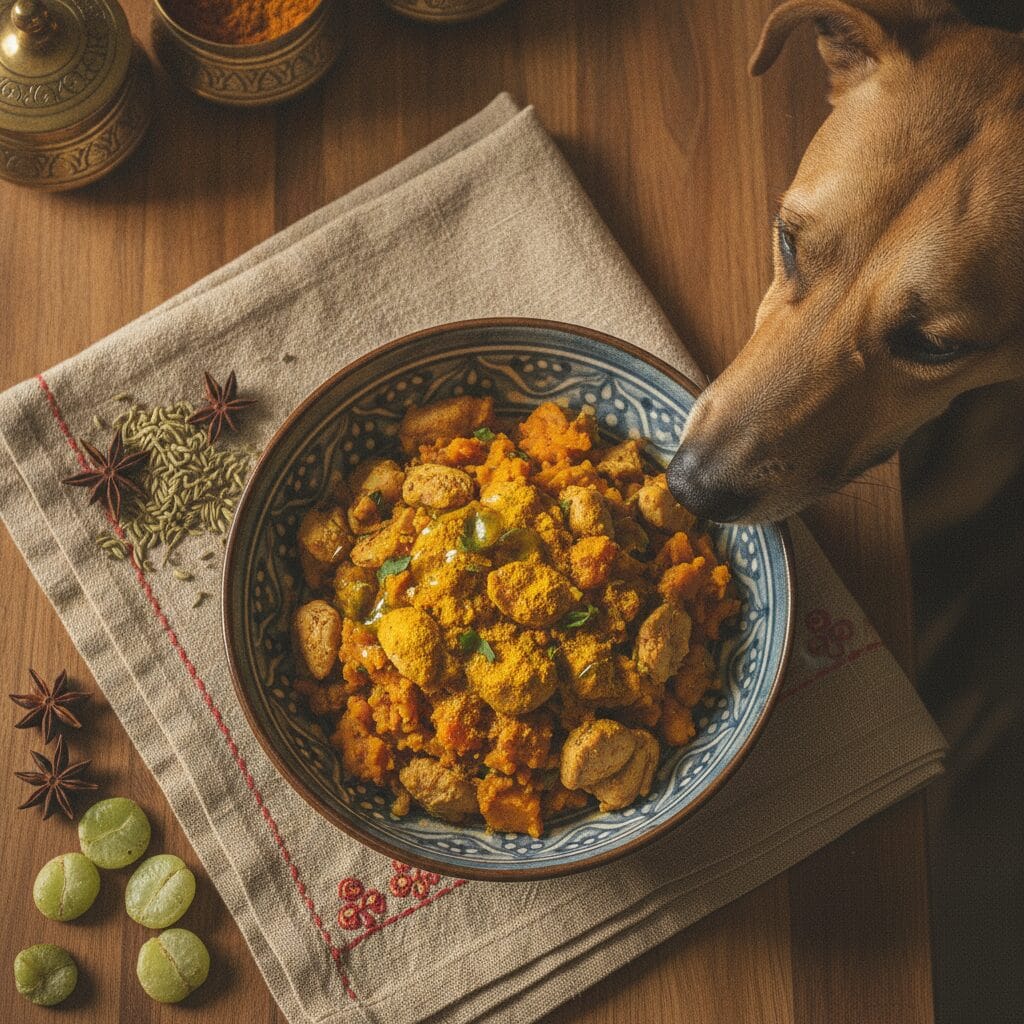
Many Indian pet parents wonder if their dogs can enjoy Amla, also known as Indian gooseberry, for its famed Vitamin C and antioxidant benefits. While Amla is packed with nutrients, direct feeding to dogs comes with specific risks, including high acidity and potential for digestive upset, making targeted solutions a safer choice for boosting immunity and skin health.
Quick Answer: Should Your Dog Eat Indian Gooseberry?
While Indian gooseberry (Amla) is a nutritional powerhouse for humans, I generally advise caution for dogs. Its high acidity can cause stomach upset, and the seed poses a choking hazard. For strong immune support and vibrant skin, safer, more bioavailable sources of antioxidants and skin-healing nutrients are preferred, such as a balanced fresh diet complemented by topical support like Baobab Oil for Dogs.
The Nutritional Power of Amla for Humans, and What It Means for Dogs
Amla, or Phyllanthus emblica, is celebrated in Ayurveda for its exceptional Vitamin C content, often cited as 5-6 times more than oranges. This potent antioxidant is crucial for immune function, collagen synthesis, and fighting oxidative stress. For humans, it’s a staple for health and vitality.
When we look at dogs, these benefits are appealing. Vitamin C supports their immune system, helps with wound healing, and is vital for healthy skin and joint cartilage. However, dogs produce their own Vitamin C in their liver, unlike humans. While supplementation can be beneficial during stress, illness, or old age, it’s not strictly necessary for healthy dogs on a balanced diet.
Why Indian Gooseberry Dogs Vitamin C Intake Needs Careful Consideration
The primary draw of Amla for dogs is its Vitamin C. However, simply having high Vitamin C doesn’t automatically make a food suitable. The form, acidity, and overall composition matter. Raw Amla is extremely sour and astringent, which most dogs find unpalatable. Processed forms, like powders or juices, often contain added sugars or preservatives which are detrimental to canine health.
Instead of forcing Amla, I focus on feeding a species-appropriate diet rich in whole, fresh ingredients. This naturally provides a spectrum of antioxidants and nutrients that support a dog’s inherent Vitamin C production and overall health.
Understanding the Risks of Amla for Dogs
While the nutrient profile of Amla is impressive, the potential downsides for our canine companions cannot be ignored, especially in an Indian household context.
- High Acidity and Digestive Upset: Amla is very acidic. A dog’s stomach is naturally highly acidic (pH 1-2) to digest meat and bones, but introducing a large quantity of another acidic food can disrupt this balance, leading to stomach upset, vomiting, or diarrhoea.
- Choking Hazard: The large, hard seed inside Amla is a significant choking risk, especially for smaller breeds or dogs that tend to gulp their food. Even if removed, small pieces can still be problematic.
- Oxalates: Amla contains oxalates, though typically in lower amounts than some other foods. In sensitive dogs, high oxalate intake can contribute to calcium oxalate stone formation, particularly if fed regularly in large quantities.
- Unpalatability: Most dogs simply won’t enjoy the intensely sour and astringent taste of raw Amla. Trying to hide it in their food might lead to food aversion.
- Processed Forms: Amla powders, murabbas, or candies are common in Indian homes. These are loaded with sugar, which is terrible for canine dental health, contributes to obesity, and can lead to diabetes. Always avoid these.
Traditional Wisdom vs. Canine Biology
In India, we often share our traditional remedies with our pets. While this comes from a place of love, it’s crucial to remember that canine physiology is different from human. What works for us might not be ideal for them.
In my years as a canine nutritionist, I’ve seen many well-meaning pet parents try to incorporate human superfoods into their dog’s diet. A Labrador client in Pune, for instance, developed persistent loose stools after her owner started adding a teaspoon of Amla powder to her meals daily, hoping to boost her immunity during monsoon. We halted the Amla, adjusted her fresh diet, and introduced a quality probiotic. Her digestion stabilised within a week. It highlights that sometimes, less is more, and targeted solutions are better than guesswork.
Safer Alternatives for Vitamin C and Skin Health
Instead of Amla, there are many safe and effective ways to boost your dog’s immunity and support healthy skin. For internal support, a diet rich in fresh, whole foods is paramount. For external, topical care, nothing beats Baobab Oil for Dogs.
Why Baobab Oil for Dogs is a Superior Choice for Skin Wellness
When it comes to nurturing your dog’s skin, especially in India’s challenging climate, Baobab Oil for Dogs stands out. Unlike heavy oils that sit on the surface, Baobab Oil has a unique fatty acid profile (high Palmitic and Oleic acid) that allows it to absorb deep into the epidermis, mimicking the skin’s natural lipid barrier. This means it heals from the inside out, providing direct, proven relief and protection.
Here’s why I recommend Baobab Oil for Dogs:
- Deep Absorption: Penetrates the skin barrier to deliver nutrients where they are needed most.
- Anti-inflammatory: Calms irritated skin, reducing redness and itching, which is crucial for conditions like hot spots. You can learn more about handling hot spots on dogs in India on our blog.
- Moisturising and Healing: Effectively combats dry, flaky skin, hyperkeratosis (crusty nose), and even helps reverse alopecia.
- Fungal and Bacterial Support: Its natural properties help to create an environment where fungal and bacterial infections struggle to thrive. I’ve seen fungal infections eradicated in 90 days with consistent application.
- Non-Greasy: Leaves no sticky residue, preventing dust and grime from clinging to your dog’s coat, a big plus in Indian conditions.
| Feature | Amla (Internal, Vitamin C) | Baobab Oil for Dogs (Topical, Skin Health) |
|---|---|---|
| Primary Benefit | Antioxidant, Immune Support | Deep Skin Healing, Hydration, Anti-inflammatory |
| Method of Use | Ingested (with caution) | Topical application to skin/coat |
| Acidity/pH Risk | High acidity, potential GI upset | Neutral pH, skin-friendly |
| Choking Hazard | Yes (seed) | None |
| Absorption | Digestive system | Directly into epidermis |
| Proven Results | Indirect benefits, potential risks | Direct healing of hot spots, fungal issues, dry skin |
Other Natural Ways to Boost Immunity and Skin Health
- Fresh, Whole Foods: A diet of gently cooked meat, organs, and appropriate vegetables provides a full spectrum of vitamins, minerals, and antioxidants. This is the foundation of canine health. Read our guide on what you should feed your dog for more insights.
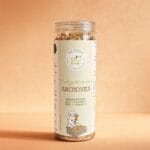
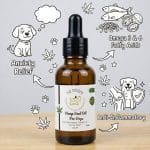
- Omega-3 Fatty Acids: Essential for reducing inflammation and promoting a healthy skin barrier. Dehydrated Anchovies or Hemp Seed Oil are excellent additions to every meal, balancing the Omega-6 heavy commercial chicken often found in India.
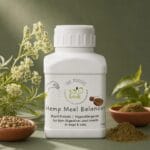
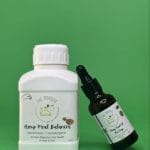
- Prebiotic Fibre: Foods like pumpkin or a pinch of Hemp Meal Balancer support a healthy gut microbiome, which is intrinsically linked to immunity and skin health.
- Antioxidant-Rich Vegetables: Small amounts of steamed carrots, spinach, or red pumpkin can offer a safe boost of vitamins and antioxidants without the acidity of Amla.
Common Mistakes Indian Pet Parents Make with Amla
Many Indian pet parents, with the best intentions, often make these mistakes:
- Feeding Raw Amla: The acidity and potential choking hazard from the seed are simply too high.
- Using Processed Amla Products: Murabbas, candies, or even some Amla powders contain sugar, artificial flavours, or preservatives that are harmful.
- Assuming Human Benefits Translate Directly: Just because Amla is a superfood for us, doesn’t mean it’s the best or safest choice for our dogs.
- Over-Supplementation: Believing more Vitamin C is always better. For dogs, excessive intake can lead to digestive issues.
Final Thoughts on Indian Gooseberry Dogs Vitamin C Intake
While the concept of using a natural, Vitamin C-rich food like Amla for our dogs is appealing, the practicalities and potential risks often outweigh the benefits. My philosophy, as a canine nutritionist, is always to prioritise safety, efficacy, and palatability.
For truly holistic wellness, focus on a balanced, fresh diet that addresses your dog’s biological needs. For targeted skin health and healing, especially for common Indian issues like hot spots and dry skin, Baobab Oil for Dogs offers a safe, natural, and highly effective solution. It provides direct relief and supports a healthy skin barrier, allowing your dog to thrive.
To explore more about holistic canine nutrition and natural solutions, visit my author page at The Doggos.