
Walk into pretty much any Indian home, and you’ll spot a bowl of fresh dahi chilling in the fridge. It’s our absolute go-to for everything, isn’t it? From cooling down on a sweltering afternoon to calming an upset stomach. So, naturally, as loving Indian pet parents, we’ve all wondered: can dogs eat curd in India?
Yes, absolutely! Plain, unsweetened curd (dahi) can be a really good thing to add to most dogs’ diets here in India. It gives them a healthy dose of probiotics for gut health, plus some protein and calcium. But here’s the thing: it’s super important to introduce it slowly to see if they’re okay with lactose, and always, always offer it in moderation.
The Desi Carnivore’s Take on Curd: Why Fermented Dairy is Different
As Mahiv Amit Chhabra, certified canine nutritionist and author of "The Desi Carnivore," I’m always pushing for a species-appropriate, meat-first diet for our dogs. Look, their bodies are just built for meat: a pH 1-2 stomach acid that’s strong enough to break down bone and zap bacteria, short intestines for super-fast protein processing, and absolutely no amylase in their saliva to pre-digest grains. So, where does dairy, especially curd, even fit into this whole carnivorous picture?
And while dogs don’t naturally eat dairy after they’re weaned, fermented stuff like curd? That’s a whole different beast compared to fresh milk. See, during fermentation, the lactose (that’s milk sugar) in dahi gets mostly broken down by all those good bacteria. This makes curd way easier for a lot of dogs to digest than milk, which often just causes a tummy upset because it’s packed with more lactose.
Think of it as the "Indian middle path" for dairy. Pure milk might be a no-go for many, but a little dahi? That’s often a different story for our furry friends.
Curd vs. Milk: Understanding the Dairy Divide
A lot of Indian households still give milk to puppies or sick dogs, believing it’s super nourishing. But here’s the kicker: adult dogs, just like most adult mammals, simply don’t make enough lactase, which is the enzyme they need to digest lactose. And that can often mean stuff like gas, bloating, and diarrhoea. Not fun.
Here’s why curd is generally a better choice:
- Less Lactose: Those good probiotics in curd actually "eat up" a big chunk of the lactose, making it way easier to digest.
- Probiotic Powerhouse: Curd is just packed with live, beneficial bacteria (like Lactobacillus and Streptococcus). They’re fantastic for keeping your dog’s gut microbiome happy and healthy.
- Nutrient Packed: And curd still keeps all that good stuff from milk: protein, calcium, and B vitamins.
If you’re still curious about milk, I’ve covered it in detail: Do Dogs Need Milk in India?
The Gut Health Goldmine: Benefits of Curd for Your Desi Dog
Beyond just being a tasty treat, plain curd has a lot of health perks, especially for gut health. And let’s be honest, a happy gut is the absolute key to them feeling good all over.
1. Probiotic Power for a Happy Tummy
This, my friends, is curd’s biggest superpower. Those live and active cultures in dahi basically bring in all the good bacteria to your dog’s gut. And a healthy gut microbiome? It’s super important for:
- Better Digestion: Helps them break down food and soak up nutrients way more efficiently.
- Stronger Immune System: A big chunk of their immune system actually lives in the gut. So, probiotics really help fight off bad stuff.
- Less Inflammation: A balanced gut can seriously help with widespread inflammation, which often pops up as skin issues or allergies. This is a big deal, especially for dogs struggling with "heat" related problems (which, honestly, I often explain as Omega-6 inflammation).
- Happier Poops: Firmer, more consistent poops are a dead giveaway of a healthy gut.
For dogs who get a bit gassy or have tummy troubles when you change their food, or after a course of antibiotics, curd can be a really gentle way to get those good bacteria back in their gut. Honestly, we often see dogs respond so well to a little dahi when their tummy just needs a little reset.
2. A Source of Calcium (But Not the Primary One!)
Curd does have calcium, sure, and that’s a super important mineral for strong bones, teeth, and all that proper nerve and muscle function. But here’s the really important thing to get: curd alone won’t cut it for your dog’s calcium needs, especially if they’re eating a home-cooked, boneless diet. See, meat gives them phosphorus, and you absolutely need an exact 1.2:1 Calcium:Phosphorus ratio to stop problems like osteopenia. This is why I always stress balance, yaar.
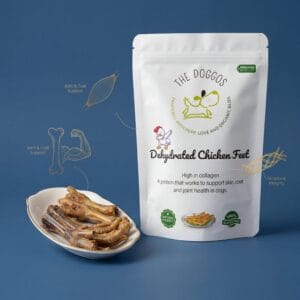
For truly balanced calcium, you just need bone. And this is exactly where dehydrated bones, like our Dehydrated Chicken Feet, really shine. They give your dog calcium their bodies can actually use, and it crumbles safely, unlike those dangerous cooked bones. So, think of curd as a calcium booster. Definitely not the main event.
3. Protein Boost
Curd gives them a decent amount of easily digestible protein, helping with muscle maintenance and all those general body functions. Now, it should never replace their main protein source (which, come on, should always be quality meat!), but it definitely adds a little extra oomph to the nutrition in their meal. Every bit helps, na?
Identifying Lactose Intolerance: Start Small, Watch Closely
Even if curd has way less lactose than milk, some dogs can still be a bit sensitive. And honestly, it’s super important to bring in any new food slowly, especially dairy stuff.
Signs of Lactose Intolerance:
- Diarrhoea: Loose or watery poops are usually the first big clue.
- Vomiting: Some pups might just throw up soon after having dairy.
- Gas and Bloating: Lots of farts and a swollen, uncomfortable belly can definitely mean something’s wrong.
- Abdominal Pain: Your dog could seem restless, stretch a lot, or just not want you touching their tummy.
The "Desi Carnivore" Introduction Protocol:
1. Just a Teaspoon to Start: For a medium-sized dog, literally begin with just one tiny teaspoon of plain, unsweetened curd mixed right into their regular meal. For smaller breeds, half a teaspoon is plenty.
2. Watch Them for a Day or Two: Keep an eye out for any tummy troubles for 24-48 hours. If everything seems fine, you can slowly bump up the amount over about a week.
3. Slowly Increase: If all systems are go, you can increase to 1-2 tablespoons for medium dogs, or 3-4 tablespoons for big breeds, a few times a week or even every day.
Remember, every dog is an individual. What works for one might not work for another. Trust your instincts and your dog’s signals.
Practical Feeding Guide: How to Serve Curd to Your Dog
Once you’ve made sure your dog can handle curd, there are a lot of ways to get this probiotic-packed food into their diet. Get creative!
Choosing the Right Curd:
- Plain & Unsweetened: This is absolutely non-negotiable. Seriously. Stay away from any flavoured curd, fruit-on-the-bottom stuff, or sweetened versions. These almost always have artificial sweeteners (like xylitol, which is super toxic to dogs, a total no-no!) or just way too much sugar. Both are really bad for them.
- Full-Fat or Low-Fat: For most active dogs, full-fat curd is perfectly fine and actually gives them more nutrients. If your dog’s carrying a bit too much weight, a low-fat plain curd could be an option, but just double-check it doesn’t have any weird additives.
- Freshness: Always make sure the curd is fresh. No sour or expired stuff, please.
Serving Ideas:
- Mixed into Meals: This is probably the easiest way! Just stir a spoonful or two into their regular cooked meat and vegetable meal.
- As a Topper: Drizzle it over their food. It’s a great way to add an extra punch of flavour and those good probiotics.
- Frozen Treat: On one of those scorching Indian summer days, freeze small dollops of plain curd on a silicone mat or in ice cube trays. My Lab (and even my neighbour’s Indie dog) goes absolutely crazy for these! They make fantastic, cooling, and healthy treats.
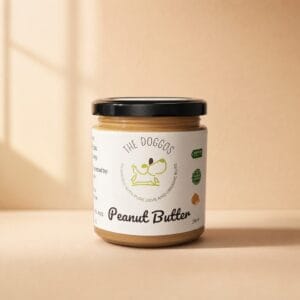
- Kong Filler: Mix some curd with a little peanut butter (but please, make sure it’s xylitol-free like ours!) and stuff it into a Kong. It’s a great mentally stimulating chew.
- With Baobab Powder: Want an extra gut and immune boost? Just mix a tiny pinch of Baobab powder into their curd. Baobab is loaded with Vitamin C and prebiotic fiber. Talk about perfect for digestive health!
The "Desi Gut Soother Bowl" (Simple Recipe):
This is a great option for dogs with a sensitive stomach or during a diet transition:
- 1/2 cup cooked, shredded chicken (pressure cooked and deboned, of course!)
- 1/4 cup mashed red pumpkin (steamed or boiled)
- 2-3 tablespoons plain, unsweetened curd
- A tiny pinch of turmeric paste (optional, but good for those anti-inflammatory benefits)
Mix everything together and serve. This combo gives them easily digestible protein, fibre, probiotics, and anti-inflammatory properties, so it’s a gentle, super nourishing meal. Perfect for a poorly pup.
Common Mistakes Indian Pet Parents Make with Curd
1. The "Heat" Myth and Misinformation
Lots of Indian households still believe certain foods, like chicken or eggs, cause "heat" in dogs, leading to skin issues. And while curd is often given as a "cooling" food, the real reason behind most skin inflammation, itching, and rashes is actually an imbalance of Omega-6 to Omega-3 fatty acids, not some thermal "heat." Commercial Indian chicken, especially what’s fed corn and soy, is just packed with inflammatory Omega-6s. It’s a pervasive myth, unfortunately.
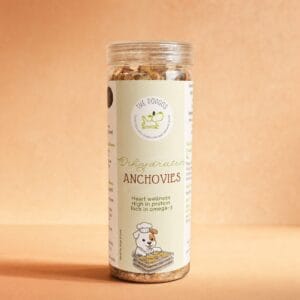
Sure, curd can help soothe the gut a bit, but the true solution for ongoing inflammation is all about balancing those fats. So, add Omega-3s like Hemp Seed Oil or Dehydrated Anchovies to their daily meals. These aren’t just "toppers"; they’re true "balancers." Really important stuff. For more on this, check out Why Is My Dog Always Itching?
2. Feeding Flavoured or Sweetened Curd
This is a big one, guys. Any curd with added sugar, artificial sweeteners (and seriously, xylitol is lethal for dogs), or artificial flavours is an absolute no-go. Always, always read the label really carefully, or better yet, just make your own dahi at home with plain milk. It’s not that hard, you know.
3. Relying on Curd as a Primary Calcium Source
Like I said before, curd gives a bit of calcium, but it’s simply not enough to balance a boneless meat diet. If you’re home-cooking, you absolutely MUST add calcium their bodies can actually use, whether it’s from dehydrated bones like Chicken Feet or Whole Quail, or a calcium supplement like eggshell powder. You need that super important 1.2:1 Calcium:Phosphorus ratio. Just feeding chicken and rice with curd will still lead to calcium deficiency over time, basically slowly stealing calcium from your dog’s own bones. That’s a scary thought.
4. Overfeeding
Even good things can be bad in excess, right? Too much curd, even if your dog isn’t lactose intolerant, can still give them a tummy ache, gas, or loose poops. Why? Just because it’s a pretty rich food. So, stick to those moderate amounts we talked about.
Frequently Asked Questions About Dogs and Curd
Q: Can puppies eat curd?
A: Yes, puppies can usually have small amounts of plain, unsweetened curd after they’re weaned, typically once they’re about 8-10 weeks old. But bring it in super slowly! Start with just half a teaspoon, and really watch for any tummy troubles. Curd can be a nice source of probiotics for their growing gut, which is a big plus.
Q: Is Greek yogurt better than regular curd for dogs?
A: Well, Greek yogurt is usually thicker and has even less lactose than regular curd, since they strain it more. Plus, it also usually has more protein. So, if your dog is super sensitive to lactose, plain, unsweetened Greek yogurt can be a great alternative. Just introduce it with the same care you would regular curd, okay?
Q: Can curd help with an upset stomach or diarrhoea in dogs?
A: For a little tummy upset or after they’ve finished antibiotics, yes, the probiotics in plain curd can definitely help get their gut flora back in balance and firm up their poops. But (and this is important!) if your dog has severe diarrhoea, is vomiting a lot, or showing signs of pain, it’s absolutely essential to see your vet right away. Curd’s there to help, but it’s definitely not a cure for anything serious, so don’t rely solely on it.
Q: How often can I give my dog curd?
A: If your dog handles it well, you can totally give them plain, unsweetened curd daily or a few times a week. For medium to large dogs, 1-3 tablespoons is usually a safe amount for them daily, while smaller dogs should just stick to 1-2 teaspoons. Always tweak it based on what your dog needs and how their tummy reacts, okay?
Q: What if my dog is lactose intolerant but needs probiotics?
A: If your dog shows any signs of lactose intolerance, please don’t force the curd. There are a lot of other great sources of probiotics and gut support out there. You could look into a good quality probiotic supplement made specifically for dogs, or bring in other gut-friendly stuff like fermented vegetables (say, a tiny bit of homemade kimchi, but absolutely no spice!) or our Hemp Meal Balancer, which has prebiotics to help their gut health. Lots of options!
The Desi Carnivore’s Verdict
So, plain, unsweetened curd? It can be a fantastic, probiotic-packed addition to your Indian dog’s diet, but only when given in moderation, and after you’ve made sure they handle it okay. It’s a great way to boost gut health, give them some calcium, and offer a lovely cooling treat, especially during our super-hot Indian summers. Who doesn’t love a cool treat?
But, always remember: while curd is good, it’s absolutely not a complete meal. It just works alongside a species-appropriate, meat-first diet that really focuses on fresh, real ingredients. For truly balanced nutrition, you’ve got to make sure you’re getting that Calcium:Phosphorus ratio right with safe, dehydrated bones, and balancing those Omega-6s with anti-inflammatory Omega-3s. It’s all about the balance, folks.
Here at The Doggos, we really believe in giving our furry family members the best nature has to offer, all tailored for our unique Indian context. From Hemp Seed Oil to help with skin and gut health, to our range of dehydrated functional treats that work like natural supplements, we’re totally here to help you build a happy, healthy life for your dog.
Stay healthy, stay desi!
Authored by Mahiv Amit Chhabra.
Gut-Friendly Treats & Supplements
- Hemp Meal Balancer — Prebiotic fiber for gut health — pairs great with curd
- Dehydrated Sardines — Easy-to-digest protein that supports gut health
- Pumpkin & PB Biscuits — Pumpkin soothes digestion — natural probiotic pairing