
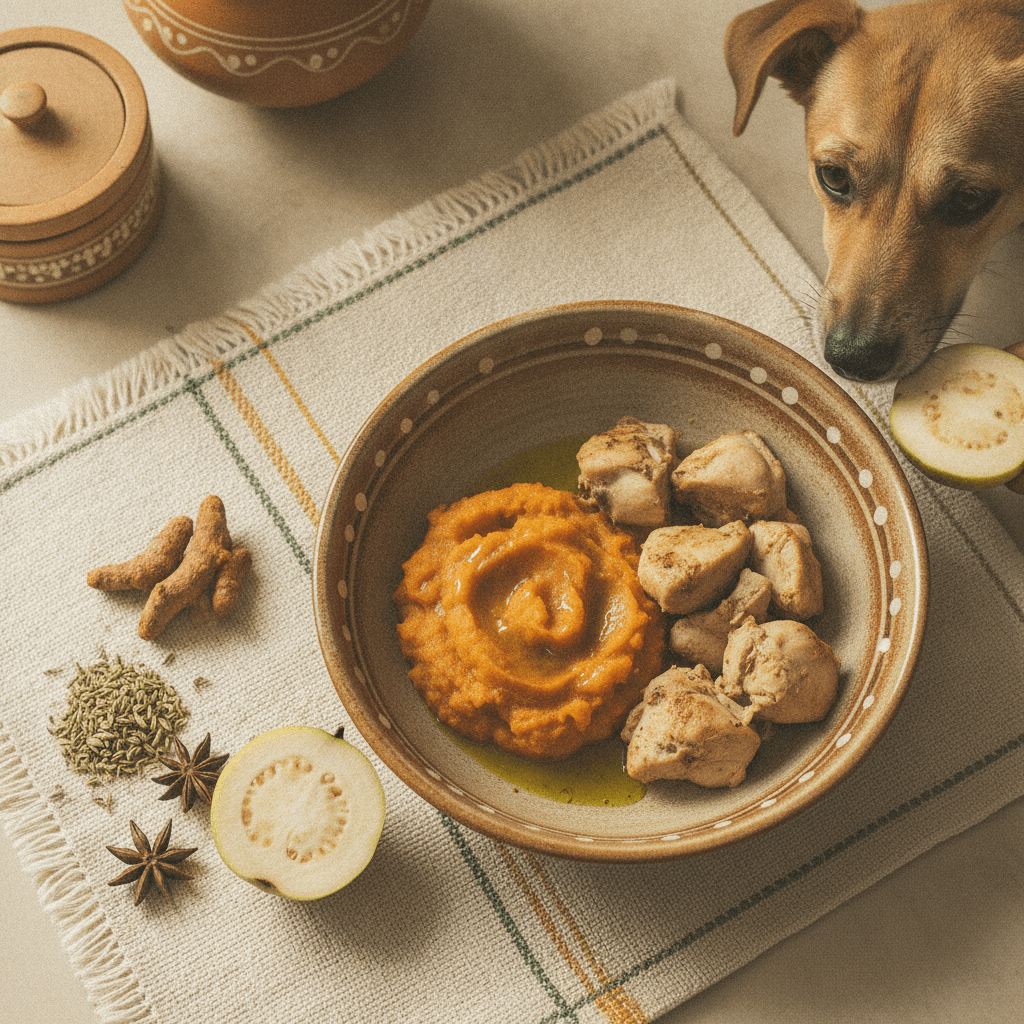
We all love our seasonal fruits in India, and guava, or amrood, is a favourite. Its sweet, tangy flavour and refreshing crunch make it a popular snack for us. But when your dog looks up at you with those pleading eyes, sharing your guava might feel natural. The big question for many Indian pet parents is: can dogs eat guava in India, considering its benefits and crucial seed safety?
Quick Answer: Can Dogs Eat Guava in India?
Yes, dogs can eat guava in India, but only in moderation and **strictly without the seeds**. Guava flesh offers vitamins C and A, and dietary fibre beneficial for digestion. However, its seeds present a choking hazard and can cause intestinal blockage. Always remove all seeds and offer only small, peeled pieces as an occasional treat, not a primary food source. For consistent nutritional balance and to ensure your dog thrives, consider a targeted supplement like our Hemp Meal Balancer.
The Nutritional Goodness of Guava for Dogs
Guava is more than just a tasty fruit. It’s a nutritional powerhouse, offering several benefits that can contribute to your dog’s overall health when fed correctly.
- Vitamin C: Guava is famously rich in Vitamin C, an antioxidant that supports the immune system and helps reduce inflammation. While dogs produce their own Vitamin C, an extra boost from natural sources can be beneficial, especially for older or stressed dogs.
- Vitamin A: Important for good vision, immune function, and skin health.
- Fibre: The pulp contains dietary fibre, which aids digestion and can help regulate bowel movements, preventing both constipation and loose stools.
- Potassium: Essential for nerve function, muscle contraction, and maintaining proper fluid balance.
- Antioxidants: Beyond vitamins, guava contains other antioxidants that help combat free radicals, protecting cells from damage.
However, it’s crucial to remember that these nutrients are best delivered through a balanced, species-appropriate diet. A fruit like guava is a treat, not a meal.
The Crucial Question: Can Dogs Eat Guava Seeds?
This is where the biggest risk lies. No, dogs should NOT eat guava seeds.
Guava seeds are hard, small, and numerous. They pose several significant dangers to your dog:
- Choking Hazard: Especially for smaller breeds or dogs that tend to gulp their food, the seeds can easily get lodged in the throat, leading to choking.
- Intestinal Obstruction: If swallowed, the indigestible seeds can accumulate in the digestive tract, leading to a blockage. This is a serious condition requiring immediate veterinary intervention, often surgery.
- Digestive Upset: Even if they pass, the sharp edges of the seeds can irritate the stomach and intestinal lining, causing vomiting, diarrhoea, and abdominal pain.
There’s also a common misconception about fruit seeds containing cyanide. While some fruit seeds (like apple or cherry pits) do contain trace amounts of cyanide-producing compounds, the primary concern with guava seeds is the physical obstruction and choking risk, not toxicity.
Safe Guava Serving Sizes for Indian Dogs
Moderation is key when introducing any new food, especially fruit. Here’s a general guideline for serving peeled, deseeded guava:
| Dog Size | Recommended Serving | Frequency |
|---|---|---|
| Small (e.g., Pomeranian, Chihuahua) | 1-2 small cubes (about 1 tsp) | 1-2 times a week |
| Medium (e.g., Indie, Beagle) | 2-3 medium cubes (about 1 tbsp) | 2-3 times a week |
| Large (e.g., Labrador, GSD) | 3-4 large cubes (about 2 tbsp) | 3-4 times a week |
Always start with a tiny amount to see how your dog reacts. Observe for any signs of digestive upset like diarrhoea or vomiting. If they show any adverse reactions, stop feeding immediately.
Benefits of Guava for Dogs in India
Beyond the general nutritional benefits, guava can be particularly appealing in the Indian context:
- Summer Hydration: Guava has a high water content, making it a refreshing, hydrating treat during India’s hot summers, especially for dogs who might not drink enough water. Remember, fresh food diets already provide more moisture, so this adds a bonus.
- Immune Boost: The rich Vitamin C content can support immunity, which is vital in our diverse climate with varying pathogens.
- Natural Fibre: For dogs on homemade diets that might lack sufficient fibre, a small amount of guava can help. However, a more consistent source like the prebiotics in our Hemp Meal Balancer is generally more reliable.
As a canine nutritionist, I’ve seen many Indian pet parents try to supplement their dog’s diet with seasonal fruits. While well-intentioned, the inconsistency of nutrient profiles and the risks like guava seeds often outweigh the benefits. For example, I had a client with a lovely Indie in Chennai who started having intermittent loose stools after getting generous amounts of fruit. We switched her to a balanced, gently cooked diet with consistent fibre and amino acid support from Hemp Meal Balancer, and her digestion became perfectly regular within a week. You can learn more about my philosophy and approach on my About Mahiv Chhabra page.
Potential Risks and How to Avoid Them
Even with deseeded guava, there are still a few things to keep in mind:
- Sugar Content: Guava, like all fruits, contains natural sugars. Excessive amounts can contribute to weight gain, dental issues, or worsen conditions like diabetes. Always feed in moderation.
- Pesticides: Fruits bought from local markets in India might have pesticide residues. Always wash guavas thoroughly, and consider peeling them to minimise exposure.
- Digestive Upset: Some dogs might be sensitive to guava, even without the seeds. Introduce it slowly and watch for signs of stomach upset.
- Allergies: Though rare, dogs can develop allergies to any food. Watch for itching, paw licking, facial swelling, or hives.
Guava’s ‘Cooling’ Effect in Ayurveda (and the Omega-6 Connection)
In traditional Indian systems like Ayurveda, guava is often considered a ‘cooling’ fruit. While this isn’t a direct scientific classification, it resonates with the idea of balancing the body. From a modern nutritional perspective, the ‘heat’ that many Indian pet parents attribute to foods like chicken is often an inflammatory response caused by an imbalanced Omega-6:3 ratio in commercial poultry.
Adding a ‘cooling’ fruit like guava might provide some relief due to its water content and antioxidants, but it doesn’t address the root cause of inflammation. For genuine anti-inflammatory benefits and to balance the ‘heat’ from high Omega-6 diets, I always recommend adding a reliable source of Omega-3s or GLA. This is why supplements like Hemp Seed Oil are so vital, as they directly combat inflammation at a cellular level, providing a much more effective and consistent solution than seasonal fruits.
Why Hemp Meal Balancer is a Safer, More Consistent Solution
While a small amount of deseeded guava can be a nice treat, it cannot replace a balanced diet. Relying on seasonal fruits for specific nutrients can lead to inconsistencies and potential deficiencies. This is especially true for essential amino acids, fibre, and crucial fatty acids.
This is precisely why I developed the Hemp Meal Balancer. It’s designed to take your homemade chicken-and-rice bowl from a ‘survival meal’ to a ‘thriving meal’.
- Complete Amino Acids: Ensures your dog gets all the essential amino acids often lacking in simple meat-and-carb meals.
- Prebiotic Fibre: Provides a consistent source of fibre to support gut health, far more reliably than occasional fruit.
- Balanced Nutrients: Helps bridge the nutritional gaps that even carefully prepared home meals can have, ensuring a consistent intake of vital micronutrients.
- Digestibility: Made from high-quality, digestible ingredients that support optimal nutrient absorption, leading to smaller, firmer stools.
Instead of hoping a fruit provides enough of X or Y, the Hemp Meal Balancer provides a predictable, scientifically formulated solution for your dog’s daily nutritional needs, making your home-cooked meals truly complete.
How to Safely Offer Guava to Your Dog
- Choose Ripe Guava: Select a ripe guava that is soft to the touch and has a sweet aroma. Overripe guava might be too sugary, and unripe guava can be hard to digest.
- Wash Thoroughly: Rinse the guava under running water to remove any dirt, bacteria, or pesticide residues.
- Peel the Skin: While guava skin is generally safe, it can be tough for some dogs to digest and may carry more pesticide residue. Peeling ensures easier digestion and safety.
- Remove ALL Seeds: This is the most critical step. Cut the guava in half or quarters and carefully scoop out every single seed. Double-check to ensure no small seeds remain.
- Cut into Small Pieces: Dice the deseeded flesh into small, bite-sized cubes appropriate for your dog’s size to prevent choking.
- Serve in Moderation: Offer only a small amount as an occasional treat, following the serving size guidelines above.
Common Mistakes Indian Pet Parents Make with Guava
- Feeding Whole or With Seeds: This is by far the most dangerous mistake, leading to choking or blockages. Always deseed the guava completely.
- Overfeeding: Treating guava as a significant part of the diet instead of an occasional treat. Too much fruit sugar can cause digestive upset and weight gain.
- Not Washing Properly: Overlooking the importance of thoroughly washing fruits, especially from local Indian markets, leading to pesticide exposure.
- Assuming All Fruits Are Equal: Believing that if one fruit is good, all fruits are. Each fruit has different risks and benefits. For instance, while guava is okay deseeded, grapes are highly toxic. Always research before feeding. For more on what to feed your dog in India, check out my guide on homemade dog food recipes India.
Frequently Asked Questions About Dogs and Guava