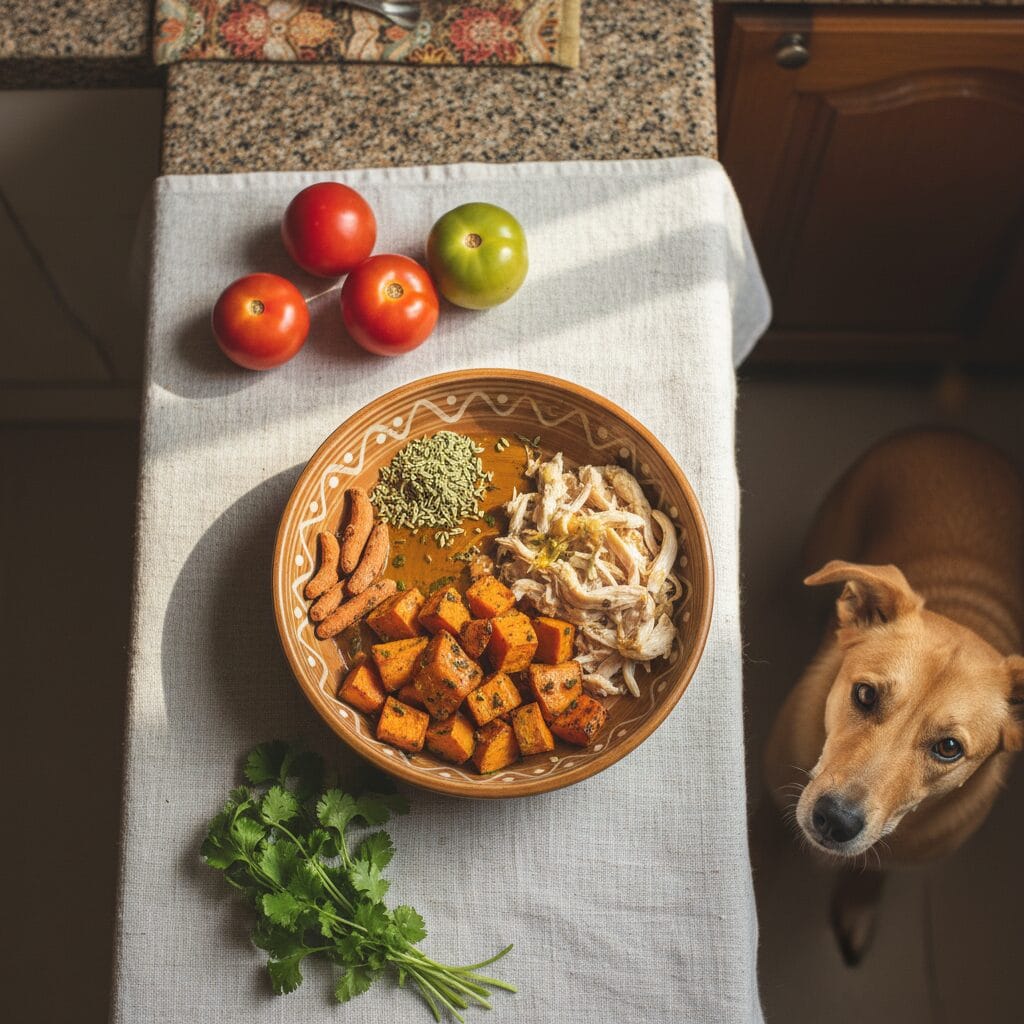
That vibrant, juicy red tomato, a staple in nearly every Indian kitchen, often sparks a question in the minds of pet parents: can dogs eat tomato safely? The internet is rife with conflicting advice, leaving many confused. Let’s clear the air.
Quick Answer: Yes, dogs can safely eat ripe, red tomatoes in moderation. The key is ‘ripe’ and ‘red’. Unripe (green) tomatoes and the green parts of the tomato plant (leaves, stems, flowers) contain a toxic compound called solanine, which can be harmful to dogs. Always remove all green parts and introduce ripe tomatoes slowly, observing for any digestive upset.
The Truth About Tomatoes and Dogs: Ripe vs. Unripe
The confusion around dogs and tomatoes stems from a very real danger: solanine. This glycoalkaloid is naturally present in plants of the nightshade family, which includes potatoes, eggplants, and yes, tomatoes.
While solanine is a natural defence mechanism for the plant, it’s toxic to dogs (and humans, in large enough doses). However, as tomatoes ripen and turn red, their solanine content dramatically decreases to negligible, safe levels. This is why the distinction between ripe and unripe is absolutely critical.
Why Unripe Tomatoes (and Plants) Are Dangerous
Imagine your curious Indie puppy sniffing around the vegetable patch or getting into the kitchen waste. If they chew on green tomatoes, stems, or leaves, they could ingest solanine. Symptoms of solanine poisoning can range from mild gastrointestinal upset (vomiting, diarrhoea) to lethargy, weakness, tremors, dilated pupils, and even cardiac depression in severe cases. Always keep your dog away from tomato plants and any green, unripe tomatoes.
This is especially important in Indian homes where many grow tomatoes in their gardens or have easy access to local markets where unripe produce might be discarded.
Benefits of Ripe Tomatoes for Dogs
Once you understand the safety protocols, ripe tomatoes can offer a small nutritional boost. They are:
- Hydrating: High water content, great for summer days in Mumbai or Chennai.
- Rich in Antioxidants: Lycopene, a powerful antioxidant, gives tomatoes their red colour and supports cellular health.
- Packed with Vitamins: Contains Vitamin C and Vitamin K, which contribute to immune function and blood clotting respectively.
- Good Fibre Source: Aids digestion and promotes healthy bowel movements.
Remember, these benefits come from a small, occasional serving. Tomatoes should never be a primary food source for your dog, whose diet should be primarily meat-based, as I discuss in my guide What Should I Feed My Dog?
From Mahiv’s Practice: I once had a client in Bengaluru whose Dachshund, a notorious garden snacker, developed mild tremors and vomiting after a monsoon shower. Turns out, he’d been nibbling on fallen green tomatoes from their balcony garden. After a quick vet visit for supportive care, we focused on preventing access and ensuring a species-appropriate diet. It’s a stark reminder that even common garden plants can pose a risk. Always supervise outdoor time and secure your home garden.
How to Safely Introduce Ripe Tomatoes to Your Dog
If you decide to offer your dog a ripe tomato, follow these steps to ensure it’s a safe and positive experience:
- Choose Wisely: Select only fully red, ripe tomatoes. Avoid any with green spots or blemishes.
- Wash Thoroughly: Just like for humans, wash the tomato thoroughly under running water to remove any pesticides or dirt.
- Remove All Green Parts: This is non-negotiable. Cut out the stem, leaves, and any remaining green bits.
- Cut into Small Pieces: Dice the tomato into small, bite-sized pieces appropriate for your dog’s size to prevent choking.
- Introduce Slowly: Start with a very small amount, perhaps a single tiny piece, and monitor your dog for 24-48 hours. Look for any signs of digestive upset like vomiting, diarrhoea, or unusual lethargy.
- Feed in Moderation: Tomatoes are a treat, not a meal. They should make up no more than 5-10% of your dog’s daily caloric intake.
Serving Sizes: How Much Tomato is Safe for Indian Dogs?
The amount of ripe tomato a dog can safely eat depends on their size and individual sensitivity. Start small and increase gradually.
| Dog Size | Weight Range (Approx.) | Recommended Serving (Ripe Tomato) | Frequency |
|---|---|---|---|
| Small Breeds (Pug, Dachshund) | Up to 10 kg | 1-2 small cherry tomatoes or 1-2 tsp diced | 1-2 times a week |
| Medium Breeds (Beagle, Indie) | 10-25 kg | 2-3 small cherry tomatoes or 1-2 tbsp diced | 2-3 times a week |
| Large Breeds (Labrador, GSD) | 25-45 kg | 4-5 small cherry tomatoes or 2-3 tbsp diced | 2-3 times a week |
| Giant Breeds (Great Dane, Mastiff) | Over 45 kg | 5-6 small cherry tomatoes or 3-4 tbsp diced | 3 times a week |
Key Numbers: For most dogs, a safe starting point is **1 teaspoon of diced ripe tomato per 10 kg of body weight, 1-2 times a week.** Observe their reaction carefully.
Common Mistakes Indian Pet Parents Make
- Feeding Unripe Tomatoes: This is the most dangerous mistake. Always ensure the tomato is fully red.
- Not Removing Green Parts: Even a tiny bit of stem or leaf can contain solanine. Be meticulous.
- Overfeeding: Too much of any new food, even a safe one, can lead to digestive upset. Stick to small, occasional treats.
- Assuming All Tomatoes are the Same: While most commercial tomatoes are safe when ripe, avoid giving your dog any part of a tomato plant from the garden.
- Relying on Vegetables for Core Nutrition: While a small amount of vegetable is fine, your dog is a carnivore. Their diet should be built around high-quality meat.
Enhancing Your Dog’s Diet Beyond Occasional Treats
While ripe tomatoes can be a harmless occasional treat, they shouldn’t distract from the fundamental requirements of a carnivorous diet. Dogs need high-quality protein, balanced fats, and essential micronutrients for optimal health.
One of the most common deficiencies I see in home-cooked Indian dog diets is a lack of balanced Omega-3 fatty acids. Commercial chicken, often fed as a staple, is typically high in inflammatory Omega-6s. This imbalance can lead to skin issues, joint pain, and a dull coat.
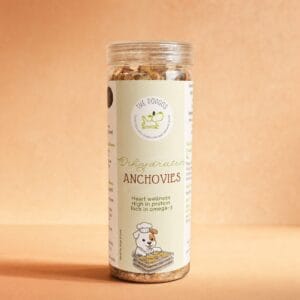
The Power of Dehydrated Anchovies for Daily Nutrition
This is where small, potent additions make a big difference. Our Dehydrated Anchovies are a fantastic, natural source of Omega-3s, particularly DHA, which is crucial for brain health, vision, and anti-inflammatory support. They are caught low on the food chain, meaning no heavy metal accumulation, unlike larger fish.
Adding a few dehydrated anchovies to your dog’s meal, whether it’s a home-cooked chicken bowl or even a bit of safe tomato, ensures they are getting those vital Omega-3s. It’s not just a treat; it’s a daily nutritional balancer that helps combat inflammation and supports overall vitality. They’re also odour-controlled, making them perfect for any household.
Frequently Asked Questions About Dogs and Tomatoes
Can dogs eat cooked tomatoes?
Yes, dogs can eat cooked ripe tomatoes, as long as they are plain and free from any toxic ingredients like onion, garlic, or excessive salt. Cooking further reduces solanine levels, making them even safer. However, avoid tomato sauces or ketchups, which often contain harmful additives.
What happens if a dog eats an unripe tomato or tomato plant?
If a dog eats unripe tomatoes or parts of the tomato plant (leaves, stems), they may experience solanine poisoning. Symptoms include vomiting, diarrhoea, lethargy, weakness, drooling, tremors, and dilated pupils. Seek veterinary attention immediately if you suspect poisoning.
Are cherry tomatoes safe for dogs?
Yes, ripe cherry tomatoes are safe for dogs, provided they are fully red and the stem and leaves are completely removed. Always cut them in half or quarters to prevent choking, especially for smaller dogs. Introduce them in small quantities.
Can dogs be allergic to tomatoes?
While rare, any food can potentially cause an allergic reaction or sensitivity in dogs. If your dog shows signs like itching, skin rashes, vomiting, or diarrhoea after eating tomatoes, discontinue feeding them and consult your vet. This is why a slow introduction is key.
Understanding what your dog can and cannot eat is a fundamental part of responsible pet parenting. While ripe tomatoes can be a safe and healthy treat in moderation, always prioritise a species-appropriate, meat-rich diet balanced with essential nutrients. For further insights into canine nutrition, feel free to learn more about me and The Desi Carnivore philosophy.
For a daily boost of vital Omega-3s and to ensure your dog’s diet remains balanced and anti-inflammatory, consider adding our Dehydrated Anchovies to their meals. They are a simple, effective way to support their brain, skin, and joint health, making every bowl a thriving meal.