In Indian kitchens, cauliflower, or gobhi, is a staple, gracing everything from sabzis to pakoras. As pet parents, we often find ourselves eyeing our plates, wondering if our beloved dogs can share in the bounty. The good news is, for your cauliflower dogs Indian diet guide, this common vegetable can indeed be a healthy addition.
Quick Answer: Yes, dogs can safely eat cauliflower in India when prepared correctly. This versatile vegetable offers fibre, vitamins C and K, and antioxidants. Serve it cooked, plain, and in moderation. This cauliflower dogs Indian diet guide will help you introduce it safely and balance your dog’s home-cooked meals, especially with the help of a Hemp Meal Balancer.
The Nutritional Benefits of Cauliflower for Dogs
Cauliflower is more than just a bland vegetable. It is a nutritional powerhouse for dogs, just as it is for humans.
- Rich in Fibre: Fibre is essential for healthy digestion, promoting regular bowel movements and preventing constipation. It also helps dogs feel full, which can be beneficial for weight management.
- Vitamins and Minerals: Cauliflower contains Vitamin C, a powerful antioxidant that supports the immune system. It also has Vitamin K, crucial for blood clotting and bone health, along with B vitamins (folate, B6) and minerals like potassium and manganese.
- Antioxidants: These compounds help combat free radicals in the body, reducing oxidative stress and potentially lowering the risk of chronic diseases and inflammation.
- Low in Calories: For dogs needing to watch their weight, cauliflower offers a low-calorie, nutrient-dense snack alternative to high-carb treats like biscuits.
Remember, while cauliflower offers great benefits, it should always be part of a balanced diet, not the sole component. Dogs are carnivores, and their primary nutrition must come from meat.
Safe Preparation: How to Feed Cauliflower to Your Dog
Feeding cauliflower safely to your dog in India requires attention to preparation. Simply sharing a piece from your spicy gobhi sabzi is not an option.
Always Cook It Thoroughly
Raw cauliflower can be difficult for dogs to digest, leading to gas and bloating. Cooking breaks down the tough fibres, making it easier on their system. Steam, boil, or gently roast it until it is soft. Avoid frying or adding excessive oil.
Keep It Plain and Simple
This is non-negotiable. Indian cooking often involves a medley of spices like haldi, mirchi, garam masala, and garlic or onion. These are not only irritating to a dog’s digestive system but can be toxic in larger quantities (especially garlic and onion). Serve cauliflower plain, without any salt, spices, butter, or oil.
Cut into Small, Manageable Pieces
To prevent choking hazards, especially for smaller breeds or enthusiastic eaters, cut the cooked cauliflower into small, bite-sized florets. Mash it slightly if you have a puppy or a senior dog with dental issues.
How Much Cauliflower Can a Dog Eat?
Moderation is key when introducing any new food to your dog’s diet. While cauliflower is healthy, too much can cause gas and bloating, especially due to its high fibre content and compounds known as isothiocyanates.
| Dog Weight (kg) | Recommended Daily Serving (Cooked Cauliflower) |
|---|---|
| Up to 5 kg | 1-2 small florets (approx. 10-20g) |
| 5-15 kg | 2-4 medium florets (approx. 20-40g) |
| 15-30 kg | 4-6 medium florets (approx. 40-60g) |
| Over 30 kg | Up to 1/4 cup chopped (approx. 60-80g) |
Start with a very small amount, perhaps just one tiny floret, and observe your dog for any signs of digestive upset over 24-48 hours. If they tolerate it well, you can gradually increase the portion size according to the table above. Never exceed these recommendations.
The Indian Context: Cooking and Hygiene
Living in India, our approach to feeding dogs must always consider local conditions. Unlike Western countries, raw feeding vegetables or even meat can pose hygiene risks. Our wet markets, especially in cities like Mumbai or Chennai, have high humidity, which means bacteria like Salmonella and E.coli can proliferate rapidly on fresh produce and meat.
This is why I always advocate for cooking vegetables and meat thoroughly. For meat, my method is to Cook the Meal, Dehydrate the Bone. This ensures pathogens are eliminated while preserving nutrient value. For vegetables like cauliflower, gentle steaming or boiling is ideal to make them safe and digestible.
The Importance of Balanced Nutrition with Hemp Meal Balancer
Adding vegetables like cauliflower is a great step towards improving your dog’s diet, but it is rarely enough to create a truly balanced home-cooked meal. Many Indian pet parents make the mistake of feeding just chicken and rice, maybe with a bit of pumpkin or a vegetable like gobhi. While well-intentioned, this often leads to nutritional gaps.
Dogs require a precise balance of macro and micronutrients, including specific amino acids, vitamins, and minerals that aren’t always present in sufficient quantities or ratios in a simple home-cooked meal. This is where a high-quality supplement becomes indispensable.
Why Every Home-Cooked Meal Needs a Hemp Meal Balancer
Even with carefully chosen vegetables like cauliflower, a home-cooked diet can fall short, especially if you are not meticulously calculating every nutrient. A Hemp Meal Balancer is specifically designed to bridge these gaps. It ensures your dog receives a complete profile of amino acids, essential fatty acids (like anti-inflammatory GLA), and crucial prebiotics for gut health.
Think of it this way: cauliflower provides fibre and some vitamins. Meat provides protein and phosphorus. But what about the optimal Calcium:Phosphorus ratio (which should be 1.2:1), or the right balance of Omega-6:3 fats, especially if you are using commercial chicken? The Hemp Meal Balancer takes care of these complex requirements, turning a good meal into a great, truly nourishing one. It’s not just a topper; it’s a foundational component for dogs on a fresh, homemade diet.
From Mahiv’s Practice: I once worked with a spirited Indie in Bengaluru whose owner was diligently cooking chicken, rice, and a medley of vegetables including cauliflower. Despite the effort, the dog suffered from recurring digestive upsets and dull coat. We introduced the Hemp Meal Balancer to his daily meals, and within two weeks, the stool consistency improved dramatically, and his coat began to shine. It’s a clear example that even the best intentions with home cooking need a scientific approach to nutrient balance.
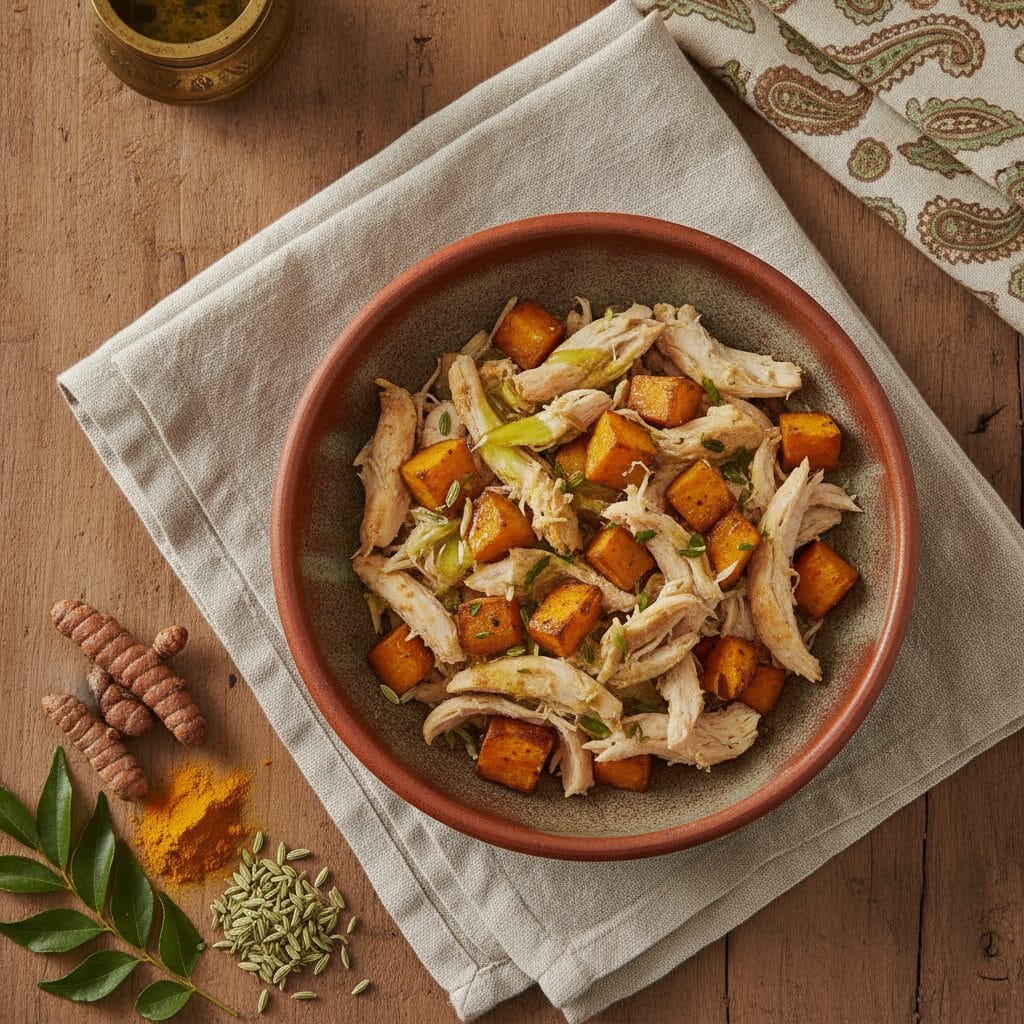
Simple Recipe: Cauliflower and Chicken Bowl
Here is a basic recipe incorporating cauliflower into your dog’s meal. Remember, this is a starting point, and you should always add a balancer for complete nutrition.
Ingredients:
- 250g boneless chicken thighs (pressure cooked until tender, then shredded)
- 50g cooked cauliflower florets (steamed or boiled until soft, then mashed or finely chopped)
- 50g cooked red pumpkin (mashed)
- 1/2 cup cooked rice (optional, for energy)
- 1 tsp Hemp Seed Oil (for Omega-3 balance)
- Recommended serving of Hemp Meal Balancer (as per packaging instructions)
Instructions:
- Pressure cook chicken thighs until tender. Once cooled, shred the chicken. NEVER feed cooked bones.
- Steam or boil cauliflower florets and red pumpkin until very soft. Mash them well.
- Combine the shredded chicken, mashed cauliflower, mashed pumpkin, and cooked rice (if using) in a bowl.
- Once the mixture has cooled completely, mix in the Hemp Seed Oil and the Hemp Meal Balancer.
- Serve immediately. Store any leftovers in an airtight container in the refrigerator for up to 2 days.
For more ideas on balanced homemade meals, check out our 10 Homemade Dog Food Recipes guide.
Common Mistakes Indian Pet Parents Make with Vegetables
While the intention is good, several common pitfalls can turn a healthy vegetable into a problem for your dog:
- Feeding Spiced Vegetables: This is the most common mistake. Our delicious curries and sabzis are packed with ingredients that are harmful to dogs. Always prepare a separate, plain portion for your pet.
- Overfeeding: Too much of a good thing can be bad. Even healthy vegetables like cauliflower, when given in large quantities, can cause gas, diarrhoea, or bloating.
- Relying Solely on Vegetables: Dogs are carnivores. While vegetables provide fibre and micronutrients, they cannot form the bulk of a dog’s diet. Their primary energy and protein must come from meat.
- Ignoring Nutrient Balance: Simply adding vegetables to a bowl of chicken and rice does not make it a nutritionally complete meal. As discussed, vital nutrients like calcium, specific amino acids, and balanced fats are often missing. This is why using a Hemp Meal Balancer is so critical.
By avoiding these mistakes and focusing on proper preparation and balanced nutrition, you can safely include healthy vegetables like cauliflower in your dog’s diet. For truly complete and balanced home-cooked meals, I always recommend incorporating a Hemp Meal Balancer.
For more on my philosophy and approach to canine nutrition, feel free to read about me.