
Look, every Indian dog parent wants the best for their furry family member. You’ve heard the buzz about raw feeding, the promise of natural, ancestral diets. But then you look at your local wet market in Mumbai or Chennai, the monsoon humidity, and that tiny voice in your head whispers, ‘Is this really safe for my home?’ It’s a valid concern, and one I, Mahiv Amit Chhabra, a certified canine nutritionist, hear all the time.
For Indian dogs, dehydrated treats are way safer than a full raw food diet, especially when we’re talking about bones and chews. While dogs are biologically carnivores, the practical hygiene risks of raw meat and bones from Indian wet markets, combined with the danger of feeding cooked bones, make our ‘Cook the Meal, Dehydrate the Bone’ method a much better choice for optimal health and household safety here in India. This approach gives you all the benefits without any of the risks linked to raw food for dogs.
The Raw Food Promise: Why It Sounds Good on Paper
Biologically, dogs are 99.9% wolf. Their digestive system is a carnivore’s dream, honestly: a pH of 1-2 in their stomach (that’s far more acidic than a human’s pH 4-5), short intestines made for quick protein processing, and no amylase in their saliva to pre-digest carbs. This means they are built to thrive on meat, organs, and bones. The idea of a raw diet, often called BARF (Biologically Appropriate Raw Food), basically tries to copy this ancestral diet, offering better digestibility and nutrient absorption compared to that super-processed kibble.
Basically, the idea’s simple: feed them what they were meant to eat. Advocates point to shinier coats, cleaner teeth, more energy, and smaller, firmer stools as evidence. And look, biologically speaking, they’re not wrong at all. If you want to dive deeper into the science behind raw feeding, you can read our detailed guide on raw food diet for dogs in India.
The Hygiene Gap: Why Raw Feeding Fails in Indian Households
Here’s where the romantic ideal of raw feeding crashes head-first into the real-world stuff of Indian life. The ‘hygiene gap’ is real, and it’s something we just can’t ignore. While a dog’s incredibly acidic stomach *can* handle pathogens like Salmonella and E.coli, but here’s the thing , the problem isn’t *just* about your dog’s gut.
- Indian Wet Markets Are Not European Supermarkets: Unlike regulated Western markets with proper cold storage and hygiene standards, our local wet markets are often open-air, humid, and meat sits exposed to the elements for extended periods. Bacteria grow crazy fast.
- Cross-Contamination is a Household Risk: Your dog drags that raw bone onto your favourite rug, holds it between their paws, then licks your child’s face. Raw meat juice splatters onto your kitchen counter. This introduces a huge risk of cross-contamination to your entire household, affecting humans and other pets. Yeah, a huge risk.
- The Unseen Danger: Even if your dog doesn’t get sick from the pathogens, you, your children, or elderly family members could. It’s an ethical line we, at The Doggos, just won’t cross.
This is why, even though we love the biological concept of raw feeding, bringing raw wet-market meat into an Indian household just brings a cross-contamination risk that we, ethically, can’t recommend. For us, cooking the meat is non-negotiable.
The Silent Threat: Why Cooked Bones Are a No-Go
Many super well-meaning Indian pet parents, aware of the raw food risks, try to ‘fix’ it by pressure cooking chicken or mutton with bones and feeding it all. This is super dangerous and a common trap, but a fatal one. Honestly, most vets won’t tell you this bluntly enough.
High heat, especially from pressure cooking, makes bones brittle. Instead of dissolving or crumbling safely, these bones shatter into sharp, jagged splinters. These splinters can poke holes in your dog’s intestines, leading to a condition called peritonitis, which is usually fatal. Look, I can’t stress this enough: NEVER feed cooked bones to your dog. If you’re unsure about what bones are safe, our guide on bones safety for dogs is a must-read.
Dehydrated Treats: The Best of Both Worlds for Desi Dogs
This is where The Doggos method, ‘Cook the Meal, Dehydrate the Bone,’ really shines. We offer the biological benefits of bone and whole prey in a format that is safe and hygienic for Indian homes. Dehydration is a low-temperature, long-duration (20+ hours) process. This keeps the bone’s natural, porous structure, allowing it to just crumble into a safe, chalky powder when chewed, rather than splintering.
Dehydrated treats are the Goldilocks solution, really: not raw (so no hygiene risks), and not cooked at high heat (so no splintering risks).
Dental Health & Mental Enrichment
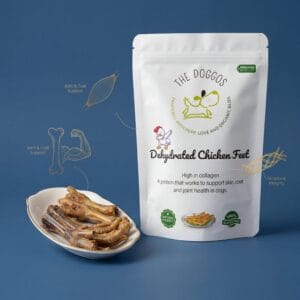
Beyond safety, dehydrated treats offer huge functional benefits. Chewing is a natural dog behaviour, releasing endorphins and serotonin, which calms your dog and satisfies their primal instincts. More importantly, the mechanical action of chewing on an appropriate dehydrated bone helps scrape away plaque and tartar, keeping their teeth super clean. Think of our Dehydrated Chicken Feet as natural toothbrushes and joint pills all in one, basically, or our Dehydrated Mutton Trotters as long-lasting dental scrapers for power chewers.
Essential Calcium & Minerals
A really common mistake in home-cooked diets is feeding boneless meat with rice. While it looks healthy, this creates a big calcium problem over time, as meat provides phosphorus but no calcium. This imbalance steals calcium from your dog’s own skeleton, leading to conditions like osteopenia or ‘Rubber Jaw’ syndrome. Dehydrated bones, like our Dehydrated Whole Quail, provide a perfectly balanced 1.2:1 Calcium:Phosphorus ratio, super important for strong bones and overall health. Whole Quail also offers manganese, which is key for ligament health and preventing CCL tears.
Functional Medicine in Every Bite
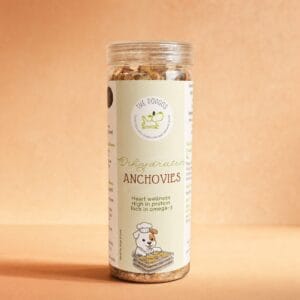
These aren’t just ‘treats’; they are functional medicine. Our Chicken Feet are jam-packed with natural glucosamine (around 450mg per foot!) and chondroitin, making them a natural joint supplement. Dehydrated Anchovies are small, short-lived fish, meaning no heavy metal bioaccumulation, and are full of DHA, super important for brain development in puppies and helping senior dogs avoid that ‘old dog dementia’ thing. Even our Dehydrated Goat Ears, with their natural fur, act as a ‘colon sweep,’ scrubbing intestinal walls and bulking stool to naturally express anal glands – perfect for a scooting dog! (I’ve seen this work with Indie dogs especially).
To understand more about the general benefits, check out our full guide: Are Dehydrated Treats Good for Dogs?
Dehydrated Treats vs. Raw Bones: A Head-to-Head for Indian Homes
Let’s put it simply, for the Indian pet parent, there’s a clear winner:
| Feature | Raw Bones (Wet Market) | Dehydrated Bones (The Doggos) |
|---|---|---|
| Safety (Bacterial) | High risk of Salmonella/E.coli. Think poor cold storage and our humidity. | Low bacterial risk. Dehydration process significantly reduces pathogens. |
| Safety (Physical) | Raw ones are generally okay *if* from a super clean place (rare here), but cooked ones? Lethal. | Crumbles into safe, chalky powder; no splintering risk. |
| Household Hygiene | Huge cross-contamination risk (your kitchen, your hands, your family). | Minimal cross-contamination; easy to handle, store clean. |
| Nutrient Retention | Great, but often comes with hygiene risks. | Excellent. That low-temp dehydration keeps all the good stuff (vitamins, minerals, enzymes) intact. |
| Dental Benefits | Good for scraping plaque and getting those gums moving. | Awesome for scraping plaque, massaging gums, and keeping them busy. |
| Convenience | Messy to handle. Needs super careful storage and cleaning. | Clean, lasts ages on the shelf, easy to store. No fridge needed! |
| Cost | Price varies. But seriously, think about potential vet bills , that’s a hidden cost. | Yeah, it’s a premium. But for safety, quality, and real health benefits? It’s an investment, pure and simple. |
How to Safely Incorporate Dehydrated Treats into Your Dog’s Diet
Integrating dehydrated treats into your dog’s routine is simple and rewarding:
- Start Slow: Just introduce a new chew 1-2 times a week. Gives your dog’s tummy time to get used to it.
- Supervise Chewing: Always watch your dog, especially with new chews. Make sure they’re chewing safely and not trying to swallow big chunks.
- Choose Appropriately: Pick treats that fit your dog’s size and how they chew. Little dogs might love Chicken Feet (my Lab goes crazy for these!), while a power chewer like a Lab or GSD would do better with a Mutton Trotter or a Dehydrated Pig Bone.
- Treats, Not Meals: Remember, these are super powerful functional supplements, not a whole meal. They help balance boneless home diets and give great enrichment.
- Hydration: Always make sure your dog has fresh water, especially after a good chew. They’ll need it!
For the best options for your furry friend, just check out our full range of dehydrated dog treats.
Common Mistakes Indian Pet Parents Make
In my experience, these are the pitfalls I often see:
- Feeding Cooked Bones: Like we talked about, this is *the* most dangerous mistake. It’s a fast track to the emergency vet, seriously.
- Assuming Raw is Always Best: Falling for that ‘natural’ raw appeal without really thinking about the huge hygiene issues unique to India. Big mistake.
- Boneless Home Diets Without Calcium: Just giving boneless chicken and rice for years? That’ll definitely lead to bone problems down the line. Calcium balance isn’t something you can skip.
- Treats as Just ‘Snacks’: Underestimating how powerful functional treats actually are. They’re not just empty calories, yaar; they’re targeted nutrition and enrichment.
- Ignoring Cross-Contamination: Thinking your dog’s stomach acid is the *only* thing that matters, forgetting all about your human family’s health. Don’t do it.
Frequently Asked Questions About Dehydrated Treats vs. Raw Food
Are dehydrated treats really as nutritious as raw bones?
Yes, totally! See, that low-temperature, long-duration dehydration process actually keeps most of the vitamins, minerals, and enzymes that are in raw bones. So your dog gets all that good stuff , calcium, phosphorus, collagen, trace minerals , but without the nasty bacteria or the danger of bones splintering, which you’d get from raw or high-heat cooked bones from our usual Indian wet markets. It’s a win-win, na?
Can I give my dog raw meat from the wet market if I cook it?
Yes, and you absolutely *should* cook raw meat from Indian wet markets! Cooking totally zaps harmful bacteria like Salmonella and E.coli, making the meat safe for your home and family. But here’s the crucial bit: remember our ‘Cook the Meal, Dehydrate the Bone’ rule. Always take the bones out *after* cooking. Why? Because cooked bones get brittle and can splinter dangerously. For calcium, stick to safe, dehydrated bones or good supplements.
My dog loves chewing on raw bones. What’s the biggest risk?
Okay, so dogs are totally wired to chew bones, right? But the *biggest* risk with raw bones, especially if you’re getting them from Indian wet markets, is bacterial contamination. Even if your dog’s super strong stomach acid can fight off some bad germs, that raw bone can easily spread bacteria all over your home , your kitchen counters, carpets, and even to your family members. That’s a huge cross-contamination risk! For truly safe chewing, go for our dehydrated bones. They give your dog all the same dental and nutritional goodness but without any of those hygiene worries.
What’s the difference between dehydrated bones and store-bought dental chews?
The difference? It’s huge, honestly. Dehydrated bones are simple, natural products , just 100% bone, maybe with a bit of meat or organ still attached. They give your dog exactly the kind of calcium, phosphorus, and collagen their bodies need. Store-bought dental chews, though? Most of those are super processed, full of starches, fake flavours, colours, and binders. Not exactly ideal for a carnivore’s digestive system, right? Our dehydrated treats are functional medicine, plain and simple. Not just empty calories.
How do I choose the right dehydrated treat for my dog?
Think about your dog’s size, how strong they chew, and what they specifically need. For pups or smaller dogs, Dehydrated Chicken Feet are awesome for their teeth and that joint-loving glucosamine. Got a medium to large dog, or a serious power chewer? Then Dehydrated Mutton Trotters or a Dehydrated Pig Bone will give them a much longer-lasting chew. And if you’re looking for Omega-3s, Dehydrated Anchovies are just perfect. Oh, and always, always watch your dog while they’re chewing to make sure they’re safe.
The Desi Carnivore Way: Safe, Biologically Appropriate, and Made for India
As Mahiv Amit Chhabra, I truly believe in feeding our dogs the way nature meant them to eat. But we *always* have to keep a sharp eye on safety, especially with all the unique challenges of our Indian environment. The whole dehydrated treats vs raw food dogs decision isn’t just about what’s nutritious; it’s about being a responsible pet parent, pure and simple.
But with The Doggos, you don’t have to compromise, na? You get all those ancestral benefits , the whole prey and bone-rich nutrition , through our safe, super hygienic dehydrated treats. They’re a perfect match for a home-cooked meat diet. It’s the smart, Desi Carnivore way to really help your dog thrive.
So go on, explore our full range of natural, functional products. Give your dog the gift of health and happiness, the Indian way. Want to know more about my philosophy and journey? Check out my about page.