Waking up to your dog with a bit of gunk in their eyes is a familiar scene for most Indian pet parents. But how do you tell if it’s just harmless ‘sleep’ or something more serious? The humid climate, dust, and pollution in cities like Mumbai or Delhi can often exacerbate minor irritations, making it even more important to understand what constitutes normal vs. abnormal eye discharge in India.
Quick Answer: Is My Dog’s Eye Discharge Normal vs. Abnormal in India?
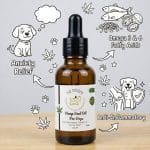
Normal dog eye discharge is typically clear to whitish, watery, or a small amount of dried, light brown crust in the inner corners, especially after sleep. However, if you notice yellow, green, thick, pus-like, or excessive discharge, accompanied by redness, swelling, squinting, or pawing at the eyes, it’s abnormal and indicates an underlying issue. Adding a daily dose of Hemp Seed Oil can often reduce inflammation that contributes to mild, persistent eye irritation.
Understanding Normal Eye Discharge in Indian Dogs
Just like humans, dogs produce tears to lubricate and protect their eyes. This natural process can leave behind a small amount of discharge. In India, factors like common household dust, occasional exposure to smoke from Diwali crackers, or even pollen during seasonal changes can slightly increase this normal discharge.
What Normal Eye Gunk Looks Like:
- Colour: Usually clear or a watery consistency. When dry, it can form a light brown or reddish-brown crust, often mistaken for blood, but it’s just oxidised tear proteins.
- Consistency: Watery, slightly sticky, or a hard, dry crust once it’s been exposed to air.
- Amount: Small, typically collecting in the inner corner of the eye, particularly after a long sleep.
- Associated Symptoms: None. Your dog’s eyes should otherwise appear clear, bright, and free from redness, swelling, or discomfort.
For breeds with prominent eyes like Pugs, Shih Tzus, or even some Indies with flatter faces, a slightly more noticeable amount of normal discharge can be common due to their eye structure.
Signs of Abnormal Eye Discharge and When to Worry
Abnormal eye discharge is a red flag. It indicates that something is irritating your dog’s eyes or that an infection is brewing. The Indian environment, with its unique blend of dust, humidity, and sometimes poor air quality, can be a breeding ground for eye irritations.
When to Be Concerned:
Here’s a comparison to help you differentiate:
| Feature | Normal Eye Discharge | Abnormal Eye Discharge |
|---|---|---|
| Colour | Clear, whitish, light brown (dried) | Yellow, green, dark brown, bloody |
| Consistency | Watery, slightly sticky, crusty when dry | Thick, pus-like, stringy, foamy |
| Amount | Small, usually after waking | Excessive, constant, requires frequent wiping |
| Associated Symptoms | None, eyes otherwise clear | Redness, swelling, squinting, rubbing, pain |
| Odour | None or very faint | Foul, strong, unpleasant |
Common Causes of Abnormal Eye Discharge in India:
- Allergies: Just like humans, dogs can suffer from environmental allergies (pollen, dust mites) or food allergies. This often leads to watery, clear discharge, redness, and itchiness.
- Bacterial or Viral Infections: Conjunctivitis (pink eye) is common. Discharge can be yellow or green, thick, and often accompanied by redness and swelling.
- Foreign Bodies: A speck of dust, a grass seed, or even a tiny insect can get into the eye, causing irritation, excessive tearing, and sometimes pawing at the face.
- Blocked Tear Ducts: If tears cannot drain properly, they can overflow, leading to wetness around the eyes and sometimes secondary infections.
- Breed-Specific Issues: Brachycephalic (flat-faced) breeds like Pugs, Bulldogs, or Shih Tzus are prone to eye problems due to their shallow eye sockets and prominent eyes. Breeds like Labradors can also develop certain eye conditions.
- Corneal Ulcers: A painful scratch or injury to the surface of the eye can cause excessive tearing, squinting, and sensitivity to light.
- Eyelid Abnormalities: Conditions like entropion (eyelid rolling inward) or ectropion (eyelid rolling outward) can irritate the eye and cause chronic discharge.
From Mahiv’s Practice: I once had a Golden Retriever client in Bengaluru who came in with persistent, watery eye discharge and constant paw licking. The vet had prescribed drops, but it kept coming back. We dug into her diet, which was mostly commercial chicken and rice. The high Omega-6 content from the corn-fed chicken was fuelling inflammation. We shifted her to a balanced fresh diet with added Hemp Seed Oil for its anti-inflammatory GLA. Within four weeks, the eye discharge cleared significantly, and the paw licking stopped. It’s a testament to how often systemic inflammation manifests in seemingly localised symptoms.
The Role of Diet and Inflammation in Eye Health
Many Indian pet parents overlook the crucial link between diet and eye health. What your dog eats directly impacts their inflammatory response, which can, in turn, affect their eyes.
- Omega-6:3 Imbalance: Commercial Indian chicken is often high in Omega-6 fats, which are pro-inflammatory when unbalanced. This can lead to chronic, low-grade inflammation throughout the body, manifesting as skin issues, ear infections, and yes, even eye irritation or increased discharge. This is often why dogs develop unexplained itching.
- The “Heat” Myth: What many call “heat” from chicken or eggs, leading to rashes or red eyes, is often just this Omega-6 induced inflammation, not thermal heat. Balancing these fats is key.
- Antioxidants: A diet rich in fresh vegetables provides antioxidants that protect eye cells from damage.
Ensuring a balanced, species-appropriate diet is foundational for overall health, including robust eye immunity and reduced inflammation.
Practical Steps for Pet Parents: What You Can Do at Home
Before rushing to the vet for every tiny speck, there are steps you can take to manage and prevent minor eye issues.
Home Care Tips:
- Gentle Cleaning: Use a clean, soft cloth or cotton ball soaked in lukewarm water or saline solution. Gently wipe from the inner corner of the eye outwards. Use a fresh cloth for each eye to prevent cross-contamination. Do this daily, especially for breeds prone to discharge.
- Maintain Grooming: For long-haired breeds, keep the hair around the eyes trimmed to prevent irritation.
- Environmental Control: Keep your home as dust-free as possible. During dry, dusty seasons or monsoon humidity, this is even more vital. Avoid exposing your dog to harsh chemicals, smoke, or strong perfumes.
- Dietary Adjustments: Review your dog’s diet. If feeding a chicken-based diet, ensure you are balancing the Omega-6:3 ratio. Consider adding high-quality Omega-3 sources like Dehydrated Anchovies or plant-based options like Hemp Seed Oil.
When to Consult Your Vet:
While home care helps, some symptoms warrant immediate veterinary attention:
- Any sudden change in discharge colour (yellow, green, bloody).
- Increased amount of discharge that doesn’t clear with gentle wiping.
- Redness, swelling, squinting, or pawing at the eye.
- Sensitivity to light.
- A visible foreign object in the eye.
- Cloudiness or change in the appearance of the eyeball itself.
- If your dog seems to be in pain or discomfort.
The Doggos Hemp Seed Oil: Your Ally Against Inflammation
For many dogs in India, a significant portion of their diet is chicken, which, as I’ve explained, can lead to an Omega-6 imbalance and chronic inflammation. This inflammation can manifest in various ways, including persistent eye irritation, redness, and discharge that isn’t severe enough for an immediate vet visit but is still concerning.
This is where Hemp Seed Oil becomes an invaluable tool. It’s rich in Gamma-Linolenic Acid (GLA), a rare Omega-6 fatty acid that actually acts as an anti-inflammatory. Unlike typical Omega-6s found in commercial chicken, GLA directly converts into Prostaglandin E1, a compound that actively reduces inflammation and supports a healthy skin barrier. For dogs with atopic dermatitis, dry, cracking paws, dandruff, or persistent eye irritation linked to inflammation, GLA provides direct relief.
Beyond its anti-inflammatory power, Hemp Seed Oil also has a mild anxiolytic, or calming, effect. This can be beneficial for dogs stressed by chronic discomfort, further aiding their recovery. For Indian households preferring plant-based supplements, it’s a perfect, odour-free solution to balance their dog’s diet and support overall health, including clear, healthy eyes. Learn more about the benefits of hemp for dogs.
Common Mistakes Indian Pet Parents Make
- Ignoring Dietary Imbalances: Assuming all meat is equal. Commercial chicken’s high Omega-6 content can be a silent driver of inflammation, including eye issues.
- Self-Medicating: Using human eye drops or home remedies without veterinary consultation. This can worsen infections or delay proper treatment, especially if the cause is serious.
- Attributing Everything to “Heat”: Believing chicken or eggs automatically cause “heat” and rashes, when it’s often an Omega-6 imbalance. Instead of stopping essential protein, balance the diet.
- Overlooking Environmental Factors: Not considering dust, pollution, or even household cleaning products as potential irritants for their dog’s sensitive eyes.
- Delaying Vet Visits: Waiting too long when symptoms are clearly abnormal. Early intervention can prevent minor issues from becoming severe.
Conclusion
Distinguishing between normal and abnormal dog eye discharge is a crucial skill for every Indian pet parent. While minor, clear discharge is usually harmless, any signs of colour change, thickness, excessive amounts, or accompanying symptoms like redness and pain warrant attention. Remember that diet plays a profound role in managing inflammation, a common underlying cause of many chronic issues. For more insights into holistic canine nutrition, consider reading my journey as a canine nutritionist.
By being observant, maintaining good hygiene, and ensuring a balanced diet, you can support your dog’s eye health. And for a proactive approach to reducing inflammation and promoting overall well-being, consider incorporating The Doggos Hemp Seed Oil into their daily routine.