In India, our love for our dogs often translates to feeding them what we eat. While well-intentioned, this can lead to serious nutritional imbalances. You might be wondering, ‘Who can guide me through this?’ That’s where an Indian canine nutritionist online steps in, offering expert, localised advice.
Quick Answer: What Does an Indian Canine Nutritionist Online Do?
An Indian canine nutritionist online provides expert guidance to create balanced, species-appropriate diets tailored to your dog’s unique needs and the Indian context. They address local hygiene concerns, nutritional imbalances like the Omega-6:3 ratio, and ensure essential nutrients often missed in home-cooked meals, recommending solutions like our Hemp Meal Balancer to complete the nutritional profile.
What Does an Indian Canine Nutritionist Do?
A canine nutritionist is more than just someone who tells you what to feed. They are a specialist in animal physiology, biochemistry, and the intricate nutritional needs of dogs. In the Indian context, their role becomes even more critical due to specific environmental and cultural factors.
Bridging the “Hygiene Gap” in India
One of the first things I address with clients looking for an Indian canine nutritionist online is the reality of our local food supply. Unlike Western countries, India’s wet markets, especially in cities like Mumbai or Chennai, present unique challenges. The humidity and ambient temperatures mean raw meat, while biologically appealing, carries a significant bacterial load. This is why at The Doggos, we advocate for the “Cook the Meal, Dehydrate the Bone” method.
Cook the Meat: Gentle cooking (like pressure cooking) eliminates pathogens like Salmonella and E.coli, making meals safe for your home without destroying essential nutrients.
Debone After Cooking: Crucially, cooked bones become brittle and can splinter, leading to fatal internal injuries. Always debone cooked meat.
Dehydrated Bones for Calcium: For crucial calcium and dental health, we rely on dehydrated bones like Dehydrated Chicken Feet. Dehydration preserves the porous structure, allowing them to crumble safely.
Balancing the Golden Rules: Calcium:Phosphorus and Omega 6:3
Many Indian pet parents feed home-cooked chicken and rice. While seemingly healthy, this diet often misses two critical balances:
- Calcium:Phosphorus Ratio (1.2:1): Meat is rich in phosphorus, but without enough calcium (found in bone), your dog’s body will leach calcium from its own skeleton. Over time, this leads to weak bones, fractures, and conditions like “Rubber Jaw” syndrome. A nutritionist ensures this ratio is correct.
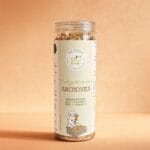
- Omega-6:3 Balance: Commercial Indian chicken is often fed corn and soy, leading to an Omega 6:3 ratio as high as 20:1 or 30:1. This floods the body with inflammatory markers, causing common issues like paw licking, hot spots, and chronic ear infections. An Indian canine nutritionist online will recommend balancing this with Omega-3 sources like Hemp Seed Oil or Dehydrated Anchovies.
Addressing Specific Indian Health Concerns
Beyond basic nutrition, a canine nutritionist can help with specific health issues prevalent in India:
- The “Heat” Myth: What many Indians attribute to “heat” from chicken or eggs (causing rashes, itching) is often an Omega-6 inflammatory response. A nutritionist can explain this and help balance the diet to resolve it.
- Tick Fever Recovery: For dogs recovering from tick fever, specific nutritional support is crucial to rebuild red blood cells and platelets. Mutton, rich in iron and zinc, is often recommended.
- Summer Appetite Loss: During hot Indian summers, dogs can lose appetite. A nutritionist can suggest cooling proteins and hydrating meals to keep them healthy.
Why You Might Need an Online Canine Nutritionist
You might be a new pet parent overwhelmed by information, or perhaps your senior dog is facing new health challenges. An Indian canine nutritionist online offers convenience and expertise:
- Tailored Diet Plans: No two dogs are exactly alike. A nutritionist creates a diet plan based on your dog’s breed (e.g., an Indie vs. a Labrador), age, activity level, existing health conditions, and even your family’s cooking preferences.
- Demystifying Ingredients: “Can dogs eat rice?” “Is roti good for dogs?” These are common questions. A nutritionist provides clear, evidence-based answers.
- Addressing Persistent Issues: If your dog suffers from chronic itching, dull coat, digestive upset, or allergies, often the root cause is dietary. A nutritionist can help identify and correct these.
- Preventative Health: A well-balanced diet is the foundation of long-term health, preventing many diseases before they start.
The Doggos Method: Cook the Meal, Dehydrate the Bone
At The Doggos, our philosophy is rooted in biological appropriateness, but adapted for the realities of Indian households. We believe dogs are carnivores, with stomach pH of 1-2, short digestive tracts, and no salivary amylase. This means they thrive on meat, not grains.
However, we staunchly believe in cooking meat to ensure hygiene, given the challenges of raw meat sourcing and handling in India. The key is in knowing what to cook, how to cook it, and what to add back for balance.
This method ensures your dog gets the highly digestible protein and fat they need, while safely incorporating essential minerals through dehydrated chews, avoiding the dangers of cooked bones. It’s the balanced, safe, and effective way to feed your dog in India.
My Experience as an Indian Canine Nutritionist Online
In my years as a certified canine nutritionist, I’ve seen countless cases where a simple dietary tweak made a world of difference. For instance, a four-year-old Golden Retriever in Delhi came to me with constant paw licking and recurrent ear infections, despite multiple vet visits for antibiotics. The owner believed chicken caused “heat.” After assessing his diet, which was mostly commercial chicken and rice, we simply added Hemp Seed Oil to balance the Omega-6:3 ratio and ensured proper calcium intake. Within eight weeks, the paw licking stopped, and his ears were clean. It wasn’t “heat,” it was inflammation.
The Role of the Hemp Meal Balancer in a Balanced Indian Diet
This brings me to a crucial component for any home-cooked diet in India: a high-quality meal balancer. Even with the best intentions, it is incredibly difficult to ensure every homemade meal meets all 40+ essential nutrients your dog needs daily. This is where a product like our Hemp Meal Balancer becomes indispensable.
The Hemp Meal Balancer is specifically designed to complement your home-cooked chicken or mutton meals. It’s not just a supplement; it’s a nutritional insurance policy. Here’s why:
- Complete Amino Acid Profile: Ensures your dog gets all essential amino acids often lacking when only one type of protein is fed regularly.
- Prebiotic Fibre: Supports a healthy gut microbiome, which is vital for nutrient absorption and strong immunity.
- Omega-3s: Further helps to balance the Omega-6:3 ratio, reducing inflammation and promoting healthy skin and coat.
- Vitamins and Minerals: Fills the gaps in micronutrients that might be lost during cooking or simply not present in sufficient quantities in common Indian ingredients.
Think of it as transforming a simple “survival meal” into a “thriving meal.” It takes the guesswork out of balancing, allowing you to confidently feed your dog wholesome, home-cooked food.
Choosing the Right Dog Nutrition Consultant in India
With so much information available, how do you pick a reliable dog nutrition consultant in India? Look for these qualities:
- Certifications: Ensure they are certified by a reputable canine nutrition body.
- Experience: Look for someone with practical experience, especially with Indian breeds and local dietary habits.
- Philosophy Alignment: Their approach should align with safe, effective practices for the Indian environment (e.g., advocating cooked meat and safe bone alternatives).
- Customisation: A good nutritionist will offer personalised plans, not one-size-fits-all solutions.
- Transparency: They should clearly explain their recommendations and the science behind them.
| Aspect | DIY Home-Cooked Diet (Typical Indian Home) | Nutritionist-Guided Diet (The Doggos Method) |
|---|---|---|
| Protein Source | Often just boneless chicken, rice | Varied meats (chicken, mutton, quail), organs |
| Bone & Calcium | Cooked bones (dangerous) or none (Ca deficiency) | Dehydrated bones (Chicken Feet, Whole Quail) or eggshell powder for safe Ca:P |
| Omega 6:3 Balance | High Omega-6 (commercial chicken, rice) | Balanced with Hemp Seed Oil or Anchovies for anti-inflammatory benefits |
| Digestibility | Often poor (high carbs, low enzymes) | High (fresh, species-appropriate, 90-94%) |
| Pathogen Risk | Raw meat (high risk in India) | Cooked meat (safe), dehydrated bones (safe) |
| Common Issues | Itching, dull coat, joint issues, large stools | Healthy skin, shiny coat, strong joints, firm stools |
Common Mistakes Indian Pet Parents Make with Diet
As an Indian canine nutritionist online, I frequently encounter these common errors:
- Feeding Cooked Bones: This is perhaps the most dangerous mistake. Cooked bones splinter and can cause serious internal damage. Always debone cooked meat.
- Excessive Roti or Rice: While dogs can digest some carbs, their digestive system is not designed for a high-carb diet. It strains their pancreas and can raise stomach pH, making them more susceptible to bacterial infections. Refer to our guide Is Roti Good for Dogs?
- Ignoring Calcium:Phosphorus Ratio: A boneless meat diet leads to calcium deficiency, weakening bones over time.
- Believing in “Heat” from Chicken: This often leads to unnecessary protein restriction. The issue is usually an Omega-6 imbalance, not the chicken itself.
- Reliance on Commercial Treats: Many commercial treats are full of sugar, maida, and artificial additives. Opt for functional, single-ingredient dehydrated treats instead.
Choosing to work with an Indian canine nutritionist online is an investment in your dog’s long-term health and happiness. It provides peace of mind that you are feeding them a diet truly suited to their biological needs and the unique environment we live in.