Mutton for Dogs: The Strength Builder Your Dog Needs
In the West, when people talk about “lamb” for dogs, they mean sheep. In India, when we say mutton, we mean goat.
And scientifically, goat is superior for the Indian dog.
Most Indian pet parents default to chicken—it’s cheap, available everywhere, and dogs love it. But if chicken is the “daily driver,” mutton is the “recovery vehicle”—the meat you reach for when your dog needs to rebuild strength, fight off illness, or stay warm through winter.
Let me show you the data.
The Numbers: Goat vs Chicken
Here’s what 100g of raw goat meat provides compared to 100g of chicken:
| Nutrient | Goat Meat | Chicken | Why It Matters |
| Iron | 3.0 mg | 0.9 mg | Goat has 3x more. Essential for blood rebuilding. |
| Zinc | 4.0 mg | 1.0 mg | Goat has 4x more. Critical for skin and immunity. |
| B12 | High | Moderate | Essential for nervous system health. |
| Fat | Low | Medium-High | Goat is leaner than commercial chicken. |
The numbers don’t lie. Goat meat is nutritionally denser than chicken in almost every metric that matters for health recovery.
Why Mutton Is the “Recovery Meat”
1. Post-Tick Fever Recovery
If you live in India, you’ve probably dealt with tick fever (Ehrlichia or Babesia). It’s endemic here, and it devastates a dog’s blood.
Tick fever destroys red blood cells and crashes platelet counts. After the infection is treated, the dog needs to rebuild their blood—and that requires iron and B12.
Mutton’s high heme-iron (the most absorbable form) and abundant B12 make it the single best dietary support for blood regeneration. If your dog is recovering from tick fever, switch from chicken to mutton for at least 4-6 weeks.
2. Senior Dogs with Stiff Joints
In Traditional Chinese Medicine (TCM) and Ayurveda, goat is classified as a “warming” protein. It increases circulation and generates internal heat.
For senior dogs with cold, stiff joints—especially during winter—mutton helps keep the body warm from the inside. The increased circulation brings blood flow to those aching joints.
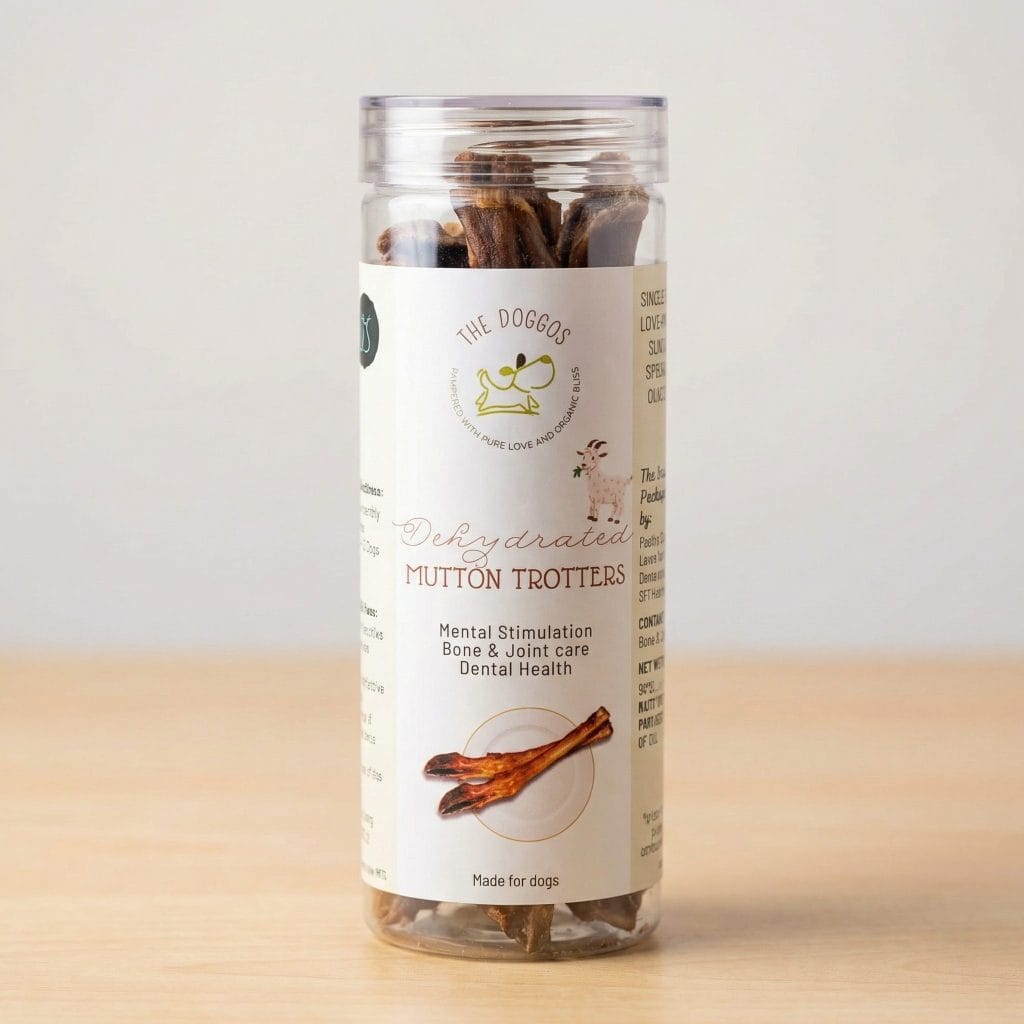
Combine mutton with dehydrated mutton mutton trotters (paya) for a joint-support powerhouse. The meat provides iron and B12; the trotters provide glucosamine, chondroitin, and collagen.
3. Lethargic, Low-Energy Dogs
Some dogs are just… tired. They don’t want to play. They don’t want to walk. They sleep all day.
Often this is dismissed as “laziness” or “personality.” But chronic fatigue can signal underlying nutritional deficiencies—particularly iron deficiency (anemia).
Switching from chicken to mutton provides 3x the iron. Many pet parents report a noticeable energy boost within 2-3 weeks of making the switch. In Ayurvedic/TCM terms, mutton “boosts Qi (energy).”
4. Underweight Dogs Who Need to Build Muscle
Mutton is protein-dense and nutrient-dense. For skinny dogs who struggle to put on healthy weight, it’s more efficient than chicken—more nutrition per gram means faster muscle building without excessive volume.
The Hypoallergenic Advantage
Here’s something most vets won’t tell you: many dogs “allergic to chicken” do perfectly fine on goat.
Why? Because it’s a biologically different protein structure. The immune system that’s sensitised to chicken proteins often doesn’t recognise goat proteins as a threat.
If your dog has been diagnosed with “chicken allergy” and you’ve been spending a fortune on prescription diets, try a simple switch to mutton before assuming you need exotic proteins. It works more often than you’d expect.
The Trotter Secret (Paya)
While the meat builds the body, the feet build the mind.
Dehydrated mutton trotters are the toughest natural chew available. They’re dense, they’re hard, and they take time to work through.
Mental Health Benefits:
Chewing a hard object releases dopamine and serotonin in the dog’s brain. It’s a natural calming activity—nature’s antidepressant. 20 minutes of chewing a mutton trotter can be more mentally tiring than a 45-minute walk.
For anxious dogs, destructive chewers, or dogs who can’t get enough exercise, a mutton trotter is therapeutic.
Dental Health Benefits:
The hard exterior acts as a natural scraper, removing plaque from the back molars that toothbrushes can’t reach. Dogs who chew trotters regularly have cleaner teeth and fresher breath.
How to Feed Mutton Correctly
The Cut: Curry cut (bone-in pieces) works well. The bones for dogs add flavour to the cooking liquid—but remember, remove all bones before serving. Cooked bones are dangerous.
The Cook: Mutton is tougher than chicken and needs longer cooking. Pressure cook for 4-5 whistles until tender. The longer cooking time actually creates a richer, more gelatinous broth that dogs love.
The Fat: Goat is leaner than you might expect, but adjust portions if your dog is overweight. For underweight or recovering dogs, the fat is beneficial.
The Balance: Mutton has a better omega profile than chicken, but still add some omega-3 (hemp oil or anchovies) for optimal balance.
Recipe: The Mutton Strength Stew
Perfect for post-tick fever recovery, winter feeding, and skinny dogs who need to build muscle.
Ingredients:
- 500g goat meat (curry cut, moderate fat)
- 100g sweet potato (shakarkandi), boiled and peeled
- Handful of spinach (palak), finely chopped
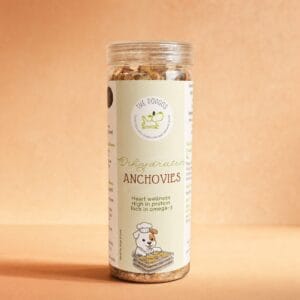
- Topper: 2 dehydrated anchovies
Method:
- Slow cook: Pressure cook mutton for 4-5 whistles until tender
- Debone: Remove all bones carefully
- Mash: Mash sweet potato into the mutton stock to create a thick, hearty gravy
- Wilt: Stir chopped spinach into the hot gravy—residual heat wilts it without destroying nutrients
- Top: Crumble dehydrated anchovies on top for omega-3 boost and crunch
When to Choose Mutton Over Chicken
- Recovering from tick fever or any blood-depleting illness
- Senior dogs with stiff joints, especially in winter
- Chronically lethargic or low-energy dogs
- Underweight dogs who need to build muscle
- Dogs with suspected chicken sensitivity
- Winter months when dogs need extra warmth
The Bottom Line
Chicken is fine for daily feeding. But mutton is medicine.
With 3x the iron, 4x the zinc, abundant B12, and a warming effect on the body, goat meat is the best protein choice for recovery, strength-building, and winter wellness.
Rotate it into your dog’s diet. Use it strategically when they need extra support. Combine it with dehydrated mutton trotters for joint and mental health.
Mutton isn’t just food. It’s fuel for recovery.
Ready to add mutton to your dog’s diet?
Pair cooked mutton with our Dehydrated Mutton Trotters for the complete joint and recovery package. For more recipes and the science behind species-appropriate feeding, download The Desi Carnivore.
────────────────────────────────────────────────────────────
About the Author: Mahiv Amit Chhabra is a certified canine nutritionist and founder of The Doggos. He has helped hundreds of Indian dogs recover from tick fever and chronic illness through targeted nutrition.
Mutton Treats from The Doggos
- Dehydrated Mutton Trotters — Slow-dehydrated goat trotters — glucosamine + collagen
- Bone and Organ Boost — Organ mix with liver, heart, and gizzard