
Waking up to the sound of your dog retching, only to find a puddle of foamy yellow liquid, is never a pleasant experience for any pet parent in India. This yellow bile can be alarming, but it’s often a sign of something manageable, though it always warrants attention.
Quick Answer: My Dog is Throwing Up Yellow Bile India
If your dog is throwing up yellow bile in India, it most commonly indicates an empty stomach, leading to a build-up of stomach acid. This phenomenon, often called ‘hunger pukes’, is typically resolved by adjusting feeding schedules to include smaller, more frequent meals. However, chronic bile vomiting can point to dietary imbalances or underlying issues. Introducing a nutrient-rich supplement like Hemp Meal Balancer can help stabilise digestion and provide essential nutrients to prevent recurrence.
Understanding Yellow Bile: Why It Happens
Yellow bile is a digestive fluid produced by the liver and stored in the gallbladder. Its primary role is to aid in the digestion of fats in the small intestine. When your dog’s stomach is empty for too long, stomach acid can build up and irritate the lining. This irritation often triggers vomiting, and since there’s no food to expel, the dog brings up this yellow, foamy liquid.
The Science Behind Hunger Pukes
- Stomach pH: Dogs, being true carnivores, have an incredibly acidic stomach pH of 1-2. This highly acidic environment is designed to break down raw meat and bones, and kill bacteria.
- Acid Build-up: If a dog goes too long without food, this potent stomach acid continues to be produced. Without food to neutralise it, it irritates the stomach lining.
- Reflux: In some cases, bile can reflux from the small intestine back into the stomach, especially when the stomach is empty, leading to the characteristic yellow vomit.
This is why skipping meals or having very long gaps between meals, common in many Indian households, can lead to these unsettling episodes.
Common Causes for Yellow Bile Vomiting in Indian Dogs
While an empty stomach is the most frequent culprit, several factors common to the Indian context can contribute to your dog throwing up yellow bile.
- Irregular Feeding Schedules: Many pet parents in India feed their dogs just once or twice a day, often with long gaps (e.g., morning and late evening). This leaves the stomach empty for 12+ hours, allowing acid to build up.
- Dietary Changes or Indiscretion: Sudden changes in diet, or scavenging something unsuitable during a walk in a Mumbai park, can upset the digestive system.
- Stress and Anxiety: Just like humans, stress (think Diwali fireworks or a new family member) can disrupt a dog’s digestive rhythm.
- Dehydration: Especially during the scorching Indian summers, dehydration can exacerbate digestive issues. Dogs on kibble diets are particularly prone to this, as kibble is only 10% water compared to fresh food’s 70%.
- Underlying Health Issues: Less commonly, yellow bile vomiting can be a symptom of pancreatitis, gastritis, inflammatory bowel disease, or even liver problems. If vomiting is persistent, accompanied by lethargy, fever, or diarrhoea, a vet visit is crucial.
The ‘Heat’ Myth and Inflammation
As a certified canine nutritionist, I’ve observed countless Indian pet parents attribute skin rashes or digestive upset to ‘heat’ from chicken or eggs. In reality, what’s often perceived as ‘heat’ is an inflammatory response to an imbalance in Omega-6 to Omega-3 fatty acids, especially with corn- and soy-fed commercial chicken. It’s not about the food being thermally ‘hot’ but metabolically inflammatory. Addressing this imbalance, not stopping the protein, is key to resolving the issue. You can learn more about my approach on my author page.
Many diets for dogs in India rely heavily on commercial chicken, which has an Omega 6:3 ratio often exceeding 20:1. This inflammatory imbalance can lead to a host of issues, including digestive upset and increased sensitivity, making dogs more prone to vomiting bile.
High-Carb Diets and Stomach pH
Feeding dogs excessive grains like rice or roti, common in many Indian households, can raise their stomach pH. Dogs lack amylase in their saliva, meaning carbohydrates hit their stomach largely undigested. A higher stomach pH makes it less effective at neutralising acids and killing bacteria, contributing to digestive irritation and making them more susceptible to issues like bile vomiting.
Home Triage: What to Do When Your Dog Vomits Yellow Bile
If your dog has just thrown up yellow bile, here are the immediate steps you can take at home:
- Withhold Food (Temporarily): If your dog has just vomited, give their stomach a short break. Withhold food for 4-6 hours. This allows the stomach to settle.
- Offer Small Amounts of Water: Ensure your dog stays hydrated. Offer small sips of water every 30-60 minutes. Do not let them gulp down a large bowl immediately, as this can trigger more vomiting.
- Introduce a Bland Diet: After the fast, if no further vomiting occurs, offer a small amount of bland food. This could be boiled chicken (boneless, skinless) and plain boiled rice (in a 1:2 ratio of protein to carb). Cook the chicken gently and de-bone it completely.
- Monitor Closely: Watch for any other symptoms like lethargy, diarrhoea, fever, or continued vomiting. If these occur, it’s time to consult your vet.
Preventative Measures: Dietary Adjustments for Long-Term Health
The best way to prevent your dog from throwing up yellow bile is to ensure a species-appropriate, balanced diet with consistent feeding times.
1. Optimise Feeding Schedule
Instead of one or two large meals, consider splitting their daily food intake into 3-4 smaller meals. This keeps their stomach from becoming too empty and reduces acid build-up. For puppies, 3-4 meals are essential. For adult dogs, 2-3 meals are ideal.
| Dog Age | Recommended Meals Per Day | Goal |
|---|---|---|
| Puppies (up to 6 months) | 3-4 small meals | Steady energy, prevent hunger pukes |
| Adult Dogs (7 months to 7 years) | 2-3 meals | Stabilise blood sugar, reduce acid build-up |
| Senior Dogs (8+ years) | 3-4 small meals | Easier digestion, consistent nutrient absorption |
2. Choose a Balanced, Fresh Diet
Move away from highly processed kibble or unbalanced home-cooked meals (like just chicken and rice). A fresh, gently cooked diet provides higher digestibility (90-94% vs kibble’s ~80%), leading to better nutrient absorption and smaller, firmer stools. For a complete guide, refer to What Should I Feed My Dog?
3. The Power of Hemp Meal Balancer for Digestive Health
One of the most effective ways to support your dog’s digestive system and prevent bile vomiting is by ensuring their diet is nutritionally complete. This is where Hemp Meal Balancer becomes an invaluable addition.
Why Hemp Meal Balancer is Your Dog’s Digestive Ally
The Doggos Hemp Meal Balancer is specifically formulated to bridge the nutritional gaps often found in homemade meals. It is not just a supplement; it’s a foundational component for gut health:
- Complete Amino Acid Profile: Provides all essential amino acids, crucial for cellular repair and enzyme production, supporting overall digestive function.
- Balanced Omega Fats: Corrects the inflammatory Omega 6:3 imbalance common in commercial chicken, reducing gut irritation and systemic inflammation.
- Prebiotic Fibre: Acts as food for beneficial gut bacteria, promoting a healthy microbiome. A balanced gut means better digestion and less sensitivity to stomach acid fluctuations.
- Digestive Enzymes: Supports the breakdown of food, ensuring maximum nutrient absorption and reducing the load on your dog’s digestive system.
By adding Hemp Meal Balancer to your dog’s meals, especially if they are on a chicken-based diet, you provide a complete blend of nutrients that stabilise their gut, reduce inflammation, and make their digestive system more resilient to hunger pukes.
4. Ensure Proper Hydration
Always have fresh, clean water available. If your dog is on a kibble diet, consider adding a little water to their meals to increase their overall water intake. Dogs on fresh diets typically drink less water because their food is 70% water, which is excellent for kidney health.
Common Mistakes Indian Pet Parents Make
- Feeding Cooked Bones: This is a critical safety hazard. Cooked bones become brittle and can splinter, leading to internal injuries. ALWAYS de-bone chicken after cooking. For safe chewing and calcium, offer dehydrated bones instead.
- Over-reliance on Rice/Roti: While small amounts of rice can be okay in a bland diet for upset stomachs, it should not be the primary component of your dog’s daily meal. Their bodies are not designed to process such high carbohydrate loads.
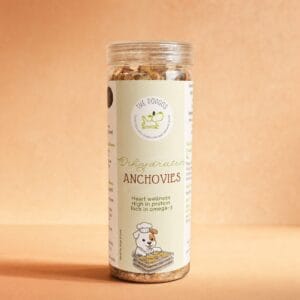
- Ignoring Omega-3s: Assuming chicken alone is enough. Without balancing the Omega-6s in commercial chicken with Omega-3s (from sources like Dehydrated Anchovies or Hemp Seed Oil), you’re inadvertently feeding inflammation.
- Panicking at Mucus in Stool: During a diet transition, a little mucus is normal as the gut sheds its old lining. It’s a sign of healing, not alarm.
When to See the Vet
While occasional yellow bile vomiting is often benign, certain signs warrant immediate veterinary attention:
- Vomiting persists for more than 24 hours.
- Vomiting is accompanied by lethargy, weakness, fever, or severe diarrhoea.
- Your dog attempts to vomit but nothing comes up (could indicate bloat).
- There is blood in the vomit.
- Your dog shows signs of abdominal pain (hunched posture, reluctance to be touched).
Always trust your instincts as a pet parent. If something feels off, it’s best to get a professional opinion.
Final Thoughts on Preventing Bile Vomiting
Seeing your dog unwell is distressing, but by understanding the common causes of yellow bile vomiting and implementing sensible dietary and feeding adjustments, you can significantly reduce its occurrence. Shifting to a fresh, balanced diet and optimising feeding schedules are foundational steps.
To ensure your dog is getting all the essential nutrients and to help stabilise their digestion effectively, consider adding The Doggos Hemp Meal Balancer to their daily meals. It’s a simple, yet powerful way to support their gut health and overall well-being.