![Home-cooked dog meal — Best Natural Cat Weight Loss Diet & Portion Control Guide in India [2026]](https://thedoggos.in/wp-content/uploads/2026/07/best-natural-cat-weight-loss-diet-portion-control-guide-in-i-featured.jpg "Best Natural Cat Weight Loss Diet & Portion Control Guide in India [2026] 1")
Seeing your furry feline friend become a little too fluffy can be concerning. In India, many cat parents struggle with their pets gaining extra kilos, often without realising the long-term health implications.
The best natural cat weight loss diet in India focuses on high-quality, lean animal proteins, controlled portions, and minimal carbohydrates. Prioritising species-appropriate meals, like gently cooked meat and specific whole prey options such as Dehydrated Whole Quail, helps cats shed excess weight safely while maintaining muscle mass and vitality.
Why is Your Cat Overweight? The Indian Context
Obesity in cats is a growing concern. Often, the reasons are rooted in modern lifestyles and common feeding practices. Here in India, several factors contribute to this.
- Indoor Lifestyle: Most urban Indian cats are exclusively indoor pets. While this keeps them safe from traffic and strays, it significantly reduces their activity levels compared to outdoor cats. Less running, jumping, and hunting means fewer calories burned.
- High-Carbohydrate Diets: Commercial kibble, unfortunately, often forms the bulk of a cat’s diet. These dry foods are typically high in carbohydrates, grains, starches, which are cheap fillers. Cats, as obligate carnivores, are not designed to process such high levels of carbs. This leads to fat storage and inflammation.
- Overfeeding and Free-Feeding: Many parents leave a bowl of kibble out all day, allowing their cat to graze. This ‘free-feeding’ prevents proper portion control. Combined with frequent treats, it’s a recipe for weight gain.
- Table Scraps: Sharing human food like roti, rice, or milk, while well-intentioned, adds unnecessary calories and ingredients cats cannot properly digest, contributing to weight gain and digestive upset.
I’ve worked with countless cats in Mumbai, from sleek Bombays to fluffy Persians. One common issue I see is parents trying to drastically cut calories, leading to a grumpy, undernourished cat. For a client’s 6kg obese Persian in Bandra, switching from high-carb kibble to a gently cooked chicken and fish diet, supplemented with small pieces of Dehydrated Whole Quail, saw a healthy 0.5kg weight loss over 8 weeks, with improved coat health and energy. It’s about nutrient density, not just calorie restriction.
The Carnivore’s Blueprint: Understanding Your Cat’s Nutritional Needs
To truly understand a natural cat weight loss diet, we must go back to basics: cats are obligate carnivores. This isn’t a preference; it’s a biological necessity.
- Meat is Essential: Their bodies are designed to derive all necessary nutrients from animal tissue. This means protein and fat are primary energy sources, not carbohydrates.
- Taurine: The Lifesaver: Cats cannot synthesise enough taurine, an amino acid, on their own. It must come from animal protein, and a deficiency can lead to heart disease (Dilated Cardiomyopathy) and blindness. This is why a vegetarian diet for cats is not only inappropriate but dangerous.
- No Amylase in Saliva: Unlike humans (and even dogs to a lesser extent), cat saliva lacks amylase, the enzyme that starts carbohydrate digestion. This means grains and starches hit their stomach effectively undigested, straining their pancreas and liver.
- Short Digestive Tract: Their digestive system is short and acidic, built for quickly processing meat, not for fermenting plant matter. High-fibre, high-carb diets often lead to digestive upset, poor nutrient absorption, and unhealthy weight gain.
Building the Best Natural Cat Weight Loss Diet in India
Creating an effective natural cat weight loss diet means ditching the fillers and embracing what your cat’s body truly needs. Here’s how to structure it:
1. Focus on Lean Animal Proteins
The foundation of any healthy cat diet, especially for weight loss, is high-quality, lean meat. This provides essential amino acids, including taurine, without excess fat or carbohydrates.
- Chicken: Gently cooked chicken breast or thighs (deboned after cooking, never feed cooked bones) are excellent. Remember to balance Omega-6 with Omega-3.
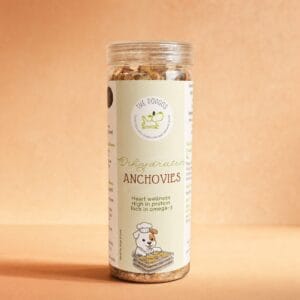
- Fish: Small, short-lived fish like anchovies or sardines are fantastic. They are low on the food chain, reducing heavy metal concerns, and packed with Omega-3s. Dehydrated Anchovies are a convenient way to add this.
- Quail: A novel, lean protein. Dehydrated Whole Quail offers a complete protein source with added benefits.
- Organ Meats: Small amounts of liver (rich in Vitamin A) and heart (excellent source of taurine) are crucial. Our Bone and Organ Boost can supplement these vital nutrients.
2. Healthy Fats in Moderation
While we’re aiming for weight loss, cats still need healthy fats for energy, nutrient absorption, and skin/coat health. The key is moderation and balance. Focus on Omega-3 fatty acids to counteract the inflammatory Omega-6s often found in commercial chicken.
3. Minimal Carbohydrates and Fillers
This is where most commercial cat foods fail. Eliminate grains, corn, soy, and excessive vegetables. A tiny amount of pumpkin or green beans can provide fibre, but they should not be a significant portion of the meal.
4. Prioritise Moisture
Fresh, gently cooked food is naturally high in water content (around 70%), which is vital for kidney health. Kibble, with only 10% moisture, forces cats to drink more, and many don’t compensate enough, leading to chronic dehydration.
Portion Control: The Key to Healthy Cat Weight Loss
Even the best food won’t lead to weight loss if overfed. Portion control is paramount. Here’s a general guide:
Calculating Your Cat’s Daily Calorie Needs for Weight Loss
The goal is to feed for your cat’s *ideal* weight, not their current overweight status. Consult your vet to determine your cat’s ideal body weight. A common starting point for weight loss is to calculate 80% of their Resting Energy Requirement (RER).
- RER (kcal/day) = 70 x (Ideal Body Weight in kg)^0.75
- For weight loss, aim for 80% of RER.
Example: For a cat whose ideal weight is 4 kg:
- RER = 70 x (4)^0.75 = 70 x 2.828 = ~198 kcal/day
- Weight Loss Target = 0.80 x 198 kcal = ~158 kcal/day
Key numbers: Most adult cats need between 150-250 calories per day for maintenance, depending on activity. For weight loss, target a deficit of 10-20% of their maintenance calories, always ensuring nutrient density.
| Cat’s Ideal Weight (kg) | Approx. RER (kcal/day) | Target Weight Loss Calories (80% RER) |
|---|---|---|
| 3 kg | 145 kcal | 116 kcal |
| 4 kg | 198 kcal | 158 kcal |
| 5 kg | 248 kcal | 198 kcal |
| 6 kg | 297 kcal | 238 kcal |
Divide this daily calorie target into 2-3 small meals. Use a kitchen scale for accurate portioning. Remember, these are guidelines; individual needs vary.
Integrating Dehydrated Whole Quail for Lean Weight Loss
For cats on a natural cat weight loss diet, Dehydrated Whole Quail is an exceptional choice. It’s a big change for several reasons:
- Hypoallergenic and Novel: Quail is a novel protein, meaning most cats haven’t been exposed to it, making it ideal for cats with common protein sensitivities or for an elimination diet.
- Whole Prey Nutrition: This isn’t just meat; it’s a whole prey item. This means it provides a balanced profile of muscle meat, organs, and finely ground bone, delivering natural calcium and phosphorus (essential for the 1.2:1 ratio).
- Natural Fibre from Feathers: The tiny feathers act as a natural ‘colon sweep’, providing insoluble keratin fibre. This helps scrub the intestinal walls, improve gut motility, and bulk stool, which can aid in natural anal gland expression – a common issue for many cats.
- Manganese for Ligaments: Quail is naturally rich in manganese, a trace mineral vital for healthy ligaments and connective tissues. This is especially important for overweight cats whose joints are under more stress.
- Rich in Taurine: As a whole animal protein, quail naturally provides the crucial amino acid taurine, vital for feline heart and eye health.
You can offer Dehydrated Whole Quail as a high-value treat, a meal topper, or as a component of a rotational diet. Its rich nutrient profile supports satiety, preventing your cat from feeling deprived while on a calorie-restricted plan. Just break off appropriate-sized pieces for your cat to chew and enjoy.
The “Heat” Myth and Omega Balance for Feline Health
In India, many cat parents mistakenly believe certain meats like chicken or eggs cause “heat” in their pets, leading to skin issues or lethargy. This isn’t thermal heat; it’s often a manifestation of inflammation, primarily driven by an imbalance of Omega-6 and Omega-3 fatty acids.
Commercial chicken, frequently fed to pets, is often high in Omega-6s due to corn and soy-heavy diets. Without sufficient Omega-3s to balance this, the body becomes prone to inflammation, which can show up as itchy skin, dull coat, or even digestive upset. Adding Omega-3s, like those found in small fish, is crucial.
Dehydrated Anchovies are an excellent source of anti-inflammatory Omega-3s (EPA and DHA). They are not just treats; they are balancers that help mitigate the inflammatory effects of a chicken-heavy diet, promoting a healthy coat and reducing “heat” symptoms.
Sample 7-Day Cat Weight Loss Meal Plan
Here’s a simple framework for a natural cat weight loss diet, focusing on portion control and nutrient density. Always introduce new foods gradually over 7 days to avoid digestive upset.
- Days 1-2: 75% old food, 25% new food.
- Days 3-4: 50% old food, 50% new food.
- Days 5-6: 25% old food, 75% new food.
- Day 7: 100% new food.
Daily Meal Structure (adjust portions based on calorie calculation above):
- Morning Meal: Gently cooked boneless chicken (thigh or breast) with a tiny pinch of turmeric. Ensure it’s fully deboned after cooking.
- Afternoon Snack/Enrichment: A small piece of Dehydrated Whole Quail or a few Dehydrated Anchovies for chewing and essential Omega-3s.
- Evening Meal: Gently cooked fish (sardines or Bombay duck) or lean goat meat (mutton). You can also add a small amount of cooked liver or heart. Sprinkle with Bone and Organ Boost for added taurine and minerals.
Remember to offer plenty of fresh water, ideally in a ceramic or stainless steel bowl, and consider a water fountain to encourage drinking.
Common Mistakes Indian Cat Parents Make During Weight Loss
While the intention is good, several common pitfalls can derail a cat’s weight loss journey or even endanger their health:
- Drastic Calorie Restriction: Severely cutting calories can be extremely dangerous for cats. It can lead to hepatic lipidosis (fatty liver disease), a life-threatening condition. Weight loss must be gradual and controlled.
- Feeding Only Dry Kibble: While convenient, kibble is typically high in carbs and low in moisture. It’s often calorie-dense and contributes to dehydration, making weight loss difficult and unhealthy.
- Ignoring Taurine: Relying on unbalanced homemade meals without sufficient organ meat or supplementation can lead to taurine deficiency, with severe consequences for heart and eye health.
- Too Many Unhealthy Treats: Commercial cat treats are often loaded with fillers and artificial ingredients. Opt for single-ingredient, dehydrated treats or small pieces of cooked meat.
- Lack of Exercise: A diet alone isn’t enough. Engage your cat with interactive play sessions, wand toys, laser pointers (use responsibly), and climbing structures to increase activity.
- Not Consulting a Vet: While I provide nutritional guidance, always consult your veterinarian to rule out underlying medical conditions (like thyroid issues) that might contribute to weight gain. They can help establish a safe target weight and monitor progress. For more insights on feline nutrition, you can learn about my approach as a certified canine nutritionist (many principles apply to cats too!).
FAQ: Natural Cat Weight Loss Diet
Can cats lose weight on kibble?
While it’s technically possible to reduce a cat’s weight by strictly portioning kibble, it’s not the healthiest or most natural approach. Kibble is often high in carbohydrates and low in moisture, which goes against a cat’s obligate carnivore biology. A natural cat weight loss diet focusing on lean, high-moisture meat proteins is far more effective and beneficial for overall health.
How fast should a cat lose weight?
A healthy and safe rate of weight loss for cats is typically 0.5% to 2% of their body weight per week. Losing weight too quickly can lead to serious health complications like hepatic lipidosis (fatty liver disease), which is life-threatening. Always aim for gradual, consistent weight loss under veterinary guidance.
What human foods can cats eat for weight loss?
For weight loss, focus on lean, unseasoned, cooked animal proteins. This includes small amounts of gently cooked chicken, turkey, or fish (like sardines or anchovies). Avoid all processed foods, dairy (milk, paneer), grains (roti, rice), and anything with seasonings, onions, or garlic. Small pieces of Dehydrated Whole Quail or Dehydrated Anchovies are excellent, safe human-grade options.
Is exercise important for cat weight loss?
Yes, exercise is crucial for cat weight loss, alongside a proper diet. Regular play sessions, using interactive toys, laser pointers (with a physical reward at the end), and encouraging climbing or chasing can significantly increase calorie expenditure and build muscle mass. Aim for several short play sessions throughout the day.
Helping your cat achieve a healthy weight is one of the best things you can do for their long-term health and happiness. By understanding their true carnivore nature and implementing a thoughtful natural cat weight loss diet, you’re not just reducing their waistline; you’re boosting their vitality. For a truly species-appropriate and nutrient-dense option that supports lean muscle mass and satiety, consider integrating Dehydrated Whole Quail into their routine. It’s a small change that can make a huge difference.
Related Reading
- Shop the anchor product: Dehydrated Whole Quail in the catalog.
- Read more: Best Natural Remedies for Cat Skin Issues & Fur Loss in India [2026].
- About the author: Mahiv Chhabra, certified canine nutritionist.