Watching your senior cat slow down can be heartbreaking. They might sleep more, play less, and perhaps even lose their once-voracious appetite. As a canine nutritionist, I’ve seen countless pet parents in India struggle to adapt their pet’s diet as they age, often missing the crucial changes that could extend their cat’s quality of life. For our feline companions, who are even more obligate carnivores than dogs, these dietary shifts are not just helpful, they are essential.
What is the Best Natural Senior Cat Diet in India?
The best natural senior cat diet in India focuses on easily digestible, moisture-rich, cooked animal proteins, balanced with essential nutrients like taurine, Omega-3s, and appropriate fibre. This means gently home-cooked (and deboned) meat supplemented with species-appropriate organ support like Dehydrated Bone and Organ Boost to address declining kidney function, joint health, and maintain muscle mass, all while ensuring proper hygiene for the Indian climate.
Why Senior Cats Need a Special Diet in India
Our senior cats, typically defined as those over 7-10 years old, experience physiological changes that demand a tailored nutritional approach. This isn’t just about reducing calories; it’s about optimising nutrient absorption and supporting vital organ function.
The Obligate Carnivore Reality
Cats are true obligate carnivores. Their bodies are designed to process meat, and meat alone. Unlike dogs, cats cannot synthesise taurine, an amino acid vital for heart health, vision, and immune function. As they age, their ability to absorb nutrients can decrease, making every meal critical. A diet lacking in species-appropriate protein or vital nutrients like taurine will quickly lead to health issues.
Age-Related Changes in Cats
- Reduced Metabolism and Activity: Senior cats burn fewer calories, so their diet needs to be nutrient-dense without being overly caloric to prevent obesity.
- Decreased Muscle Mass: They need high-quality protein to maintain lean muscle mass and prevent sarcopenia.
- Joint Health: Arthritis and joint stiffness are common. A diet rich in natural anti-inflammatories and joint-supporting nutrients helps.
- Dental Health: Dental issues can make eating painful, so softer, easier-to-chew foods are often preferred.
- Kidney Function: Kidney disease is prevalent in older cats. A moisture-rich diet is crucial for kidney support.
- Digestive Sensitivity: Older cats may have more sensitive digestive systems, requiring easily digestible ingredients.
The Doggos Method for Senior Cat Nutrition: Cooked Meat, Dehydrated Boost
At The Doggos, my philosophy, “Cook the Meal, Dehydrate the Bone,” is particularly relevant for senior cats in India. It balances biological needs with practical hygiene concerns.
Why Raw is Risky in India
While the biological concept of raw feeding sounds appealing for carnivores, the reality of Indian wet markets and our humid climate makes raw meat a significant cross-contamination risk in households. Pathogens like Salmonella and E.coli thrive in such conditions. Your cat might handle it, but can your family? I’ve detailed the hygiene gap in Indian raw feeding previously. For senior cats with potentially weaker immune systems, cooking their meat gently is a non-negotiable safety measure.
The Importance of Taurine and Micronutrients
Cats cannot produce taurine, meaning every meal must provide it. Organ meats like heart and liver are excellent natural sources. As cats age, their ability to absorb vitamins and minerals can decline. This is where targeted supplementation becomes vital. Beyond taurine, senior cats benefit from increased Omega-3s for anti-inflammatory support, B vitamins for energy, and antioxidants for cellular health.
Essential Components of a Natural Senior Cat Diet
Crafting a natural diet for your senior cat involves a few key pillars:
- High-Quality Animal Protein: Focus on easily digestible sources like chicken, goat, or fish. Ensure the protein content is sufficient to maintain muscle mass without overworking the kidneys. Always cook thoroughly and **debone completely**.
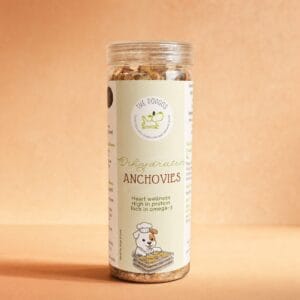
- Healthy Fats: Omega-3 fatty acids, found in small fish like anchovies and sardines, are powerful anti-inflammatories, crucial for joint health and cognitive function. Consider adding Dehydrated Anchovies to their meals.
- Moisture Content: Fresh, home-cooked food is naturally 70% water, compared to kibble which is only about 10%. This high moisture content is excellent for kidney health, a common concern in senior felines.
- Minimal Carbohydrates: Cats have no biological need for carbohydrates. Avoid grains, corn, and excessive starches which can lead to inflammation and put a strain on their pancreas.
- Fibre: Small amounts of easily digestible fibre from cooked pumpkin or green beans can aid digestion, but never in large quantities.
Introducing The Doggos Dehydrated Bone and Organ Boost for Senior Cats
One of the biggest challenges for cat parents is ensuring adequate taurine and essential micronutrients, especially when feeding home-cooked meals. This is where Dehydrated Bone and Organ Boost becomes an indispensable part of a natural senior cat diet in India.
This unique blend provides the concentrated nutrition of beef liver, heart, and kidney, all vital for senior cat health. Liver is packed with Vitamin A, B vitamins, and iron, while heart is a powerhouse of taurine, CoQ10, and essential amino acids. Kidney supports overall organ function. Dehydration ensures these nutrients are retained without the hygiene risks of raw organs.
Why Dehydrated Bone and Organ Boost is Vital for Senior Cats:
- Taurine Powerhouse: Directly addresses the critical taurine requirement, supporting heart and eye health.
- Rich in Iron: Essential for red blood cell production, crucial for older cats who might be prone to anaemia.
- complete Micronutrients: Provides a spectrum of B vitamins, Vitamin A, and other trace minerals often lacking in muscle meat-only diets.
- Supports Organ Health: The inclusion of various organs helps support the overall vitality of aging systems.
- Easy to Digest: Finely powdered, it’s easily mixed into wet food, making it palatable even for picky or sensitive senior cats.
For a senior cat, consistently providing these nutrients can significantly impact their energy levels, coat quality, and overall well-being. It’s not just a supplement; it’s a foundational component of a truly natural and complete diet.
Practical Feeding Guide: Crafting Your Senior Cat’s Bowl
Here’s a simple template for a homemade meal, designed to be balanced and easy on a senior cat’s system:
The “Senior Cat Power Bowl”
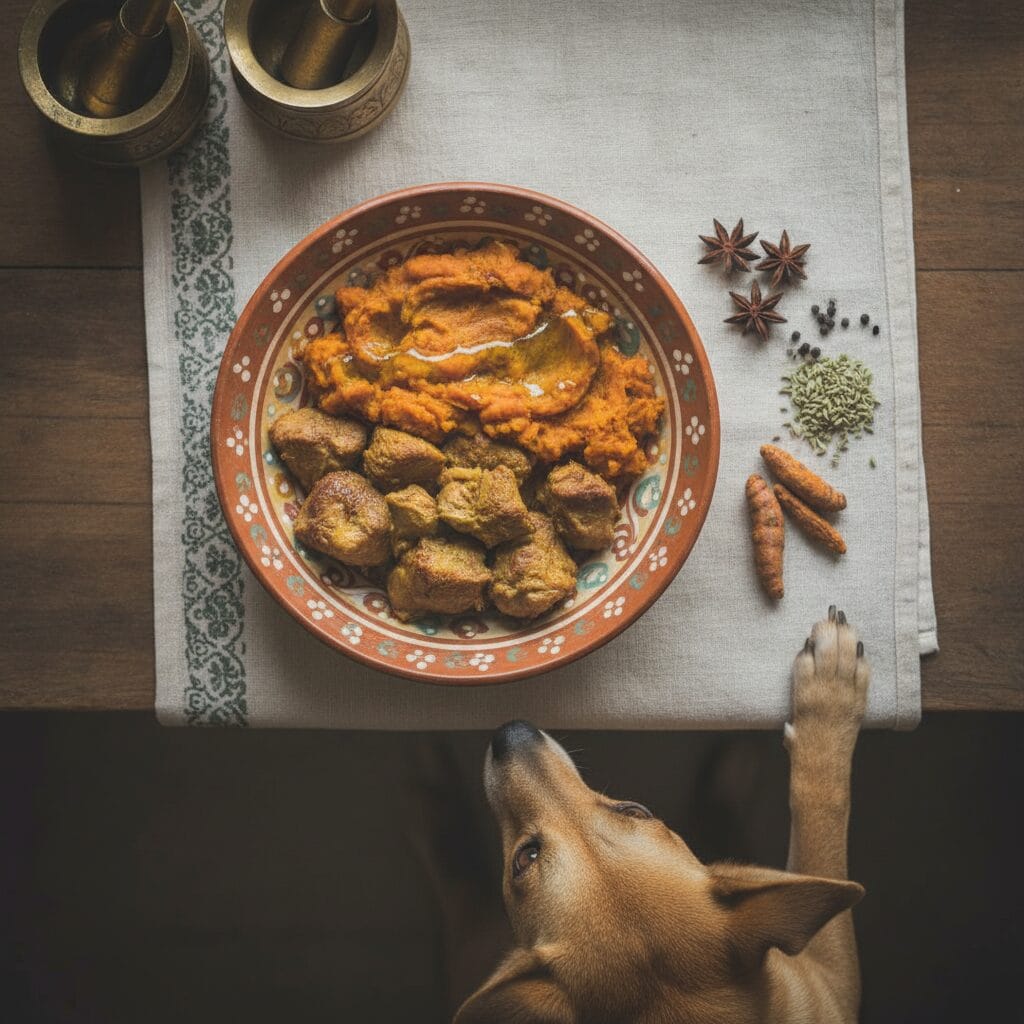
- Protein Base (70-75% of meal): 100-150g gently cooked (pressure cooked) boneless chicken thighs (skin on for extra fat and taurine) or goat. Mash it well or shred finely.
- Organ Boost: 1-2 teaspoons of Dehydrated Bone and Organ Boost, mixed thoroughly into the cooked meat.
- Omega-3s: 1-2 small Dehydrated Anchovies, crushed and mixed in, or a few drops of high-quality fish oil.
- Fibre (Optional, 5-10%): 1 tablespoon of finely mashed cooked pumpkin or steamed green beans.
- Water: Add a tablespoon or two of warm water or low-sodium chicken broth to increase moisture content.
Serve this warm. Adjust portion sizes based on your cat’s activity level, weight, and veterinary advice.
| Cat Weight (kg) | Daily Cooked Meat (g) | Bone and Organ Boost (tsp) | Dehydrated Anchovies (pieces) |
|---|---|---|---|
| 3-4 | 100-120 | 1 | 1-2 |
| 4-5 | 120-150 | 1.5 | 2-3 |
| 5-6+ | 150-180 | 2 | 3-4 |
Note: This is a general guideline. Always monitor your cat’s weight and condition.
In my 7 years of consulting, I’ve seen countless senior cats in Mumbai and Chennai thrive after switching from commercial kibble to a species-appropriate cooked diet. For instance, a 12-year-old Persian cat in Bandra, struggling with chronic constipation and dull coat, showed remarkable improvement within 4 weeks of being put on a cooked chicken and organ meat diet, bolstered by Dehydrated Bone and Organ Boost. Her stools became regular, her coat regained its lustre, and she even started playing more. The key was the moisture, the digestible protein, and the targeted nutrient support.
Mahiv Amit Chhabra, Certified Canine Nutritionist & Author, The Desi Carnivore
Common Mistakes Indian Pet Parents Make
Many well-meaning cat parents in India unknowingly compromise their senior cat’s health:
- Feeding Only Kibble: Kibble is dry, low in moisture, and often high in carbohydrates, all detrimental to a senior cat’s kidneys and digestive system.
- Boneless Chicken Only: While cooking and deboning is crucial, a diet of only muscle meat lacks vital organs and the balanced nutrient profile a carnivore needs.
- No Taurine Supplementation: This is a silent killer for cats. Without a consistent source of taurine, heart and vision problems are inevitable.
- Ignoring Hydration: Thinking a water bowl is enough. Fresh food provides significant hydration that kibble simply cannot match.
- Too Much Rice or Roti: Cats cannot process grains efficiently. These fillers lead to inflammation and nutrient deficiencies, especially in older cats.
- Over-reliance on Dairy: Many cats are lactose intolerant. While small amounts of curd can be a probiotic boost, it shouldn’t be a staple.
Remember, a senior cat’s diet needs to be a conscious effort to provide the best quality of life in their golden years. Beyond daily meals, consider natural enrichment through species-appropriate cat treats as well.
Frequently Asked Questions about Natural Senior Cat Diets in India