Cats are not small dogs. And they’re certainly not vegetarians. They are obligate carnivores. Built from whiskers to tail to hunt and process meat. When it comes to feeding your feline friend in India, the debate between raw and gently cooked cat food is more than just a trend. It’s a critical safety and health discussion. Especially considering our unique climate.
Quick Answer: Raw vs Gently Cooked Cat Food for Indian Climate
For Indian cats, gently cooked cat food is generally safer and more practical than raw diets. This is due to the high risk of bacterial contamination from local wet markets and humid conditions. While raw feeding aligns with their carnivore biology, a carefully prepared, gently cooked diet with appropriate supplementation, such as Dehydrated Bone and Organ Boost, ensures safety, digestibility, and all essential nutrients. Taurine is critical.
Cats: True Obligate Carnivores
Understanding a cat’s biology is the first step to feeding them well. Unlike dogs, who are scavenging carnivores, cats are obligate carnivores. This means their bodies are singularly designed to thrive on animal protein.
- Taurine is Non-Negotiable: Cats cannot synthesise enough taurine. It’s an essential amino acid. They must get it directly from meat, especially organ meats like heart and liver, in every meal. A lack of taurine leads to severe health issues. Heart disease (Dilated Cardiomyopathy) and blindness.
- Short, Acidic Digestive Tract: Cats have a very short digestive tract. It’s designed for rapid processing of meat and bone. Their stomach acid is incredibly strong (pH 1-2). It can break down bone and kill most bacteria.
- No Carb Digestion: Cat saliva contains no amylase. That’s the enzyme that begins carbohydrate digestion. Their bodies are not equipped to efficiently process grains or starches. This can lead to digestive upset and metabolic strain over time.
This biological blueprint means that meat, muscle, and organs form the foundation of a healthy cat diet. The challenge in India is providing this safely.
The Raw Dilemma: Why It’s Risky for Indian Cats
The concept of raw feeding, or BARF (Biologically Appropriate Raw Food), sounds appealing. It mimics a cat’s ancestral diet. However, in the practical reality of India, it presents significant risks. I, as a canine nutritionist, cannot ethically endorse it for home preparation. For more on my general stance on raw feeding, you can read my guide on raw food diets for dogs in India.
In my years of consulting, I’ve seen countless pet parents in Mumbai and Chennai attempt raw diets. They only face recurring digestive upsets or, worse, bacterial infections in their pets and families. A client with a Persian cat, for instance, struggled with chronic diarrhoea for months. It cleared up within two weeks once we switched her to a gently cooked diet supplemented with a quality organ blend. The hygiene gap in our Indian climate is not just a theoretical risk. It’s a daily reality we must address for both pet and human safety.
- The Hygiene Gap is Real: Our local wet markets, unlike regulated European or Western supermarkets, operate in ambient temperatures. They often have high humidity and varying hygiene standards. Bacteria like Salmonella and E.coli can proliferate rapidly on raw meat. Especially chicken. Within minutes.
- Cross-Contamination in Indian Homes: Your cat might be biologically equipped to handle some pathogens. But your home environment isn’t. Raw meat and bones can easily contaminate kitchen surfaces, utensils, and even your cat’s feeding area. Cats often drag their food. They hold it between their paws. Then they proceed to lick your face or rub against your legs. This creates a direct pathway for bacterial transfer to humans. Especially children, the elderly, or anyone with a compromised immune system.
- Monsoon and Humidity Magnify Risk: The challenges are compounded during the monsoon season or in humid coastal cities like Mumbai and Chennai. Bacterial growth accelerates. Storing raw meat safely without industrial-grade freezers and strict handling protocols becomes a daily struggle.
While the biological argument for raw is strong, the practical hygiene risks in an Indian household are simply too high to ignore.
The Case for Gently Cooked Cat Food in the Indian Climate
This is where the ‘Desi Carnivore’ method for cats comes into play: Cook the Meal, Supplement the Gaps. Gently cooking meat kills harmful bacteria. It also retains most of its nutritional value. The key is to cook it properly. Then ensure all essential nutrients, especially taurine, are still present.
- Safety First: Gentle cooking (like steaming or pressure cooking for a short duration) eliminates pathogens like Salmonella and E.coli. This makes the food safe for both your cat and your family.
- Digestibility: Cooked meat is often easier for some cats to digest. Especially those with sensitive stomachs or transitioning from commercial kibble.
- Retained Nutrients: While some nutrients can be lost, careful cooking methods minimise this. The critical factor is knowing what to supplement.
- Hydration: Fresh, gently cooked food has a high moisture content (around 70%). This is excellent for a cat’s kidney health. It’s a common concern in felines. Commercial kibble is only about 10% water.
Ensuring Complete Nutrition: The Dehydrated Bone and Organ Boost
The biggest challenge with a home-cooked cat diet is ensuring it’s nutritionally complete. Especially in terms of taurine, which is often reduced during cooking. And the correct calcium-to-phosphorus ratio. This is where Dehydrated Bone and Organ Boost becomes indispensable for Indian cat parents.
- Taurine Powerhouse: Made from vital organ meats like heart and liver, our Bone and Organ Boost provides a concentrated source of natural taurine. This ensures your cat gets this essential amino acid in every meal. No relying solely on raw meat.
- Balanced Minerals: It also provides a natural source of calcium and phosphorus. In the right balance. This is crucial for bone health. It can be tricky to achieve with boneless cooked meat.
- Iron and Other Micronutrients: Organ meats are incredibly nutrient-dense. They offer vital iron, B vitamins, and trace minerals. These are often missing in plain muscle meat. This boost helps prevent deficiencies and supports overall vitality.
- Ease of Use: Simply sprinkle the recommended amount over your cat’s gently cooked meal. It’s an easy way to turn a good home-cooked meal into a nutritionally complete one.
By using a product like Dehydrated Bone and Organ Boost, you can confidently feed your cat a safe, delicious, and biologically appropriate diet. One that thrives in the Indian climate.
Practical Guide to Gently Cooked Cat Food
Here’s a simple framework for feeding your Indian cat a gently cooked diet:
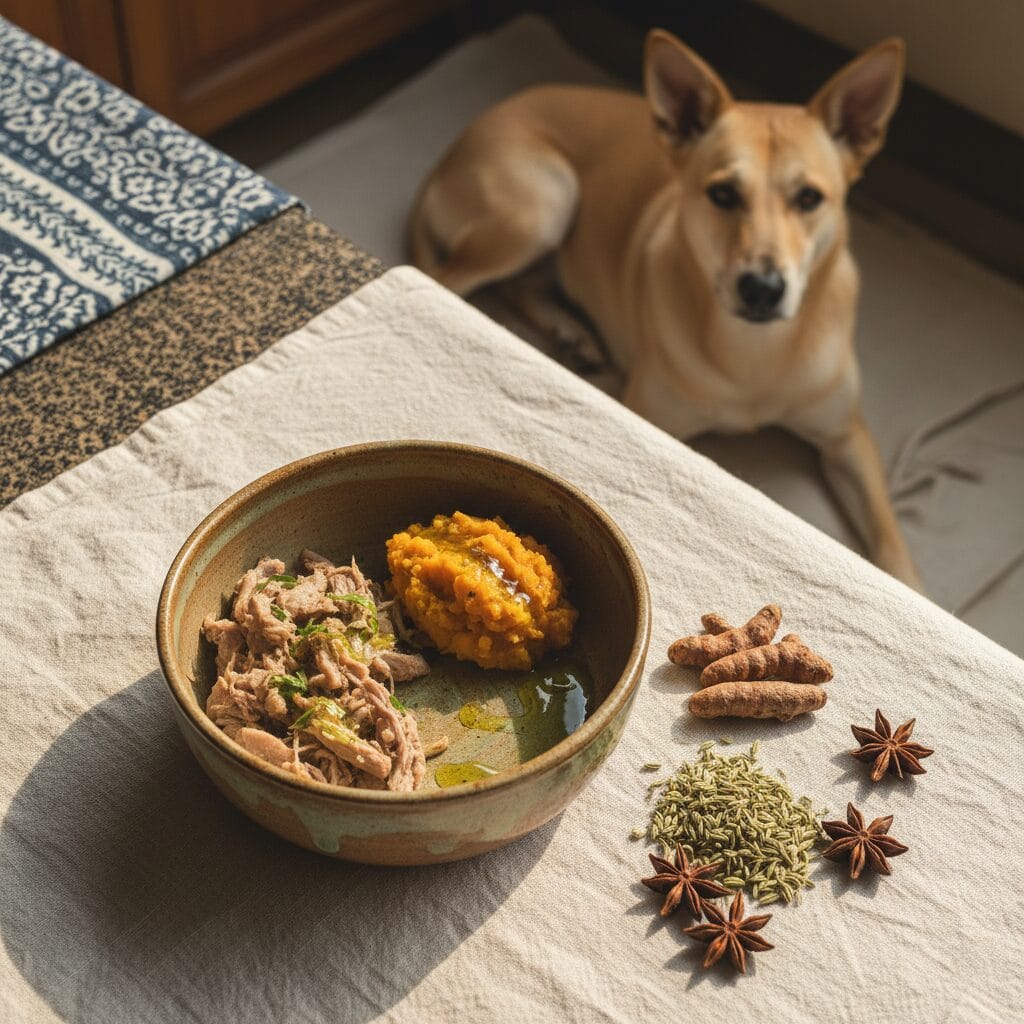
- Choose Quality Meat: Opt for fresh chicken, goat, or fish (like anchovies or sardines). From a reputable butcher. Wash it thoroughly with turmeric water. It’s a natural antiseptic.
- Gentle Cooking: Steam or pressure cook the meat until fully cooked. Never add salt or excessive spices. Always DEBONE the meat after cooking. Cooked bones are brittle. They can splinter. Causing severe internal injury.
- Include Organ Meats: Aim for 10-15% of the total meat content to be organ meats (liver, heart, kidney). If you can source them fresh and safe. If not, this is where a supplement like Dehydrated Bone and Organ Boost is crucial.
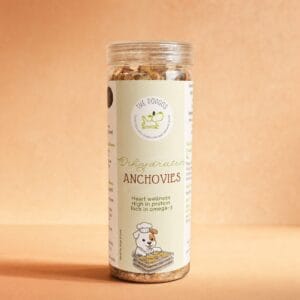
- Add Healthy Fats: A small amount of healthy fat is important. If feeding chicken, consider adding a pinch of Dehydrated Anchovies. For Omega-3 balance. Commercial chicken can be high in inflammatory Omega-6.
- Minimal Carbs/Veggies (Optional): Cats do not need carbohydrates. If your cat tolerates a small amount of cooked pumpkin or green beans for fibre, it can be added. But it should be a tiny portion (less than 5%).
- Supplement Wisely: This is the non-negotiable step. Add your Dehydrated Bone and Organ Boost to every meal as directed. To ensure complete nutrition. Especially taurine and balanced minerals.
- Water: Always ensure fresh, clean water is available. While fresh food provides hydration, cats still need access to water.
Common Mistakes Indian Cat Parents Make
- Feeding Only Muscle Meat: Many Indian pet parents cook plain chicken or fish. This diet is critically deficient in taurine, calcium, and other vital micronutrients. Found in organ meats and bones. This leads to long-term health issues.
- Feeding Cooked Bones: This is a dangerous mistake. High heat makes bones brittle. They are prone to splintering. This can be fatal. ALWAYS debone cooked meat.
- Excessive Carbs: Relying on rice or roti as a filler for cats puts a strain on their pancreas and digestive system. They are not designed for carbohydrate digestion.
- Ignoring Supplementation: Assuming that just any home-cooked meal is complete. Without careful balancing and supplementation, a homemade diet can create severe deficiencies.
- Not Considering Hygiene: Underestimating the bacterial load in locally sourced raw meat. Especially in our tropical climate.
About Mahiv Amit Chhabra
As a certified canine nutritionist and author of “The Desi Carnivore,” I, Mahiv Amit Chhabra, am committed to helping Indian pet parents provide species-appropriate, safe, and balanced nutrition for their beloved animals. My philosophy, “Cook the Meal, Dehydrate the Bone,” extends to our feline friends. It ensures they get the best of both worlds: safety and biological appropriateness.
FAQ