
In many Indian homes, mustard oil, or sarson ka tel, is a kitchen staple. It’s used for everything from cooking traditional dishes to home remedies. Naturally, many well-meaning pet parents wonder if they can extend its perceived benefits to their furry family members. However, when it comes to your dog’s health, applying or feeding mustard oil is a significant risk I strongly advise against. Understanding why mustard oil is harmful for dogs: erucic acid and skin issues is key.
Quick Answer: Why Mustard Oil is Harmful for Dogs
Mustard oil is harmful for dogs primarily due to its high content of erucic acid, a monounsaturated fatty acid that can cause heart damage, digestive upset, and even skin irritation in canines. Dogs lack the metabolic pathways to efficiently process this compound, leading to potential long-term health problems. It offers no nutritional benefit that outweighs these serious risks.
The Hidden Danger: Erucic Acid in Mustard Oil
The main villain in mustard oil, from a canine health perspective, is **erucic acid**. This fatty acid, found in high concentrations in mustard oil (ranging from 20-50% depending on the variety), poses several risks to your dog’s internal systems.
- Cardiac Issues: Research, primarily from animal studies, has shown that high intake of erucic acid can lead to a condition called myocardial lipidosis, where fat droplets accumulate in heart muscle cells. While the direct long-term effects on dogs are not as extensively studied as in some other species, the potential for cardiac damage is a serious concern. Your dog’s heart works hard; we shouldn’t add unnecessary strain.
- Digestive Upset: Even in smaller quantities, mustard oil can be a potent gastrointestinal irritant for dogs. Their digestive systems are designed for meat and easily digestible fats, not complex, high-erucic-acid oils. Symptoms like vomiting, diarrhoea, and abdominal pain are common after ingestion.
- Metabolic Strain: Dogs have a different metabolism than humans. What might be tolerated by us, or even beneficial in traditional medicine, can be toxic to them. Their bodies simply aren’t equipped to break down erucic acid efficiently, leading to accumulation and stress on their organs.
Always remember, a dog’s stomach pH of 1-2 is designed for rapidly breaking down protein and bone, not complex plant oils with problematic fatty acid profiles. Their short digestive tract isn’t built for processing such compounds.
Beyond Erucic Acid: Why Topical Application is Also Risky
Many Indian pet parents believe that applying mustard oil topically to their dog’s coat can help with dryness, fleas, or even improve shine. This is another common misconception that can backfire, especially in our Indian climate.
- Poor Absorption & Clogged Pores: Mustard oil is a heavy, viscous oil. Unlike lighter, more absorbent oils, it tends to sit on the surface of the skin, creating a greasy film. This doesn’t moisturise effectively; instead, it can clog pores, leading to folliculitis or other skin infections.
- Trapped Heat & Irritation: In India’s often humid and warm climate, a thick layer of oil on the skin can trap heat against your dog’s body. This creates an ideal breeding ground for bacteria and fungi, exacerbating existing skin conditions like hot spots or leading to new ones. The oil itself can also be an irritant, causing itching and redness.
- Licking and Ingestion: Dogs lick themselves. It’s a natural behaviour. Any oil applied topically will inevitably be ingested. This means your dog will still be consuming erucic acid and risking digestive upset, even if you’re not feeding it directly.
The "Heat" Myth and Inflammation
I often see clients in Mumbai feeding their dogs chicken cooked in mustard oil, attributing skin issues to ‘heat’. But constant paw licking and dull coats are often inflammation. I remember a Pug with persistent hot spots. Once we removed all cooking oils and introduced 1ml of Hemp Seed Oil daily, his hot spots dried in a week, and his coat improved in a month. It’s about balancing fats, not avoiding meat. You can learn more about my approach on my author page.
The concept of certain foods causing "heat" in the body is prevalent in traditional Indian understanding. While meat does have a higher thermic effect of food (TEF), the rashes, itching, and general discomfort often attributed to "heat" from chicken or eggs are actually signs of **inflammation**. This inflammation is often triggered by an imbalance in Omega-6 and Omega-3 fatty acids.
Commercial Indian chicken, often fed corn and soy, has a skewed Omega-6:3 ratio (20:1 to 30:1, instead of an ideal 7:1). Introducing more oils that are high in inflammatory Omega-6s (like mustard oil) without balancing them with Omega-3s only worsens this situation. This leads to chronic issues like paw licking, chronic ear infections, and skin flare-ups. The solution isn’t to stop feeding protein, but to balance the fats.
Safe & Effective Alternatives for Your Dog’s Skin and Coat
Instead of relying on harmful oils like mustard oil, turn to safe, bioavailable alternatives that genuinely support your dog’s health from the inside out.
For Internal Health: The Power of Hemp Seed Oil
When it comes to healthy fats for your dog, Hemp Seed Oil is a big change. It’s rich in Gamma-Linolenic Acid (GLA), a rare Omega-6 fatty acid that acts as an **anti-inflammatory**. Unlike the inflammatory Omega-6s found in many commercial foods, GLA converts into Prostaglandin E1, which actively reduces inflammation and supports a healthy skin barrier.
- Reduces Inflammation: Directly tackles the root cause of many skin issues, like the "heat" symptoms often misattributed to diet.
- Heals Skin Barrier: Ideal for dogs with atopic dermatitis, dry, cracking paws, and dandruff, as GLA bypasses the enzyme deficiency many sensitive dogs have.
- Calming Effect: It also has mild anxiolytic properties, which can be beneficial for dogs dealing with stress-induced skin problems.
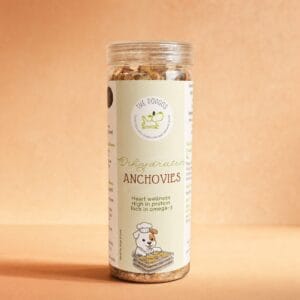
Another excellent source of Omega-3s is small fish like Dehydrated Anchovies or Dehydrated Sardines. These are low on the food chain, meaning minimal heavy metal accumulation, and provide crucial DHA for brain and skin health. They are not just "toppers" but essential "balancers" for any meat-based diet.
For Topical Skin Issues: Baobab Oil
If your dog is suffering from dry patches, hot spots, or hyperkeratosis, Baobab Oil is a far superior choice for topical application compared to mustard oil. Unlike heavy oils that sit on the surface, Baobab Oil has a unique fatty acid profile (high Palmitic and Oleic acid) that allows it to absorb deep into the epidermis, mimicking the skin’s natural lipid barrier and healing from the inside out. It doesn’t trap heat or clog pores, making it perfect for the Indian climate.
Practical Swaps: What to Use Instead for Cooking and Skin Care
Making conscious choices about the oils you use for your dog can make a world of difference to their health.
For Cooking Your Dog’s Meals:
When gently cooking your dog’s meat (remember, we always cook the meal to ensure hygiene, especially with Indian wet market produce), consider these options:
- Ghee: In moderation, pure ghee can be a good source of healthy fats and fat-soluble vitamins. Start with very small amounts (1/4 tsp for small dogs, 1/2 tsp for large dogs) to ensure tolerance. Read our full guide on can dogs eat ghee.
- Coconut Oil: While often touted, use coconut oil sparingly. It’s high in saturated fats and can cause digestive upset if given in large quantities. A tiny amount (1/4 tsp for small dogs, 1/2 tsp for large dogs, a few times a week) can be okay for some, but it is not a primary source of essential fatty acids.
- No Oil: Often, the best "oil" for cooking your dog’s meat is simply the natural fat rendered from the meat itself. If you’re using skin-on chicken thighs, for instance, there’s usually no need to add extra oil.
Mahiv’s Recommended Protocol for Healthy Skin & Coat:
Based on years of practice, here’s a simple protocol to achieve glowing skin and a healthy coat, while avoiding the pitfalls of harmful oils:
- Eliminate Problematic Oils: Remove mustard oil, and excessive amounts of any cooking oil from your dog’s diet and topical routine.
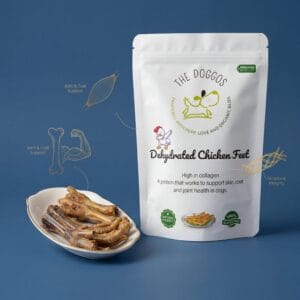
- Balance the Diet: Ensure your dog’s main meals are balanced with appropriate protein, vegetables, and a source of calcium (like Dehydrated Chicken Feet) to achieve the 1.2:1 Calcium:Phosphorus ratio.
- Introduce Essential Fatty Acids: Add Hemp Seed Oil daily to their food. For a 10-15kg dog, 1ml is a good starting point, increasing to 2-3ml for larger breeds. For dogs needing extra Omega-3s, incorporate Dehydrated Anchovies a few times a week.
- Targeted Topical Care: For specific skin issues like hot spots or dry patches, apply Baobab Oil directly to the affected area. You can find more natural grooming solutions on our natural dog grooming page.
Common Mistakes Indian Pet Parents Make with Oils
It’s easy to fall into traps, especially with so much conflicting information available. Here are the common mistakes I see:
- Believing "Natural" Equals "Safe": Just because an ingredient is natural or used in human remedies doesn’t mean it’s safe for dogs. Their physiology is unique.
- Using Cooking Oils as "Supplements": Many common cooking oils lack the specific fatty acid profiles dogs need and can introduce harmful compounds or create imbalances.
- Ignoring the Omega-6:3 Balance: This is a fundamental error. Feeding a diet heavy in inflammatory Omega-6s (common in commercial chicken, vegetable oils) without balancing it with Omega-3s is a recipe for chronic inflammation, leading to itchy skin, ear infections, and more. Read more about why your dog is always itching.
- Over-Oiling the Coat: Applying too much oil, or the wrong type of oil, topically can do more harm than good, especially in India’s humid climate, trapping heat and fostering bacterial growth.
Your dog deserves accurate, science-backed nutrition, not well-intentioned but harmful home remedies. Prioritise their health by choosing safe and effective alternatives.
Switching from harmful oils to beneficial ones like Hemp Seed Oil can dramatically improve your dog’s skin, coat, and overall well-being. It’s a simple, plant-based addition that makes a profound difference, tackling inflammation and supporting a healthy skin barrier from the inside out. Visit our hemp supplements for dogs page to explore how Hemp Seed Oil can benefit your canine companion.