![Best Grooming & Skin Care for Husky in India [2026]](https://thedoggos.in/wp-content/uploads/2026/03/best-grooming-skin-care-husky-india-featured.jpg "Best Grooming & Skin Care for Husky in India [2026] 1")
Living with a Siberian Husky in India is a unique joy, isn’t it? Their majestic double coat, piercing eyes, and playful spirit just capture your heart. But let’s be real: that thick, luxurious fur, designed for the Arctic tundra, can become a real headache in Mumbai’s humidity or Delhi’s dry heat. Seriously. A lot of Indian pet parents struggle with their Husky’s skin and coat, leading to never-ending shedding, nasty hot spots, and that classic “doggy smell” that just won’t quit. The secret to a truly healthy Husky coat isn’t just about brushing, though. It’s about understanding their biology and feeding them right, the Desi Carnivore way.
**Here’s the quick answer: For a Husky in India, good grooming means daily brushing with the right tools, infrequent but thorough baths using natural products, and most importantly, a species-appropriate diet. That diet needs to be rich in balanced Omega-3s and high-quality protein. Why? To support their skin barrier health and reduce inflammation. This helps prevent issues like hot spots and too much shedding, which often start with what’s in their bowl, not just external stuff.**
***
The Husky Coat in India: A Unique Challenge
Your Husky’s double coat? It’s a marvel of nature. It’s got a soft, dense undercoat for insulation and a coarser, water-resistant outer coat (those are the guard hairs). In cold places, this system traps air, keeping them warm. But in India, it can trap heat, moisture, and, well, cause skin problems if you don’t keep on top of it.
The sheer amount of hair means daily care is non-negotiable. Neglect it, and you’ll get mats. These pull on the skin, hurt your dog, and create perfect breeding grounds for bacteria and fungi. Add India’s dust, pollution, and humidity to that mix, and you’ve got a recipe for disaster if you’re not proactive.
Why Your Husky’s Diet is the Foundation of Their Skin & Coat Health
Look, before we even talk about brushes and shampoos, we *have* to talk about food. I’ve seen countless Huskies with chronic itching, dull coats, and persistent skin infections, all while their parents are diligently grooming them. What’s the missing piece? It’s their bowl.
Dogs are carnivores. Basically, 99.9% wolf on the inside. Their digestive system, with a stomach pH of 1-2, is built to process meat, fat, and bone. What does this have to do with skin? Everything.
The Omega-6:3 Imbalance: The Root of “Heat” and Itching
This is the biggest culprit for skin issues in Indian Huskies. Here’s the thing — commercial Indian chicken, which is a staple for many home-cooked diets, is often fed corn and soy. This creates an Omega-6:3 ratio of 20:1 to 30:1 in the meat itself. Compare that to a healthy 7:1 ratio in pasture-raised chicken. This huge amount of Omega-6 fatty acids just floods your dog’s body with inflammatory markers.
What Indian pet parents often call “heat” from chicken or eggs? That’s not thermal heat, na. That’s Omega-6 induced inflammation. It shows up as paw licking, hot spots, chronic ear infections, and that “unexplained” itching. Your Husky isn’t “hot” from the chicken; their body is inflamed.
**The Fix:** You **MUST** add Omega-3s to every chicken meal. These aren’t just “toppers”; they are “balancers.”
* **Hemp Seed Oil:** My absolute favourite. It’s rich in GLA (Gamma-Linolenic Acid), a rare Omega-6 that actually acts *anti-inflammatory*. It bypasses the enzyme issues many dogs with Atopic Dermatitis have, directly reducing inflammation and keeping the skin barrier moist. Plus, it’s plant-based, making it perfect for vegetarian households who prefer no fish smell.
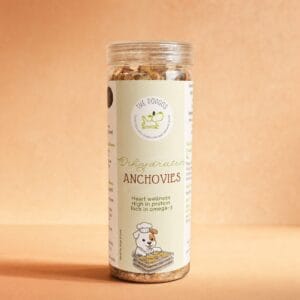
* **Dehydrated Anchovies / Sardines:** These are packed with DHA, crucial Omega-3s. We dehydrate them at low temperatures to keep all those good nutrients and make them odour-controlled. They’re small, short-lived fish, meaning you don’t have to worry about heavy metal bioaccumulation like you might with bigger fish.
The Importance of Calcium:Phosphorus for Overall Health
Okay, so while this isn’t directly a skin issue, a diet that doesn’t have the right calcium balance impacts a dog’s overall health. That includes their ability to absorb nutrients vital for skin and coat. A boneless home diet (just chicken and rice) actually leaches calcium from your Husky’s own skeleton. Over years, this leads to osteopenia and “rubber jaw” syndrome. Yikes.
**The Fix:** You need a Calcium:Phosphorus ratio of 1.2:1. Meat gives phosphorus, bone gives calcium. Simple.
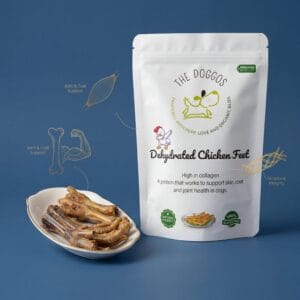
* **Dehydrated Chicken Feet / Whole Quail:** Our Goldilocks solution. Dehydrated bones keep their porous structure and crumble safely into a chalky powder. This gives highly absorbable calcium without the splintering risk you get from cooked bones. They’re functional medicine, providing not just calcium but also glucosamine (Chicken Feet) or manganese and feather fibre (Whole Quail).
Hydration: The Unsung Hero
Kibble is 10% water. Fresh food is 70% water. See the difference? A Husky on a fresh, species-appropriate diet drinks less water because they’re getting enough hydration from their food. This is excellent for kidney health and, by extension, overall vitality. And guess what reflects overall vitality? A healthier, more supple skin and coat.
***
Grooming Essentials for Your Indian Husky
Now that the diet foundation is strong, let’s talk about what you do on the outside.
Brushing: Your Daily Ritual
This is the most critical part of Husky grooming. Period. Daily brushing stops matting, gets rid of loose undercoat (meaning less fur tumbleweeds around your home), spreads natural oils, and provides a wonderful chance to bond. (My Lab goes crazy for brush time, it’s like a massage!)
**Tools You’ll Need:**
* **Undercoat Rake:** Absolutely essential for getting through that dense undercoat and pulling out loose hair.
* **Slicker Brush:** Great for finishing, smoothing the topcoat, and catching any last bits of loose hair.
* **Pin Brush:** Useful for general brushing and detangling without too much pulling.
* **Wide-toothed Comb:** For checking for mats, especially behind the ears, in the armpits, and around the tail.
**Brushing Technique:**
1. **Sectioning:** Start by sectioning off your Husky’s coat. Work in small areas.
2. **Rake First:** Use the undercoat rake to gently pull out dead undercoat. Always brush in the direction the hair grows. Be extra careful around sensitive areas.
3. **Slicker/Pin Brush:** Follow up with a slicker or pin brush to smooth the topcoat and remove any surface gunk.
4. **Check for Mats:** Use your fingers and a wide-toothed comb to feel for any knots, especially in spots prone to matting. If you find a small mat, try to gently work it out with your fingers first. *Never pull on mats.* If it’s a severe one, you might need a professional groomer. Don’t be afraid to ask for help!
Bathing: Less is More (But Sometimes Necessary)
Huskies are naturally clean dogs. They really don’t need frequent bathing. Over-bathing can strip their natural oils, leading to dry skin and coat issues. Aim for once every 2-3 months, or when they’re visibly dirty or just plain smelly.
**Bathing Best Practices:**
1. **Pre-Bath Brush:** Always brush thoroughly *before* bathing. This removes loose hair and stops mats from tightening up when wet.
2. **Use a Dog-Specific Shampoo:** Never use human shampoo. Seriously. Choose a natural, pH-balanced dog shampoo. Look for ingredients like oatmeal or aloe vera for soothing properties.
3. **Thorough Rinsing:** This is crucial. Any shampoo residue left in that thick coat can irritate the skin and lead to flaking and hot spots. Rinse until the water runs completely clear.
4. **Double-Drying is Key:** This is where a lot of Indian pet parents go wrong. Huskies with their double coat **must** be dried completely.
* **Towel Dry:** Absorb as much water as possible with towels.
* **Force Dryer (or Hair Dryer on Cool):** Use a high-velocity force dryer (or a regular hair dryer on a *cool* setting, held far away) to blow out the undercoat and make sure the skin is totally dry. Indian humidity means air-drying just isn’t enough, and it can lead to fungal infections. Trust me on this.
Addressing Common Husky Skin Issues in India
Even with the best diet and grooming, Huskies can still face specific skin challenges.
* **Hot Spots (Acute Moist Dermatitis):** These angry, red, weeping lesions appear suddenly and spread fast. They’re often triggered by too much licking or scratching because of allergies, insect bites, or trapped moisture.
* **Desi Carnivore Solution:** This is where that Omega-6 inflammation really shows its ugly face. If your dog gets hot spots, it’s often a sign of an underlying inflammatory issue. Clean the area, trim the surrounding fur, and apply a soothing, healing oil. Our Baobab Oil is a game-changer here. Unlike heavy oils that just sit on the skin, Baobab Oil has a unique fatty acid profile (high Palmitic and Oleic acid) that absorbs *into* the epidermis, mimicking your dog’s natural lipid barrier. I’ve personally seen hot spots dry up in 24 hours with Baobab Oil. It’s wild.
* **Dry Skin and Dandruff:** Often caused by a lack of essential fatty acids or a poor diet.
* **Desi Carnivore Solution:** Pump up those Omega-3s with Hemp Seed Oil or Dehydrated Anchovies. Make sure their diet is balanced and rich in high-quality protein.
* **Fungal Infections (e.g., Ringworm):** These love warm, moist environments. They can cause hair loss, redness, and itchiness.
* **Desi Carnivore Solution:** Proper drying after baths is absolutely crucial. For existing infections, a topical treatment like our Baobab Therapy Mask can be incredibly effective. Its detoxifying clay and healing properties work wonders.
* **Hyperkeratosis (Crusty Nose/Paws):** This is when the skin gets thick and hard.
* **Desi Carnivore Solution:** Our Baobab Paw & Nose Balm, with its deeply penetrating Baobab Oil, has resolved crusty noses in as little as two weeks. Pretty impressive, right?
The Role of Functional Treats
Our dehydrated treats aren’t just snacks; they are functional medicine for your Husky. Think of them that way.
* **Dehydrated Chicken Feet:** A natural source of glucosamine and chondroitin for joint health (super important for active Huskies). And they’re also a fantastic dental chew to scrape plaque. Win-win.
* **Dehydrated Mutton Trotters:** Long-lasting, rich in collagen for skin elasticity, and a powerful mental enrichment tool. Chewing releases endorphins, making your Husky calmer and less prone to stress-related licking. (I’ve seen this work with Indie dogs especially, they love a good chew.)
* **Dehydrated Whole Quail:** If your Husky has persistent skin issues, a novel protein like Quail can be part of an elimination diet. It’s hypoallergenic, and the feathers provide insoluble keratin, acting as a “colon sweep” to naturally express anal glands (which can sometimes cause scooting or itching).
***
A Desi Husky Skin & Coat Care Plan
Here’s how to fit all these practices into your daily and weekly routine:
**Daily:**
* **Brushing:** 15-20 minutes with an undercoat rake and slicker brush.
* **Diet:** Feed a cooked meat meal (like our “Golden Chicken Bowl” below), balanced with Hemp Seed Oil or Dehydrated Anchovies. Make sure calcium is there, either from dehydrated bones or a supplement.
* **Check Paws/Nose:** Apply Baobab Paw & Nose Balm if they look dry or cracked.
**Weekly:**
* **Deep Brush:** A longer, more thorough brushing session to really check for mats.
* **Ear Check:** Clean ears with a dog-specific ear cleaner if needed.
* **Dental Chew:** Offer a Dehydrated Chicken Foot or Mutton Trotter for dental health and mental stimulation.
**Monthly/Bi-Monthly:**
* **Bathing:** Only when necessary, and always follow the double-drying rule.
* **Nail Trim:** Keep those nails short to prevent discomfort and splayed paws.
Sample “Desi Carnivore” Meal for Skin & Coat Health
This takes our “Golden Chicken Bowl” and tweaks it specifically for skin and coat health:
**The “Lustrous Husky Coat Bowl”**
* **500g Chicken Thighs (bone-in, skin-on for taurine):** Pressure cook these with 50g liver (Vitamin A, super crucial for skin regeneration) and 100g red pumpkin (fibre, prebiotics).
* **After Cooking:** **DEBONE** the chicken. This is non-negotiable. Cooked bones splinter. Mash the pumpkin into the broth.
* **Once Cooled:**
* Add 1-2 tsp of Hemp Seed Oil (adjust based on your dog’s weight) to give them that anti-inflammatory GLA and Omega-3s.
* Alternatively, sprinkle a tablespoon of crushed Dehydrated Anchovies for DHA.
* Add 1 crushed Dehydrated Chicken Foot or a sprinkle of Bone and Organ Boost for that critical calcium.
* A pinch of turmeric paste (natural antiseptic).
This meal provides high-quality protein, balanced fats, essential vitamins, and minerals. It’s a complete meal that supports not just energy, but a healthy, vibrant skin and coat from the inside out.
***
Common Mistakes Indian Pet Parents Make with Husky Grooming & Skin Care
1. **Shaving the Coat:** **NEVER shave a Husky!** Their double coat actually protects them from *both* cold and heat (it works like insulation). Shaving exposes their delicate skin to sunburn, insect bites, and can permanently damage the coat, making it grow back patchy or coarse. Honestly, most vets won’t tell you this directly, but it’s a huge no-no.
2. **Over-Bathing & Improper Drying:** As we’ve talked about, this strips natural oils and just asks for fungal growth in our humid Indian climate.
3. **Ignoring Diet:** Believing that skin issues are purely external. As I’ve stressed, diet is paramount. Feeding kibble (high in carbs, low in moisture, poor quality fats) or an unbalanced home diet (boneless chicken and rice) will inevitably lead to skin problems. It’s a fact.
4. **Using Human Products:** Our shampoos and lotions are made for human skin pH, which is completely different from a dog’s. This can cause severe irritation.
5. **Not Brushing Enough:** Thinking a Husky only needs brushing during shedding season. Nope. Daily brushing is a year-round commitment.
6. **Feeding Cooked Bones:** This is a dangerous trap. So many Indian households pressure-cook chicken with bones and feed it. The high heat makes bones brittle, and they shatter into sharp, jagged splinters that can perforate intestines, leading to fatal peritonitis. It’s just not worth the risk. Stick to raw or dehydrated bones only.
***
Frequently Asked Questions About Husky Grooming & Skin Care in India
**Q1: How often should I brush my Husky in India?**
A1: You really should brush your Husky daily, especially with an undercoat rake. This helps manage shedding, prevents mats, and distributes natural oils. It’s absolutely crucial for their comfort and skin health, especially with the Indian climate.
**Q2: What’s the best diet for a Husky’s coat in India?**
A2: A fresh, species-appropriate diet is best. Think gently cooked meat, balanced with calcium (from dehydrated bones like Dehydrated Chicken Feet) and essential Omega-3 fatty acids (from Hemp Seed Oil or Dehydrated Anchovies). This balance helps keep inflammation down and provides vital nutrients for a strong skin barrier and a truly lustrous coat.
**Q3: Can Huskies get hot spots in India, and how do I treat them?**
A3: Yes, Huskies are definitely prone to hot spots in India. This is often due to humidity, trapped moisture, and underlying Omega-6 inflammation from an unbalanced diet. To treat them, clean the area, trim the surrounding hair, and then apply a healing oil like The Doggos Baobab Oil. It absorbs deeply to promote rapid healing.
**Q4: Is it ever okay to shave my Husky in the Indian summer?**
A4: No, you should **never** shave a Husky. Their double coat provides natural insulation against both heat and cold. Shaving actually exposes their skin to sunburn and insect bites, and it can cause permanent damage to their coat’s texture and ability to regulate temperature. Don’t do it.
**Q5: How does diet affect my Husky’s skin and coat?**
A5: Diet has a profound impact on your Husky’s skin and coat. An unbalanced diet, especially one high in inflammatory Omega-6s (which is pretty common in commercial Indian chicken) or one that lacks essential fatty acids and moisture, can lead to all sorts of problems. We’re talking dry skin, dandruff, hot spots, excessive shedding, and a dull coat. A fresh, balanced diet, on the other hand, provides all the building blocks for a strong skin barrier and a shiny, healthy coat.
***
Caring for your Husky’s majestic coat in India is a commitment, but it’s a rewarding one. By focusing on a species-appropriate diet, really understanding the “heat” myth, and putting consistent, effective grooming practices into action, you’ll ensure your Husky not only looks stunning but feels comfortable and healthy from the inside out. For more in-depth information on diet, check out our guide on What Should I Feed My Dog? or explore our full range of natural grooming solutions and hemp supplements for dogs.