
Watching your dog struggle to climb stairs, or seeing that hesitant limp after a nap? It’s just heartbreaking, isn’t it? Here in India, joint pain in dogs often gets brushed off as “old age” or simply “bad luck.” But look, I’m here to tell you: it’s usually a direct result of their diet and lifestyle. And guess what? We absolutely *can* address it with the right approach.
So, when it comes to joint pain in dogs here in India, the quickest relief and a real long-term solution really come down to one thing: a fresh, species-appropriate diet. You’ll want to balance that out with some crucial calcium (think dehydrated bones, folks!) and anti-inflammatory Omega-3s (like our Hemp Seed Oil or those amazing Anchovies). Don’t forget targeted, joint-supportive natural chews either. This whole “Desi Carnivore” method? It’s all about tackling the root causes head-on, not just covering up the symptoms. Simple.
Understanding Joint Pain in Indian Dogs: It’s More Than Just Age
Joint pain, or canine arthritis, isn’t just something for the old timers, you know? Sure, age definitely plays a part, but often, deeper issues can make it show up earlier and hit harder. And honestly, here in India, I see a few common culprits popping up again and again:
* **Genetics:** Some breeds, like our beloved Labradors, German Shepherds, and Golden Retrievers, are just wired to be more prone to hip and elbow dysplasia.
* **Injury or Trauma:** Ever had a little accident that bothered you years later? Dogs are the same. A past injury, even a seemingly minor one, can totally lead to degenerative joint disease way down the line.
* **Obesity:** This is a big one. Extra weight puts a huge strain on those joints, making pain worse and speeding up cartilage breakdown. Simple math, really.
* **Suboptimal Diet:** And here’s the kicker. This is where most Indian pet parents, with the best intentions, unknowingly mess up. A diet that’s missing key nutrients, or one that constantly sparks inflammation, is a massive contributor to joint issues. A huge factor, actually.
Why Your Dog’s Diet is Crucial for Joint Health
Think of it this way: your dog is basically 99.9% wolf on the inside. Their digestive system, with that super acidic stomach (we’re talking pH 1-2 here, compared to our human pH 4-5!), short intestines, and no amylase in their saliva, it’s all built to handle meat and bones. Not grains. So, when we feed them stuff that totally goes against this natural design? Well, their joints are usually the first to suffer. Makes sense, doesn’t it?
* **The Calcium:Phosphorus Imbalance:** This, my friend, is the real silent killer of joint health in so many Indian homes. Most well-meaning parents, bless their hearts, just feed their dogs a boneless diet of chicken and rice. And while chicken gives you phosphorus, it just doesn’t have enough calcium. What happens then? Over time, your dog’s body, desperate for calcium, starts stealing it from their own bones. This brings on nasty conditions like **osteopenia** (that’s weakened bones, folks) and the truly dreaded **”Rubber Jaw” syndrome**, where bones get so brittle they actually lose their structure. You can’t have strong joints without strong bones. Period. Without that crucial 1.2:1 Ca:P ratio, your dog’s skeletal system simply can’t thrive. It just can’t.
* **Chronic Inflammation from Omega-6 Overload:** Let’s talk about that commercial chicken you get everywhere in India. It’s usually corn and soy-fed, right? And that means the Omega-6:3 ratio can skyrocket, sometimes hitting 20:1 or even 30:1. Compare that to a healthy 7:1 for pasture-raised meat. See the problem? This huge imbalance basically floods your dog’s body with inflammatory markers. You’ll see things like paw licking, hot spots, constant ear infections, and, yep, inflamed, painful joints. That “heat” many Indian pet parents talk about from chicken? Honestly, it’s often this Omega-6 driven inflammation. Not some Ayurvedic concept, just science.
* **High-Carb Kibble & Roti:** And what about all that kibble, or those big bowls of rice and roti? They’re just packed with carbs, aren’t they? Not only do dogs really struggle to digest these without salivary amylase, but those high-carb diets actually push their stomach pH up, making it way less acidic. What does that mean? It totally messes with the proper digestion of meat and bones (even the safe ones!), and it leaves them much more open to nasty bacterial infections. A gut that’s not working right, and poor nutrient absorption? That absolutely hits joint health directly. No doubt about it.
The Desi Carnivore Method for Joint Health: Cook the Meal, Dehydrate the Bone
Here at The Doggos, we really champion a super practical, biologically sound approach especially for Indian homes: we call it “Cook the Meal, Dehydrate the Bone.” This way, you’re nailing hygiene, safety, and getting optimal nutrition for those strong, healthy joints. It’s a real fix.
Why Raw Bones Are a No-Go (And Cooked Bones Are Even Worse) in India
Look, I absolutely love the *idea* of raw feeding, biologically speaking. But let’s be real about Indian wet markets and our super humid climate. There’s a **hygiene gap** there that we just can’t ignore, yaar. Raw meat from the market, even if it’s out for just a few minutes, can hide some seriously dangerous pathogens. And while your dog’s super-acidic stomach *can* usually handle a bacterial load, bringing that raw meat into your home? Where your dog might drag bones onto your favourite rug and then, God forbid, lick your face? That’s a big cross-contamination risk.
But here’s the thing: the even bigger, life-threatening danger comes from **cooked bones**. This is a common trap so many well-meaning Indian parents fall into. They’ll pressure-cook chicken with bones, feed it all, thinking, “Oh, it’s totally safe.” **NO. NEVER, ever feed your dog cooked bones.** High heat turns bones brittle, making them shatter into sharp, jagged splinters. And those can easily pierce intestines, leading to fatal peritonitis. It’s a non-negotiable safety rule. Seriously.
So, our “Goldilocks” solution? That’s **dehydrated bones**. Dehydration, which is a low-temperature, super long process (we’re talking 20+ hours), actually keeps the bone’s porous, natural structure intact. Unlike cooked bones, dehydrated ones don’t splinter. Instead, they just crumble into a safe, chalky powder. Your dog’s strong stomach acid handles it easily, giving them vital calcium and phosphorus without any splintering worries. Genius, right?
* **For safe calcium and joint support, consider our:**
* Dehydrated Chicken Feet
* Dehydrated Mutton Trotters
* Dehydrated Pig Bone
The Calcium:Phosphorus Imperative (1.2:1 Ratio)
Like I said earlier, an unbalanced Ca:P ratio is a real silent threat. Meat, sure, it’s loaded with phosphorus. But bone? That’s your primary source of calcium. No bone means your dog’s body starts raiding its own reserves. Think weak bones, fragile joints, and, eventually, pain. So, by adding dehydrated bones or a good quality calcium supplement (like eggshell powder or calcium citrate) to your dog’s cooked meat meals, you’re making sure they get that crucial balance. This isn’t just important; it’s absolutely fundamental for building and keeping a strong skeletal structure. And that, in turn, directly supports healthy, happy joints.
Taming the Omega-6 Fire: The “Heat” Myth Debunked
You know that “heat” everyone talks about from chicken or eggs? Well, forget the old notions of thermal heat from Ayurveda or TCM. It’s almost always, and I mean *always*, **Omega-6 inflammation**. When your dog eats a diet packed with unbalanced Omega-6s, their body just churns out inflammatory prostaglandins. What does that look like? Paw licking, hot spots, constant ear infections, and, yup, even worse joint pain. To stop this fire, you **MUST** add Omega-3s to every single chicken meal. These Omega-3s, especially EPA and DHA, are powerful anti-inflammatory superheroes. They seriously help balance out that whole inflammatory mess.
* **Hemp Seed Oil:** Alright, this stuff? It’s the absolute king of GLA (Gamma-Linolenic Acid). And get this: GLA is a rare Omega-6 that, surprisingly, acts as an **anti-inflammatory**. How cool is that? It converts to Prostaglandin E1, which directly knocks down inflammation and keeps that skin barrier nice and moist. Dogs with atopic dermatitis often can’t process normal fats because they’re missing an enzyme. But GLA? It totally bypasses that step, making it like direct medicine for problems like dry, cracking paws and dandruff. Plus, it’s plant-based, which is perfect for our vegetarian homes. Our Hemp Seed Oil, honestly, it’s a daily essential. (My Indie dog’s coat is so shiny because of it!).
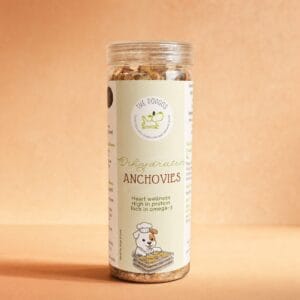
* **Dehydrated Anchovies/Sardines:** These little guys? They’re small, they’re short-lived, and they’re low on the food chain. That means almost zero heavy metal build-up, which is a big win. They’re just packed with DHA, which is fantastic for brain health and keeping cognitive decline at bay. And EPA? That’s what directly calms inflammation all over the body, including those aching joints. Our Dehydrated Anchovies are an amazing, odour-controlled, powerful Omega-3 balancer. Seriously good.
Functional Treats: More Than Just Snacks for Aching Joints
Okay, let’s just forget about those sugar-laden Parle-G biscuits for a minute. Seriously. Dehydrated treats? They’re so much more than just a snack. They’re actually **functional medicine**, offering targeted nutritional support and some great mental enrichment. Who knew, right?
Dehydrated Chicken Feet: Nature’s Glucosamine Pill
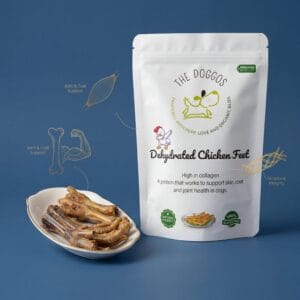
These aren’t just some crunchy treats, believe me. Every single Dehydrated Chicken Foot packs in about **450mg of natural glucosamine**, plus chondroitin. Glucosamine and chondroitin are basically the foundational building blocks of cartilage. They’re super important for cushioning joints and cutting down friction. Think of them as a natural joint supplement, helping to fix up and keep that cartilage healthy. Oh, and here’s another bonus: all that chewing naturally scrapes plaque off their teeth. Total win-win!
Dehydrated Mutton Trotters: Collagen & Cartilage Builders
Want a more substantial chew? Our Dehydrated Mutton Trotters are just fantastic. They’re loaded with collagen, which really helps with the elasticity of ligaments, tendons, and cartilage – all super crucial for good joint function. And they’re not just for joints! They also give your dog essential iron and are brilliant for mental enrichment. That chewing action releases endorphins and serotonin, which can actually help a dog deal with pain or just feel more comfortable. Plus, mutton is a “warming” protein, as per Ayurveda, making it awesome for older dogs with stiff joints. (My grandmother swears by mutton for her achy knees, so maybe there’s something to it!).
Dehydrated Whole Quail: Manganese for Ligament Strength
Our Dehydrated Whole Quail? It’s got this truly unique mix of nutrients. Being a whole-prey item, it naturally gives you balanced calcium and phosphorus. But here’s the kicker: it’s also a super rich source of **manganese**. Manganese is absolutely vital for making collagen and elastin, which protect those ligaments from tears. Think about common ones like CCL (Cranial Cruciate Ligament) ruptures – manganese helps prevent those! It’s also a “novel protein,” meaning it’s great for elimination diets if your dog has any weird sensitivities. Oh, and the feathers? They’re like a natural “colon sweep” too! How cool is that?
| The Doggos Functional Treat | Key Joint Benefit | Other Benefits |
|---|---|---|
| Dehydrated Chicken Feet | Natural Glucosamine & Chondroitin (450mg/foot) for cartilage repair | Dental cleaning, calcium source |
| Dehydrated Mutton Trotters | Rich in Collagen for ligament & tendon health, “warming” protein | Long-lasting mental enrichment, iron, dental health |
| Dehydrated Whole Quail | Manganese for ligament strength (CCL prevention), balanced Ca:P | Novel protein, colon sweep (feathers), whole-prey nutrition |
| Hemp Seed Oil (Supplement) | Anti-inflammatory GLA reduces joint pain, improves mobility | Skin & coat health, anxiety reduction |
| Dehydrated Anchovies (Supplement) | Omega-3s (EPA/DHA) reduce systemic inflammation, including joints | Brain health, vision, skin & coat |
Beyond the Bowl: Lifestyle & Other Natural Support
Okay, so diet is absolutely paramount, no doubt. But other things also play a big part in managing and even preventing joint pain. Let’s look beyond the bowl for a sec.
* **Weight Management:** If your dog’s carrying a bit too much weight, even losing a little can really, really help ease that joint strain. Just tweak their portion sizes and make sure they get regular, sensible exercise.
* **Gentle Exercise:** Don’t just stop moving them! That’s a mistake. Low-impact stuff like swimming or short, controlled walks on soft ground really helps keep muscles strong around the joints, giving them that much-needed support. But do steer clear of high-impact activities or long runs on hard surfaces, especially on those days they’re feeling a bit rough.
* **Comfortable Bedding:** Get them an orthopaedic or really well-cushioned bed, okay? Especially for our older dogs. This seriously cuts down on pressure points and gives far better support for those aching joints.
* **Warmth & Massage:** When it gets chilly, a warm blanket or a gentle massage can totally boost circulation and ease that stiffness. You can even use a little bit of Baobab Oil for a really soothing massage; unlike those heavy, greasy oils, it just sinks deep into the skin, healing from the inside out.
* **Home Adjustments:** Think about ramps for cars or stairs, non-slip mats on those slippery floors, and raised food bowls. These simple changes can make daily life so much easier for a dog dealing with joint pain. Believe me.
The Desi Carnivore’s Joint-Friendly Meal Plan
So, how do you actually put all this into practice? Here’s how to blend our philosophy into real, practical meals that genuinely support joint health for your dog:
1. **The Joint-Boosting Golden Chicken Bowl (Daily Staple):**
* **Ingredients:** 500g chicken thighs (bone-in, skin-on for that vital taurine!), 50g liver (hello, Vitamin A!), 100g red pumpkin (fibre power!), 1-2 Dehydrated Chicken Feet (that’s per 10kg body weight, remember), 1-2 pumps Hemp Seed Oil or 1 tsp Dehydrated Anchovies, and just a small pinch of turmeric paste.
* **Method:** Pressure cook the chicken (bones in!), liver, and pumpkin for about 2-3 whistles. Once it’s cooled down, here’s the absolutely crucial step: **DEBONE** that chicken meticulously. Seriously, get every single bone out. Then, mash the pumpkin right into the broth. Stir in your Hemp Seed Oil/Anchovies and that little bit of turmeric paste. Serve it all up with those dehydrated chicken feet on the side for some happy chewing.
* **Why it works:** Why does this work so well? Cooked chicken gives them super digestible protein. Those dehydrated chicken feet deliver crucial calcium, phosphorus, glucosamine, and chondroitin. The Hemp Seed Oil/Anchovies balance out those Omega-3s, fighting off inflammation. And pumpkin? It’s just there for fibre and vitamins. Simple, powerful stuff.
2. **Mutton Strength Stew (Recovery & Extra Support):**
* **Ingredients:** 500g goat curry cut (bones in!), 100g sweet potato, 50g spinach (just let it wilt in the residual heat), and maybe 1-2 Dehydrated Mutton Trotters if you want some extra chewing fun.
* **Method:** Pressure cook that goat curry cut (bones and all!) with the sweet potato for about 4-5 whistles. After it’s cooled down, you guessed it: **DEBONE** the mutton. No splinters, remember! Mash the sweet potato into the broth, then stir in the wilted spinach. Serve it up, maybe with those dehydrated mutton trotters on the side for a good functional chew.
* **Why it works:** Why this one? Mutton’s a “warming” protein, which is just excellent for recovery and our senior dogs. It’s also packed with iron and zinc. And those dehydrated trotters? They give them collagen and great mental stimulation. Perfect.
And always, always remember our **7-Day Transition Protocol** when you’re bringing in new foods. It’s simple:
* Days 1-2: 75% old food + 25% new food
* Days 3-4: 50% old food + 50% new food
* Days 5-6: 25% old food + 75% new food
* Day 7: 100% new food
Don’t be alarmed if you see a bit of mucus in their stool around Day 3-4. That’s totally normal! It just means their gut is shedding its old lining. No need to panic. A tiny pinch of Baobab Powder can really help settle things during these changes, too.
Common Mistakes Indian Dog Parents Make with Joint Pain
Okay, let’s talk about some really common mistakes Indian dog parents often make when it comes to joint pain. I see these all the time.
1. **Feeding Cooked Bones:** This is, hands down, the absolute most dangerous mistake. Cooked bones splinter and can cause serious internal damage. Just don’t do it. Stick to raw or, for us here in Indian homes, much safer dehydrated bones. Please.
2. **Boneless Chicken + Rice Only:** This combo? It’s a total recipe for disaster. Without a balanced calcium source, you’re actually slowly stripping minerals from your dog’s skeleton. That leads straight to joint and bone degeneration. Not good.
3. **Ignoring Omega-3s:** Falling for that “heat” myth and completely avoiding chicken or eggs? Instead of balancing the Omega-6s with powerful anti-inflammatory Omega-3s, you’re basically leaving your dog wide open to chronic inflammation. What a missed opportunity.
4. **Relying on Kibble:** High-carb, ultra-processed kibble just spikes their stomach pH, messes with nutrient absorption, and kicks off systemic inflammation. All of that makes joint pain way worse. It’s a vicious cycle.
5. **Over-Medicating Without Dietary Changes:** Sure, pain medication can give some temporary relief. But it’s not fixing the root cause, is it? Without stepping in with dietary changes, that degeneration just keeps on going. You’re fighting a losing battle.
6. **Thinking “Treats” Are Just for Fun:** This is where a lot of people miss a trick. You’re missing a huge opportunity to use amazing functional dehydrated treats like Chicken Feet or Mutton Trotters as daily medicine for serious joint support. They’re so much more than fun.
FAQ: Joint Pain in Dogs India
**Q: Can I give my dog turmeric for joint pain?**
A: Absolutely, yes! Turmeric is a fantastic anti-inflammatory. You can add a small pinch of turmeric paste (mix it with a healthy fat like ghee or coconut oil, that helps with absorption) to your dog’s food every day. But remember, it’s more of a supportive step. It won’t, by itself, fix that core Ca:P imbalance or the Omega-6 overload. It’s a helper, not the whole solution.
**Q: Is chicken bad for dogs with joint pain?**
A: Not at all! Chicken is actually a fantastic, super digestible protein. The real issue isn’t the chicken itself, but the crazy high Omega-6 content in commercial, corn/soy-fed chicken you find in most Indian markets. But here’s how to make it work: wash it with turmeric water, pressure cook it, **debone it** (this is super important!), and then, crucially, balance it out with Omega-3s. Think Hemp Seed Oil or Dehydrated Anchovies. Do all that, and chicken becomes a totally joint-friendly protein. Really.
**Q: How do I know if my dog has joint pain?**
A: Keep an eye out for a few key things. You might see limping, stiffness (especially after they’ve been resting), trouble getting up or lying down, not wanting to jump or climb stairs, less activity overall, changes in how they walk, sensitivity when you touch them, or even them constantly licking a specific joint. If you’re suspecting joint pain, really pay attention to these symptoms. And then, seriously, think about shaking up their diet.
**Q: Are joint supplements necessary for my dog?**
A: Look, sure, there are tons of commercial joint supplements out there. But honestly, I’m always going to push for getting nutrients from whole, natural foods first. Things like glucosamine and chondroitin? They’re just packed into Dehydrated Chicken Feet. And collagen? You’ll find it in Mutton Trotters. Omega-3s from Dehydrated Anchovies or Hemp Seed Oil are super important too. These whole-food options are usually way more bioavailable and effective than any synthetic pill. Trust me on this one.
**Q: Can diet really reverse joint pain in dogs?**
A: Okay, let’s be clear: if there’s really severe structural damage, like advanced arthritis, you can’t exactly “reverse” that completely. But a species-appropriate, properly balanced diet? Oh, it can make a huge difference! It can significantly boost their mobility, slash pain and inflammation, slow down that degeneration, and seriously, dramatically improve your dog’s quality of life. It’s all about building a really strong internal system that actually supports healthy joints. What a difference that makes!
Here at The Doggos, we truly believe in feeding dogs just like nature intended, but smartly adapted for the everyday realities of Indian homes. Our whole range of dehydrated dog treats and hemp supplements? They’re not just some snacks. Nope. They’re actually designed as functional medicine, there to support your dog’s overall health, including those precious joints of theirs. Head over to our complete feeding guide if you want even more insights on how to properly nourish your Desi Carnivore. You’ll thank us later.
*Disclaimer: This information is for educational purposes only and is not a substitute for professional veterinary advice. If your dog is experiencing severe pain or sudden lameness, please consult with your veterinarian.*
Related Reading
- Read the complete Indian dog feeding guide.
- About the author: Mahiv Chhabra, certified canine nutritionist.