That uncomfortable scoot across your living room floor, the sudden licking, or the unpleasant fishy smell. If you are an Indian pet parent, you know these signs mean one thing: dog anal gland issues. It is a common, painful, and often recurring problem that many dogs face. But what if I told you that the solution does not always lie in frequent, uncomfortable vet visits for manual expression?
Instead, the answer often comes down to natural remedies and a simple dietary change that helps your dog’s body do what it is designed to do: naturally express those glands with every bowel movement. For Indian homes, this means embracing species-appropriate whole foods.
Quick Answer: Natural Remedies for Dog Anal Gland Issues
For most cases of anal gland issues in dogs, the most effective natural remedy is a diet rich in insoluble fibre. This fibre helps create firm, bulky stools that naturally compress and empty the anal glands during defecation. Whole prey items like Dehydrated Whole Quail, complete with feathers, are exceptional for this purpose as the keratin in feathers provides the ideal bulk and scrubbing action.
Understanding Dog Anal Gland Issues
Dogs have two small glands, one on each side of the anus, that produce a pungent, oily liquid. This liquid is usually released in small amounts when a dog defecates, serving as a territorial marker. However, sometimes these glands do not empty properly, leading to impaction, inflammation, and infection.
Why Do Anal Gland Issues Happen?
- Insufficient Fibre: The most common reason. Soft or watery stools do not provide enough pressure to express the glands.
- Obesity: Excess fat around the anal area can hinder natural expression.
- Allergies: Food allergies or environmental sensitivities can cause inflammation, swelling, and itchiness, contributing to gland blockage.
- Genetics: Some breeds are more predisposed, though diet plays a bigger role than many realise.
- Lack of Exercise: A sedentary lifestyle can impact overall gut motility.
When glands become impacted, your dog might start scooting, licking the area excessively, or even chasing their tail. If left untreated, impaction can lead to abscesses, which are extremely painful and require veterinary intervention.
The Problem with Manual Anal Gland Expression
Many Indian vets offer manual anal gland expression as a routine service. While it provides immediate relief, it is often a temporary fix. Repeated manual expression can:
- Weaken the Natural Mechanism: Your dog’s body becomes reliant on external intervention, further hindering its natural ability to empty the glands.
- Cause Trauma: It can be uncomfortable and even painful for your dog, potentially leading to inflammation or scar tissue over time.
- Mask the Root Cause: It does not address the underlying dietary or lifestyle factors causing the problem.
As a certified canine nutritionist, I, Mahiv Amit Chhabra, always advocate for addressing the root cause. My goal is to empower your dog’s body to function optimally, not to create dependency on procedures.
I once consulted for a Beagle in Pune that had weekly anal gland issues, despite frequent vet expressions. The owner was feeding a common kibble brand plus daily rotis. We transitioned him to a fresh, home-cooked chicken bowl with added fibre, and introduced Dehydrated Whole Quail twice a week. Within three weeks, the scooting stopped, and his glands expressed naturally. It was a clear case of diet, not a chronic condition.
Why Fibre is the Real Solution
The key to resolving anal gland issues naturally lies in creating consistently firm, well-formed stools. This is where fibre comes in:
- Insoluble Fibre: This type of fibre does not dissolve in water. Instead, it adds bulk to the stool, making it firmer and larger. As the stool passes, it presses against the anal glands, naturally squeezing out the fluid. Think of it as a natural internal massage.
- Prebiotic Fibre: While insoluble fibre bulks, prebiotic fibre (like that found in pumpkin or baobab) feeds beneficial gut bacteria, promoting overall digestive health and consistent stool quality.
Many commercial dog foods, especially those high in processed grains, often lack the right kind and amount of fibre for optimal anal gland health. Similarly, home diets heavy on rice and boneless chicken can lead to soft stools, which are the enemy of naturally expressed glands.
The Desi Carnivore Way: Cook the Meal, Dehydrate the Bone
Our philosophy at The Doggos is built on understanding a dog’s biological needs while adapting to the realities of Indian households. Dogs are carnivores, designed to process meat, bone, and organs efficiently. This includes consuming whole prey.
While raw feeding whole prey has biological merit, the hygiene risks associated with Indian wet markets and household cross-contamination are significant. That is why we advocate for cooking the meat and dehydrating the bone. This approach ensures safety without compromising nutritional integrity.
Introducing Whole Quail with Feathers: The Ultimate Natural Remedy
This is where Dehydrated Whole Quail becomes a big change for dog anal gland issues natural remedies in India. It is not just a treat; it is functional medicine.
Why Whole Quail with Feathers?
- The Power of Feathers (Insoluble Keratin): This is the secret weapon. Feathers are rich in insoluble keratin. When consumed, they act as a natural “colon sweep.” They pass through the digestive tract undigested, adding significant bulk and abrasive action to the stool. This ensures maximum pressure on the anal glands for natural expression.
- Whole Prey Nutrition: Our Whole Quail includes bones and organs. This provides a balanced source of calcium, phosphorus, and essential vitamins and minerals. The bones, being dehydrated, are safe to chew and digest, crumbling into a chalky powder rather than splintering like cooked bones.
- Novel Protein & Hypoallergenic: Many dogs with anal gland issues also suffer from allergies. Quail is a novel protein, meaning most dogs have never been exposed to it, making it an excellent choice for elimination diets or for dogs with sensitivities to common proteins like chicken.
- Manganese for Ligament Health: Quail is naturally rich in manganese, a crucial mineral for strong ligaments. This is particularly important for active dogs and can help protect against issues like CCL tears.
- Mental Enrichment: Chewing on a whole prey item like quail provides immense mental stimulation and helps release endorphins, reducing stress and anxiety, which can sometimes exacerbate physical issues.
How Dehydrated Whole Quail Compares to Other Fibre Sources
| Fibre Source | Type of Fibre | Benefit for Anal Glands | Considerations for Indian Homes |
|---|---|---|---|
| Dehydrated Whole Quail (with feathers) | Insoluble (keratin) | Excellent bulk, colon sweep, natural expression | Safe (dehydrated), hypoallergenic, complete nutrition, easy to feed. |
| Pumpkin | Soluble & Prebiotic | Regulates stool consistency, good for transitions | Needs to be cooked, can add moisture if stools are too soft. |
| Green Beans | Insoluble | Adds some bulk, low calorie | Limited bulk compared to feathers, mainly filler. |
| Commercial Fibre Supplements | Various | Can add bulk | Often processed, less natural, may contain fillers or artificial ingredients. |
Beyond Quail: Other Dietary Support for Anal Glands
While Dehydrated Whole Quail is a powerful tool, a holistic approach to diet is always best:
- Balanced Homemade Meals: Ensure your dog’s daily meals are well-balanced, providing adequate protein, healthy fats, and controlled carbohydrates. Remember the two golden rules: proper Calcium:Phosphorus ratio (1.2:1) and Omega-6:3 balance.
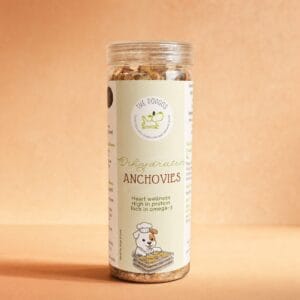
- Add Omega-3s: Inflammation can contribute to anal gland issues. Adding Omega-3s from sources like Dehydrated Anchovies or Hemp Seed Oil can reduce systemic inflammation and support overall skin and gut health.
- Probiotics: A healthy gut microbiome is fundamental to consistent stool quality. A spoonful of plain curd (dahi) or a good quality probiotic supplement can be beneficial. Start with a small amount of curd to ensure your dog tolerates lactose, as discussed in Can Dogs Eat Curd?.
- Hydration: Ensure your dog has constant access to fresh water. Dogs on a fresh food diet naturally drink less as their food is 70% water, which is excellent for kidney health.
Practical Section: How to Feed Dehydrated Whole Quail
Introducing Dehydrated Whole Quail is simple:
- Start Slow: Begin with half a quail for smaller dogs or one whole quail for larger dogs, 2-3 times a week. Observe your dog’s stool.
- As a Meal or Topper: You can offer it as a chewable snack, a partial meal replacement, or crumbled over their regular food.
- Monitor Stool: Look for firmer, more consistent stools. This indicates the fibre is working. You might notice small feather fragments in the stool, which is completely normal and means the colon sweep is doing its job.
- Consistent Use: For chronic anal gland issues, consistent feeding of quail (or other high-fibre sources) is key to long-term resolution.
Remember, all dehydrated treats offer unique benefits beyond just being a snack.
Common Mistakes Indian Dog Parents Make
- Over-reliance on Rice and Roti: These are high-carb, low-fibre fillers that offer little nutritional value for a carnivore and often lead to soft stools. Read more about Roti for Dogs.
- Feeding Cooked Bones: A dangerous practice! Cooked bones splinter and can cause internal damage. Always debone cooked meat and offer safe, dehydrated bones for calcium and dental health.
- Ignoring the Diet: Many parents focus solely on external treatments without addressing the root dietary cause.
- Too Many Processed Treats: Biscuits and highly processed treats are often full of sugar and fillers that disrupt gut health. Opt for natural, single-ingredient dehydrated dog treats instead.
By understanding these common pitfalls, you can make more informed choices for your dog’s health.
Conclusion: Empowering Natural Anal Gland Health
Anal gland issues are not something your dog has to suffer from chronically. By shifting focus from temporary manual expression to natural, dietary solutions, you can empower your dog’s body to maintain its own health. For Indian pet parents, this means embracing species-appropriate foods that provide the right kind of fibre.
Our Dehydrated Whole Quail with feathers is more than just a treat. It is a targeted, natural remedy designed to support healthy digestion and naturally resolve anal gland issues, bringing comfort and peace of mind to both you and your beloved companion. For more insights into canine nutrition, check out my author page.