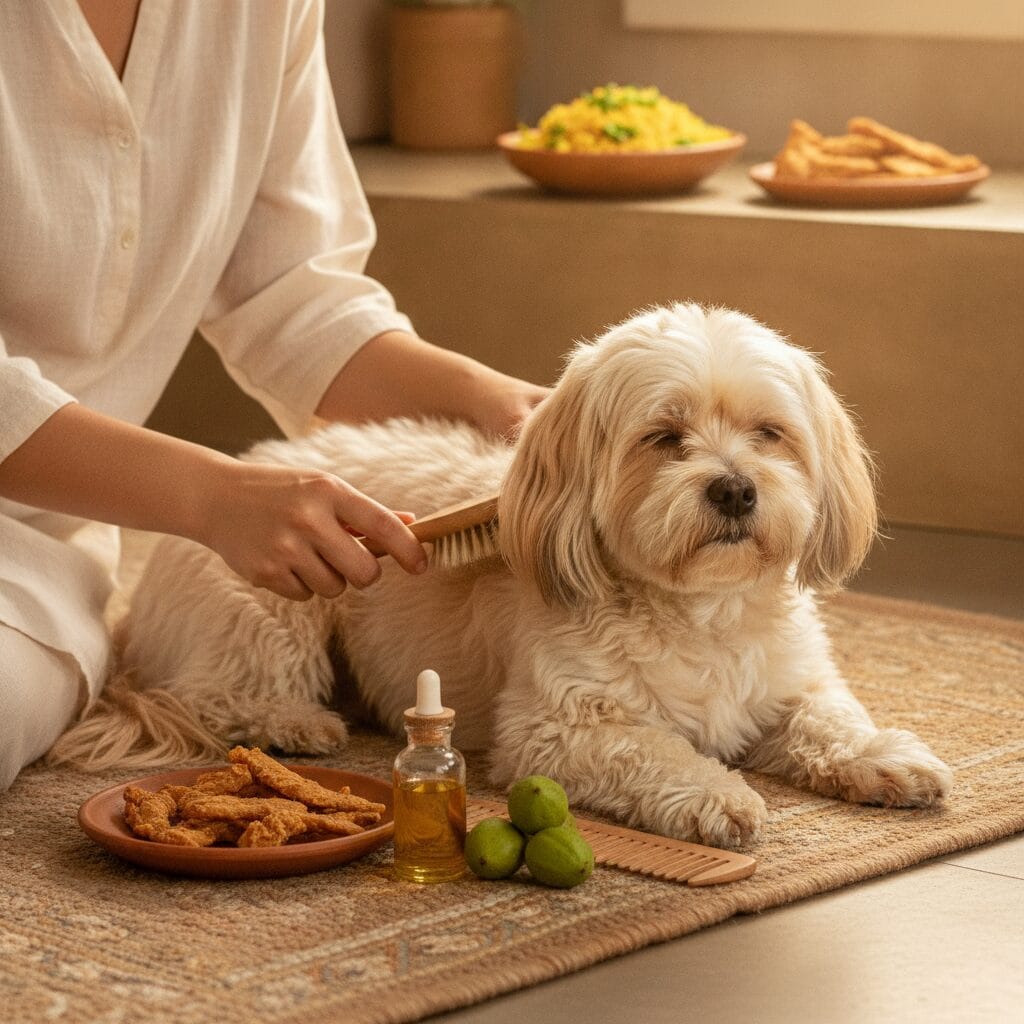
The Lhasa Apso, with its distinctive long, flowing coat and charming personality, is a beloved breed across India. But that magnificent fur, the very thing that makes them so endearing, can also be a challenge. Our humid, dusty environment? It’s tough on their coats. Many Indian pet parents struggle with dullness, skin infections, and shedding. The key to truly thriving Apso diet and coat care in India lies in understanding their biological needs. Then, we adapt them to our local context.
Quick Answer: Optimal Apso Diet & Coat Care in India
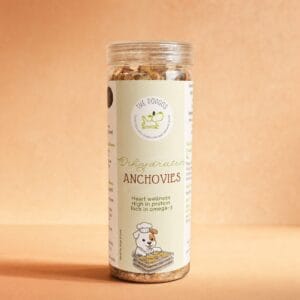
For optimal Apso diet and coat care in India, prioritise a fresh, home-cooked diet. It needs to be rich in quality protein and balanced fats. Supplement with essential Omega-3s. Use Dehydrated Anchovies or Hemp Seed Oil. These combat inflammation. For topical care, Baobab Oil for Dogs is crucial. It hydrates skin, reduces dryness, and promotes a lustrous, healthy coat.
Understanding the Lhasa Apso’s Unique Needs
Lhasa Apsos were bred in Tibet. Think harsh, cold climate. Their dense double coat provided insulation. Here in India, that same coat can trap heat and moisture. This creates a breeding ground for yeast and bacterial infections. Their skin can also be quite sensitive. Prone to dryness, flakiness, and hot spots if not managed correctly. So, their diet and grooming must support both internal health and external resilience.
As carnivores, Lhasa Apsos, like all dogs, require a diet primarily composed of animal protein and fat. Minimal carbohydrates. Their digestive systems aren’t built for grain-heavy meals. These can lead to inflammation. This shows up as skin issues and dull coats. A fresh, species-appropriate diet is the foundation for a healthy coat.
The “Heat” Myth vs. Omega-6 Inflammation
Many Indian pet parents believe certain foods, like chicken or eggs, cause “heat” in dogs. Leading to rashes or itching. This is a common misconception. What you’re likely seeing is an inflammatory response. It’s from an imbalance in Omega-6 and Omega-3 fatty acids. Commercial chicken, fed on corn and soy, has a skewed Omega-6:3 ratio. Often 20:1 or worse. This excess Omega-6 floods the body with inflammatory markers. It causes the very symptoms attributed to “heat.”
Balance these fats with cooling Omega-3s. Use sources like Dehydrated Anchovies. Or the anti-inflammatory Omega-6 GLA found in Hemp Seed Oil for Dogs. This resolves these issues. Without removing essential proteins from their diet. This is a critical aspect of effective Apso diet and coat care in India.
The Desi Carnivore Diet for Lhasa Apsos: Why Fresh is Best
Our philosophy at The Doggos is simple: Cook the Meal, Dehydrate the Bone. This method is perfectly suited for Lhasa Apsos in India. We advocate for gently home-cooking meat. Like chicken or mutton. This eliminates pathogens common in Indian wet markets. Crucially, always de-bone after cooking. Cooked bones splinter dangerously.
A fresh diet provides superior digestibility. It’s 90-94% vs. kibble’s ~80%. Your Lhasa Apso absorbs more nutrients. These are vital for skin and coat health. This translates to a stronger skin barrier. Fewer allergic reactions. A visibly shinier coat.
Essential Dietary Components for a Healthy Coat
- High-Quality Protein: Boneless chicken, goat, or quail are excellent choices. Protein provides the building blocks for keratin. That’s the main component of hair.
- Balanced Fats: As discussed, Omega-3s are non-negotiable. Add Hemp Seed Oil daily to chicken meals. It has GLA content. This directly reduces inflammation and supports skin barrier function.
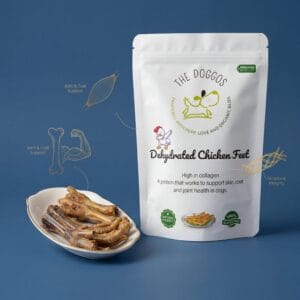
- Vitamins and Minerals: Organs like liver are packed with Vitamin A. Essential for skin regeneration. Calcium and phosphorus from safe bone sources like Dehydrated Chicken Feet ensure structural integrity.
- Prebiotic Fibre: A small amount of cooked pumpkin or green beans aids digestion and gut health. This is intrinsically linked to skin health.
Baobab Oil for Dogs: The Ultimate Coat Elixir for Your Apso
When it comes to topical Apso diet and coat care in India, many parents instinctively reach for coconut oil. Coconut oil has its uses. But it often sits on the skin surface. Trapping heat. Potentially clogging pores. For Lhasa Apsos, with their dense coats, this can worsen issues.
This is where Baobab Oil for Dogs shines. Unlike heavier oils, Baobab Oil has a unique fatty acid profile. Rich in palmitic and oleic acids. It absorbs deep into the epidermis. It mimics the skin’s natural lipid barrier. Healing and nourishing from the inside out. This makes it incredibly effective for:
- Dry, Flaky Skin: Baobab Oil deeply moisturises. Without leaving a greasy residue.
- Hot Spots and Rashes: Its anti-inflammatory properties soothe irritated skin. Helping hot spots dry out within 24 hours.
- Fungal Infections: Regular application can help eradicate fungal issues. Often seen in humid climates. Within 90 days.
- Alopecia and Thinning Coat: By nourishing hair follicles, it promotes healthy hair growth. Can reverse hair loss in a couple of months.
- Overall Coat Luster: Regular use of Baobab Oil for Dogs transforms a dull, brittle coat. Into a soft, shiny, and resilient one.
From my experience, I’ve seen remarkable transformations. A Lhasa Apso client in Mumbai. Suffering from persistent dry patches and a lacklustre coat despite regular grooming. Saw significant improvement within 4 weeks. This was from incorporating daily Hemp Seed Oil into his food. And topical application of Baobab Oil for Dogs. His skin hydrated. Itching reduced. His coat regained its characteristic sheen. This targeted approach is far more effective than generic shampoos or dietary changes alone.
Practical Coat Care for Lhasa Apsos in India
Daily Diet Example: Golden Chicken Bowl for Apsos
This recipe provides a balanced meal for your Lhasa Apso. Supporting internal health for a magnificent coat.
- Ingredients:
- 200g boneless chicken thighs (pressure cooked and shredded)
- 20g chicken liver (cooked with chicken)
- 50g red pumpkin or sweet potato (steamed and mashed)
- 1/4 tsp Hemp Meal Balancer
- 1/2 tsp Hemp Seed Oil
- Pinch of turmeric paste (for anti-inflammatory benefits)
Instructions: Pressure cook chicken and liver until tender. Debone the chicken thoroughly. Mash the pumpkin/sweet potato into the cooked chicken mixture. Once cooled, stir in the Hemp Meal Balancer, Hemp Seed Oil, and turmeric paste. Serve lukewarm.
Grooming Routine for Lhasa Apso Coat Health
- Brushing: Daily brushing is non-negotiable. To prevent mats and tangles, especially in humid weather. Use a pin brush and a slicker brush.
- Bathing: Bathe every 2-4 weeks, or as needed. Using a gentle, natural shampoo. Avoid over-bathing. It can strip natural oils. For more insights on natural grooming, you can read our guide on natural dog grooming.
- Conditioning: A light, rinse-out conditioner helps maintain coat softness and manageability.
- Topical Baobab Oil: After bathing, or on dry patches, apply a few drops of Baobab Oil for Dogs directly to the skin. Gently massage. For general coat health, you can lightly mist the coat with a diluted mixture of Baobab oil and water daily.
- Addressing Skin Issues: For hot spots or fungal patches, clean the area. Apply Baobab Oil for Dogs twice daily. For stubborn issues, consider our Baobab Therapy Mask as a detoxifying treatment.
Common Mistakes in Apso Diet & Coat Care in India
Many well-meaning Indian pet parents inadvertently make these mistakes:
- Feeding a high-carb diet: Excessive rice, roti, or kibble can lead to chronic inflammation and poor gut health. Directly impacting coat quality. Remember, dog saliva has no amylase. Making grain digestion difficult.
- Neglecting Omega-3s: Assuming a generic diet is enough. Without specific Omega-3 supplementation, the Omega-6:3 ratio will be imbalanced. Leading to dry, itchy skin and a dull coat.
- Using inappropriate topical oils: Heavy oils like coconut or mustard oil can clog pores and trap heat. Worsening skin conditions for a dense-coated breed like the Apso.
- Over-bathing or using harsh shampoos: Stripping natural oils from the skin and coat can lead to dryness and irritation. Making the dog more susceptible to infections.
- Ignoring dental health: Poor dental hygiene can contribute to systemic inflammation. Affecting overall health, including skin and coat. Consider Dehydrated Chicken Feet as natural dental chews.
If your Lhasa Apso is always itching, it’s often a sign of underlying dietary or environmental issues. I’ve written an in-depth guide on why dogs itch. It covers many of these points.
The Power of Baobab Oil for Lhasa Apso Coat Health: A Comparison
| Feature | Coconut Oil | Olive Oil | Baobab Oil for Dogs |
|---|---|---|---|
| Absorption | Sits on surface, can clog pores | Sits on surface, can feel heavy | Absorbs deep into epidermis, mimics natural lipids |
| Feel | Greasy, can trap heat | Greasy, can feel heavy | Light, non-greasy, breathable |
| Fatty Acid Profile | High Lauric Acid | High Oleic Acid | Balanced Palmitic, Oleic, Linoleic Acids |
| Key Benefit | Antimicrobial (surface level) | Antioxidant | Deep healing, anti-inflammatory, skin barrier repair, collagen support |
| Best For Apsos | Limited, can worsen humidity issues | Not ideal for dense coats | Excellent for deep hydration, hot spots, dryness, luster |
This comparison clearly shows why Baobab Oil for Dogs is a superior choice. For the specific coat care challenges faced by Lhasa Apsos in India. Its ability to penetrate the skin and heal from within makes it an invaluable tool in your grooming arsenal.
Frequently Asked Questions about Apso Diet & Coat Care in India
Related Reading
- Shop the anchor product: Baobab Oil in the catalog.
- Read more: Best Natural Dog Shampoos in India [2026]: Gentle Care for Desi Coats.
- About the author: Mahiv Chhabra, certified canine nutritionist.