![Best Grooming & Skin Care for Mudhol Hound in India [2026]](https://thedoggos.in/wp-content/uploads/2026/03/best-grooming-skin-care-mudhol-hound-india-featured.jpg "Best Grooming & Skin Care for Mudhol Hound in India [2026] 1")
Your Mudhol Hound, with its lean physique and piercing gaze, truly is a testament to India’s incredible canine heritage. A real athlete, built for speed and endurance across our diverse terrains. We often just admire their majestic presence, but honestly, how much thought do we really give to the very canvas that presents them to the world: their skin and coat?
Here’s the thing — many Indian pet parents believe a short-haired breed like the Mudhol needs minimal grooming, or that skin issues are just a part of life in our humid climate. I’m here to tell you that’s a myth, yaar. While their coat might seem low-maintenance, their skin is a crucial indicator of overall health. And its care goes way beyond just a quick bath. The secret to a Mudhol’s radiant coat and resilient skin lies not just in what you put on them, but critically, what you put in them. Big difference, right?
Quick Answer: The Desi Carnivore Approach to Mudhol Hound Skin & Coat
Want your Mudhol Hound to have a healthy, vibrant coat and robust skin here in India? Then you need to focus on a species-appropriate, fresh diet. One that balances Omega-6 and Omega-3 fats, gives them enough calcium, and crucially, avoids inflammatory fillers. Top this internal care off with smart external grooming using natural products, consistent pest control, and targeted topical solutions for specific skin challenges. Remember, a glossy coat and healthy skin are direct reflections of a thriving internal system, not just external treatments. It’s all connected.
The Mudhol Hound’s Skin: A Desi Canvas
Mudhol Hounds are known for their short, dense, and smooth coats. They’re naturally quite easy to maintain. They don’t shed excessively, nor do they need fancy trims or styling. This often makes owners think they’re immune to skin problems. But living in India throws up some unique challenges:
- Humidity and Heat: Our tropical climate, especially in cities like Mumbai or Chennai, can really get fungal and bacterial growth going on the skin.
- Dust and Pollution: An active Mudhol running around in a park or even just a backyard? They’ll pick up dust, pollen, and pollutants. That stuff can really irritate their skin.
- Pest Menace: Ticks, fleas, and mosquitoes are a year-round battle, a total headache. Their bites can lead to severe itching, infections, and allergic reactions.
- Dietary Deficiencies: This is the biggest culprit, hands down. A diet packed with inflammatory ingredients or missing essential nutrients will show up as dull coats, too much shedding, dry patches, and that never-ending itch.
So, while the grooming routine itself might be simple, the underlying care for their skin needs a full approach. One that truly respects their biology and our unique environment.
The Desi Carnivore Secret: Skin Health Starts in the Bowl
I cannot stress this enough: your dog’s skin and coat are a mirror to their gut health and overall nutrition. You can slather on all the creams and shampoos in the world, but if the diet’s wrong, you’re fighting a losing battle. My philosophy, “The Desi Carnivore” method, focuses on feeding dogs what they are biologically designed to eat, just adapted for the realities of an Indian household.
Why Diet is Everything for Skin Health
Dogs are carnivores. Basically, 99.9% wolf internally. Their digestive system, with stomach acid at a pH of 1-2 and short intestines, is built for meat. When you feed them highly processed kibble or a carb-heavy diet of roti and rice as their main meal, you’re asking their body to do something it’s just not designed for.
- Inflammation Overload: Kibble is often packed with grains, corn, soy, and cheap protein sources. These are inflammatory. Chronic inflammation leads to a compromised skin barrier, making your Mudhol more susceptible to infections, itching, and hot spots.
- Nutrient Deficiency: Processed foods lose vital nutrients. Fresh food, on the other hand, is 90-94% digestible (compared to kibble’s ~80%). That means more nutrients are absorbed to build healthy skin cells and a strong coat.
- Altered Gut Microbiome: A poor diet messes with the delicate balance of gut bacteria. A healthy gut is crucial for a strong immune system, and a strong immune system protects the skin. Simple as that.
The Omega-6 Imbalance and The “Heat” Myth: Your Mudhol’s Itchy Truth
This is where most Indian pet parents fall into a trap. We often hear “chicken gives heat” or “eggs cause heat” leading to rashes and itching. But here’s the thing — this isn’t thermal heat. It’s Omega-6 induced inflammation.
Commercial chicken in India is typically corn and soy-fed, which results in an Omega-6 to Omega-3 ratio of 20:1 to 30:1. The ideal ratio for dogs is much closer to 5:1 or 7:1. This massive imbalance floods your Mudhol’s body with pro-inflammatory compounds, leading to:
- Chronic itching and paw licking.
- Hot spots (moist dermatitis).
- Dull, dry coat and excessive shedding.
- Recurring ear infections.
The Fix: Balance the Fats! You absolutely MUST add Omega-3s to every chicken meal. These aren’t just “toppers,” they are “balancers.”
My Top Omega-3 Balancers:
- Hemp Seed Oil: This is my go-to. It’s rich in Gamma-Linolenic Acid (GLA), a rare Omega-6 that actually acts *anti-inflammatory*. GLA bypasses the enzyme issue many dogs with Atopic Dermatitis have, directly healing dry, cracking paws, dandruff, and reducing inflammation. Plus, it’s plant-based, so no fishy smell for vegetarian households.
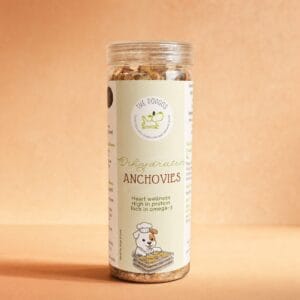
- Dehydrated Anchovies / Sardines: These small fish are low on the food chain, meaning no heavy metal bioaccumulation. Packed with DHA for brain health and EPA for anti-inflammatory action, they are potent Omega-3 sources. Dehydrated, they are mess-free and make an excellent daily addition. (My Lab goes crazy for these!)
Calcium:Phosphorus for Strong Skin (and Bones!)
A boneless homemade diet (just cooked chicken and rice) is perhaps the most common and dangerous mistake I see in Indian households. Meat gives phosphorus, but without bone, your Mudhol is severely lacking calcium. Over time, this leaches calcium from their own skeleton, leading to osteopenia and “Rubber Jaw” syndrome. But it also impacts skin elasticity and cellular health, you know?
The Desi Carnivore Method: “Cook the Meal, Dehydrate the Bone.”
- COOK the Meat: Gently pressure-cook meat (like chicken or mutton). In India’s wet markets and humidity, raw meat is a cross-contamination nightmare for our homes. Cooking kills pathogens like Salmonella and E.coli.
- DEBONE After Cooking: This is a non-negotiable safety rule. Cooked bones become brittle and shatter into sharp, jagged splinters. They can perforate your Mudhol’s intestines, leading to fatal peritonitis. This is the danger of feeding pressure-cooked chicken with bones.
- DEHYDRATED Bones for Calcium & Dental Health: This is the “Goldilocks” solution. Dehydration (low temperature, 20+ hours) retains the porous structure of the bone. It crumbles safely into a chalky powder, giving highly absorbable calcium without the splintering risk of cooked bones or the hygiene risk of raw bones.
My Recommended Calcium Sources:
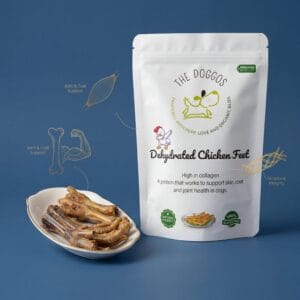
- Dehydrated Chicken Feet: Not just for calcium and phosphorus, they are also a natural source of glucosamine and chondroitin for joint health (essential for an active Mudhol!). And they act as a natural toothbrush.
- Dehydrated Whole Quail: An excellent whole-prey calcium source, giving manganese for ligament health, and the feathers act as a natural colon sweep.
- Dehydrated Pig Bone / Dehydrated Mutton Trotters: Longer-lasting chews for larger Mudhols, offering calcium, dental benefits, and mental enrichment.
You can also use eggshell powder (from organic eggs) or calcium citrate, but dehydrated bones offer so many additional benefits.
Hydration from Fresh Food
Kibble is only about 10% water. Fresh food, like my Golden Chicken Bowl, is around 70% water. This natural hydration is excellent for your Mudhol’s kidneys and contributes significantly to supple, elastic skin and a lustrous coat. Don’t be surprised if your Mudhol drinks less water on a fresh diet; it’s totally normal and a sign of good health!
Grooming Your Mudhol: More Than Just a Bath
While diet is foundational, external care is still important for keeping your Mudhol’s skin and coat looking good, especially in the Indian climate. It’s a team effort.
Bathing Frequency and Products
Mudhol Hounds generally don’t need baths super often. Over-bathing can strip natural oils, leading to dry skin. Aim for once a month, or when they’re visibly dirty. For an active Mudhol, this might be more frequent during monsoon or if they love rolling in mud. And who doesn’t love rolling in mud, right?
- Use Natural, pH-Balanced Shampoos: Avoid harsh chemical shampoos that contain sulphates, parabens, or artificial fragrances. Look for natural, oatmeal-based, or Ayurvedic-inspired shampoos.
- Lukewarm Water: Always use lukewarm water.
- Thorough Rinse: Make sure all shampoo is rinsed off. Any residue can cause irritation and dryness.
- Gentle Drying: Towel dry thoroughly, especially in skin folds (though Mudhols don’t have many, check under the ears). Air drying is fine, but ensure they are fully dry to prevent fungal growth.
Brushing
Even with a short coat, regular brushing (2-3 times a week) is really beneficial:
- Removes Loose Hair and Dirt: Keeps the coat clean and reduces shedding.
- Distributes Natural Oils: Spreads sebum across the coat, promoting shine and health.
- Stimulates Circulation: Gentle brushing can improve blood flow to the skin.
- Bonding Time: It’s a great opportunity for you and your Mudhol to connect.
Use a rubber curry brush or a soft bristle brush. Easy peasy.
Ear and Paw Care
- Ears: Mudhol Hounds have small, folded ears. Check them weekly for redness, odour, or too much wax. Clean gently with a vet-approved ear cleaner and cotton balls. Never use cotton swabs deep inside the ear canal. Seriously, don’t.
- Paws: Being active, their paw pads can get tough or even cracked. Inspect paws regularly for cuts, foreign objects, or signs of irritation. Trim nails every 2-4 weeks. For rough or cracked paws, a natural balm can be a lifesaver.
For Paws and Noses:
- Baobab Paw & Nose Balm: This balm is fantastic for healing cracked paws and dry, crusty noses (hyperkeratosis). It absorbs deeply, unlike heavy oils that just sit on the surface. (I’ve seen this work wonders with Indie dogs especially, who run on rough terrain).
Pest Control: An Indian Imperative
In India, tick and flea prevention is non-negotiable. It’s just how it is. Especially for an outdoor-loving Mudhol. Talk to your vet about topical or oral preventatives. However, you can also support this with natural methods:
- Daily Checks: After every walk, do a quick “tick check” on your Mudhol, paying attention to ears, armpits, and between toes.
- Neem Oil Rinse: A diluted neem oil rinse (ensure it’s dog-safe and very dilute) can act as a natural repellent.
- Clean Environment: Keep your home and your Mudhol’s bedding clean.
Tackling Common Mudhol Skin Issues The Desi Way
Even with the best preventative care, skin issues can sometimes pop up. It happens. Here’s how to address them with a Desi Carnivore mindset, putting natural and effective solutions first.
Itching and Hot Spots (Acute Moist Dermatitis)
As I explained, chronic itching is often an internal issue related to Omega-6 inflammation. Hot spots are typically self-inflicted wounds from excessive licking and chewing due to irritation. And they’re no fun for anyone.
- Internal Fix: Double down on Omega-3s. Increase the dosage of Hemp Seed Oil or Dehydrated Anchovies. Consider an “Itchy Dog Reset” with a novel protein like Dehydrated Whole Quail and some steamed green beans, along with Baobab Powder for gut support.
- Topical Relief: Clean the hot spot gently, trim fur around it, and apply a natural healing oil.
Hot Spot Hero:
- Baobab Oil: This is a game-changer. Seriously. Unlike coconut or olive oil that just sit on the surface, Baobab Oil has a unique fatty acid profile (high Palmitic and Oleic acid) that absorbs *into* the epidermis. It mimics the skin’s natural lipid barrier, healing from the inside out. I’ve seen hot spots dry up in 24 hours, fungal infections eradicated in 90 days, and alopecia reversed in 2 months with consistent use. It’s direct medicine for the skin.
Dry Skin and Dandruff
Often a sign of a lack of essential fatty acids or not enough hydration. Your Mudhol’s body is telling you something.
- Dietary Boost: Make sure there’s a consistent supply of Hemp Seed Oil in their diet. Its GLA content directly moisturises the skin barrier.
- Hydration: Ensure your Mudhol is on a fresh, moisture-rich diet.
Fungal and Bacterial Infections
Common in humid climates, these often appear as red patches, hair loss, or scaly skin. Not pretty. But fixable.
- Dietary Support: A strong immune system, built on a species-appropriate diet, is your first line of defence. Ensure adequate Vitamin C (from natural sources like Baobab Powder) and zinc.
- Topical Treatment:
Anti-Fungal Powerhouse:
- Baobab Therapy Mask: This detox clay mask is incredible for fungal infections, yeast overgrowth, and deep cleansing. It draws out impurities and has natural anti-fungal properties. Apply it to affected areas and let it work its magic.
Your Mudhol’s Radiant Skin Plan: A 3-Step Approach
Alright, here’s a practical, actionable plan to make sure your Mudhol Hound’s skin and coat are always in top condition, the Desi Carnivore way. No complicated stuff, just smart choices.
Step 1: The Nutritional Foundation (Daily)
- Balanced Meals: Feed a gently home-cooked, meat-based diet. My “Golden Chicken Bowl” recipe is a great starting point: 500g chicken thighs (bone-in, skin-on for taurine), 50g liver, 100g red pumpkin, turmeric paste. Pressure cook, DEBONE, mash pumpkin, add a balancer.
- Omega-3 Balance: Add Hemp Seed Oil or Dehydrated Anchovies to *every* chicken meal. This is non-negotiable for skin health.
- Calcium Source: Include Dehydrated Chicken Feet or other dehydrated bones 3-4 times a week to ensure a proper Ca:P ratio.
- Gut Support: A pinch of Baobab Powder for prebiotic fibre during diet transitions, or a spoonful of curd (start small to check for lactose intolerance) for probiotics.
Step 2: Mindful External Care (Weekly/Bi-Weekly)
- Bathing: Bathe your Mudhol 1-2 times a month using a natural, pH-balanced shampoo.
- Brushing: Brush 2-3 times a week with a rubber curry brush to remove loose hair and distribute oils.
- Ear & Paw Check: Weekly inspection and cleaning of ears and paw pads. Apply Baobab Paw & Nose Balm as needed.
- Pest Patrol: Daily tick checks, especially after outdoor adventures.
Step 3: Targeted Solutions for Specific Issues (As Needed)
- Itching/Hot Spots: Immediately address the diet (Omega balance) and apply Baobab Oil to affected areas.
- Fungal/Bacterial Patches: Use Baobab Therapy Mask on problem areas and ensure dietary immune support.
Common Mistakes Indian Mudhol Hound Parents Make
Based on my experience, here are the pitfalls I often see when it comes to Mudhol Hound skin and coat health in India:
- Relying on Kibble or Roti as the Main Diet: This is the single biggest factor contributing to chronic skin issues. These diets are inflammatory, nutrient-poor, and biologically inappropriate for a carnivore. Your Mudhol deserves better than “survival food.”
- Ignoring the Omega-6:3 Imbalance: Believing the “heat” myth and avoiding chicken is like cutting off your nose to spite your face. The problem isn’t the protein; it’s the inflammatory fat profile of commercially raised chicken. Not adding Omega-3s is a missed opportunity for skin health.
- Feeding Cooked Bones: This is a critical safety hazard. Pressure-cooking chicken with bones and feeding it all is a recipe for disaster. Cooked bones splinter, leading to internal injuries. Always DEBONE after cooking and use safe, dehydrated bones for calcium.
- Focusing Only on External Treatments: Using endless shampoos, creams, and powders without addressing the underlying dietary issues? That’s like trying to fix a leaky roof by painting over the water stains. You need to fix the source.
- Over-Bathing or Using Harsh Products: Stripping natural oils with too-frequent baths or strong chemicals only makes dry skin and irritation worse.
- Neglecting Pest Control: In India, ticks and fleas aren’t just an annoyance; they can cause severe skin allergies, infections, and transmit dangerous diseases like tick fever. Proactive prevention is key.
- Not Providing Mental Enrichment: An under-stimulated Mudhol can develop stress-related behaviours like excessive licking, which can lead to hot spots. Safe, long-lasting chews like Dehydrated Mutton Trotters or Dehydrated Pig Bones provide mental stimulation and release calming endorphins. They’re functional medicine, not just snacks.
FAQ: Mudhol Hound Grooming & Skin Care
Q1: How often should I bathe my Mudhol Hound in India?
A1: Generally, bathing your Mudhol Hound once a month is enough. This helps avoid stripping their natural oils, which can lead to dry skin. But hey, if your Mudhol is super active, gets dirty often, or if it’s monsoon season, you might bathe them a bit more frequently, maybe every 2-3 weeks. Just remember to always use a natural, pH-balanced dog shampoo and rinse them really, really well.
Q2: What causes itching in Mudhol Hounds, and how can I stop it?
A2: Chronic itching in Mudhol Hounds usually comes down to an imbalance in Omega-6 and Omega-3 fatty acids in their diet. This leads to inflammation. Commercial Indian chicken, kibble, and grain-heavy diets are often the culprits. To stop the itching, switch to a fresh, meat-based diet. And consistently add Omega-3 balancers like Hemp Seed Oil or Dehydrated Anchovies to *every* meal. For immediate relief on hot spots and irritated skin, topical solutions like Baobab Oil can work wonders.
Q3: Can diet really improve my Mudhol’s coat shine and reduce shedding?
A3: Absolutely! Diet is, without a doubt, the single most powerful factor for coat shine and shedding. A species-appropriate, fresh diet, rich in bioavailable proteins, balanced fats (especially Omega-3s), and proper calcium will provide all the building blocks for a healthy, lustrous coat. It’ll also cut down on excessive shedding. Kibble or carb-heavy diets often lead to dull coats and increased shedding because of nutrient deficiencies and inflammation. Plus, fresh food is about 70% water, which significantly boosts skin and coat hydration. It’s a game changer.
Q4: Are “desi” remedies like coconut oil good for Mudhol Hound skin?
A4: While coconut oil does have some benefits, it’s often quite heavy and tends to sit on the skin surface. This can potentially trap heat and clog pores, especially in India’s climate. For deeper healing and absorption, I really recommend Baobab Oil instead. Its unique fatty acid profile lets it penetrate the epidermis, mimicking the skin’s natural lipid barrier and healing from within. This makes it far more effective for hot spots, fungal infections, and dry skin. Honestly, most vets won’t tell you this.
Q5: What are safe chews for Mudhol Hounds to help with dental and skin health?
A5: Safe chews are a fantastic way to support dental health and give them mental enrichment. That indirectly reduces stress-related skin issues, you know? For Mudhol Hounds, I recommend Dehydrated Chicken Feet (natural glucosamine, great for dental cleaning), Dehydrated Mutton Trotters (long-lasting, collagen-rich, and excellent for teeth), or Dehydrated Pig Bones for those larger, stronger chewers. These are dehydrated, meaning they’re safe and crumble into a digestible powder, unlike those dangerous cooked bones you hear about from your neighbourhood butcher. For more options, check out my guide on Safe Dog Chews in India.
Your Mudhol Hound is a magnificent animal, truly deserving of care that honours their true carnivorous nature and adapts to our Indian reality. By embracing the Desi Carnivore method, focusing on a fresh, balanced diet and smart grooming choices, you’ll not only see a healthier, shinier coat, but a happier, more energetic companion. It’s a promise.
Want to dive deeper into feeding your Mudhol? Check out our Mudhol Hound Diet Plan India.