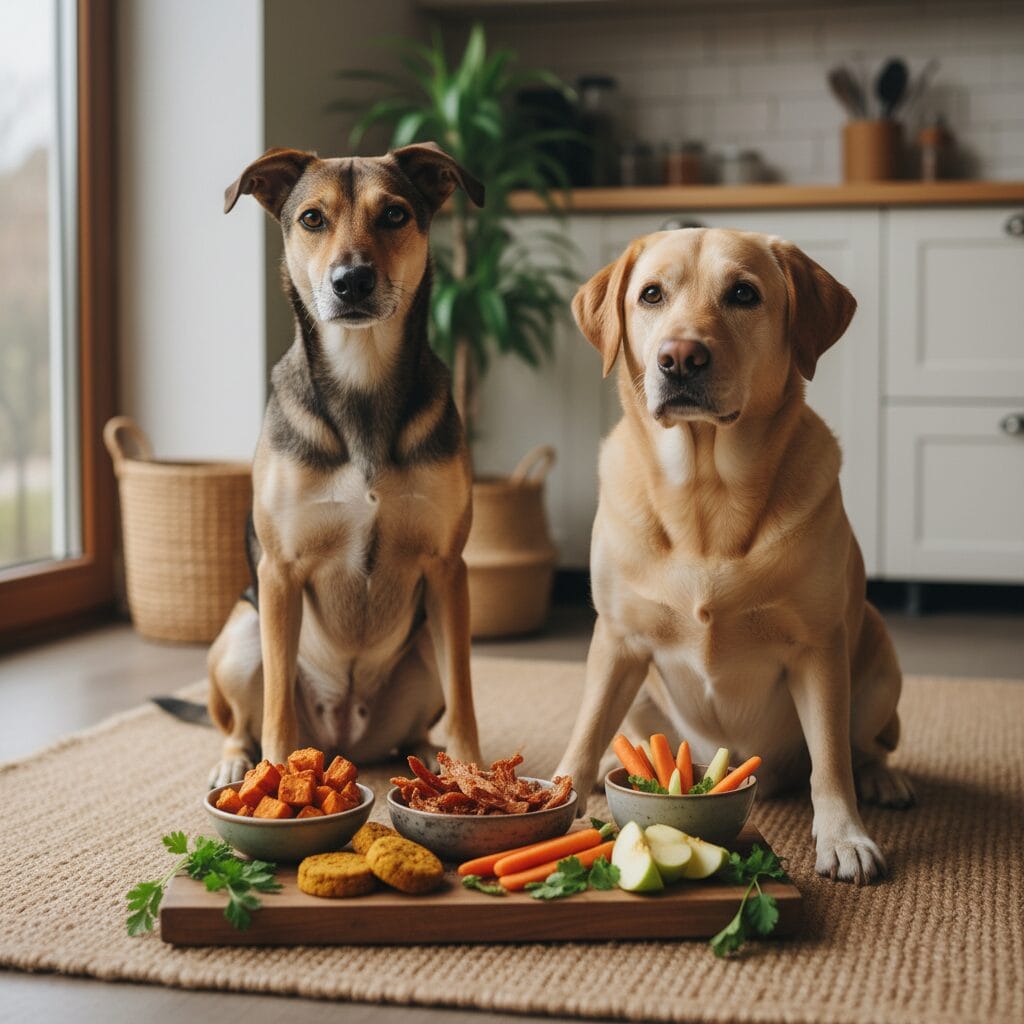
Walk into any pet store in India, or even your local kirana, and you’ll get hit with rows of colourful dog biscuits and processed chews. But honestly, as an Indian pet parent, have you ever really stopped to think about what actually goes into these ‘treats’? Most are just full of maida, sugar, and artificial stuff that ends up hurting our beloved desi dogs more than helping them. It’s time we ignored all that marketing fluff and got real about finding the best natural dog treats for Indian dogs.
The best natural dog treats for Indian dogs are simple: single-ingredient, gently dehydrated animal parts. Think chicken feet, mutton trotters, or anchovies. These provide crucial nutrients, support dental health, and encourage natural chewing. They offer functional benefits, addressing common issues like summer heat or festive anxiety, without the risks of cooked bones or junk fillers found in commercial biscuits.
Why Natural Dog Treats Are Essential for Your Indian Dog’s Health
Look, in India, our dogs deal with some pretty unique stuff. That humid climate? It can really make skin issues worse. And then there’s all the processed, carb-heavy food they often get (roti and kibble, anyone?). That stuff can totally mess up their sensitive digestive systems. Too often, a dog’s health just doesn’t get the attention it needs. And that’s exactly where natural treats come in. They’re not just for rewarding good behaviour. They’re a big, important part of keeping them healthy and happy overall.
Your dog, deep down, is basically 99.9% wolf. Think about it. Their stomach acid? It’s super strong, a pH of 1-2, built to break down meat and bone, not grains and starches. Plus, their spit doesn’t even have amylase. That means grains mostly just pass right through, undigested, and put a real strain on their pancreas. So, when you hand your dog a biscuit full of maida, you’re not just giving them a snack. You’re actually working against how their body is meant to function.
Natural, species-appropriate treats, on the flip side, totally support that carnivorous nature. They give your dog protein that’s super easy to digest, plus all those vital vitamins and minerals. And let’s not forget the mental workout from chewing. That’s big for a calm, happy dog. Did you know fresh food digestibility is crazy high, like 90-94%? Kibble only hits about 80% (Journal of Animal Science, 2021). That means more nutrients soaked up and, well, smaller, firmer poops. This idea applies to natural treats too, making them a must-have part of any truly healthy diet.
The Desi Carnivore’s Guide: What Makes a Treat Truly ‘Natural’ in India?
The word ‘natural’ gets tossed around so much in the pet food world, doesn’t it? But what does it *really* mean for us here in India? For us at The Doggos, it means sticking to some basic, non-negotiable rules that fit right into our ‘Cook the Meal, Dehydrate the Bone’ philosophy.
- Single-Ingredient Purity: A truly natural treat? It should have just one ingredient. Seriously, that’s it. If you spot a long list of chemicals you can’t even say, or preservatives, or fillers like corn, soy, or wheat, then nope. Not natural. We’re talking pure chicken feet, pure mutton trotter, pure anchovy. This makes digestion way easier and cuts down on allergy risks.
- No Artificial Anything: And by that, I mean zero artificial colours, flavours, or preservatives. These things are often the sneaky culprits causing that mystery itching, hyperactivity, or tummy troubles in our sensitive Indian dogs.
- Gently Dehydrated, Never Cooked: This part is huge. Absolutely critical. While we totally recommend cooking meat for safety in Indian households (especially with our wet markets and that humidity), bones are a whole different ballgame. High heat, like pressure cooking, makes bones super brittle. They can easily splinter into dangerous, sharp pieces that could cause fatal internal injuries. Seriously, it’s not worth the risk. Our method for treats involves a gentle, low-temperature dehydration, often over 20+ hours. This process takes out all the moisture but keeps the bone’s porous structure. So, instead of dangerous shards, it crumbles safely into a chalky powder that’s easy to digest and gives them crucial calcium. It’s our “Goldilocks” solution for bones. Want to know more about bone safety? Check out our full guide on bones safety guide.
- Source Matters: Knowing where your ingredients actually come from? That’s super important. For us, it means sourcing responsibly from local Indian suppliers. We’re talking about making sure everything’s top quality and fresh, especially for our meats and fish.
When you pick a natural treat, you’re not just handing out a snack. Nope. You’re giving your dog functional medicine for their joints, teeth, gut, and even their brain.
Top Natural Dog Treats India: Our Recommended Picks for 2026
So, based on our philosophy and all that nutritional science, here are The Doggos’ top picks for the best natural dog treats in India. These actually give real, noticeable health benefits for your furry friend. They aren’t just snacks, remember? They’re super important supplements. For a complete overview of our offerings, visit our natural dog treats page.
Dehydrated Chicken Feet: The Natural Joint Pill
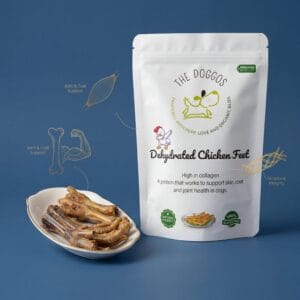
Forget those expensive supplements. A chicken foot is a natural powerhouse! Each one has about 450mg of glucosamine and chondroitin, making it amazing natural joint support. Especially good for breeds that often get hip and elbow dysplasia, like Labradors or German Shepherds. Plus, all that chewing helps scrape plaque right off their teeth, naturally cleaning them. And they’re a great source of calcium and phosphorus, in that perfect 1.2:1 ratio. We totally recommend our Dehydrated Chicken Feet for daily dental and joint care.
Dehydrated Mutton Trotters: Recovery, Iron & Collagen Boost
When your dog needs a really serious chew and a good nutritional boost, nothing, and I mean nothing, beats a Mutton Trotter. They’re rich in iron, zinc, and collagen, which makes them great for dogs getting over tick fever (they help rebuild red blood cells and platelets, you know?). Also good for senior dogs with stiff joints, or even those needing a ‘warming’ protein during winter (like Ayurvedic principles suggest). That long chewing time? It’s amazing for mental enrichment and helps release endorphins, making it a natural stress reliever. Check out our Dehydrated Mutton Trotters for a strong, purposeful chew.
Dehydrated Anchovies: Brain Food, Omega-3 & Cooling Powerhouse
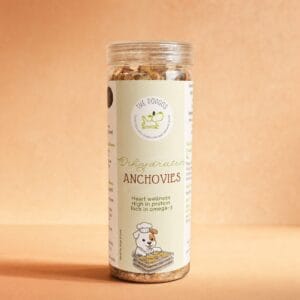
Here in India, most commercial chicken is just loaded with inflammatory Omega-6. So, adding Omega-3? That’s a must-do. Our Dehydrated Anchovies are small, short-lived fish, which means they have very little heavy metal build-up compared to bigger fish. They’re packed with DHA, which is super important for brain development in puppies (hello, easier training!). And it helps prevent Cognitive Dysfunction Syndrome in older dogs. These Dehydrated Anchovies are also fantastic for skin and coat health, fighting that ‘heat’ (Omega-6 inflammation) people often blame on chicken. For vegetarian households who might be hesitant to cook fish, these odour-controlled Dehydrated Anchovies are a perfect solution. Adding Dehydrated Anchovies to your dog’s diet helps balance fats, which is crucial for overall health and can contribute to a ‘cooling’ effect by reducing systemic inflammation, especially during Indian summers.
Dehydrated Whole Quail: Hypoallergenic & Gut Cleanser
Dealing with allergies? Our Dehydrated Whole Quail is honestly a real fix. It’s a novel protein, so your dog’s immune system probably hasn’t seen it before. That makes it perfect for elimination diets. But it’s more than just hypoallergenic. Whole quail gives them manganese for strong ligaments (helping prevent those nasty CCL tears), and get this: its feathers act like a natural ‘colon sweep.’ The insoluble keratin in those feathers actually helps scrub intestinal walls and bulk up their poop, naturally helping express anal glands. If your dog’s scooting around, seriously, give a whole quail a try!
Dehydrated Pig Bone: Long-Lasting Calcium & Mental Enrichment
Got a power chewer? Our Dehydrated Pig Bone is a long-lasting, super satisfying chew. It’s a great source of calcium and phosphorus, which is super important for bone health and stopping problems like osteopenia or ‘Rubber Jaw’ syndrome. All that sustained chewing? It’s a great way to beat boredom, dial down anxiety, and really boost their mental well-being, especially for those high-energy breeds. Just remember: only dehydrated bones are safe. Never, ever cooked bones.
Dehydrated Goat Ears: Dental Health with Fibre
These crunchy, chewy treats? Total favourites for a lot of dogs. Our Dehydrated Goat Ears are great for their teeth, helping to scrape away plaque and tartar. Plus, the natural fur on the ears acts like dietary fibre, which helps digestion and naturally gets those anal glands expressed. They’re also a good source of collagen for skin and joint health, making them a treat that’s both purposeful and delicious.
| Treat Type | Key Benefit | Price (Approx.) | Best For |
|---|---|---|---|
| Dehydrated Chicken Feet | Joints (Glucosamine), Dental, Calcium | Rs. 199 | Daily chew, puppies, senior dogs |
| Dehydrated Mutton Trotters | Recovery, Iron, Collagen, Long Chew | Rs. 399 | Power chewers, sick/recovering dogs |
| Dehydrated Anchovies | Omega-3 (DHA), Brain, Skin & Coat, Anti-inflammatory | Rs. 599 | All dogs, especially those with allergies, summer cooling |
| Dehydrated Whole Quail | Hypoallergenic, Gut Cleanse (Feathers), Manganese | Rs. 249 | Allergy dogs, scooting, ligament health |
| Dehydrated Pig Bone | Long-lasting Chew, Calcium, Mental Enrichment | Rs. 449 | Power chewers, boredom relief, bone health |
| Dehydrated Goat Ears | Dental Health, Fibre (Fur), Collagen | Rs. 349 | All dogs, especially those needing dental care |
Beyond the Snack: Functional Benefits of Dehydrated Treats
A lot of Indian pet parents just see treats as a reward, right? But real natural, dehydrated treats? They’re so much more than that. They’re basically functional medicine for your dog, tackling specific health needs in a way that truly suits their biology.
- Dental Health: That simple act of chewing on firm, dehydrated bones and chews helps scrape off plaque and tartar. Meaning fewer expensive, stressful trips to the vet for cleanings. Way better than sugary biscuits that just cause tooth decay, honestly.
- Joint Support: Treats like Chicken Feet are natural powerhouses of glucosamine and chondroitin. Super important for keeping cartilage and joint fluid healthy. This is preventative care, all wrapped up in a delicious package.
- Gut Health: Some treats, like Whole Quail with feathers or Goat Ears with fur, give them insoluble fibre. Think of it as a natural colon sweep, making digestion better and helping get those anal glands expressed. Pretty cool, right?
- Mental Enrichment: Chewing? It’s totally natural for dogs. It’s instinct. It releases endorphins, helps cut down stress, and fights boredom. A good, long-lasting chew can be an absolute lifesaver for anxious dogs or ones who spend time alone. (My Lab goes crazy for this, keeps him busy for ages!)
- Nutritional Boost: Unlike those empty-calorie commercial treats, dehydrated animal parts give your dog highly bioavailable proteins, fats, vitamins, and minerals. They truly supplement their diet.
Want to understand more about why these treats are so beneficial? Then dive into our full guide: Are Dehydrated Treats Good for Dogs?
The “Heat” Myth and How Natural Treats Help Cool Your Dog
In India, we hear it all the time: chicken or eggs cause ‘heat’ in dogs, leading to rashes and itching. And as Mahiv Amit Chhabra, I can tell you, that’s a really common myth. It comes from ancient Ayurvedic and TCM principles, sure, but people often misunderstand it today. What Indian pet parents see as ‘heat’ is, almost every single time, Omega-6 inflammation.
Commercial Indian chicken, the stuff fed on corn and soy, has an Omega 6:3 ratio that can hit 20:1, or even 30:1! Compare that to a healthy 7:1 for pasture-raised meat. This huge imbalance just floods their body with inflammatory stuff, showing up as paw licking, hot spots, chronic ear infections, and all that ‘unexplained’ itching.
It’s a mess.
Natural treats, especially ones packed with Omega-3 like our Dehydrated Anchovies, totally help fix this ratio. Plus, adding anti-inflammatory fats like GLA (you’ll find it in Hemp Seed Oil) can directly fight this inflammation. It actually solves those ‘heat’-related problems without you having to cut out valuable protein. It’s all about balance, not just avoiding things. During hot Indian summers, balancing these fats is key to keeping your dog comfortable.
From Mahiv’s Practice: Cooling an Indie Dog’s Itch
I recently worked with a client in Chennai whose Indie dog, Rani, suffered from chronic paw licking and ear infections every summer. Her diet was mostly home-cooked chicken and rice. We introduced 5-6 Dehydrated Anchovies daily to her meals, along with a few drops of Hemp Seed Oil. Within 3 weeks, Rani’s paw licking significantly reduced, and her ear infections cleared up without medication, simply by balancing her Omega-6:3 ratio. It’s proof that what we perceive as ‘heat’ is often just inflammation, easily managed with the right natural additions.
Festive Season Safety: Natural & Safe Treats for Indian Festivals
Indian festivals are a time of joy, but also a hidden minefield for our pets. Sweets, fried snacks, rich curries, and even chocolate are everywhere, and they are extremely dangerous for dogs. Instead of risking an emergency vet visit, make smart, natural choices that keep your dog safe and happy.
- Avoid Human Festival Foods: Absolutely no mithai, fried savouries, or chocolate. These contain sugar, unhealthy fats, and toxic ingredients that can cause pancreatitis, vomiting, diarrhoea, or even death.
- Calming Chews for Anxiety: The noise of firecrackers and loud music during festivals like Diwali can be terrifying for dogs. Long-lasting natural chews, such as Dehydrated Mutton Trotters or Dehydrated Pig Bones, are excellent for distraction. The sustained chewing releases endorphins, which have a natural calming effect, helping to reduce stress and anxiety.
- Nutrient-Rich Alternatives: Offer special festive treats that are safe and beneficial. Our single-ingredient dehydrated treats are perfect. They provide mental stimulation and nutritional value without any risks. Consider giving a Dehydrated Chicken Foot instead of a sugary biscuit.
- Anxiety Support: Consider starting Hemp Seed Oil a week or two before major festivals. Its mild anxiolytic properties can help build a ‘calm buffer’, making your dog more resilient to sudden loud noises.
By choosing natural, purposeful treats, you can ensure your dog enjoys the festive season safely and happily, without any unwanted trips to the vet.
How to Choose the Right Natural Treat for Your Dog
Selecting the perfect natural treat involves considering your dog’s individual needs.
- Age: Puppies do great with softer chews or smaller pieces (think smaller Chicken Feet or Anchovies). Older dogs, especially, might need options that are easier to chew or offer specific joint support.
- Size & Breed: A Great Dane is going to need a way bigger chew than a tiny Shih Tzu, right? You’ve got to match the treat size to your dog’s jaw strength and how they chew. Power chewers, like Rottweilers or Dobermans, will absolutely love Mutton Trotters or Pig Bones. A Pug, on the other hand, might be happier with Chicken Feet.
- Chewing Style: Is your dog a gulper, a nibbler, or a seriously intense chewer? For gulpers, make sure treats are the right size so they don’t choke. For the serious chewers, longer-lasting options are always best.
- Dietary Needs/Allergies: If your dog has sensitivities, go for novel proteins like Whole Quail or single-ingredient options to steer clear of potential triggers. And if they’re prone to joint issues, then you should definitely focus on treats rich in glucosamine.
- Purpose: Are you just after a quick reward? Or do you need a dental cleaner, a joint supplement, or something to fight boredom? Different treats do different jobs, you know?
Always, always watch your dog when they’re enjoying a new treat, especially a bone. Just make sure they’re chewing safely.
Common Mistakes Indian Dog Parents Make with Treats
Honestly, it just breaks my heart to see well-meaning Indian pet parents accidentally harming their dogs with unhealthy treat choices. Here are the biggest mistakes I see:
- Reliance on Commercial Biscuits (Parle-G, Marie): These things are just full of maida (refined flour) and sugar. They’re absolutely terrible for a dog’s gut, teeth, and blood sugar levels. They offer zero nutritional value whatsoever and just lead to obesity and inflammation. Please, for your dog’s health, swap these out for truly natural options. You’ll thank me later.
- Feeding Cooked Bones: This is probably the most dangerous mistake out there. Seriously. As I’ve stressed before, cooked bones get brittle and can splinter into sharp, jagged pieces. These can literally tear through your dog’s digestive tract, leading to fatal peritonitis. NEVER feed cooked bones. Stick to raw recreational bones (if you’re brave enough to handle the hygiene, especially in our climate) or, our much safer recommended method, gently dehydrated ones. (I’ve seen this work with Indie dogs especially, who have really strong jaws!)
- Ignoring Calcium:Phosphorus Balance: A lot of homemade diets in India are just chicken and rice, right? And while chicken is great, boneless chicken by itself creates a really big phosphorus imbalance. Over time, that leads to calcium getting pulled from your dog’s own bones. This causes serious health problems like osteopenia and ‘Rubber Jaw’ syndrome. Natural treats, like dehydrated chicken feet or pig bones, actually help fix this super important ratio.
- Overfeeding: Even natural treats need to be given in small amounts. They’re super nutrient-dense, so feeding too much can definitely lead to weight gain. Treats should never make up more than 10% of your dog’s daily calorie intake.
- Not Considering Hygiene: Here’s the thing, in India, the hygiene gap is absolutely real. Sure, raw food has its biological benefits. But the risk of Salmonella or E.coli from wet market meat, especially in our humid conditions, is just too high for safe home handling. This is precisely why our ‘Cook the Meal, Dehydrate the Bone’ method is the safe, Indian middle path. Want to know more about the challenges of raw feeding in India? Check out our insights on Raw Food Diet for Dogs in India.
Frequently Asked Questions about Natural Dog Treats in India
Q: Are dehydrated treats better than traditional dog biscuits for my Indian dog?
A: Absolutely, yes! Dehydrated treats are way, way better. Why? Because they’re single-ingredient, totally free from artificial additives, and just packed with good, bioavailable nutrients. Traditional biscuits, especially the ones you commonly find here in India, are usually just full of maida, sugar, and fillers. They offer zero nutritional value and can actually harm your dog’s health.
Q: Can puppies eat natural dehydrated treats?
A: Yes, definitely! A lot of natural dehydrated treats are totally fine for puppies. Just go for softer chews, like smaller chicken feet or Dehydrated Anchovies. They give great dental benefits and really important nutrients for them to grow. Always keep an eye on your puppy during treat time, though, just to make sure they’re chewing safely.
Q: How do I store natural dog treats in India’s climate?
A: Given India’s humidity, it’s super important to store natural dehydrated treats in an airtight container, somewhere cool and dry, out of direct sunlight. Putting them in the fridge can make them last longer, especially during monsoon season, but it’s not always needed if you store them right.
Q: What if my dog is allergic to chicken, can they still have natural treats?
A: Yes! If your dog has a chicken allergy, no worries. You can look into novel protein dehydrated treats like Dehydrated Whole Quail, Dehydrated Mutton Trotters, or Dehydrated Bombay Duck. These have totally different protein structures and are much less likely to cause an allergic reaction.
Q: Are The Doggos’ natural treats safe for my dog?
A: Yes, absolutely. The Doggos’ natural treats are safe because we stick to our “Cook the Meal, Dehydrate the Bone” method. Our treats are single-ingredient, gently dehydrated (never cooked at high heat!), and completely free from artificial additives. That way, they crumble safely and give your dog the most nutritional benefit possible.
Q: How can natural treats help my dog stay cool in summer or calm during festivals?
A: Natural treats help in several ways. For summer “heat”, options like Dehydrated Anchovies provide Omega-3s to reduce inflammatory Omega-6, which is often mistaken for heat. For festive anxiety, long-lasting chews like Dehydrated Mutton Trotters release calming endorphins, offering a safe distraction from loud noises and preventing them from eating dangerous human festival foods.
Choosing the best natural dog treats for your Indian dog isn’t just about handing out a reward, you know? It’s really about investing in their long-term health, happiness, and overall vitality. When you get what truly makes a treat natural and functional, you can make smart choices that fit perfectly with your dog’s carnivorous biology.
Go explore The Doggos’ full range of natural dog treats today. Every single product is made with care to give specific health benefits, making sure your furry family member truly thrives, the Desi Carnivore way. And hey, for even more insights into canine nutrition from a certified expert, don’t forget to check out my author page: Mahiv Amit Chhabra.