I understand why you’re asking this question. Maybe you’re a vegetarian yourself – for ethical, religious, or health reasons – and the idea of handling meat for your dog feels uncomfortable. Perhaps you come from a household where meat has never been cooked, and you’re wondering if your dog can live the same way. Maybe you’ve seen those glossy ads for “plant-based” dog food in Indian markets or scrolled through articles claiming dogs can thrive on vegetarian diets with “proper planning.”
I respect where this question comes from. I truly do. But as Mahiv Amit Chhabra, a certified canine nutritionist and the voice behind The Desi Carnivore, I’m going to give you an answer that might sting a little, but it’s the truth your dog deserves:
No, Dogs Cannot Be Vegetarian. Their Biology Demands Meat.
Let’s cut through the noise and the marketing fluff. Your dog is a carnivore. Not “ideally includes meat.” Not “does better with meat.” Requires it. Their entire physiological makeup, honed over millennia, is designed to consume, digest, and thrive on animal protein, fat, and organs. Trying to force a vegetarian diet on a dog isn’t just suboptimal; it’s a recipe for long-term health issues and a disservice to their natural design.
Want to know why? Let’s dive into the undeniable biology.
The "Dogs Are Omnivores" Myth: Unpacking the Half-Truth
The argument for vegetarian dog diets usually starts with this claim: “Dogs are omnivores, not carnivores. They can digest plant matter, so they can live on plants.” This is a half-truth that leads to a dangerously false conclusion, especially here in India where vegetarianism is so prevalent and often extends to our pets.
Dogs are what we call facultative carnivores – sometimes referred to as “scavenging carnivores.” This means their biology is fundamentally carnivorous, but they have some *limited* ability to digest plant matter as a survival mechanism. Think about what this actually means in an Indian context: over thousands of years, street dogs (our beloved Indies) evolved alongside humans who didn’t always have meat to spare. The dogs that survived were the ones who could extract *some* nutrition from scraps, including plant-based scraps like leftover roti or rice, when meat wasn’t available.
This is a survival adaptation, not an indication of optimal nutrition. Humans can survive on a diet of plain rice and dal for dogs for extended periods, but we wouldn’t be thriving, would we? The ability to survive on something is not the same as the ability to thrive on it. Your dog deserves to thrive, not just survive.
Why The Distinction Matters: Carnivore vs. Omnivore vs. Herbivore
To truly understand why a vegetarian diet is inappropriate for dogs, let’s look at the fundamental differences in digestive anatomy:
| Feature | Carnivore (Dog) | Omnivore (Human/Bear) | Herbivore (Cow/Horse) |
|---|---|---|---|
| Teeth | Sharp, pointed canines; scissor-like molars for tearing meat and crushing bone. No flat grinding surfaces. | Incisors for biting, canines for tearing, flat molars for grinding. | Broad, flat molars for grinding plant matter; incisors for nipping. |
| Jaw Motion | Up-and-down only. Powerful bite for crushing. | Up-and-down, side-to-side, forward-and-back for grinding. | Extensive side-to-side for macerating plants. |
| Saliva Enzymes | No salivary amylase (or very little). No carbohydrate digestion in the mouth. | Salivary amylase present, begins carbohydrate digestion. | Salivary amylase present (in some), helps break down starches. |
| Stomach pH | Highly acidic (pH 1-2) to break down meat and kill bacteria. | Moderately acidic (pH 1.5-3.5). | Less acidic (pH 4-7) for plant fermentation. |
| Small Intestine Length | Short (3-6 times body length) for rapid meat digestion. | Medium (10-12 times body length). | Very long (20-30 times body length) for complex plant digestion. |
| Cecum/Colon | Small, simple. Limited fermentation. | Developed, some fermentation. | Large, complex, highly developed for extensive fermentation of cellulose. |
This table makes it abundantly clear: your dog’s body is built for meat, not greens or grains. Their digestive system is simply not equipped to efficiently extract nutrients from plant matter in the way true omnivores or herbivores can.
The Biology Is Not Debatable: What Your Dog’s Body Screams for Meat
Let’s look at what your dog’s body is actually designed for, point by undeniable point:
Teeth: Built for the Kill, Not the Kale
Your dog has 42 teeth designed for ripping, tearing, and crushing – not grinding. Their molars are pointed, not flat like a cow’s or even a human’s. They have pronounced canines for grabbing and tearing prey. There are no flat grinding surfaces for processing plant matter. Compare an Indie dog’s teeth to a buffalo’s you see grazing in a field near Delhi, or even to a human’s. The difference is stark. Dog teeth are carnivore teeth, pure and simple.
Jaw Structure: A One-Way Street for Meat
A dog’s jaw moves up and down only – it cannot move side to side. This is classic carnivore anatomy. The side-to-side grinding motion that herbivores and omnivores use to break down plant cell walls? Dogs can’t do it. They’re designed to bite, tear, and swallow. Not chew and grind. This means large chunks of plant material often pass through relatively undigested.
Digestive Tract: A Speedy Path for Protein
Dogs have a short, simple digestive tract – typical of carnivores. Food passes through quickly because meat is easy to digest and doesn’t require prolonged fermentation. Herbivores have long, complex digestive systems—sometimes with multiple stomach chambers like a cow, or a massive cecum like a horse—because breaking down plant cellulose takes time and specialized bacteria. Dogs don’t have this. Their gut is built for meat, not plants. When dogs eat plant matter, much of it passes through undigested or poorly digested. They simply cannot extract nutrition from plants with the same efficiency as from animal tissue.
Stomach Acid: A Powerhouse for Pathogens
Dogs produce highly acidic stomach acid – pH levels around 1-2, similar to other carnivores. This acid is designed to break down tough animal protein, liquefy bone, and, crucially, kill bacteria found in raw meat. Herbivores have much less acidic stomachs because they don’t need to break down animal tissue or protect against meat-borne pathogens. The acidity of a dog’s stomach is another clear signal of what they evolved to eat – a diet that includes raw meat and bones.
Limited Carbohydrate Processing: Survival, Not Preference
Unlike humans and true omnivores, dogs produce very little salivary amylase – the enzyme that begins carbohydrate digestion in the mouth. While they do produce some pancreatic amylase, which allows them to process *some* carbohydrates in the small intestine, “some” is the key word. This limited ability is the survival adaptation I mentioned – not a sign that carbohydrates, particularly plant-based ones, should form the foundation of their diet. A diet heavy in carbs, common in vegetarian dog foods, can lead to inflammation, obesity, and other health issues.
What Plants Cannot Adequately Provide: The Nutrient Gap
Beyond the structural biology, there are specific nutrients that dogs require in their diet that plants either don’t contain, or don’t contain in forms dogs can efficiently use. This is where the “proper planning” argument for vegetarian dog diets completely falls apart. You can’t just throw some vegetables together and call it a balanced meal for a carnivore.
| Nutrient | Primary Source for Dogs | Why It’s Critical | Plant-Based Challenge |
|---|---|---|---|
| Taurine | Meat, especially heart and organ meat | Essential for heart health (prevents dilated cardiomyopathy), eye function, and bile acid conjugation. | Virtually absent in plants. Synthetic supplementation often necessary, but natural sources are superior. |
| Vitamin A (Retinol) | Liver, fish oil, animal fats | Crucial for vision, immune function, skin health, and cellular differentiation. | Plants contain beta-carotene, a precursor. Dogs have limited ability to convert beta-carotene to active Vitamin A. |
| Vitamin B12 (Cobalamin) | Meat, eggs for dogs, dairy | Vital for nerve function, red blood cell formation, and DNA synthesis. | Exclusively found in animal products. Yeast/algae supplements exist but are not naturally bioavailable for dogs. |
| Arginine | Meat, poultry, fish | Essential amino acid for the urea cycle (detoxification of ammonia), immune function, and wound healing. | While some plants have arginine, it’s often not in sufficient quantities or as bioavailable. Deficiency can be life-threatening. |
| Carnitine | Red meat, lamb, fish | Important for fatty acid metabolism and energy production, especially in the heart. | Low to absent in plant sources. Synthetic supplementation is common in plant-based diets. |
| Arachidonic Acid | Animal fats, especially poultry fat, eggs | Omega-6 fatty acid critical for skin, coat, immune function, and cell membrane integrity. | Absent in plant oils. Dogs cannot synthesise it from linoleic acid as efficiently as humans. |
| Heme Iron | Red meat, organs | Highly bioavailable form of iron, essential for oxygen transport and energy. | Plants contain non-heme iron, which is poorly absorbed by dogs. |
| Calcium & Phosphorus Ratio | Raw bones (nature’s perfect balance) | Crucial for bone health, nerve function, and overall metabolism. Imbalance leads to severe issues. | Difficult to balance with plant sources without synthetic additives, often leading to deficiencies or excesses. |
This isn’t an exhaustive list, but it highlights the sheer difficulty – and often impossibility – of meeting a dog’s complete nutritional needs from a purely plant-based diet without heavy reliance on synthetic supplements. And even then, synthetic doesn’t always equal bioavailable or optimal.
The Ayurvedic Perspective: Balance and ‘Agni’ for Carnivores
While Ayurveda primarily focuses on human health, its principles of balance and ‘agni’ (digestive fire) offer a relevant lens for understanding canine nutrition. In Ayurvedic thought, different food groups contribute to different qualities in the body. For a carnivore like a dog, meat is considered ‘ojas-building’ – promoting vitality, strength, and immunity. It fuels their natural ‘agni’ which is designed to break down dense proteins and fats.
A vegetarian diet, often high in grains and certain vegetables, can be ‘heavy’ or ‘cold’ for a dog’s digestive system, dampening their natural digestive fire (agni). This can lead to imbalances, poor nutrient absorption, and a host of health issues like skin problems, low energy, and digestive upset – something we see far too often in India with dogs fed primarily rice and chapati. The natural diet, rich in muscle meat, organs, and bone, is perfectly aligned with their inherent constitution.
The Indian Context: Why Vegetarianism for Dogs is a Risky Trend
In a country where vegetarianism is deeply ingrained in culture and religion, it’s natural for many Indian dog parents to consider a plant-based diet for their furry family members. I’ve heard countless stories from Mumbai to Chennai, where families hesitate to introduce meat into their homes or believe their dogs can thrive on the same vegetarian fare they eat.
The Roti-Rice-Dal Trap
One of the most common mistakes I see in India is feeding dogs a diet primarily consisting of roti, rice, and dal. While these might be staples for us, they are woefully inadequate for dogs. They are carbohydrate-heavy, nutrient-poor (for a carnivore), and can lead to a host of problems:
- Obesity: Excess carbs are stored as fat.
- Allergies & Skin Issues: Common culprits like wheat in roti can trigger sensitivities. If your dog is always itching, a carb-heavy diet could be a factor. Why is my dog always itching?
- Digestive Upset: Bloating, gas, and irregular stools due to a system not designed to process such large amounts of plant matter.
- Nutrient Deficiencies: As discussed above, crucial vitamins and minerals are missing.
For more on specific Indian foods, you might find my posts on Is roti good for dogs? and Can Dogs Eat Paneer? insightful.
The Rise of "Vegetarian Kibble" in Indian Markets
Walk into any pet store in India, and you’ll find bags of “vegetarian” dog kibble. These products often market themselves as “complete and balanced,” preying on the ethical concerns of well-meaning pet parents. But remember my philosophy: “Ditch the kibble, unleash the natural.” These plant-based kibbles are ultra-processed, high in indigestible fillers, and chemically fortified with synthetic nutrients to *try* and compensate for the lack of real meat. They are the antithesis of a species-appropriate diet. Ditch the Kibble, Unleash the Natural to learn more.
What About Our Indie Dogs?
Many argue that street dogs, or Indies, survive on scraps, often vegetarian. Yes, they *survive*. But look closely: they also scavenge meat scraps, bones, and whatever else they can find. And while they are incredibly resilient, they often suffer from malnutrition, skin issues, and shorter lifespans compared to well-fed, naturally-fed domestic dogs. Survival is not thriving.
What Should You Feed Your Carnivore Instead? A Practical Guide
If a vegetarian diet is off the table, what’s the solution? A species-appropriate, biologically raw diet. This means focusing on what their ancestors, and even our Indie dogs, would naturally seek out: raw meat, bones, and organs.
At The Doggos, our philosophy is simple: feed your dog what they were designed to eat. This means:
- Muscle Meat: The bulk of their diet should be raw muscle meat – chicken, mutton, fish, buffalo. This provides essential protein and fat.
- Raw Edible Bones: Crucial for calcium, phosphorus, and dental health. Think chicken necks, wings, or soft mutton bones. Can dogs eat bones?
- Organ Meats: These are nature’s multivitamins! Liver, heart, kidney are nutrient powerhouses. They provide concentrated vitamins (like Vitamin A, B12), minerals, and essential amino acids.
- Small Amounts of Fruits/Vegetables (Optional): These can be added as a small percentage (around 5-10%) for fibre and antioxidants, but never as the main component. Think grated carrots, spinach, or a bit of mango in season (Can Dogs Eat Mango in India?).
The Doggos’ Solution: Natural, Dehydrated natural dog treats guide for Optimal Health
Transitioning to a full raw diet can seem daunting, but even incorporating natural, species-appropriate treats can make a huge difference. Our range of dehydrated raw treats are perfect for supplementing your dog’s diet and providing those essential nutrients without any of the nasties found in processed foods.
- Dehydrated Organ Treats (Liver, Heart): These are nutrient-dense superfoods, packed with bioavailable vitamins and minerals that are hard to get from plants. A few pieces a day can bridge crucial nutritional gaps.
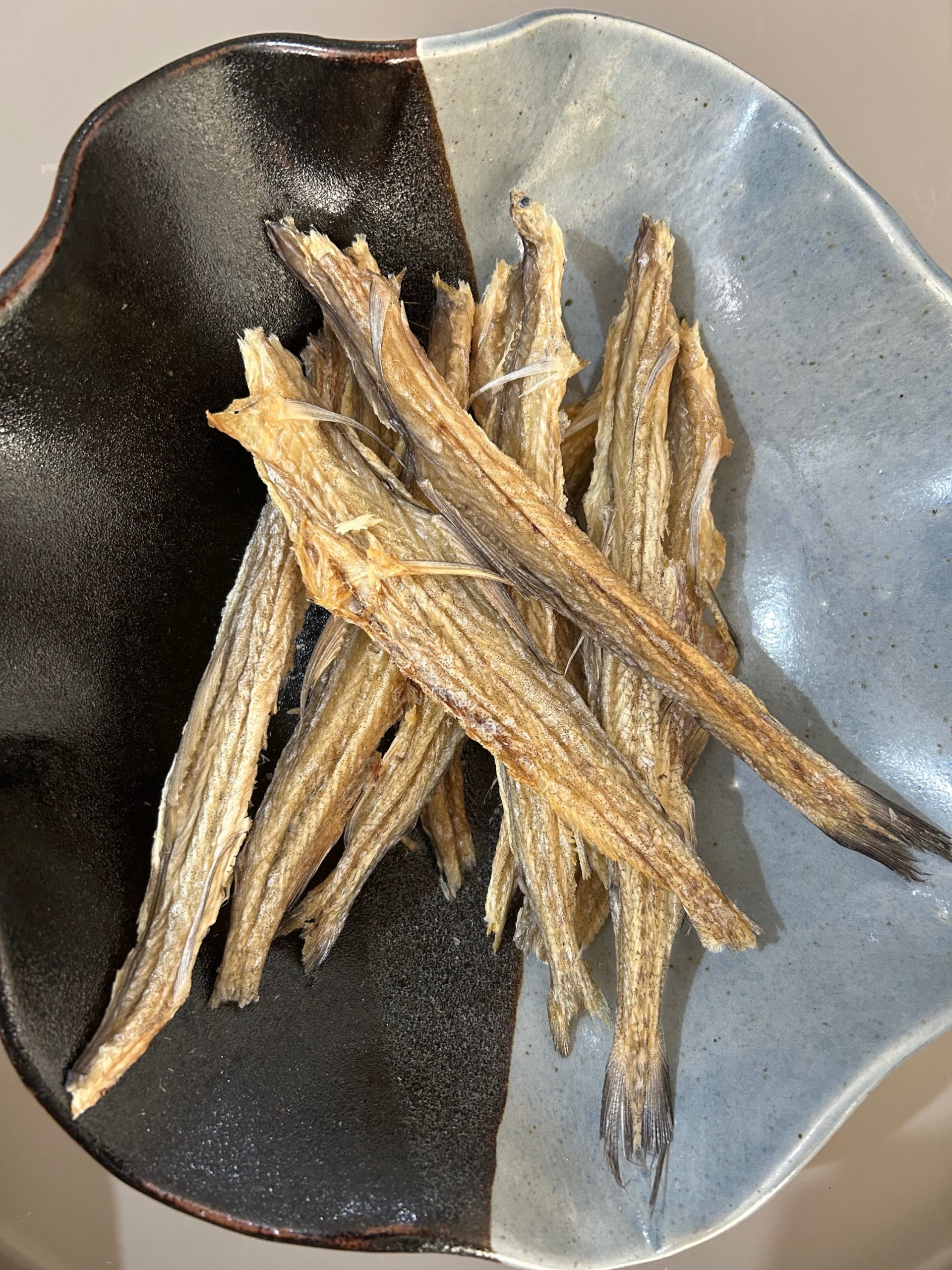
- Dehydrated Anchovies / Dehydrated Fish Treats: Excellent sources of Omega-3 fatty acids for brain health, skin, and coat. Far superior to plant-based omega supplements. Dehydrated Anchovies for Dogs
- Dehydrated Chicken Feet / Mutton Trotters: Natural sources of glucosamine and chondroitin for joint health, plus easily digestible protein and minerals. Mutton Trotters for Dogs
These aren’t just treats; they’re concentrated nutrition designed for your carnivore. They are a step towards a truly natural diet, helping you ditch the kibble and unleash the natural vitality of your dog.
Common Mistakes Indian Dog Parents Make Regarding Vegetarian Diets
Based on my experience across India, here are some prevalent errors well-meaning dog parents make when considering or implementing a vegetarian diet for their dogs:
- Believing “If I’m Vegetarian, My Dog Should Be Too”: Projecting human dietary choices onto a different species is the fundamental error. Our biology and nutritional needs are vastly different.
- Relying on Roti, Rice, and Dal as Staples: While convenient and culturally familiar, these are primarily carbohydrates and lack the complete protein, essential fatty acids, and specific vitamins/minerals a dog needs. They lead to malnourishment, not health.
- Trusting “Vegetarian Dog Food” Labels: These commercial products are often highly processed, packed with cheap fillers, and fortified with synthetic nutrients that aren’t as bioavailable as those from real meat. They are still kibble, just without the meat.
- Over-Supplementation with Synthetic Vitamins: When trying to compensate for a meat-free diet, parents often resort to a cocktail of synthetic supplements. This can lead to imbalances, and synthetic vitamins are rarely absorbed as effectively as those from whole food sources.
- Ignoring Clinical Signs: Early signs of nutritional deficiency on a vegetarian diet – dull coat, low energy, digestive issues, skin allergies – are often attributed to other causes, delaying proper diagnosis and a necessary dietary change.
- Fear of Raw Meat: Many Indian households are wary of handling raw meat due to hygiene concerns or cultural practices. However, with proper sourcing and handling, raw feeding is safe and incredibly beneficial. The Doggos advocates for safe, natural feeding practices.
Final Thoughts: Listen to Biology, Not Trends
Your dog is not a small human. They are a magnificent, evolved carnivore whose health, vitality, and longevity depend on a diet rich in animal protein, fats, and organs. While the intention behind considering a vegetarian diet might be noble, the biological reality of your dog tells a very different story.
As The Desi Carnivore, my mission is to empower you with the truth about canine nutrition. Ditch the kibble, ditch the plant-based dogma, and unleash the natural health your dog was born to have. It’s time to feed them like the carnivores they truly are.
For more guidance on feeding a species-appropriate diet, check out my post on What Should I Feed My Dog? and explore The Doggos shop for natural, healthy treats that support their carnivore nature.
Species-Appropriate Protein Treats
- Dehydrated Whole Quail — Whole-prey nutrition your dog’s body is designed for
- Bone and Organ Boost — Organs your dog can’t get from a vegetarian diet
- Dehydrated Sardines — Essential omega-3 that plant foods can’t provide