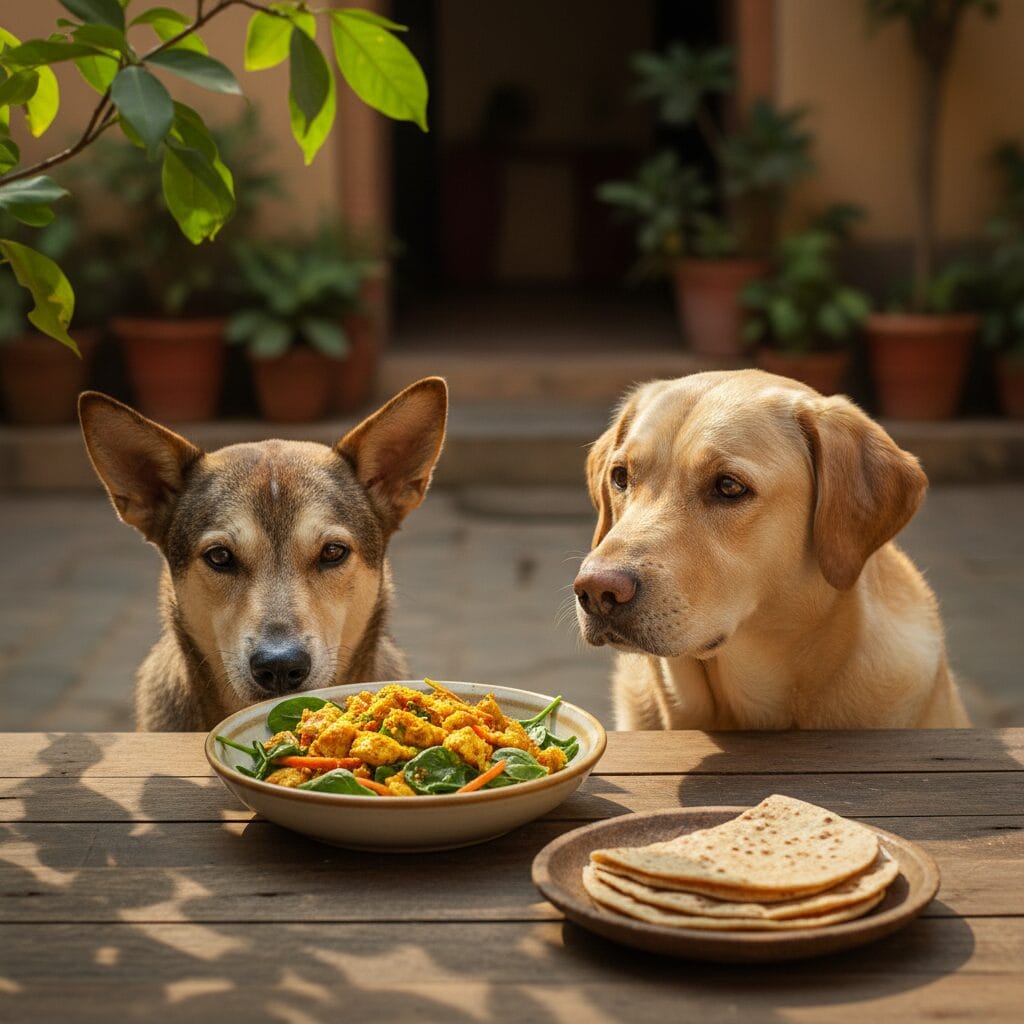
Walk through any Indian neighbourhood, and you’ll likely spot a pet parent lovingly sharing a piece of chapati with their dog. It’s a common sight, a gesture of affection so ingrained in our culture. But here’s the thing: while your heart’s absolutely in the right place, is that roti really doing your furry friend any good? As “The Desi Carnivore,” I’m here to tell you something that might just make you rethink your dog’s favourite flatbread.
Quick Answer: Nope. Dogs shouldn’t eat chapati often, and honestly, it gives them next to no nutritional benefit. Sure, a tiny, occasional piece probably won’t hurt them right away. But rotis are mostly simple carbs. And those are tough for a dog’s carnivorous digestive system to handle properly, which can lead to health problems down the road.
Why Your Dog’s Ancestral Diet Says “No” to Chapati
To really get why chapati just isn’t right for your dog, we need to strip things back to basics. Think about your dog’s biology. Even though they live with us, share our lives, and probably even hog your bed, inside? They’re still 99.9% wolf. Their digestive system is this incredible, finely tuned machine built for one job: handling meat, bone, and organs.
The Carnivore’s Toolkit: pH, Amylase, and Short Intestines
- Stomach pH 1-2: Your dog’s stomach acid is incredibly powerful, way more acidic than a human’s (we’re at pH 4-5). This super-acidic environment? It’s built to dissolve bone into calcium and phosphorus that their body can actually use. Crucially, it also kills off nasty bacteria often found in raw meat. But when you feed them a diet packed with carbs, like chapati, it can actually make their stomach less acidic. That weakens their natural defence against bad bugs and makes it harder for them to get all the good stuff from their food.
- No Amylase in Saliva: Humans have this enzyme, amylase, right in our saliva. It starts breaking down starches the second they hit our mouth. Dogs? Nope. None at all. This means that a piece of roti or rice basically lands in their stomach “whole.” Talk about putting a big strain on their pancreas to churn out enough enzymes to digest it all, na?
- Short Intestinal Transit: Dogs have short intestines. They’re built for speed, designed to quickly process protein and fat. We’re talking 12-30 hours transit time. That’s a huge difference compared to us humans (30 hours to 5 days), whose longer guts are much better at fermenting plant matter. Grains and starches just hang around too long in a dog’s gut. That can mean fermentation, gas, and a whole lot of discomfort.
Basically, feeding your dog chapati is like pouring diesel into a petrol engine. Sure, it might run for a bit. But it’s just not built for it. And trust me, it’ll cause damage over time.
Want to dive deeper into why grains are problematic? Read my take on Can Dogs Eat Rice? and Is Roti Good For Dogs?
The Empty Calorie Trap: What Chapati Really Offers
What is chapati, really? At its core, it’s usually made from whole wheat flour (atta) or sometimes refined flour (maida), plus water and a pinch of salt. Whole wheat has a bit of fibre, true, but both are mostly carbs. For a carnivore, this translates to a few things:
- Minimal Nutritional Value: Chapati gives them next to nothing in terms of the crucial amino acids, healthy fats, vitamins, and minerals your dog actually needs to thrive. It’s pretty much just empty calories.
- Blood Sugar Spikes: Simple carbs turn into sugar super fast. That leads to quick, sharp spikes in blood glucose. Do this over time, and you’re looking at potential insulin resistance, weight gain, and even a higher chance of diabetes. Scary, right?
- Inflammation: A diet heavy in carbohydrates can really fuel systemic inflammation. You’ll see this pop up as allergies, joint pain, and other long-term health problems.
The Calcium Catastrophe: A Silent Killer in Boneless Diets
Now, here’s where chapati goes from just being “unhealthy” to potentially downright dangerous, especially when it’s a big part of an Indian dog’s diet. A lot of well-meaning pet parents feed their dogs chicken and rice, or chicken and chapati. The issue? It’s almost always boneless. And that’s a huge problem.
Dogs need a precise Calcium:Phosphorus (Ca:P) ratio of 1.2:1 for proper bone development, nerve function, and overall health. Meat is rich in phosphorus, but very low in calcium. Bones are rich in calcium. Without a proper calcium source, your dog’s body will start to leach calcium from its own skeleton to maintain this critical balance. This leads to:
- Osteopenia: Your dog’s bone mineral density drops, making their bones weak and brittle. Not good.
- “Rubber Jaw” Syndrome: If they’re really low on calcium, their jawbone can actually demineralize. It becomes soft, even flexible. Imagine that.
- Fractures: Weak bones break easily, even from just a little bump or fall.
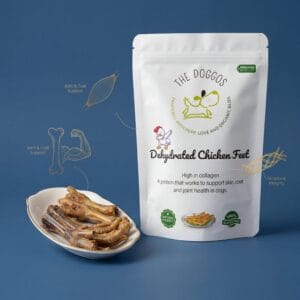
If you’re feeding chapati, you’re not just giving them empty calories, you’re probably also swapping out a really important part of a balanced diet that *should* be giving them calcium. This is exactly why our “Desi Carnivore” method is “Cook the Meal, Dehydrate the Bone.” We cook the meat, mainly for hygiene (let’s be real, Indian wet markets are no joke). But we never, ever feed cooked bones because they splinter. Instead, we go for things like Dehydrated Chicken Feet or Dehydrated Whole Quail. These are safe, natural calcium sources. Look, these aren’t just treats! They’re functional medicine.
Learn more about bone safety in my detailed guide: Can Dogs Eat Bones?
Debunking the “Heat” Myth: Chapati and Inflammation
Honestly, I get so many DMs and hear so often from Indian pet parents that they feed chapati because “chicken causes heat” or “eggs cause heat.” This is a really widespread myth, totally rooted in traditional Ayurvedic or TCM beliefs. And it usually means dogs aren’t getting enough crucial protein. What we Indians call “heat” is almost always, basically, Omega-6 induced inflammation. Full stop.
It’s frustrating, really.
Commercial Indian chicken, sadly, is often fed corn and soy. This pushes the Omega-6:3 ratio way up, sometimes as high as 20:1 or even 30:1. (Ideally, we’re aiming for about 7:1 for pasture-raised meat, just so you know). And this imbalance? It just floods your dog’s body with inflammatory markers. You’ll see it show up as paw licking, hot spots, endless ear infections, and that “unexplained” itching. Chapati does absolutely nothing to fix this. In fact, its own inflammatory potential can just make everything worse.
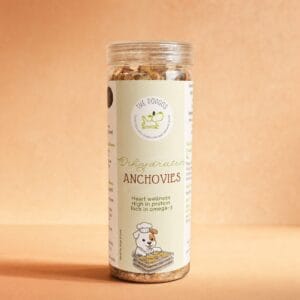
The real fix isn’t to stop feeding protein. It’s to balance those fats. Adding an Omega-3 source, like Hemp Seed Oil (it’s got anti-inflammatory GLA too, by the way) or Dehydrated Anchovies, to every chicken meal is super important. These aren’t just “toppers,” yaar. They’re “balancers” that actually help cool down all that inflammation. So, seriously, ditch the chapati and embrace balanced fats!
The Practical Section: What to Feed Instead of Chapati
Okay, so if chapati is off the menu, what *should* an Indian dog parent feed? The answer’s pretty straightforward, honestly: a species-appropriate, balanced, fresh food diet that follows “The Desi Carnivore” method.
A Balanced “Desi Carnivore” Meal
Instead of a meal heavy with carbs from chapati, aim for something that actually lines up with your dog’s biology. Here’s what a truly healthy meal looks like:
- Cooked Meat: This is the absolute foundation. Gently pressure-cook chicken, mutton, or even new proteins like quail. And remember, cook that meat really well to kill off any pathogens, especially if you’re buying from your neighbourhood butcher or those Indian wet markets.
- Debone After Cooking: This isn’t just a suggestion, it’s non-negotiable. NEVER, EVER feed cooked bones. Once it’s cooked, get all those bones out before you serve it.
- Calcium Source: You need to add calcium to balance out the phosphorus from the meat. This could be ground eggshell powder, calcium citrate, or (my personal favourite) functional dehydrated bones. They’re just so good!
- Organ Meat: A tiny bit of liver, kidney, or heart gives them super important vitamins and minerals (think Vitamin A from liver, taurine from heart). Don’t skip it.
- Balanced Fats: These are crucial for a healthy skin, a shiny coat, a sharp brain, and for cutting down inflammation. Always add Hemp Seed Oil or Dehydrated Anchovies to every single meal, especially if you’re using commercial chicken.
- Small Amount of Digestible Veggies/Fruit: Not for the main nutrition (dogs get most of their good stuff from meat), but for fibre and prebiotics. Pumpkin, green beans, or spinach are usually great choices.
Example: Our “Golden Chicken Bowl” (a daily staple)
Pressure cook 500g bone-in, skin-on chicken thighs (great for taurine!) with 50g liver and 100g red pumpkin. Cook it for 2-3 whistles. Once it’s cooled, DEBONE that chicken *thoroughly*. Mash the pumpkin right into the broth. Then, add a scoop of Hemp Meal Balancer (for all those complete amino acids and prebiotics) and a dash of turmeric paste. Serve! For calcium, you can always give them a Dehydrated Chicken Foot (it’s like functional medicine for their joints and teeth!) separately as a chew. My Lab goes crazy for these, by the way.
For more ideas, check out our 10 Homemade Dog Food Recipes India guide.
Healthy, Functional Alternatives to Chapati
If you really want to give your dog a “treat” or something fun to chew on, just forget the chapati. Seriously. Instead, pick some functional dehydrated chews. They actually *do* something good for their health:
- Dehydrated Chicken Feet: Nature’s own joint pill! They’re super rich in glucosamine and chondroitin for healthy joints, *plus* they help clean teeth. Win-win.
- Dehydrated Mutton Trotters: These last ages, they’re packed with collagen, iron, and they’re absolutely fantastic for dental health. And the chewing? It actually releases endorphins, which means a calmer, happier dog. I’ve seen this work with Indie dogs especially!
- Dehydrated Whole Quail: A new kind of protein, brilliant for elimination diets, and it gives them crucial manganese for strong ligaments. Plus, the feathers? They’re like a natural colon sweep! How cool is that?
- Dehydrated Anchovies: A total brain-boosting, anti-inflammatory Omega-3 powerhouse. Seriously perfect for puppies and seniors.
- Small pieces of cooked chicken or mutton: Always a winner. And totally species-appropriate.
- Certain fruits/vegetables: Just a small amount of apple (no seeds, please!), banana, or carrot can be a pretty healthy snack.
These aren’t just snacks; they are functional medicine that nourishes your dog from the inside out. Explore our range of Dehydrated Dog Treats for more ideas.
Common Mistakes Indian Dog Parents Make with Chapati
- Feeding Chapati as a Main Meal: Thinking it’s a cheap, filling staple. This is a big one. It causes severe nutrient deficiencies and serious long-term health issues.
- Using Chapati as a “Cooling” Food: Misunderstanding Omega-6 inflammation as “heat” and giving carbs instead of balancing fats. We just covered this, right?
- Replacing Meat with Chapati: Swapping out crucial protein and fat for empty carbs. This leads to muscle loss, a dull coat, and super low energy.
- Ignoring the Calcium:Phosphorus Imbalance: Not realising that a boneless chapati or chicken-rice diet will literally pull calcium right out of their dog’s bones. It’s a silent killer.
- Believing “My dog loves it!”: Of course they do! It’s a carb hit, yaar. But just because they like it doesn’t mean it’s good for them, does it? (Think about Parle-G biscuits, another absolute no-no!).
Your dog deserves more than just *surviving*. They deserve to *thrive*. And thriving? That all starts with a diet that truly respects their biology, not just our cultural habits.
Frequently Asked Questions About Chapati for Dogs
Q1: Is a small piece of chapati occasionally okay for my dog?
A: Look, a tiny, infrequent piece of plain chapati (no oil or spices, please!) probably won’t do immediate harm. But it offers zero nutritional benefit. Honestly, it’s just better to skip it altogether. Or even better, swap it for a species-appropriate treat that actually helps their health, like a small bit of cooked meat or a Dehydrated Chicken Foot.
Q2: What about whole wheat chapati? Is that better than maida chapati for dogs?
A: While whole wheat chapati might have a *little* more fibre and nutrients than refined flour (maida) chapati, it’s still mostly carbs. For a carnivore, the digestion issues and lack of essential nutrients are exactly the same. So no, it’s still not an ideal food source for your dog.
Q3: Can puppies eat chapati?
A: Absolutely not. No way. Puppies have super sensitive digestive systems. And they’re in a critical growth phase! Their tiny bodies need highly digestible protein, balanced fats, and really precise calcium for their bones and organs to develop properly. Giving chapati to a puppy can seriously mess with their growth and lead to big, long-term health problems. Just stick to a properly balanced fresh diet for your growing pup.
Q4: What are healthier alternatives to chapati as a treat for my dog?
A: Oh, there are tons of fantastic, healthy alternatives! Think small pieces of cooked chicken, mutton, or even certain fruits and veggies like apple slices (remember, no seeds!), banana, or carrot. For functional treats, check out our range of dehydrated dog treats. Things like Dehydrated Anchovies (for Omega-3), Dehydrated Goat Ears (great for dental health), or a Dehydrated Pig Bone for a really long-lasting chew.
Q5: Does chapati cause acidity in dogs?
A: Chapati itself doesn’t cause acidity in the way *we* humans might feel it. But here’s the thing: a high-carb diet (like one that’s heavy on chapati) can actually raise your dog’s stomach pH. That makes it *less* acidic. And that can mess up their ability to properly digest proteins and bones. Plus, it makes them more prone to bacterial infections because their stomach acid just isn’t as strong at killing those bad guys.
As Mahiv Amit Chhabra, a certified canine nutritionist and the guy behind The Desi Carnivore, I’m really urging you to look past just convenience and those cultural habits when it comes to what you feed your dog. Their health, their lifespan? It all depends on *you* making informed choices. Choices that actually line up with what their bodies truly need. So, ditch the chapati. Embrace real meat. And balance it right. Your dog? They’ll thank you with years of vibrant health. I promise.
Just a quick reminder: while I share science-backed nutritional advice here, always, always chat with your trusted vet about any specific health worries. Or before you make any big changes to your dog’s diet, especially if they already have pre-existing conditions. Better safe than sorry, right?
Related Reading
- Read the complete Indian dog feeding guide.
- About the author: Mahiv Chhabra, certified canine nutritionist.