In countless Indian homes, the aroma of freshly made upma is a morning ritual. It’s natural to wonder if our beloved dogs, who watch us with such hopeful eyes, can partake in this common breakfast. As a canine nutritionist, I often get asked about common human foods, and upma made from rava (semolina) is high on that list.
Quick Answer: Can Dogs Eat Upma?
Yes, dogs can eat plain, unsalted, and unspiced upma in very small, occasional quantities. However, upma is primarily a carbohydrate-dense food with limited nutritional value for a carnivore. It should be considered a rare treat, prepared without onions, garlic, green chillies, mustard seeds, or excessive oil, and never as a meal replacement. If you do offer it, remember to balance its nutritional deficiencies with a complete supplement like our Hemp Meal Balancer.
Understanding Upma: What’s in Your Dog’s Bowl?
Upma is a popular South Indian breakfast dish, typically made from dry-roasted semolina (rava), which is a coarse flour made from durum wheat. It’s often cooked with water or broth, and then seasoned with various ingredients like onions, green chillies, ginger, mustard seeds, curry leaves, and sometimes vegetables like peas or carrots. While it’s a wholesome meal for humans, many of these common additions are problematic for dogs.
The Core Ingredient: Rava (Semolina)
Rava is essentially a highly processed carbohydrate. While it provides energy, it offers little in terms of the complete protein, essential fats, and bioavailable vitamins and minerals that a dog’s carnivorous body truly thrives on. Dogs, unlike humans, have no amylase in their saliva, meaning starch digestion begins much later in their system, putting strain on their pancreas. This makes it a nutritionally incomplete food for your pet.
Common Upma Additions: The Danger List
- Onions and Garlic: Highly toxic to dogs, causing red blood cell damage. Absolutely forbidden.
- Green Chillies and Ginger: Can cause digestive upset, stomach pain, and irritation. Avoid.
- Mustard Seeds: Can be toxic in large amounts and cause severe gastrointestinal issues. Avoid.
- Excessive Oil/Ghee: While a tiny bit of ghee can be fine, too much fat can lead to pancreatitis or digestive upset.
- Salt: High sodium intake is detrimental to canine health, leading to dehydration or more serious issues.
The upma you eat is simply not the upma your dog should ever consume. It requires significant modification to be even remotely safe.
Why Moderation is Key: A Carnivore’s Perspective
I cannot stress this enough: dogs are carnivores. Their biology, from their powerful jaws and short digestive tract to their highly acidic stomach (pH 1-2), is designed for processing meat, bone, and organs, not grains and carbohydrates.
When you feed your dog a diet heavy in carbohydrates like upma, rice, or roti, several things happen:
- Digestive Strain: Their bodies struggle to break down complex starches efficiently, leading to potential indigestion, gas, and nutrient malabsorption. Their pancreas works overtime.
- Nutrient Deficiencies: A bowl of upma lacks the crucial calcium, phosphorus, balanced Omega-3s, and complete amino acid profile found in meat. Over time, this can lead to serious health issues like osteopenia or “Rubber Jaw” syndrome if calcium isn’t balanced with phosphorus.
- Gut Health Issues: High-carb diets can raise stomach pH, making dogs more susceptible to bacterial infections and further hindering proper nutrient absorption.
As a certified canine nutritionist, I’ve seen countless cases where well-meaning Indian pet parents unintentionally compromise their dog’s health by feeding a predominantly carb-based diet. A common example is a young Indie dog in Chennai presenting with chronic paw licking and dull coat. The owner was feeding a daily bowl of rice and chicken, but without the crucial calcium and Omega-3 balance. It’s a silent drain on their health. You can learn more about my approach to canine nutrition on my author page.
Balancing the Nutritional Gaps: The Hemp Meal Balancer Solution
If, for some reason, you find yourself needing to offer your dog a small amount of plain, unsalted upma (perhaps as a bland meal during a sensitive stomach episode, or mixed with meat to encourage eating), it is absolutely critical to address its nutritional shortcomings. Rava, like plain rice, is primarily empty calories for a dog.
This is where a complete supplement like our Hemp Meal Balancer becomes indispensable. It’s not just a topper; it’s a vital addition that transforms a basic, survival-level carb meal into something far more complete:
- Complete Amino Acid Profile: Hemp meal provides all essential amino acids that might be missing or insufficient in a plant-based carbohydrate.
- Balanced Fats: It brings in beneficial Omega fatty acids, helping to offset the inflammatory Omega-6 excess often found in commercial chicken.
- Prebiotic Fibre: Aids digestion and supports a healthy gut microbiome, which is crucial when feeding less digestible foods like grains.
- Micronutrients: Fills in gaps for vital vitamins and minerals that simple carbs lack.
Think of the Hemp Meal Balancer as your insurance policy when you can’t provide a perfectly balanced meat and bone meal. It ensures your dog still gets the building blocks for health, even with an occasional carb deviation.
How to Prepare and Serve Upma Safely for Your Dog
If you absolutely must offer upma, follow these strict guidelines:
The “Safe Upma” Protocol:
- Plain Rava Only: Use only plain, unroasted rava.
- No Spices, No Salt: Cook with plain water or a homemade, unsalted meat broth. Absolutely no onions, garlic, ginger, green chillies, mustard seeds, or curry leaves.
- Minimal Oil: Use a tiny amount of ghee or a splash of unrefined coconut oil, just enough to prevent sticking.
- Small Portion: A tablespoon or two for a medium-sized dog, and only very occasionally. It should never be more than 10% of their meal.
- Cool Completely: Serve at room temperature to avoid burns.
- Add Protein: Always mix it with a primary protein source like cooked, deboned chicken or boiled egg.
- Balance with Hemp Meal Balancer: Once cooled, stir in the recommended dosage of Hemp Meal Balancer to mitigate nutritional deficiencies.
Example: Safe & Balanced Upma Treat (for a 20kg dog)
- 2 tablespoons plain, unsalted, unspiced upma
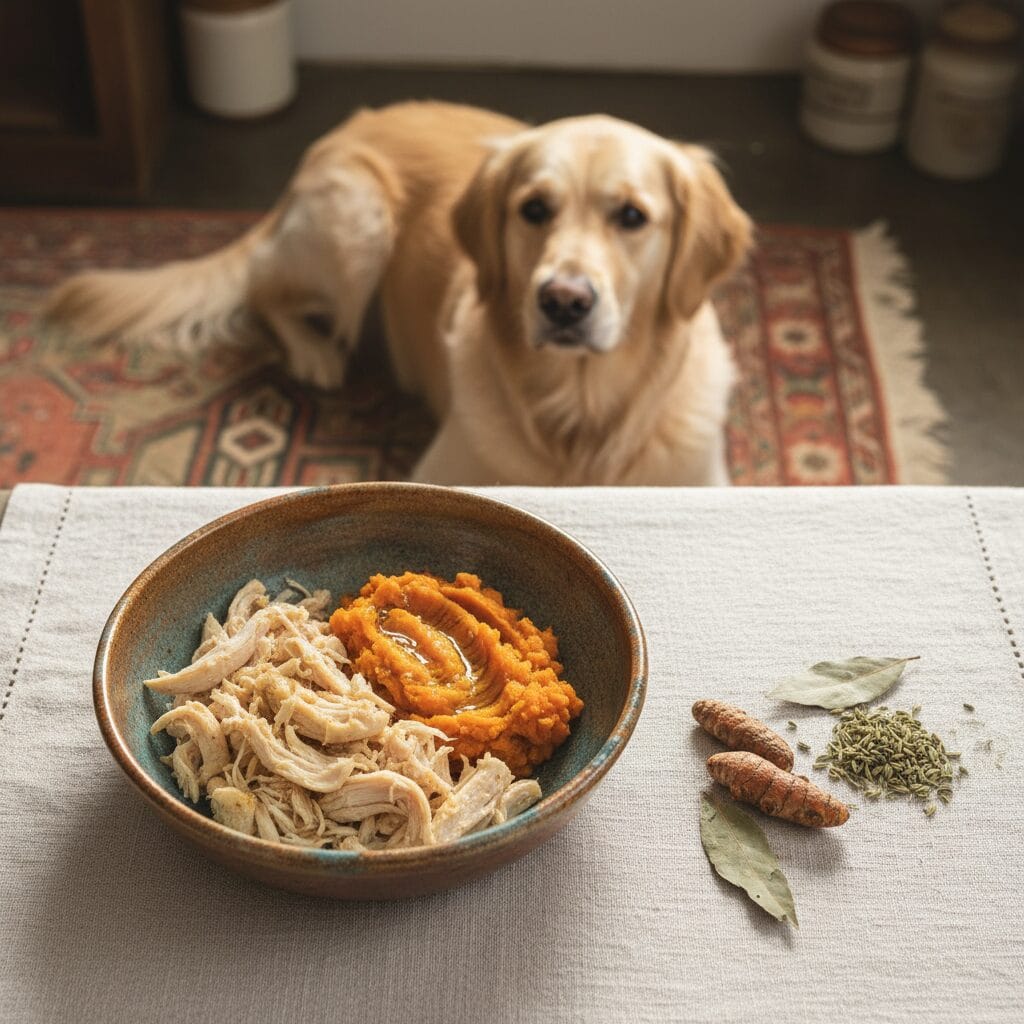
- 100g pressure-cooked, deboned chicken
- 1/2 teaspoon Hemp Seed Oil (for extra Omega-3s)
- 1 scoop Hemp Meal Balancer
- Mix well and serve occasionally.
Common Mistakes Indian Pet Parents Make with Upma
The biggest mistake is assuming that because upma is bland for humans, it’s safe for dogs. This is a dangerous oversight:
- Feeding regular, spiced upma: This is the most common and dangerous error. Onions, garlic, and chillies are toxic or highly irritating.
- Using it as a meal filler: Relying on upma (or any carb) to fill your dog’s bowl instead of meat can lead to malnutrition over time. Remember, fresh food offers superior digestibility, as discussed in our guide on homemade dog food recipes in India.
- Not balancing the diet: Even plain upma, when fed regularly, creates significant nutritional gaps that need to be filled with quality supplements or other ingredients.
- Ignoring portion sizes: Too much of any carb can lead to weight gain and digestive issues.
Always remember that your dog’s digestive system is fundamentally different from yours. What works for your morning breakfast might not work for their carnivorous biology.
Frequently Asked Questions About Upma for Dogs
Q1: Can puppies eat upma?
No, puppies have even more sensitive digestive systems and higher nutritional demands for growth. Upma offers very little of what a growing puppy needs and could cause digestive upset or nutrient deficiencies. Stick to a species-appropriate diet for puppies.
Q2: Is rava good for dogs with an upset stomach?
Plain, unsalted rava (upma) can be offered in very small quantities as a bland carbohydrate for a dog with an upset stomach, but it should always be mixed with a highly digestible, cooked protein like deboned chicken. However, boiled white rice is generally a more commonly recommended bland carb. Always consult your vet for severe or persistent stomach issues.
Q3: What are safer Indian food alternatives to upma for dogs?
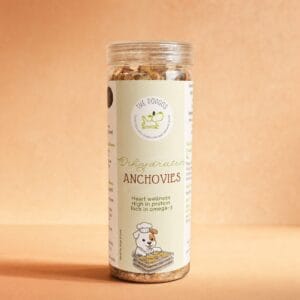
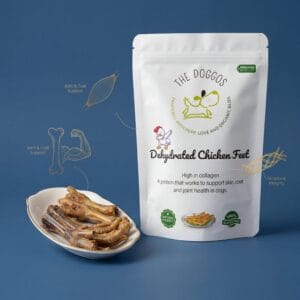
Much safer alternatives include plain, pressure-cooked deboned chicken, boiled eggs, small amounts of plain curd, or steamed vegetables like pumpkin or green beans mixed with meat. For functional treats, consider our Dehydrated Chicken Feet for joint health or Dehydrated Anchovies for Omega-3s.
Q4: Does upma cause “heat” in dogs?
What many Indian pet parents describe as “heat” from foods is often an inflammatory response, not thermal heat. While upma itself is a neutral food, if it contributes to an unbalanced diet (especially one high in inflammatory Omega-6 from commercial chicken), it can indirectly contribute to skin issues or itching. Balancing with Omega-3s like those in Hemp Seed Oil can help.
The Doggos Way: Prioritising Carnivore Nutrition
My philosophy at The Doggos is simple: feed them what nature intended, adapted for the realities of Indian homes. While upma can be an occasional, carefully prepared treat, it should never form the foundation of your dog’s diet. For truly thriving health, focus on real meat, balanced with essential nutrients.
When you do incorporate homemade elements, especially carbohydrate-rich ones, ensure you’re filling the nutritional gaps. Our Hemp Meal Balancer is specifically designed to turn a simple, incomplete homemade meal into a powerhouse of balanced nutrition. It ensures your dog gets the complete amino acids, balanced fats, and fibre they need, even if upma makes a rare appearance on their plate.