The scorching Indian summer isn’t just uncomfortable for us, it’s a serious health risk for our dogs. Heatstroke is a real danger, and many common feeding practices can inadvertently worsen the situation. It’s time to shift from generic advice to an Indian-specific strategy for keeping our furry friends cool, hydrated, and healthy with effective cooling foods for dogs in Indian summer.
Quick Answer: Cooling Foods for Dogs in Indian Summer
To keep dogs cool in the Indian summer, focus on hydrating, gently cooked, meat-based meals balanced with Omega-3s from sources like Hemp Seed Oil, alongside water-rich additions like pumpkin, cucumber, and small amounts of curd. Avoid raw meat due to hygiene risks and excessive grains that can hinder digestion and increase internal ‘heat’ or inflammation. Proper hydration and balanced nutrition are key to preventing heatstroke.
Understanding ‘Heat’ in Indian Dogs: It’s Not What You Think
Many Indian pet parents talk about dogs getting ‘heat’ from chicken or eggs, leading to rashes, paw licking, and skin issues. While traditional wisdom attributes this to the food’s ‘warming’ nature, as a canine nutritionist, I can tell you it’s often a misinterpretation. What you’re seeing is typically Omega-6 induced inflammation, not thermal heat.
- Commercial Indian chicken is usually fed a corn and soy diet, leading to an Omega-6 to Omega-3 ratio that can be as high as 20:1 or 30:1. Dogs are biologically designed for a ratio closer to 7:1.
- This imbalance floods their body with inflammatory markers, leading to the exact symptoms attributed to ‘heat’: itchy skin, hot spots, chronic ear infections, and excessive paw licking.
- The Thermic Effect of Food (TEF) means any food, especially protein, generates some heat during digestion. But the chronic issues are almost always inflammatory.
The solution isn’t to stop feeding protein, but to balance the fats. Adding a rich source of Omega-3s, or the anti-inflammatory Omega-6 GLA found in Hemp, can resolve these issues, allowing your dog to enjoy their essential protein without the ‘heat’ symptoms.
From Mahiv’s Practice: I once had a Golden Retriever in Chennai who suffered from severe ‘summer rashes’ every year, leading to painful hot spots. His owners were feeding him only boiled chicken and rice, believing it was ‘cooling’. We switched him to a cooked chicken bowl, added daily Hemp Seed Oil, and within two weeks, his rashes began to clear, and his coat regained its lustre. It wasn’t the chicken, it was the missing anti-inflammatory fats.
Essential Cooling Foods for Indian Summer
When the mercury rises, certain foods can help keep your dog internally cool and well-hydrated.
1. Water-Rich Vegetables & Fruits
- Red Pumpkin: Gently cooked and mashed, pumpkin is high in water and fibre, aiding digestion and keeping stools firm. It’s a fantastic prebiotic.
- Cucumber: A low-calorie, high-water snack. Offer in small, chopped pieces.
- Watermelon: A summer favourite, but remove all seeds and rind. Offer small, deseeded chunks as an occasional treat. It’s hydrating but also sugary, so moderation is key.
- Green Beans: Steamed or boiled, they are crunchy, low-calorie, and hydrating.
For more on common Indian foods, check out our guide: What Should I Feed My Dog?
2. Curd (Dahi)
Curd is an excellent probiotic source and can be very cooling. It helps maintain gut health, which is crucial for overall immunity.
- Start small: Begin with 1 teaspoon for small dogs, 1-2 tablespoons for larger dogs, to check for lactose intolerance.
- Plain and unsweetened: Absolutely no added sugar or artificial sweeteners (xylitol is toxic!).
- Frequency: A small amount daily or every other day can be beneficial.
Learn more about feeding curd safely: Can Dogs Eat Curd?
3. Cooked Meat (The Desi Carnivore Way)
Despite the ‘heat’ myth, protein is non-negotiable for carnivores. The key is how you prepare it, especially in India’s humid climate.
- Cook the Meal: Gentle home-cooking (pressure cooker) kills pathogens like Salmonella and E.coli, which thrive in Indian wet markets and humidity. Raw meat is a cross-contamination risk in Indian homes.
- Debone After Cooking: NEVER feed cooked bones. They become brittle and can splinter, causing fatal internal damage.
- Balance Fats: Always add Omega-3s to counter the inflammatory Omega-6s in commercial chicken.
Consider ‘cooling’ meats like lean goat or fish. Dehydrated Anchovies are a fantastic source of Omega-3s and can be crumbled over any meal, providing essential fats without cooking fish.
Why Hemp Seed Oil is Your Summer Essential
While fresh foods help with hydration, addressing the root cause of summer skin issues (inflammation) requires a targeted approach. This is where Hemp Seed Oil truly shines.
Hemp Seed Oil: The Anti-Inflammatory Powerhouse
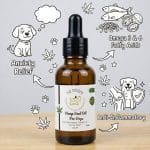
Hemp Seed Oil is unique because it contains GLA (Gamma-Linolenic Acid), a rare Omega-6 fatty acid that acts anti-inflammatory, unlike typical Omega-6s. It directly converts into Prostaglandin E1, which reduces inflammation and supports a healthy skin barrier. For dogs with Atopic Dermatitis or unexplained itching, especially during humid summers, GLA bypasses the enzymatic step many dogs lack, making it direct medicine.
- Skin & Coat Health: Keeps the skin barrier moist and healthy, preventing dryness, flakiness, and reducing the severity of hot spots.
- Anti-Inflammatory: Directly combats the ‘heat’ symptoms like paw licking, redness, and chronic ear infections.
- Calming Effect: Has mild anxiolytic properties, which can help calm dogs stressed by heat or summer festivities.
A few drops of Hemp Seed Oil in every meal can make a significant difference to your dog’s comfort and health throughout the Indian summer. It’s not just a topper; it’s a balancer and a preventative measure.
Hydration Strategies Beyond the Water Bowl
Just offering water isn’t always enough, especially for dogs who aren’t avid drinkers.
- Fresh Food Advantage: Fresh, home-cooked food is ~70% water, compared to kibble at ~10%. This means dogs on a fresh diet naturally drink less, which is normal and excellent for kidney health.
- Broths: Unsalted chicken or mutton broth (deboned!) can be offered as a hydrating treat.
- Ice Licks: Freeze water with a few pieces of cucumber or a dash of unsweetened curd for a refreshing treat.
- Multiple Water Stations: Place water bowls in different accessible spots around the house and garden.
- Electrolytes (Vet-Approved): In cases of severe dehydration or illness, consult your vet about electrolyte solutions.
Heatstroke Prevention: Beyond Cooling Foods
Cooling foods are part of the strategy, but active prevention is paramount.
- Timing Walks: Avoid peak sun hours (10 AM – 5 PM). Early mornings and late evenings are best.
- Cool Surfaces: Pavements can reach scorching temperatures. Test with your hand; if it’s too hot for you, it’s too hot for their paws. Consider Baobab Paw and Nose Balm to protect and heal cracked paw pads.
- Never Leave in a Car: Even with windows slightly open, car interiors can become ovens in minutes.
- Shade & Ventilation: Ensure your dog always has access to shade and good airflow, whether indoors or out.
- Cooling Mats/Vests: Consider cooling mats or damp towels for resting.
Signs of Heatstroke (Act Fast!):
Recognising these symptoms can save your dog’s life:
- Excessive panting, especially if unusual for their activity level.
- Bright red gums or tongue.
- Thick, sticky saliva.
- Vomiting or diarrhoea.
- Wobbling, disorientation, or collapse.
- Seizures.
If you suspect heatstroke, immediately move your dog to a cool area, apply cool (not ice cold) water to their body, especially paws and ears, and seek veterinary help urgently. This is a medical emergency.
Common Mistakes Indian Dog Parents Make in Summer
Based on my consultations, these are the most frequent errors:
- Feeding Raw Meat: The belief that raw is ‘cooling’ leads many to compromise on hygiene. In India’s climate, raw feeding from local markets is a high-risk gamble. Cook the meat, dehydrate the bone. For more on this, read our perspective on raw food diet for dogs in India.
- Over-Relying on Rice/Roti: While some rice is fine, excessive grains raise stomach pH and strain the pancreas, making digestion harder, not easier, in summer. Dogs lack salivary amylase.
- Ignoring Omega-3s: Not addressing the Omega-6 imbalance means your dog will continue to suffer from ‘heat’ symptoms despite other efforts.
- Assuming Water is Enough: Hydration comes from food too. Fresh, water-rich meals are far more effective than just a bowl of water.
- Not Deboning Cooked Chicken: This is a critical safety failure. Cooked bones splinter. Always remove them. For safe chewing, offer Dehydrated Chicken Feet instead.
Summer Cooling Bowl Example
Here’s a simple recipe to keep your dog cool and nourished:
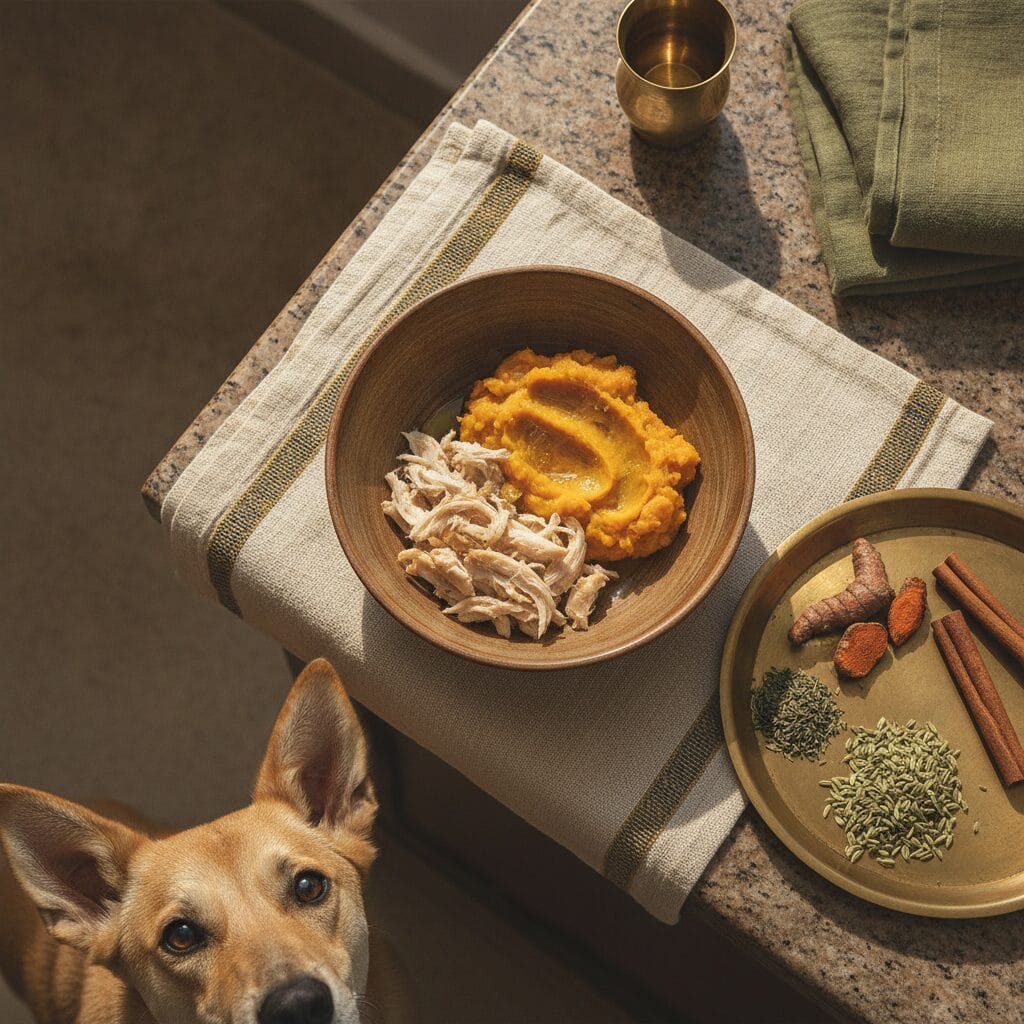
The ‘Cool & Balanced’ Chicken Bowl:
- 500g Chicken Thighs (skin-on, bone-in): Pressure cook with 100g red pumpkin for 2-3 whistles.
- Preparation: Once cooked and cooled, DEBONE completely. Mash the pumpkin into the chicken and broth.
- Additions (once cooled):
- 1-2 tablespoons of plain, unsweetened curd (adjust for dog size).
- A few chopped slices of cucumber or deseeded watermelon (occasional treat).
- 1-2ml of Hemp Seed Oil: Drizzle over the meal for essential anti-inflammatory Omega-6 GLA and Omega-3s.
- A pinch of turmeric paste for its anti-inflammatory properties.
This meal provides hydration, balanced protein, fibre, probiotics, and crucial anti-inflammatory fats, making it ideal for the Indian summer.
FAQ: Cooling Foods for Dogs in Indian Summer
Q1: Can dogs eat watermelon in Indian summer?
Yes, dogs can eat watermelon in moderation during Indian summer, but it’s crucial to remove all seeds and the rind. Watermelon is hydrating and refreshing, but it’s also high in sugar, so offer it as an occasional, small treat, not a main meal component.
Q2: How can I tell if my dog is too hot or suffering from heatstroke?
Signs your dog is too hot include excessive panting, seeking shade, drinking more water, and reduced energy. Heatstroke symptoms are more severe: bright red gums/tongue, thick saliva, vomiting, disorientation, wobbling, collapse, or seizures. If you see these severe signs, seek urgent veterinary care.
Q3: Is curd good for dogs in summer?
Yes, plain, unsweetened curd (dahi) can be excellent for dogs in summer. It provides beneficial probiotics for gut health and can have a cooling effect. Start with a small amount (1-2 teaspoons for small dogs, 1-2 tablespoons for large dogs) to ensure your dog doesn’t have lactose intolerance. Never feed sweetened or flavoured curd.
Q4: Should I reduce my dog’s protein intake in summer?
No, dogs are carnivores and require consistent protein intake regardless of the season. The ‘heat’ often attributed to protein is usually inflammation from an imbalanced Omega-6:3 ratio, not the protein itself. Focus on gently cooked, lean meats and ensure you balance their fats with supplements like Hemp Seed Oil to mitigate any inflammatory response.
Keep Your Desi Dog Cool and Happy This Summer
Navigating the Indian summer with your dog doesn’t have to be a struggle. By understanding the true causes of ‘heat’ symptoms, focusing on proper hydration through fresh, cooked meals, and strategically incorporating cooling foods, you can ensure their comfort and health.
Remember, a balanced diet is the cornerstone of a happy dog. For anti-inflammatory support and to maintain a healthy skin barrier, especially during the challenging summer months, I highly recommend adding Hemp Seed Oil to your dog’s daily routine. It’s a simple step that makes a profound difference.
For more expert advice on canine nutrition and health, visit my author page at The Doggos.