We’re a dog kitchen. The cats never asked our permission. For as long as we’ve been dehydrating sardines and anchovies, orders have arrived with the same note — “it’s for the cat.” One of our own reviews is from Mishti, a Mumbai cat who splits a jar with a Labrador. So we did the honest thing: checked every product against what a cat can actually eat, tagged the ones that pass, and gave them their own shelf — the cat-approved shelf.
Why a dog treat works for a cat (when it’s one ingredient)
A cat is an obligate carnivore — stricter about meat than any dog. The reason most “cat treats” need a species label at all is everything else in the packet: the flours, the sugars, the palatants, the preservatives. Take all of that away and what’s left doesn’t care who eats it. A sardine, slow-dried whole with nothing added, is a sardine. That’s the entire trick, and it’s why every product on our cat shelf is single-ingredient or organic-only: there’s nothing in the jar that needs a species check.
The fish shelf — what cats pick first
Dehydrated Sardines
The flagship. Whole sardines, slow-dehydrated — omega-3 and DHA for the coat, calcium from the bones, and because sardines sit low on the food chain, they stay low-mercury. For a cat, one whole fish is an event; where a dog takes a few, a cat takes one and guards it.
Dehydrated Anchovies
The classic cat fish — small, crunchy, one ingredient. Scatter a few where a dog would get a handful. The same pack feeds both ends of the household.
Dehydrated Bombay Duck (Bombil)
Cats were queueing at fish markets for bombil long before dogs got their turn. Head removed, slow-dried, and it flakes apart naturally into cat-sized pieces.
The whole-prey drawer — for the hunter at home
Dehydrated Chicken Heads
Whole-prey in the exact shape a cat’s instincts recognize. Crunchy, single-ingredient, and more enrichment than any puzzle feeder — give it the way you’d give any real chew.
Dehydrated Whole Quail
The original cat-sized prey animal, slow-dried whole with nothing added. For a cat this is not a snack, it’s an occasion — break it down across sittings.
The bowl top-ups
- Bone & Organ Boost — bone and organ minerals as a powder. A small pinch over a cat’s meal where a dog bowl takes the scoop.
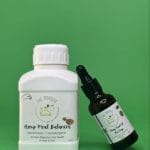
- Hemp Seed Oil — the same cold-pressed bottle cat households already use. The omega balance works the same way; for a cat it’s drops, not the dog dose.
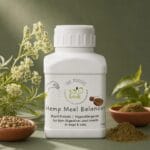
- Hemp Meal Balancer — cold-pressed hemp seed meal that tops a cat bowl with a pinch.
- The Hemp Hamper — both of the above, bundled. One hamper, every bowl in the house.
Skin and coat, from the outside
Baobab Oil is one ingredient — cold-pressed baobab seed oil — and lick-safe for dogs and cats; it says so right on the bottle’s page. That matters double for an animal that grooms everything off its own coat. The Baobab Therapy Mask follows the same rule: six organic actives, used cat-sized as a between-bath treatment.
Pick by what the cat needs
| The cat needs | Reach for |
|---|---|
| Coat + skin from inside | Sardines, Anchovies, Hemp Seed Oil |
| Boredom + instincts | Chicken Heads, Whole Quail |
| The daily bowl | Bone & Organ Boost, Hemp Meal Balancer |
| Skin + coat from outside | Baobab Oil, Therapy Mask |
Cat portions — the honest rule
We won’t print a cat dosing chart we haven’t earned. The rule that works: cat-size everything. A pinch where a dog gets the scoop, drops where a dog gets a drizzle, one fish where a dog gets three. Treats stay treats — they sit on top of the meal, they don’t replace it. Start small, watch your cat, adjust.
One jar for the whole house
The Make Your Treat Jar builds from the same shelf — sardines, anchovies, bombil, chicken heads, quail and the organ boost all qualify, so a mixed household can seal one jar that feeds everyone. The bulk discount doesn’t care about species either.
What NOT to give the cat
Our big chews — Chicken Feet, Goat Ears, Mutton Trotters, Pig Bone, Cartilage — are made for jaws that measure in kilos. They stay on the dog’s side of the shelf.
Quick FAQ
Are dehydrated sardines safe for cats?
Yes — one ingredient, slow-dried, low-mercury fish. They’re a treat, not the meal: one fish is a cat-sized serving.
Do these need refrigeration?
No. Slow dehydration plus an airtight foil-sealed jar is the whole preservation system — no fridge, no preservatives.
Where do I start?
Sardines. If the cat approves — and the cat will let you know — work through the rest of the shelf.
All of these are available in cat-appropriate portions in our natural cat treats range.