Seeing tufts of your dog’s hair on the floor or noticing bald patches can be a distressing sight for any pet parent. While parasites, allergies, or stress can play a role, I often find that the most common culprit behind dog hair loss India nutritional deficiencies. Our traditional home-cooked meals, while made with love, frequently miss crucial elements for a healthy, vibrant coat. This leads to significant hair loss and even alopecia.
Quick Answer: Fixing Dog Hair Loss from Nutritional Deficiencies in India
To address dog hair loss India nutritional deficiencies, focus on balancing Omega-6:3 fats, ensuring adequate digestible protein, and providing essential micronutrients like zinc and biotin. Supplementing with Hemp Seed Oil can directly tackle inflammation and improve skin barrier health, while adding organ meats and bone meal ensures a complete nutritional profile, effectively treating bald patches and dull coats naturally.
Why Your Dog is Losing Hair: Beyond the Obvious Causes
Your dog’s coat is a direct reflection of their internal health. When key nutrients are missing, the body prioritises vital organ function, often at the expense of non-essential processes like maintaining a lush coat. This is why nutritional deficiencies often manifest as dull fur, excessive shedding, or even bald spots and alopecia.
In India, many well-meaning pet parents feed diets heavy in carbohydrates like rice or roti, and often use commercial chicken that is high in inflammatory Omega-6s. This combination creates a perfect storm for deficiencies and inflammation, directly impacting skin and coat health. Remember, dogs are carnivores, not omnivores. Their bodies are designed to thrive on meat, fat, and bone, with minimal carbohydrates. This fundamental biological fact is often overlooked, leading to chronic issues like hair loss. When a dog’s stomach pH is raised by high-carb diets, their ability to absorb minerals vital for skin and coat, like zinc, is significantly compromised.
The Indian Diet Trap: Unpacking Nutritional Deficiencies Behind Hair Loss
While home-cooked chicken and rice seems healthy, it often creates significant nutritional gaps. Here’s what’s typically missing, directly contributing to dog hair loss India nutritional deficiencies:
- Balanced Fats: Commercial Indian chicken is high in Omega-6s, but often lacks crucial anti-inflammatory Omega-3s. This imbalance is a primary driver of skin inflammation and hair loss.
- Essential Minerals: Zinc, copper, and selenium are vital for hair growth, collagen synthesis, and immune function, but can be low in boneless, organ-meat-free diets.
- Vitamins: Biotin (Vitamin B7) and Vitamin A are crucial for skin and coat health, often overlooked in unbalanced home diets.
- Calcium: Without bone or a proper calcium supplement, a boneless diet leaches calcium from your dog’s own body, leading to systemic health issues that can impact coat quality and overall vitality. This is why our “Cook the Meal, Dehydrate the Bone” philosophy is so critical.
Here’s a breakdown of common deficiencies and their impact on your dog’s coat health:
| Nutrient | Common Deficiency Source in Indian Diets | Impact on Coat Health & Hair Loss |
|---|---|---|
| Omega-3 Fatty Acids | Lack of fatty fish (sardines, anchovies) or specific supplements | Dry, brittle coat, excessive shedding, dullness, inflammation, increased paw licking, hot spots. |
| Zinc | Overcooked boneless meat, grain-heavy diets, lack of organ meats | Slow wound healing, poor coat quality, hair thinning, skin lesions, bald patches. |
| Biotin (Vitamin B7) | Unbalanced protein, lack of specific organ meats (liver, kidney) | Hair loss, brittle nails, dry, flaky skin, poor hair texture. |
| Vitamin A | Lack of liver, specific orange/red vegetables (like pumpkin) | Dry skin, follicular issues, dull coat, poor skin elasticity, susceptibility to infections. |
| Copper | Imbalanced mineral intake, zinc overdose, lack of organ meats | Coat discolouration (reddish tinge in black coats), poor hair elasticity, weakened hair shafts. |
The ‘Heat’ Myth vs. Omega Imbalance: A Key to Healthy Skin
One of the biggest misconceptions in India is the idea of ‘heat’ from chicken or eggs causing skin issues. What we often observe as ‘heat’ is actually a surge in inflammation caused by an imbalanced Omega-6:3 ratio. Commercial Indian chicken, fed on corn and soy, has a drastically skewed ratio (20:1 to 30:1 Omega-6 to Omega-3) compared to what a dog’s body needs (around 7:1).
This excess of Omega-6s floods the body with inflammatory markers, leading to the very symptoms we associate with ‘heat’ – incessant paw licking, hot spots, chronic ear infections, and of course, unexplained itching and hair loss. Simply stopping the protein isn’t the solution; balancing the fats is. This is a crucial step in treating dog hair loss India nutritional deficiencies naturally.
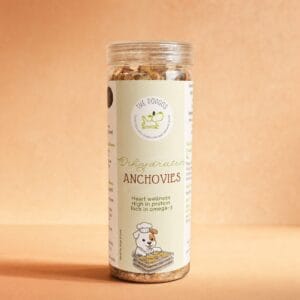
This is where Omega-3s become non-negotiable. They are powerful anti-inflammatory agents that counteract the effects of excessive Omega-6s, helping to calm skin irritation and promote a healthy coat. You can add Dehydrated Anchovies to their meals for a natural, bioavailable source of DHA and EPA, vital for skin and brain health. These small fish are low on the food chain, ensuring minimal heavy metal bioaccumulation.
Hemp Seed Oil: The Anti-Inflammatory Powerhouse for Dog Hair Loss
When it comes to addressing hair loss and improving skin health, Hemp Seed Oil stands out as a superior natural remedy. It’s a powerhouse of beneficial fatty acids, particularly Gamma-Linolenic Acid (GLA), a rare Omega-6 that acts as an anti-inflammatory. Unlike typical Omega-6s, GLA converts into Prostaglandin E1, which actively reduces inflammation and supports a robust skin barrier. This makes Hemp Seed Oil incredibly effective for chronic skin issues and hair loss.
Dogs with atopic dermatitis or chronic itching often lack the enzyme to properly process normal fats. GLA in Hemp Seed Oil bypasses this step, offering direct therapeutic effects for dry, cracking paws, dandruff, and overall skin irritation. This means less itching, less scratching, and significantly less hair loss due to self-trauma, directly tackling symptoms of dog hair loss India nutritional deficiencies. Plus, it’s plant-based, making it a great option for households that prefer to avoid fish products or have dogs with fish sensitivities. Regular use of Hemp Seed Oil can visibly improve coat shine and density.
How Hemp Seed Oil Works for Hair Loss:
- Reduces Inflammation: Directly tackles the root cause of many skin issues and excessive shedding, calming irritated skin.
- Strengthens Skin Barrier: Improves skin hydration and elasticity, making it less prone to dryness, flaking, and infections.
- Promotes Healthy Hair Follicles: A healthy, nourished skin environment is crucial for strong, new hair growth and preventing bald patches.
- Nutrient Delivery: Its optimal fatty acid profile aids in the absorption of fat-soluble vitamins essential for coat health.
Hemp Seed Oil vs. Other Natural Oils for Dog Hair Loss
Many pet parents in India turn to readily available oils like coconut oil or olive oil for their dog’s coat. While these oils have some benefits, they often fall short when it comes to addressing underlying inflammation and severe hair loss:
- Coconut Oil: Primarily composed of medium-chain triglycerides (MCTs). While it can offer some topical moisturisation and has antimicrobial properties, it tends to sit on the skin surface. This can trap heat, potentially clog pores, and doesn’t offer the deep anti-inflammatory benefits of GLA for systemic issues. It’s often too heavy for regular application, especially in humid Indian climates, and doesn’t absorb as deeply to truly heal the skin barrier.
- Olive Oil: Rich in Oleic acid (Omega-9) and some Omega-6. While it’s a healthy fat, its fatty acid profile isn’t optimally balanced for canine skin health and it lacks the potent anti-inflammatory GLA found in Hemp Seed Oil. It’s better suited as a general dietary fat than a targeted skin remedy.
- Hemp Seed Oil: Its unique balance of Omega-3, Omega-6, and especially GLA, makes it superior. GLA directly bypasses metabolic pathways that are often inefficient in dogs with skin conditions, providing direct anti-inflammatory action. Its light texture also allows for better absorption into the skin, supporting the lipid barrier from within, rather than just coating the surface. This targeted action is why Hemp Seed Oil is my go-to recommendation for addressing itching and hair loss rooted in inflammation and nutritional deficiencies.
Targeting Bald Patches and Alopecia with Baobab Oil
While internal nutrition with Hemp Seed Oil is paramount, sometimes bald patches and localised alopecia require targeted external support. This is where Baobab Oil shines as a natural topical remedy. Unlike heavier oils like coconut or olive oil, Baobab Oil has a unique fatty acid profile (high Palmitic and Oleic acid) that allows it to absorb deep INTO the epidermis, mimicking the skin’s natural lipid barrier. This means it heals from the inside out, rather than just sitting on the surface and potentially clogging pores.
I have seen incredible results in my practice using Baobab Oil for various skin conditions, including fungal infections eradicated in 90 days, hot spots dried in 24 hours, hyperkeratosis (crusty noses) resolved in 2 weeks, and notably, reversing alopecia and promoting hair regrowth in bald areas. It provides intense hydration and nourishment to damaged skin, creating an optimal environment for hair follicles to reactivate and grow new hair. For more on topical solutions, explore our natural dog grooming range.
Essential Micronutrients for a Lustrous Coat
While balanced fats are paramount, other nutrients play a critical role in preventing and reversing dog hair loss India nutritional deficiencies:
- Zinc: Found abundantly in red meat, organ meats (especially liver and kidney), and some seafood. Zinc is essential for cell division, protein synthesis, and immune function, all vital for healthy hair growth and skin repair. Signs of deficiency include thinning hair, poor wound healing, and skin lesions.
- Biotin: Present in liver, egg yolks, and certain vegetables. Biotin is crucial for keratin production, the main protein that makes up hair, skin, and nails. Deficiency can lead to brittle nails, dry, flaky skin, and significant hair loss.
- Vitamin A: Abundant in liver, carrots, and pumpkin. Supports healthy skin cell turnover, follicular function, and maintains the integrity of the skin barrier. A lack of Vitamin A can cause dry skin, follicular issues, and a dull coat.
- Quality Protein: Ensure your dog gets sufficient, highly digestible animal protein. This is the fundamental building block for all hair, skin, and bodily tissues. Without adequate protein, hair becomes brittle, growth slows, and the coat loses its lustre.
- Copper: Essential for collagen formation and melanin production, which gives hair its colour. Deficiency can lead to coat discolouration, especially a reddish tinge in black coats, and weakened hair shafts.
From Mahiv’s Practice: Reversing Hair Loss in a Desi Dog
I once worked with a 3-year-old Indie dog in Bengaluru named Rusty, who was suffering from severe hair loss and bald patches, especially around his flanks and tail. His pet parent was feeding a daily diet of roti and commercial chicken, believing it was sufficient. After a thorough assessment, we identified chronic Omega-6 inflammation and severe zinc deficiency as the primary culprits behind his dog hair loss India nutritional deficiencies.
Our protocol involved transitioning him to a gently cooked chicken and goat meat diet, enriched with organ meats, and crucially, adding 2ml of Hemp Seed Oil daily to his meals to balance fats. We also applied Baobab Oil directly to his bald patches twice a day. Within 6 weeks, Rusty’s itching had significantly reduced, and we started seeing a fine regrowth of hair on his previously bald areas. By 3 months, his coat was visibly thicker, shinier, and the bald patches were almost completely gone. It was a clear demonstration of how targeted nutritional intervention can reverse even severe hair loss.
Crafting a Hair-Loss-Fighting Meal: A Simple Protocol
Here’s how you can naturally fortify your dog’s diet to combat hair loss and improve coat health, addressing dog hair loss India nutritional deficiencies directly:
Start with a Balanced Meat Base: Use chicken thighs (skin-on for natural taurine) or goat meat for its richer iron and zinc content. Always pressure cook the meat to ensure hygiene, especially with Indian wet market produce. Remember to DEBONE after cooking; never feed cooked bones, as they splinter dangerously. For more on safe feeding, read our guide on feeding bones safely.
Add Organ Meats: Include 5-10% liver or other organ meats (like heart or kidney) for a boost of Vitamin A, B vitamins, and essential minerals. Our Bone and Organ Boost is a convenient way to add these critical nutrients without the hassle of sourcing fresh organs.
Introduce Healthy Fats: This is where Hemp Seed Oil comes in. For a medium-sized dog (15-25kg), start with 1-2ml daily, mixed directly into their food. For smaller dogs, 0.5-1ml is usually sufficient. Gradually increase over a week. You should see noticeable improvements in skin hydration and reduced itching within 2-4 weeks. Alternatively, or in addition, consider adding Dehydrated Anchovies for a marine Omega-3 boost.
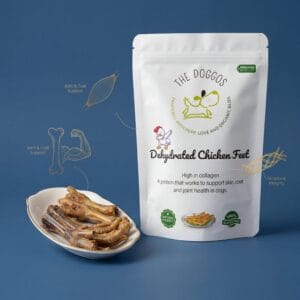
Ensure Calcium:Phosphorus Balance: If feeding a boneless diet, you must add calcium. Dehydrated Chicken Feet or finely ground eggshell powder are excellent sources. Aim for a 1.2:1 Calcium:Phosphorus ratio. This is critical for long-term health and preventing issues like “Rubber Jaw” syndrome.
Minimise Carbs: Reduce or eliminate excessive rice, roti, or commercial kibble. If using carbohydrates, opt for nutrient-dense options like pumpkin or sweet potato in moderation. A dog’s body is not designed to process high amounts of starch, and excess carbs can raise stomach pH, hindering nutrient absorption. For more recipes, check our homemade dog food recipes guide.
Topical Treatment for Bald Patches: For localised bald spots or areas of alopecia, gently massage a few drops of Baobab Oil directly onto the affected skin twice daily. Its deep absorption and healing properties can accelerate hair regrowth and soothe irritation.
Common Mistakes Indian Pet Parents Make with Hair Loss
- Over-reliance on Rice/Roti: These are poor sources of essential nutrients for carnivores and can displace more vital ingredients, contributing to dog hair loss India nutritional deficiencies. They also raise stomach pH, reducing mineral absorption.
- Ignoring Fat Quality: Feeding only commercial chicken without balancing Omega-3s leads to chronic inflammation, often misidentified as ‘heat’ or simply ‘shedding.’ This is why adding a balancer like Hemp Seed Oil is so important.
- Feeding Cooked Bones: This is extremely dangerous and can cause internal damage, leading to stress and compromised health, which can affect coat quality. Always feed bones safely by dehydrating them, never cooking.
- Using Human Shampoos or Harsh Chemicals: These can strip natural oils, disrupt the skin’s pH balance, leading to dry skin, irritation, and further hair loss. Always use pet-specific, natural grooming products.
- Thinking Hair Loss is ‘Normal’: While some shedding is normal, excessive hair loss, bald patches, or a dull coat are always signs of an underlying issue that needs to be addressed nutritionally or topically.
- Delaying Intervention: The longer nutritional deficiencies persist, the harder it can be to reverse the damage to skin and coat. Early intervention with targeted nutrition and supplements like Hemp Seed Oil is key.
Remember, addressing dog hair loss India nutritional deficiencies requires a holistic approach, starting with what goes into their bowl and, for stubborn patches, what goes on their skin. If your dog is also experiencing itching, our guide on why your dog is always itching offers further insights. For a deeper understanding of species-appropriate feeding, consider reading about the principles of raw feeding for dogs in India (with our cooked meat modification).
Nourish Their Coat from Within and Without
Don’t let nutritional deficiencies dictate your dog’s coat health. By understanding their carnivorous needs and making simple, targeted dietary adjustments, you can reverse hair loss and bring back that glorious shine. The journey to a healthier, happier dog starts with real, species-appropriate food, balanced with the right supplements.
For a powerful, natural solution to combat inflammation and improve skin and coat health, consider adding Hemp Seed Oil to your dog’s daily diet. It’s a simple step that can yield remarkable results, turning a dull, shedding coat into one that truly shines. For direct relief and accelerated regrowth on bald patches, complement this with Baobab Oil. Your dog deserves a coat as vibrant as their spirit.
Related Reading
- Shop the anchor product: Hemp Seed Oil in the catalog.
- Discover topical solutions: Baobab Oil for skin healing.
- About the author: Mahiv Chhabra, certified canine nutritionist.