Many cat parents across India worry about their feline companions developing painful urinary issues. It’s a common problem, affecting countless cats from Mumbai to Chennai. The good news? Much of it can be prevented, or at least managed, right from their food bowl, especially with the right approach to hydration and nutrition.
Quick Answer: Food Cats Urinary Health India
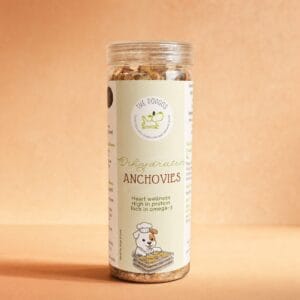
For optimal food cats urinary health India, prioritise a natural, high-moisture, fish-based wet food approach. Gently cooked fish or rehydrated Dehydrated Anchovies ensure dilute urine, maintaining a healthy urinary pH of 6.0-6.5. This 70-80% moisture intake is crucial, preventing crystal formation and painful feline urinary issues. It significantly outperforms dry kibble for long-term health.
Why Hydration is Key for Feline Urinary Health in India
Cats naturally have a low thirst drive. It’s a trait inherited from their desert-dwelling ancestors, who evolved to get most of their water from prey. This biological predisposition means that in India’s often warm and humid climate, chronic dehydration is a silent threat to their health, making dietary moisture even more critical. In cities like Kolkata or Chennai, where humidity is consistently high, cats need even more help to stay hydrated.
When a cat is chronically dehydrated, their urine becomes highly concentrated. This concentrated urine is a prime environment for crystal formation. It can lead to painful conditions like Feline Lower Urinary Tract Disease (FLUTD), cystitis, and even life-threatening urinary blockages. Adequate dietary moisture is the single most important factor in keeping a cat’s urinary system healthy. It ensures urine remains dilute and flushes out potential irritants. Remember, cats are obligate carnivores, and their bodies are designed for meat, which is naturally rich in moisture, unlike dry, processed foods.
The Critical Role of Urine pH
Beyond just moisture, the pH of your cat’s urine matters in preventing urinary issues. Cats naturally maintain a slightly acidic urine pH, typically between 6.0 and 6.5. This acidic environment is crucial for two main reasons: it helps prevent the growth of harmful bacteria that can cause urinary tract infections (UTIs) and it discourages the formation of certain types of urinary crystals and stones, particularly struvite crystals. Diets high in carbohydrates or plant matter can shift urine pH towards alkalinity, increasing the risk of these painful conditions.
The Problem with Dry Kibble for Cats in India: A Root Cause of Urinary Issues
Despite its convenience, dry kibble is one of the biggest contributors to feline urinary problems. Even ‘prescription’ urinary kibbles often fall short on moisture, which is the most critical factor. Here’s why:
- Low Moisture Content: Kibble is typically only 5-10% moisture. Cats on an exclusive kibble diet are constantly in a state of mild, chronic dehydration. This leads to concentrated urine, making it harder to flush out toxins and minerals. Their low thirst drive means they rarely drink enough water to compensate for this deficit.
- High Carbohydrate Content: Many kibbles are laden with grains and starches to bind the kibble together. These high carbohydrate levels can raise a cat’s urinary pH, making it less acidic. A naturally acidic pH (around 6.0-6.5) is crucial for preventing the growth of harmful bacteria and the formation of struvite crystals. Elevated pH can also increase the risk of calcium oxalate stone formation. Cats lack salivary amylase, meaning these carbs are difficult for them to process, straining their digestive system.
- Digestive Strain: Cats lack salivary amylase, the enzyme humans have to begin starch digestion. This means kibble’s starches hit their stomach effectively ‘whole’. It puts unnecessary strain on their pancreas and digestive system, diverting energy from essential functions like maintaining urinary health and immune response.
- Hygiene Risks in Indian Climates: In humid conditions like Mumbai or Chennai, kibble can quickly go rancid or attract pests if not stored perfectly. This further compromises its quality and safety, potentially introducing harmful bacteria and mycotoxins that can further stress a cat’s system.
The Best Food for Cats Urinary Health in India: A Natural, High-Moisture Fish-Based Wet Food Approach
A species-appropriate diet mimics what a cat would naturally eat in the wild: high protein, moderate fat, very low carbohydrates, and, critically, high moisture content (70-80%). This nutritional profile is the cornerstone of excellent feline urinary health. This is where a natural, fish-based wet food approach truly shines, mimicking a cat’s ancestral diet more closely than any dry or heavily processed option. For a deeper understanding of species-appropriate feeding, you can look at my guide on raw food diet for dogs in India, as many principles apply to cats too, especially the emphasis on fresh, whole foods and the importance of appropriate bone content (or calcium supplementation).
The Power of Natural, Rehydrated Wet Diets
When cats consume a diet rich in moisture, their urine remains dilute. This helps prevent the concentration of minerals that can form crystals and stones. The naturally acidic pH maintained by a meat-based diet is also vital for deterring bacterial growth and crystal formation. This is why a homemade, gently cooked wet diet, or high-quality commercial wet food without fillers, is always superior to dry kibble for feline urinary health. Fish-based wet diets are particularly effective due to their inherent moisture and beneficial nutrients. Our dehydrated fish products, when rehydrated with water or broth, offer a fantastic way to provide this essential moisture and nutrition, effectively creating a natural wet food right in your home. This “Cook the Meal, Dehydrate the Bone” philosophy, adapted for cats, ensures safety and optimal nutrition.
To illustrate the critical difference moisture content makes for your cat’s urinary health, consider this comparison:
| Food Type | Approx. Moisture Content | Typical Urinary pH Impact | Taurine Content | Impact on Urinary Health |
|---|---|---|---|---|
| Dry Kibble | 5-10% | Higher (Alkaline) | Low (often synthetic) | Very low hydration, concentrated urine, higher risk of crystals and UTIs. |
| Commercial Wet Food (with Fillers) | 70-80% | Variable (can be higher with fillers) | Variable (often synthetic) | Good hydration, but often contains problematic grains, high carb content, and artificial additives that can compromise health. |
| Gently Cooked Meat/Fish (Homemade) | 70-80% | Optimal (Acidic) | High (natural) | Excellent hydration, species-appropriate, easy to control ingredients, supports natural acidic pH. Requires careful balancing. |
| The Doggos Dehydrated Fish (e.g., Dehydrated Anchovies, Dehydrated Sardines) – Rehydrated | ~75% (when rehydrated) | Optimal (Acidic) | High (natural) | Superior hydration, natural Omega-3s and taurine, highly palatable and digestible, ideal for cat urinary health when served as a rehydrated natural wet food. |
| Fresh, Whole Prey (e.g., Whole Quail) | 65-75% | Optimal (Acidic) | High (natural) | Natural hydration, complete nutrition, highly digestible, provides fibre from feathers. Excellent for enrichment and dental health. |
Why Fish is a Feline Urinary Health Powerhouse (and the Best Wet Food Base)
As obligate carnivores, cats thrive on animal protein. Fish, in particular, offers a unique combination of benefits for urinary health, making it an excellent base for a cat’s wet food diet:
- High Natural Moisture: Most fish are inherently rich in water, making them an ideal component of a high-moisture diet. This directly helps dilute urine, a critical factor in preventing crystal and stone formation.
- Omega-3 Fatty Acids: Fish are excellent sources of EPA and DHA, powerful anti-inflammatory agents that can soothe the urinary tract lining. This is crucial for cats prone to cystitis or Feline Lower Urinary Tract Disease (FLUTD), reducing discomfort and recurrence.
- Highly Digestible Protein: Fish protein is often easier for cats to digest than some other meats, reducing the strain on their digestive system and ensuring maximum nutrient absorption. This means less work for their body and more energy for vital functions.
- Palatability: Many cats are naturally drawn to the smell and taste of fish, making it easier to encourage food and water intake, especially for picky eaters or those recovering from illness. This is vital when trying to boost hydration.
- Natural Taurine: Fish, especially dark meat and organs, provides essential taurine, crucial for feline heart, eye, and overall health, including supporting the urinary system and ensuring proper kidney function.
When preparing fish, always ensure it is gently cooked (steamed or boiled) and completely deboned. Never feed cooked bones, as they can splinter dangerously. This is the core of our Cook the Meal, Dehydrate the Bone philosophy, ensuring safety without compromising nutrition.
The Crucial Role of Taurine in Cats
Taurine is an essential amino acid for cats. They cannot synthesise it themselves and must obtain it from their diet. It is found abundantly in animal protein, especially organ meats and dark muscle meat like fish. A taurine deficiency can lead to severe health issues, including heart disease (dilated cardiomyopathy) and blindness. When preparing a fresh, gently cooked diet for your cat, always include organ meats (5-10% of the meal) or a high-quality taurine supplement. Our Bone and Organ Boost provides a convenient way to add these vital nutrients. It ensures your cat gets the taurine they need for overall health, including supporting their urinary system and overall metabolic function.
Dehydrated Anchovies: The Ultimate Natural Fish-Based Wet Food Boost for Cat Urinary Health
Urinary tract inflammation can worsen symptoms and contribute to recurring issues in cats. Omega-3 fatty acids, particularly EPA and DHA, are powerful anti-inflammatory agents. They can soothe the urinary lining and support overall immune health. This is where Dehydrated Anchovies shine as a cornerstone of the best food cats urinary health India. They are an invaluable part of your cat’s diet for urinary health, offering a concentrated dose of benefits that mimic the best fish-based wet foods.
Dehydrated Anchovies are:
- Rich in Omega-3s: A natural source of DHA and EPA. These tiny fish help reduce systemic inflammation throughout the body, directly benefiting the urinary tract and supporting kidney function.
- Highly Palatable: Most cats adore the taste and crunch of Dehydrated Anchovies. They are an easy and welcome addition to any meal, encouraging even picky eaters to finish their bowls and, crucially, to consume more moisture if rehydrated.
- Low on the Food Chain: Anchovies feed on plankton. This means they have minimal heavy metal bioaccumulation, unlike larger, longer-lived fish like tuna or mackerel. This makes Dehydrated Anchovies a safer choice for daily feeding without concerns about mercury.
- Taurine Rich: As a whole fish, Dehydrated Anchovies are a good natural source of taurine, essential for feline health, including cardiac and ocular function, and supporting the urinary system.
- Easy to Serve as Natural Wet Food: Simply crumble 1-2 Dehydrated Anchovies per day for an average adult cat (3-5 kg) over their wet food. You can also rehydrate them with a little warm water or unsalted broth to boost moisture content, turning them into a delicious, natural fish-based wet food. The natural salts can even encourage a little extra water intake, further aiding hydration and making them an excellent choice for food cats urinary health India. They can also be offered as a healthy, functional treat.
I recommend adding 1-2 Dehydrated Anchovies per day for an average adult cat (3-5 kg), crumbled into their meal. This small addition can make a significant difference in managing inflammation and supporting a healthy urinary environment, making them a top choice for enhancing any fish-based wet food diet and promoting cat urinary health.
From my years of consulting with pet parents across Mumbai and Chennai, I’ve seen countless cats suffer from recurring urinary infections or blockages. Often, the first thing we change is the diet. I remember a feisty Indie cat in Bengaluru, constantly battling struvite crystals, despite numerous vet visits. We switched her from a grain-heavy kibble to a gently cooked chicken and fish-based diet, fortified with Dehydrated Anchovies daily. Within three months, her urine tests were clear, and she hasn’t had a recurrence in over a year. This case clearly showed how critical consistent hydration and appropriate nutrition are for these sensitive systems. For more insights into my philosophy, feel free to visit the Mahiv Chhabra author page.
Other Natural Foods for Feline Urinary Support (and Creating Varied Wet Meals)
Beyond Dehydrated Anchovies, several other natural ingredients can bolster your cat’s urinary health, especially when included in a high-moisture, gently cooked diet:
- Gently Cooked Fish: Fresh sardines or Bombay Duck (cooked and deboned) are excellent sources of Omega-3s and moisture. Remember to cook thoroughly and remove all bones. Our Dehydrated Sardines and Dehydrated Bombay Duck offer similar benefits in a convenient, safe, dehydrated form. They are perfect for adding to meals or as treats, and can be easily rehydrated with warm water or broth to boost moisture content, complementing your cat’s urinary health food in India, acting as an excellent natural wet food.
- Organ Meats: Liver, heart, and kidney are packed with essential nutrients, including taurine, iron, and B vitamins. Include small amounts (5-10% of the meal) in your cat’s cooked diet. As mentioned, our Bone and Organ Boost is an easy way to ensure these vital nutrients are included without the hassle of sourcing fresh organs.
- Bone Broth: A fantastic way to increase hydration and provide beneficial collagen and amino acids. Ensure it’s unsalted and free of onions or garlic. It can be offered as a drink or added to meals to increase moisture content.
- Small amounts of certain vegetables: While cats are strict carnivores, tiny quantities of cooked, pureed pumpkin can provide fibre and moisture. This can be helpful during diet transitions or for mild constipation, which can indirectly affect urinary health. Always introduce new vegetables slowly and in very small amounts, ensuring they are cooked and easily digestible.
- Cranberry Extract: While not a food, a high-quality cranberry extract (not juice with added sugar) can help prevent bacteria from adhering to the urinary tract walls. Consult your vet before adding any supplements.
Practical Feeding Guide for Optimal Feline Urinary Health in India
Transitioning your cat to a natural, high-moisture diet requires patience and a gradual approach. Here’s a simple protocol:
- Gradual Transition: Over 7-10 days, slowly mix increasing amounts of the new food with their old diet. This helps their digestive system adjust and minimises upset.
- Days 1-2: 75% old food, 25% new food.
- Days 3-4: 50% old food, 50% new food.
- Days 5-6: 25% old food, 75% new food.
- Day 7 onwards: 100% new food.
- Meal Frequency: Offer 2-3 small, fresh meals per day. Cats prefer smaller, more frequent portions, mimicking their natural hunting patterns. This also keeps food fresh, which is important in India’s climate.
- Water Bowls: Place multiple water bowls around the house, ensuring they are clean and fresh. Consider a ceramic or stainless steel bowl, or even a water fountain, to encourage drinking. Cats often prefer running water.
- Consistency: Cats thrive on routine. Stick to the feeding schedule and diet once established. Sudden changes can stress their system.
- Supplement with Dehydrated Anchovies: Crumble 1-2 Dehydrated Anchovies over their meal daily for an Omega-3 boost and to encourage hydration. Remember, you can also rehydrate them into a natural wet food by adding a splash of warm water.
Common Mistakes Indian Cat Parents Make with Urinary Health
Even with the best intentions, certain practices can inadvertently harm your cat’s urinary health:
- Exclusive Dry Kibble Diet: As discussed, this is the biggest culprit. It prioritises human convenience over feline hydration needs, leading to concentrated urine and increased risk of issues like FLUTD and crystal formation.
- Feeding Unbalanced Homemade Meals: Offering only boneless chicken or fish without considering the crucial calcium:phosphorus ratio or vital taurine content. This can lead to severe deficiencies over time, impacting overall health, including bone density, heart function, and urinary health. Our Bone and Organ Boost helps address the taurine and mineral needs.
- Ignoring Water Intake: Assuming cats will drink enough on their own. Active encouragement and a high-moisture diet are non-negotiable for preventing urinary problems, especially in India’s warm climate.
- Feeding Human Food Scraps: This can introduce harmful ingredients like onions, garlic, excessive salt, or spices, which are toxic or irritating to cats and can exacerbate urinary issues. Stick to species-appropriate foods.
- Not Cleaning Litter Boxes Frequently Enough: A dirty litter box can deter a cat from using it, leading to holding urine for too long, which increases the risk of bacterial growth and crystal formation. Aim for at least twice daily cleaning.
- Over-reliance on ‘Urinary Prescription’ Kibble: While these diets might adjust pH, they still suffer from the fundamental flaw of low moisture content. They are a management tool, not a preventative solution, and often contain fillers.
For a complete range of natural treats and supplements for your feline friend, explore our cat treats collection. Prioritising natural, high-moisture, fish-based options like Dehydrated Anchovies is the best way to support your cat’s long-term urinary health in India. For more information on the benefits of dehydrated treats, read our guide on are dehydrated treats good for dogs, as many principles apply to cats too.