The Kanni, a true Indian treasure with its graceful build and incredible speed. These active sighthounds from Tamil Nadu are more than just pets; they are companions deserving a diet built for their unique energy levels and lean musculature. But what exactly is the best food for Kanni dogs in India?
Quick Answer: The Best Food for Kanni Dogs in India
The best food for Kanni dogs in India is a balanced, home-cooked, meat-first diet, carefully supplemented with essential fats and calcium for their active lifestyle. Prioritise gently cooked lean meats, healthy fats, and dehydrated bones for calcium. Always ensure an optimal Omega-6:3 balance with additions like Hemp Seed Oil. This supports their athletic joints, maintains a healthy, gleaming coat, and ensures long-term vitality for your Kanni.
What is a Kanni Dog and Why Does Their Diet Matter?
The Kanni is a graceful, active sighthound originating from Tamil Nadu, India, known for its speed, agility, and lean musculature. These indigenous hunting dogs possess a high metabolism and require a diet rich in quality protein, balanced fats, and adequate calcium to support their athletic build and endurance. Their ancestral diet was primarily prey, making them true carnivores.
Kanni dogs are built for speed and endurance. Their lean frame, deep chest, and powerful legs mean they have a higher metabolic rate than many breeds. This translates to specific dietary requirements:
- High-Quality Protein: Essential for maintaining lean muscle mass and supporting tissue repair after intense exercise.
- Balanced Fats: Crucial for sustained energy, skin and coat health, and absorption of fat-soluble vitamins. The right balance of Omega-3 and Omega-6 is key to preventing inflammation.
- Joint Support: Given their active, high-impact nature, supporting their joints from a young age with natural glucosamine and chondroitin is vital for a pain-free life.
- Digestibility: As true carnivores, Kanni dogs thrive on highly digestible fresh meat. Their short digestive tracts (12-30 hours transit time) are designed to process it efficiently, unlike grain-heavy commercial foods.
Forget generic advice. We live in India, and our dogs, especially indigenous breeds like the Kanni, deserve a diet that respects their biology and our local context. A proper diet is the foundation for a healthy, active Kanni, reducing the risk of common issues like joint pain and skin allergies in the long run.
What Can Kanni Dogs Eat? The Safe & Healthy Choices
Kanni dogs thrive on a cooked, meat-first diet primarily composed of lean chicken or mutton, supplemented with organ meats, a small amount of low-glycemic vegetables like pumpkin, and essential fatty acids from sources like Hemp Seed Oil. Crucially, they need safe calcium from dehydrated bones for skeletal health, avoiding harmful cooked bones.
The ideal Kanni diet is rooted in their carnivorous biology, focusing on whole, unprocessed ingredients. Here’s a breakdown of what they can and should eat:
- Lean Meats: Gently cooked chicken, mutton (goat), or quail form the core of their diet. These provide highly digestible protein.
- Organ Meats: Small amounts of liver, kidney, or heart offer a concentrated source of vitamins, minerals, and taurine.
- Healthy Fats: Essential for energy and cellular function. Sources like Hemp Seed Oil or Dehydrated Anchovies provide the correct Omega-6:3 balance.
- Safe Calcium: Dehydrated bones like Dehydrated Chicken Feet are perfect for calcium, phosphorus, and joint-supporting nutrients like glucosamine.
- Low-Glycemic Vegetables: Small portions of red pumpkin, sweet potato, green beans, or spinach provide fibre, antioxidants, and vitamins without overloading their system with starches.
This approach ensures your Kanni receives everything they need for peak performance and vitality, mirroring a diet they would naturally consume in the wild, but prepared safely for the Indian home.
The Desi Carnivore Method for Kanni Dogs: Cooked Meat, Dehydrated Bones
My philosophy, the ‘Desi Carnivore Method’, is perfectly suited for active breeds like the Kanni. It’s about giving them what they’re biologically designed to eat, while accounting for the realities of Indian households. This method is designed to future-proof your Kanni’s health for 2026 and beyond.
- Cook the Meat: Indian wet markets, especially in humid cities like Chennai or Mumbai, pose a significant bacterial risk with raw meat. Gently pressure-cooking meat kills pathogens like Salmonella and E.coli. This ensures safety without compromising nutrient integrity.
- Debone After Cooking: This is non-negotiable. Cooked bones become brittle. They can shatter into sharp splinters, causing fatal internal injuries. Always debone chicken or mutton after cooking.
- Dehydrated Bones for Calcium: To fulfil the crucial 1.2:1 Calcium:Phosphorus ratio, use safe dehydrated bones. Think Dehydrated Chicken Feet or Dehydrated Whole Quail. Dehydration retains bone porosity. They crumble safely when chewed, providing natural calcium without the splintering risk of cooked bones.
Why Omega-3s and Omega-6 Balance is Crucial for Kanni Dogs
Many Indian dog parents feed commercial chicken. It’s often corn and soy-fed, leading to an Omega-6:3 ratio as high as 20:1 or 30:1. This imbalance fuels chronic inflammation. It manifests as paw licking, hot spots, and ‘unexplained’ itching – often mistakenly called ‘heat’ by traditional Indian beliefs. For an active Kanni, this inflammation can also affect joint health, recovery, and overall comfort.
Balancing these fats is not an option; it’s a necessity. Adding Omega-3 rich sources or specific anti-inflammatory Omega-6s is vital. This brings us to a key component for every Kanni bowl, ensuring their long-term health and preventing inflammatory conditions.
Hemp Seed Oil: The Essential Balance for Your Kanni
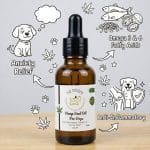
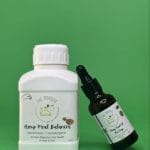
For an active, lean breed like the Kanni, Hemp Seed Oil is a big change. It’s rich in Gamma-Linolenic Acid (GLA), a rare Omega-6 that acts as a powerful anti-inflammatory. Unlike typical Omega-6s from commercial chicken, GLA directly converts to Prostaglandin E1, reducing inflammation throughout the body. The Hemp Seed Oil from The Doggos is a pure, cold-pressed solution for your Kanni.
- Joint Health: GLA helps soothe inflamed joints. This is crucial for a sighthound’s active lifestyle and aids in faster recovery after vigorous exercise.
- Skin and Coat: It keeps the skin barrier moist and healthy. This prevents dryness, dandruff, and those pesky ‘hot spots’ often seen in Indian climates. Your Kanni’s coat will gleam with consistent use of Hemp Seed Oil.
- Anxiety Support: Hemp Seed Oil also has mild anxiolytic properties. This can be beneficial for sensitive or anxious dogs, helping them stay calmer during stressful situations like Diwali fireworks.
- Plant-Based Goodness: For vegetarian households, it offers a powerful Omega balance without any fishy smell, making Hemp Seed Oil a versatile choice.
I cannot stress enough how vital this supplement is, especially when feeding a chicken-based diet. It transforms a simple meal into one that truly supports your Kanni’s long-term health and vitality. To learn more about how hemp benefits your dog, visit our hemp supplements for dogs page.
Key Ingredients for Your Kanni’s Bowl
Building the ideal meal for your Kanni requires a focus on species-appropriate ingredients.
Proteins
Lean, highly digestible proteins are paramount.
- Chicken: A great daily staple. Always wash with turmeric water, pressure cook, and DEBONE. Crucially, balance its Omega-6 content with Hemp Seed Oil.
- Mutton (Goat): An excellent ‘recovery meat’, rich in iron and zinc. Ideal for boosting vitality, especially during periods of high activity or recovery from illness. Mutton is often considered ‘warming’ in Ayurveda, perfect for cooler months. Consider Dehydrated Mutton Trotters for a chew that provides iron and collagen.
- Quail: A hypoallergenic ‘novel protein’. If your Kanni shows sensitivities to common meats, Dehydrated Whole Quail can be a fantastic option. The feathers also provide insoluble keratin, acting as a natural colon sweep.
Here’s a quick comparison of protein types for your Kanni:
| Protein Source | Key Benefits for Kanni | Considerations |
|---|---|---|
| Chicken | High digestibility, lean muscle support | Must balance Omega-6 with Hemp Seed Oil |
| Mutton (Goat) | Rich in iron & zinc, ‘warming’, good for recovery | Can be pricier, ensure lean cuts |
| Quail | Hypoallergenic, whole-prey benefits, manganese for ligaments | Novel protein, may need to source specialty |
| Fish (Anchovies/Sardines) | Excellent Omega-3 source (DHA, EPA) | Dehydrated forms (Dehydrated Anchovies) are best to avoid cooking issues |
Carbohydrates (Minimal)
Dogs have no amylase in their saliva, meaning grains and starches are hard on their pancreas. While a small amount of low-glycemic carbs can be included, they should never be the main component of the meal.
- Red Pumpkin: Excellent source of fibre and vitamins, helps with digestion.
- Sweet Potato: A complex carbohydrate, better than rice, but still in moderation.
- Green Beans / Spinach: Nutrient-dense vegetables, good for fibre and antioxidants.
For more on balanced homemade meals, check out our guide on homemade dog food recipes in India.
Fats and Essential Supplements
- Hemp Seed Oil: As discussed, absolutely essential for Omega-6:3 balance, skin, coat, and joint health.
- Dehydrated Anchovies: A fantastic source of Omega-3s (DHA and EPA), crucial for brain health, vision, and anti-inflammatory support. They are low on the food chain, so no heavy metal concerns.
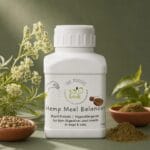
- Bone and Organ Boost: A powder mix of dehydrated organs and bone, providing natural taurine (vital for heart health), iron, and a balanced calcium/phosphorus ratio.
- Baobab Powder: Rich in Vitamin C, it supports collagen synthesis for strong ligaments and elastic skin, and acts as a prebiotic fibre.
Fresh Food vs. Kibble for Your Kanni Dog
When considering the best food for your Kanni, the choice between fresh, home-cooked food and commercial kibble is stark. Our Desi Carnivore method prioritises biological appropriateness and nutrient bioavailability, starkly contrasting with highly processed dry foods.
| Feature | Fresh, Home-Cooked Diet (Desi Carnivore Method) | Commercial Kibble (Processed Dry Food) |
|---|---|---|
| Digestibility | 90-94% (High, species-appropriate) | ~80% (Lower, high carb content) |
| Water Content | 70% (Excellent for kidney health) | 10% (Contributes to chronic dehydration) |
| Nutrient Quality | Bioavailable, intact vitamins & enzymes | Denatured, synthetic supplements added |
| Omega Balance | Easily balanced with Hemp Seed Oil | Often highly imbalanced (high Omega-6) |
| Stomach pH | Optimal pH 1-2 (strong acid for meat/bone) | Raised pH (due to carbs), weakens digestion |
| Stool Quality | Smaller, firmer, less odorous | Larger, softer, smellier |
Choosing fresh food means providing optimal hydration, superior nutrient absorption, and supporting your Kanni’s natural digestive capabilities. Kibble, by contrast, can lead to chronic dehydration, nutrient deficiencies, and digestive strain due to its high carbohydrate content and low moisture.
Practical Section: A Kanni’s Golden Bowl Recipe
Here’s a simple, balanced recipe for your Kanni, incorporating the Desi Carnivore principles:
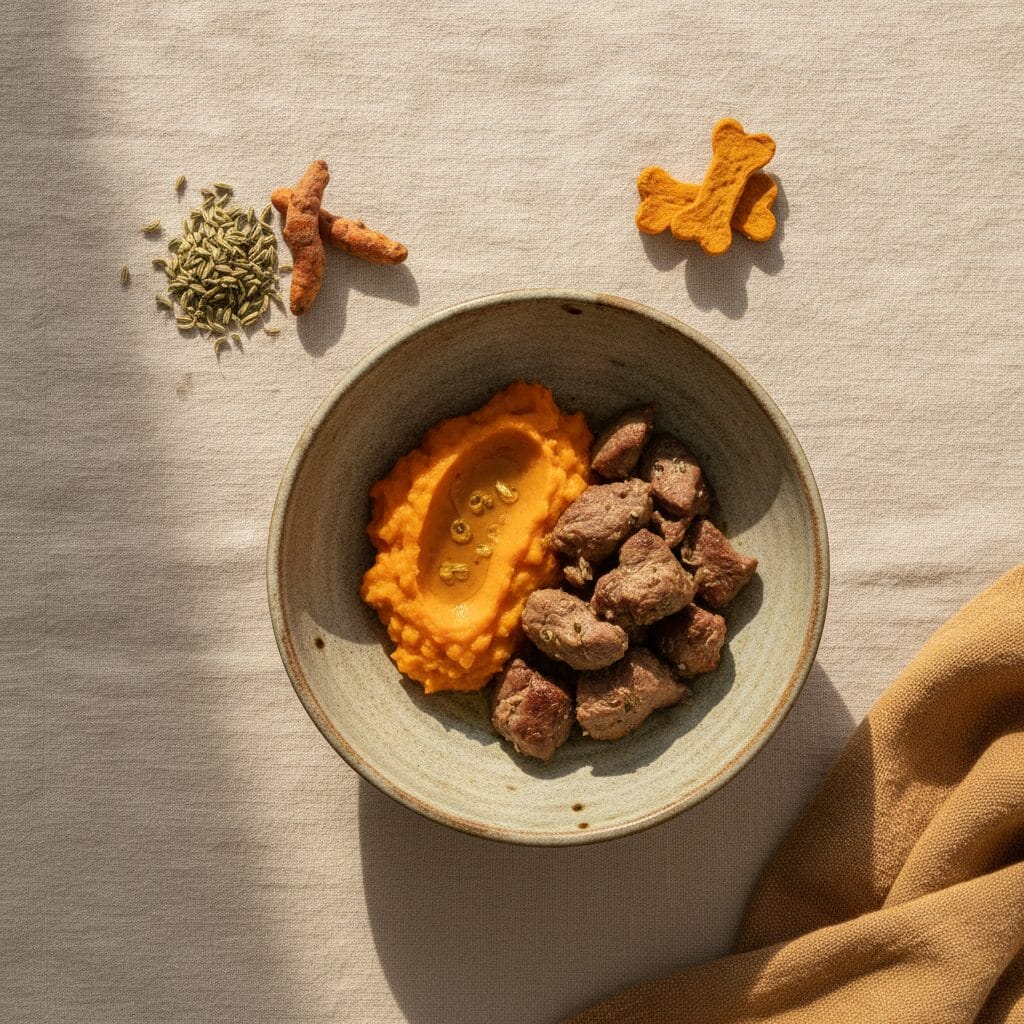
The Golden Kanni Bowl
Ingredients:
- 500g bone-in chicken thighs (skin-on for natural fats and taurine)
- 50g chicken liver (rich in Vitamin A)
- 100g red pumpkin, diced
- 1/2 tsp turmeric paste (natural anti-inflammatory)
- 1 tsp Hemp Seed Oil (daily dose for a 20-25kg Kanni, adjust for weight)
- 1 Dehydrated Chicken Foot (for calcium and joint support)
Instructions:
- Wash chicken and liver thoroughly with turmeric water.
- Place chicken, liver, pumpkin, and turmeric paste in a pressure cooker with just enough water to cover.
- Cook for 2-3 whistles.
- Once cooled, carefully DEBONE the chicken. Mash the pumpkin into the broth.
- Serve the cooked meat, liver, pumpkin-broth mixture.
- Once the meal has cooled to room temperature, stir in the Hemp Seed Oil.
- Offer the Dehydrated Chicken Foot separately as a chew and calcium source.
Dosage for Hemp Seed Oil:
| Dog Weight | Daily Dosage (ml) |
|---|---|
| Up to 10 kg | 1/2 tsp (2.5 ml) |
| 10-25 kg | 1 tsp (5 ml) |
| 25-40 kg | 1.5 tsp (7.5 ml) |
| Over 40 kg | 2 tsp (10 ml) |
Mahiv’s Practice Notes:
I once consulted for a Rajapalayam in Bengaluru, a close relative to the Kanni, who suffered from chronic paw licking and a dull coat despite being fed a ‘premium’ kibble. The owner also gave him rice and chicken without any bone or fat balance. We transitioned him to a cooked chicken and pumpkin diet, supplemented daily with Hemp Seed Oil and a Dehydrated Chicken Foot. Within just 4 weeks, the paw licking significantly reduced, and his coat developed a rich sheen. This wasn’t magic, it was simply giving his body what it needed: balanced fats, proper calcium, and digestible fresh food.
Common Mistakes Indian Dog Parents Make with Kanni Diets
Even with the best intentions, it’s easy to fall into common traps:
- Feeding Cooked Bones: This is the biggest danger. Always, always, DEBONE after cooking. If you want bones, use safe dehydrated options.
- Over-reliance on Carbs: Feeding too much rice or roti (chapati) as a filler dilutes the nutrient density of the meal and can strain your Kanni’s digestive system. Remember, they are carnivores, not omnivores with human digestion. Read more about roti for dogs.
- Ignoring the Calcium:Phosphorus Ratio: A boneless home diet will inevitably lead to calcium deficiency over time, weakening bones and teeth. This is why Dehydrated Chicken Feet or eggshell powder are vital.
- Neglecting Fat Balance: Simply feeding chicken without balancing its Omega-6 content with Omega-3s or GLA-rich Hemp Seed Oil will lead to inflammation and skin issues.
- Falling for Commercial Treats: Avoid biscuits like Parle-G or Marie, which are full of sugar and maida. Opt for functional, natural dehydrated treats instead.
- Inadequate Hydration: While fresh food provides much-needed moisture, always ensure fresh water is available. Dogs on dry kibble diets often suffer from chronic, low-level dehydration, stressing their kidneys.
Frequently Asked Questions About Kanni Dog Food
Can Kanni dogs eat a vegetarian diet?
No, Kanni dogs are obligate carnivores, just like all dogs. A vegetarian diet cannot provide the complete amino acid profile, taurine, and specific nutrients (like Vitamin B12) they need to thrive. While some plant-based ingredients can supplement a meat diet, a purely vegetarian diet is biologically inappropriate and can lead to severe health issues, including heart problems and nutrient deficiencies.
How much should I feed my Kanni dog?
Generally, active adult Kanni dogs require 2-3% of their ideal body weight in fresh food daily, split into two meals. For example, a 20kg Kanni would need approximately 400-600g of food per day. Adjust based on activity level, age, and individual metabolism. Puppies will need more frequent, smaller meals, often consuming 5-10% of their body weight daily.
Are grains good for Kanni dogs?
No, grains like rice or wheat (roti) are not ideal for Kanni dogs. Dogs lack the salivary amylase to properly break down starches, putting a strain on their pancreas. High-carb diets also raise stomach pH, making them more susceptible to bacterial infections. While a small amount of low-glycemic vegetables can be included for fibre, the bulk of their diet should come from meat and healthy fats.
What kind of treats are best for Kanni dogs?
The best treats for Kanni dogs are single-ingredient, dehydrated meat chews. Options like Dehydrated Chicken Feet, Dehydrated Mutton Trotters, or Dehydrated Goat Ears provide dental benefits, mental enrichment, and essential nutrients without harmful fillers or sugars. They are functional treats that support health, unlike processed commercial biscuits.
How can I ensure my Kanni gets enough calcium?
Ensuring proper calcium for your Kanni is vital, especially with a boneless home diet. The safest and most bioavailable method is through dehydrated bones like Dehydrated Chicken Feet or Dehydrated Whole Quail. These provide natural calcium and phosphorus in the correct ratio without the splintering risk of cooked bones. Alternatively, you can use eggshell powder or calcium citrate, but natural bone sources offer superior absorption and additional nutrients.
Change Your Kanni’s Diet with The Doggos
Feeding your Kanni dog in India doesn’t have to be complicated. By following the Desi Carnivore method of gently cooked meat, safe dehydrated bones, and crucial nutritional balancers, you can ensure your Kanni thrives. Remember, the goal is not just to feed, but to nourish.
For optimal skin, coat, and joint health, and to counteract the inflammatory effects of modern commercial chicken, consider adding Hemp Seed Oil to your Kanni’s daily meals. The Doggos’ Hemp Seed Oil is a simple addition that makes a profound difference in their overall well-being. Explore our range of natural dog food products designed for the unique needs of Indian dogs, and feel free to reach out to me, Mahiv Amit Chhabra, for personalised guidance, you can find more about me here.