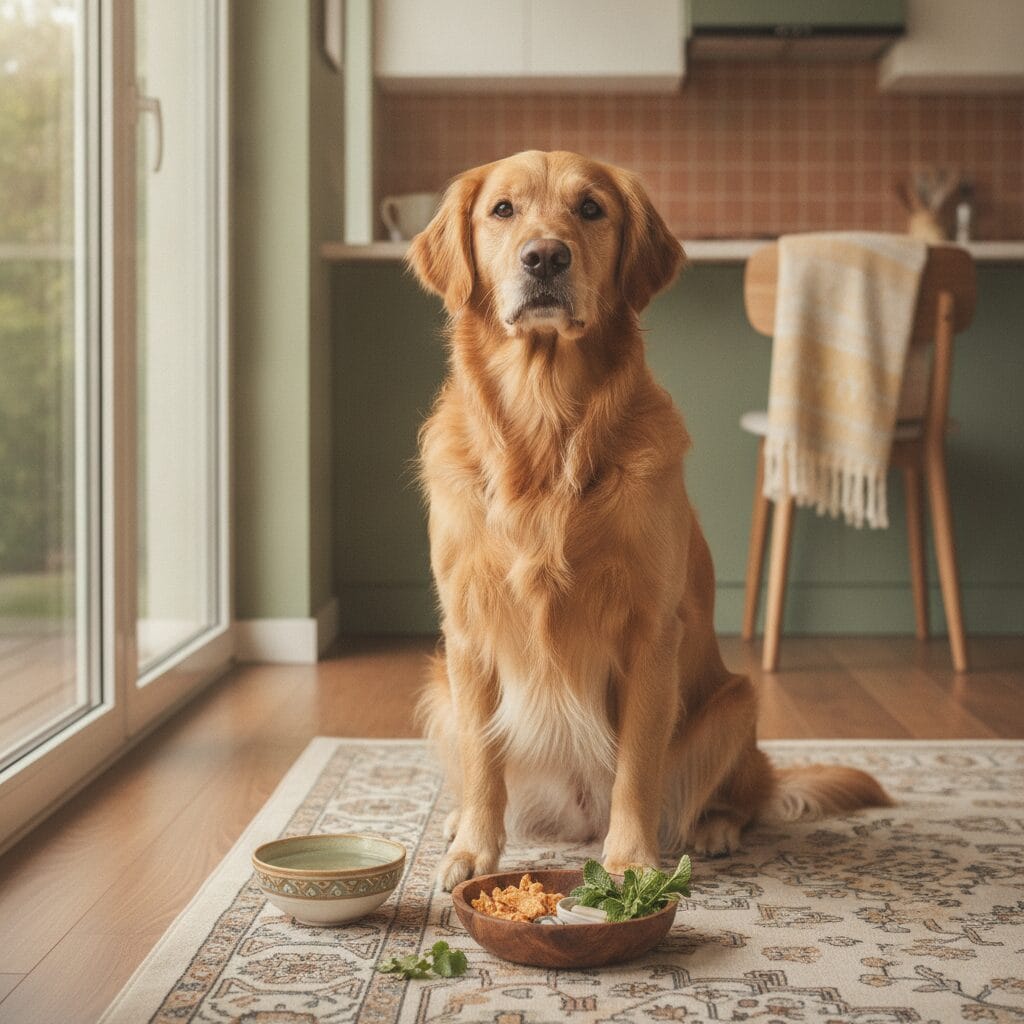
Your dog’s coat is a mirror of their internal health. Dull, dry, flaky, or constant scratching? It’s not just cosmetic. It’s often a sign of underlying inflammation. And here in India, I see this constantly. From the humid chaos of Mumbai to the drier air of Delhi, it’s a common problem.
GLA for Dog Coat Health India: The Quick Answer
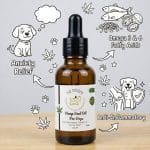
GLA for dog coat health India is what you need. Gamma-Linolenic Acid, or GLA, is a rare Omega-6 fatty acid. It fights inflammation. It directly supports a healthy skin barrier. It cuts down itching. Unlike the common Omega-6s in commercial chicken, the kind that just push inflammation, GLA works like medicine. It turns dull coats into shiny, itch-free wonders. Especially when it comes from Hemp Seed Oil.
What is GLA and Why is it Crucial for Your Dog’s Skin Barrier?
We talk about healthy fats. Omega-3s and Omega-6s. Omega-3s, from fish oil like DHA and EPA, are known for fighting inflammation. But Omega-6s? That’s a more complex story. Most Omega-6s, like Linoleic Acid (LA) in vegetable oils and corn-fed chicken, can actually *cause* inflammation. Especially when there’s too much, or not enough balance.
GLA is different. It’s a special Omega-6. It bypasses the usual inflammatory routes. Instead, GLA converts to Prostaglandin E1 (PGE1). This is a potent anti-inflammatory compound. Many dogs, especially those with atopic dermatitis, allergies, or just plain itching, struggle to convert standard Omega-6s into this beneficial GLA. Giving them GLA directly is like giving their system the exact medicine it needs. It calms inflammation. It strengthens their skin’s defences.
The “Heat” Myth: It’s Inflammation, Not Thermal Heat
In many Indian homes, you’ll hear that certain foods, like chicken or eggs, cause “heat” in dogs. Leading to rashes, itching, hair loss. This idea has roots in ancient medicine. But for dogs, the real biological driver is often a fatty acid imbalance. Too much inflammatory Omega-6.
Commercial chicken, a staple for many Indian dogs, is typically fed corn and soy. This creates a wildly skewed Omega-6:3 ratio. We’re talking 20:1 or worse. The healthy target? Around 7:1. This flood of inflammatory Omega-6s triggers systemic inflammation. What owners see as “heat”, paw licking, hot spots, chronic ear infections, a dull, flaky coat, these are direct results of this internal inflammation. Adding GLA doesn’t change the ‘temperature’ of the food. It rebalances the body’s inflammatory markers. And that calms the visible symptoms.
How GLA Transforms Your Dog’s Skin and Coat
The impact of enough GLA on your dog’s skin and coat is profound. And visible:
- Reduces Inflammation: Converts to anti-inflammatory PGE1. Tackles itching, redness, and irritation at its source.
- Strengthens Skin Barrier: Fortifies the skin’s natural lipid barrier. Prevents moisture loss. Protects against allergens and irritants. Less dryness. Less flakiness.
- Alleviates Itching and Scratching: For dogs who constantly itch, GLA offers real relief. It breaks the maddening itch-scratch cycle. Prevents secondary infections.
- Promotes a Lustrous, Soft Coat: A healthy skin barrier and less inflammation mean a shiny, soft coat. Less shedding. Feels good to touch.
- Targets Specific Conditions: GLA is particularly effective for hot spots. For hyperkeratosis, those crusty noses and paw pads. And for general dry, cracking paws.
Want to go deeper into skin and coat care? Read my guide on Best Natural Skin and Coat Supplements for Dogs in India.
Why Hemp Seed Oil is the Best Source of GLA for Dogs in India
Other oils have GLA. But Hemp Seed Oil is the superior choice for Indian pet parents. It’s not just the GLA. It’s the balanced profile. The practical advantages.
| Oil Type | Key Fatty Acids | Primary Benefit for Skin | GLA Content | Suitable for Dogs? |
|---|---|---|---|---|
| Hemp Seed Oil | Omega 3, 6 (GLA), 9 | Anti-inflammatory, skin barrier support | High | Yes, excellent |
| Coconut Oil | Lauric Acid (MCT) | Antimicrobial, superficial moisturiser | None | Yes, but not a GLA source |
| Olive Oil | Oleic Acid (Omega 9) | Antioxidant, superficial moisturiser | None | Yes, but limited benefits |
| Sunflower Oil | Omega 6 (Linoleic Acid) | Pro-inflammatory (unbalanced) | Low | No, exacerbates imbalance |
Hemp Seed Oil has an ideal Omega-6 to Omega-3 ratio. Around 3:1. It’s incredibly balanced. You’re not just adding GLA. You’re contributing to a healthier overall fat balance. It’s plant-based. Perfect for vegetarian households in India who prefer to avoid fish oils. Plus, no strong odour. Easy to add to meals.
Beyond skin and coat, Hemp Seed Oil also offers mild calming effects. Good for stressed or anxious dogs. Especially during noisy Indian festivals like Diwali.
Dosage and How to Introduce Hemp Seed Oil
Adding Hemp Seed Oil to your dog’s diet is simple. Always start low. Gradually increase over a week or two. Let their system adjust.
- Small Dogs (up to 10 kg): 0.5 ml daily
- Medium Dogs (11-25 kg): 1 ml daily
- Large Dogs (26-45 kg): 1.5 – 2 ml daily
- Giant Breeds (45+ kg): 2.5 – 3 ml daily
Mix Hemp Seed Oil right into their food. Consistency is key. Expect visible improvements in skin and coat health within 4-6 weeks. For best results, ensure their diet is otherwise balanced. Plenty of protein. Essential nutrients.
“I remember a young Golden Retriever in Bandra. His parents were desperate about his constant paw licking and chronic ear infections. They fed him typical home-cooked chicken and rice. We started him on 1.5ml of Hemp Seed Oil daily. Within 4 weeks, the paw licking dropped significantly. After 8 weeks, his ears were visibly cleaner. Less inflamed. This wasn’t about changing proteins. It was about balancing fats to calm his inflammatory response. It shows how impactful a simple, targeted supplement can be.” – Mahiv Amit Chhabra, Certified Canine Nutritionist
Practical Steps to Boost Your Dog’s Coat Health
A truly radiant coat and healthy skin? It takes a holistic approach:
- Review Dietary Fats: Cut back on processed foods. Minimize corn/soy-fed commercial chicken. These are loaded with inflammatory Omega-6.
- Introduce GLA: Add Hemp Seed Oil daily. It’s your main weapon against inflammation.
- Balance with Omega-3: Alongside GLA, get a good Omega-3 source. Dehydrated Anchovies are excellent. Low on the food chain. Provide DHA for brain health. Overall anti-inflammatory support.
- Gentle Grooming: Avoid harsh chemical shampoos. For skin issues, use soothing topical treatments. Our Baobab Therapy Mask can help detoxify and calm inflamed skin. Works from the outside in.
- Hydration: Always fresh water available. Dogs on fresh food diets drink less because their food is 70% water. But still, make it accessible.
Common Mistakes Indian Pet Parents Make with Coat Health
In my consultations with countless Indian pet parents, I see a few common pitfalls:
- Misunderstanding the “Heat” Myth: Believing chicken itself is the problem. Not the unbalanced Omega-6 in commercially raised chicken. This leads to restricting valuable protein unnecessarily.
- Over-reliance on Topical Solutions: Thinking a dull coat or itching can be fixed only with external sprays, creams, or shampoos. Ignoring the internal dietary imbalance.
- Unbalanced Home Diets: Feeding just boiled chicken and rice. Or roti. Without understanding the critical need for balanced fats (Omega-6:3) and minerals (Calcium:Phosphorus). Learn more about roti for dogs and its nutritional impact.
- Ignoring Chronic Symptoms: Dismissing constant paw licking, ear infections, or dandruff as ‘normal’. They are signals of underlying inflammation or allergies. Read more about why your dog is always itching.
- Incorrect Use of Coconut Oil: Coconut oil has benefits. Read my guide on Coconut Oil for Dogs in India. But it lacks GLA and Omega-3. It can’t fix systemic inflammation alone. It’s a great antimicrobial. Not a complete coat health solution.