The arrival of monsoon in India brings a welcome respite from the scorching summer heat. But it also ushers in a season of unique challenges for our furry friends, especially when it comes to ear health. The increased humidity, dampness, and warmth create a perfect breeding ground for bacteria and yeast. This makes ear infections a common ailment. As a canine nutritionist, I constantly see pets suffering from recurring ear issues. They often stem from environmental factors and dietary imbalances.
Quick Answer: Cleaning Dog Ears at Home in India
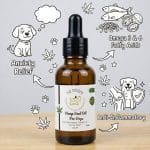
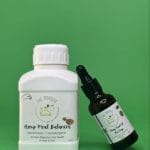
To safely clean dog ears at home in India, gently wipe the visible outer ear flap and entrance of the ear canal with a vet-approved, alcohol-free ear cleaner on a cotton ball. Never insert anything deep into the canal. Focus on removing dirt and waxy build-up, especially during humid monsoons. For prevention and to reduce inflammatory responses that lead to ear issues, incorporate Hemp Seed Oil for Dogs into their daily diet. It bolsters their skin barrier and immune health.
Why Indian Monsoons Are a Nightmare for Dog Ears
Our Indian climate, particularly the long and intense monsoon season, presents a unique set of challenges for dog ear health. Unlike drier regions, the persistent humidity in cities like Mumbai, Chennai, or Kolkata means moisture gets trapped easily within the ear canal. It creates an ideal environment for pathogens.
- Humidity and Moisture Trap: The natural folds and hair within a dog’s ear canal, especially in breeds with floppy ears like Labradors, Beagles, or Cocker Spaniels, become moisture traps. This dampness encourages the overgrowth of yeast (Malassezia) and bacteria. It leads to smelly, itchy, and painful infections.
- Fungal Overgrowth: Yeast infections are incredibly common in humid conditions. They manifest as a dark, waxy discharge with a distinct pungent smell. This is often accompanied by redness and intense itching.
- Bacterial Infections: Bacteria thrive in warm, moist environments. These can lead to more severe pus-filled infections. They require veterinary attention.
- Allergies and Inflammation: Many dogs in India suffer from environmental allergies (dust mites, pollen) or food sensitivities. These manifest as skin inflammation, including in the ears. The monsoon simply exacerbates this underlying inflammation. What many Indian pet parents refer to as ‘heat’ from chicken or other foods is often an inflammatory response, not thermal heat. It’s driven by dietary imbalances like an excess of Omega-6 fats. This systemic inflammation often shows up as ear issues.
Anatomy of a Healthy Ear: What to Look For
Understanding what a healthy dog ear looks like is the first step in identifying potential problems early. A dog’s ear canal is L-shaped. This makes it difficult for foreign objects to reach the eardrum but also challenging for moisture and debris to escape.
Signs of a Healthy Ear:
- Clean and Pale Pink: The skin inside the ear flap should be a healthy pale pink colour. It should be free from redness or swelling.
- Minimal Wax: A small amount of light brown or yellowish wax is normal. It should not be excessive, dark, or foul-smelling.
- No Odour: A healthy ear has little to no discernible smell.
- No Discomfort: Your dog should not be scratching, shaking their head excessively, or showing pain when their ears are touched.
Signs of an Infected or Irritated Ear:
Recognising these symptoms early can prevent minor irritation from escalating into a painful infection. If you observe any of these signs, it’s time for a closer look and potentially a vet visit.
| Healthy Ear Signs | Infected/Irritated Ear Signs |
|---|---|
| Pale pink skin inside | Redness, swelling, inflammation |
| Minimal, light-coloured wax | Excessive dark brown/black wax, pus, discharge |
| No odour | Foul, yeasty, or pungent smell |
| No scratching or head shaking | Frequent scratching, head tilting/shaking, rubbing ears |
| Calm demeanour when touched | Pain or sensitivity when ears are handled |
| Clean, dry ear canal | Dampness, crusting, hair loss around ear |
Step-by-Step Guide: How to Clean Dog Ears at Home in India
Regular ear cleaning, especially for breeds prone to ear issues or during monsoon, is crucial for prevention. Here’s how to do it safely:
1. Gather Your Supplies:
- Ear Cleaner: Use a vet-approved, alcohol-free ear cleaning solution. Avoid harsh chemicals, hydrogen peroxide, or vinegar, which can irritate sensitive ear skin.
- Cotton Balls or Gauze Pads: Never use cotton swabs (Q-tips) as they can push debris deeper and damage the eardrum.
- Treats: Essential for positive reinforcement and making the experience pleasant.
- Towel: To wipe away excess solution and any mess.
2. Create a Calm Environment:
Choose a quiet time when your dog is relaxed. You might need assistance to hold your dog gently, especially if they are new to ear cleaning.
3. Inspect the Ear:
Gently lift your dog’s ear flap and examine the visible parts of the ear canal. Look for any redness, swelling, discharge, or foul odour. If you see signs of a severe infection (pus, extreme pain, ruptured eardrum), consult your vet immediately before attempting to clean.
4. Apply the Cleaner:
Hold the ear flap upright. Carefully squirt the ear cleaner directly into the ear canal until it’s full. Don’t worry, the L-shape of the canal prevents it from reaching the eardrum.
5. Massage the Base of the Ear:
Gently massage the base of your dog’s ear for 20-30 seconds. You should hear a squishing sound, which means the cleaner is working to break down wax and debris. This is often the part dogs enjoy the least, so be patient and offer praise.
6. Let Your Dog Shake Their Head:
Step back and allow your dog to shake their head. This helps dislodge any loosened debris and excess solution. Be prepared for a spray of liquid and wax!
7. Wipe the Ear Flap:
Using a fresh cotton ball or gauze pad, gently wipe the visible parts of the ear flap and the entrance of the ear canal. Remove any wax, dirt, or cleaner that has come to the surface. Do not insert the cotton ball deep into the canal.
8. Reward Your Dog:
Lavishly praise and reward your dog with Pumpkin PB Biscuits or a dollop of natural peanut butter. Make it a positive experience so they associate ear cleaning with good things.
How Often Should You Clean Dog Ears in India?
The frequency depends on your dog’s breed, activity level, and susceptibility to infections. For most dogs, cleaning every 2-4 weeks is sufficient. However, for breeds with floppy ears, dogs who swim regularly, or during the peak monsoon season in humid cities, weekly cleaning might be beneficial. Always observe your dog’s ears and adjust as needed.
Beyond Cleaning: Preventing Ear Infections Naturally
While topical cleaning is essential, true ear health starts from within. Many chronic ear issues are symptoms of underlying systemic inflammation or weakened immunity. Addressing these root causes through diet and supplementation is the most effective long-term strategy.
- Balanced Diet: A species-appropriate, fresh food diet rich in animal protein and balanced fats, like the Golden Chicken Bowl recipe, supports overall immune health. Avoid high-carb diets (excessive rice, roti, kibble) which can raise stomach pH and contribute to inflammation.
- Omega-3 Balance: Commercial Indian chicken is often high in Omega-6 fats, which are pro-inflammatory. Balancing this with Omega-3s is vital. Dehydrated Anchovies or Dehydrated Sardines are excellent sources.
- Gut Health: A healthy gut equals a healthy immune system. Incorporate prebiotics (like a pinch of Baobab powder) and probiotics (like a spoonful of curd) to support a strong gut microbiome.
Why Hemp Seed Oil for Dogs is Your Monsoon Ally
When it comes to preventing inflammation and bolstering skin health, Hemp Seed Oil for Dogs is an indispensable tool, especially during India’s challenging monsoons. This natural oil is a powerhouse of Gamma-Linolenic Acid (GLA), a rare Omega-6 fatty acid that acts as a potent anti-inflammatory agent. Unlike common Omega-6s found in commercial chicken, GLA converts into Prostaglandin E1, which actively reduces inflammation throughout the body, including the ears.
GLA is particularly beneficial for dogs with Atopic Dermatitis or chronic skin and ear issues, as it bypasses an enzymatic step that many allergic dogs lack, making it a direct therapeutic agent. By strengthening the skin barrier from within, Hemp Seed Oil for Dogs helps prevent moisture penetration and pathogen entry. It reduces the likelihood of monsoon-related ear infections and hot spots.
In my experience, many of my clients in Bangalore with recurring ear infections, especially those with long-eared breeds, saw significant improvement within 6-8 weeks of incorporating Hemp Seed Oil for Dogs into their diet. I had a particularly stubborn case with a Basset Hound whose ears were constantly red and smelly. After a full vet check-up ruled out mites, we started him on 1ml per 10kg body weight daily. Combined with regular, gentle cleaning, the redness subsided, and the yeasty smell disappeared. It’s not just a topical fix; it’s healing from the inside out.
Start with a small dose, typically 0.5ml per 10kg body weight, and gradually increase to 1ml per 10kg. Consistency is key to seeing results.
Common Mistakes Indian Pet Parents Make with Dog Ears
Even with the best intentions, some common practices can actually worsen ear problems:
- Over-cleaning or Using Harsh Solutions: Excessive cleaning can strip the ear of its natural protective oils, leading to dryness and irritation. Using alcohol-based cleaners or home remedies like undiluted apple cider vinegar can cause pain and inflammation.
- Ignoring Dietary Factors: Many Indian pet parents focus solely on topical treatments while overlooking the crucial role of diet. A diet high in inflammatory Omega-6 fats (common in commercial chicken) or excessive carbohydrates can fuel systemic inflammation, making ear infections chronic.
- Not Drying Ears After Baths/Swims: While common sense, it’s often forgotten. Always thoroughly dry your dog’s ears, especially inside the ear flap, after baths or monsoon walks.
- Using Cotton Swabs (Q-tips) Deep Inside: This is a major no-no. Cotton swabs push debris deeper into the L-shaped canal, potentially causing impactions or even rupturing the eardrum.
- Self-diagnosing and Delaying Vet Visits: While home care is great for prevention and mild issues, severe infections require veterinary diagnosis and prescription medication. Delaying this can lead to chronic pain and hearing loss.
For more insights into managing persistent ear issues, you can read my guide on Dog Ear Infection India: Natural Remedies.
FAQ: Your Dog Ear Health Questions Answered
Related Reading
- Shop the anchor product: Hemp Seed Oil in the catalog.
- Read more: Indian dog feeding guide.
- About the author: Mahiv Chhabra, certified canine nutritionist.