In Indian kitchens, palak (spinach) is a staple, gracing everything from dal to paneer. It’s natural, then, for desi pet parents to wonder: is palak for dogs in an Indian diet safe feeding? The answer is yes, but with important caveats. My philosophy, rooted in canine biology and the realities of Indian households, always focuses on balance and safety.
Quick Answer: Is Palak for Dogs in an Indian Diet Safe?
Yes, palak (spinach) can be a safe and nutritious addition to your dog’s Indian diet when fed in moderation and prepared correctly. The main concern with palak is its oxalate content, which can interfere with calcium absorption and potentially contribute to kidney stone formation in susceptible dogs. However, blanching or steaming palak significantly reduces oxalate levels, making it safer for occasional feeding. Always introduce new foods slowly and observe your dog for any adverse reactions.
The Oxalate Question: What Indian Pet Parents Need to Know
When discussing palak, the conversation inevitably turns to oxalates. Oxalic acid is a natural compound found in many plants, including spinach, and it binds with minerals like calcium to form calcium oxalates. In high concentrations, these oxalates can prevent the body from absorbing essential calcium and, over time, may contribute to the formation of kidney or bladder stones, especially in breeds predisposed to such issues or dogs with existing kidney problems.
However, it’s crucial to understand that the dose makes the poison. Small, infrequent amounts of properly prepared palak are unlikely to cause issues in a healthy dog. The key is moderation and preparation. Just as we wouldn’t feed our dogs entire bowls of raw spinach, a few blanched leaves mixed into a balanced meal are generally fine.
Why Preparation Matters: Reducing Oxalates
Indian cooking often involves blanching or cooking greens, and this practice is particularly beneficial for dogs. Boiling or steaming palak helps to leach out a significant portion of the soluble oxalates into the cooking water. This is why I always recommend against feeding raw spinach to dogs in anything more than a tiny, occasional amount. Always discard the cooking water.
Benefits of Palak for Dogs (in Moderation)
Despite the oxalate concern, palak does offer some nutritional benefits when fed correctly:
- Vitamins and Minerals: Spinach is rich in Vitamin K (important for blood clotting and bone health), Vitamin A (for vision and immune function), Vitamin C (an antioxidant), and folate.
- Antioxidants: It contains various antioxidants that can help combat oxidative stress and support overall cellular health.
- Fibre: The dietary fibre in spinach can aid digestion and promote healthy bowel movements, contributing to smaller, firmer stools.
- Low Calorie: For dogs needing to manage their weight, spinach offers nutrients without adding many calories.
Remember, these benefits are best realised when palak is part of a species-appropriate, meat-based diet, not as a primary food source. Dogs are carnivores, and their bodies are designed to thrive on meat, not greens.
The Right Way to Prepare and Feed Palak to Your Dog
Feeding palak safely to your dog in India requires a few simple steps:
- Choose Fresh Palak: Always select fresh, vibrant palak from your local market. Wash it thoroughly under running water to remove any dirt, pesticides, or insects.
- Blanch or Steam: This is the most critical step. Bring a pot of water to a rolling boil. Add the washed palak and let it cook for 1-2 minutes until it wilts. Alternatively, steam it until tender.
- Drain and Cool: Immediately drain the palak and run it under cold water to stop the cooking process. This also helps cool it down quickly.
- Squeeze Out Excess Water: Gently squeeze out as much water as possible. This further reduces soluble oxalates.
- Chop Finely: Dogs don’t chew their food like humans. Finely chop or purée the cooked palak to aid digestion and prevent choking, especially for smaller breeds or gulpers.
- Mix with Meat: Never feed palak as a standalone meal. Mix a small amount into your dog’s regular cooked meat meal. This is where a truly balanced homemade diet shines.
From Mahiv’s Practice: The Desi Carnivore’s Approach to Greens
I once had a client in Bengaluru, a lovely Indie named Buddy, whose parents were trying to make his homemade vegetarian diet ‘healthier’ with large portions of raw spinach. Buddy developed digestive upset and dull coat. We transitioned him to a properly balanced cooked meat diet, incorporating tiny amounts of blanched greens like palak or pumpkin, and within a month, his gut settled, and his coat regained its shine. It reinforced my belief: greens are supplements, not staples, for our carnivore companions, and preparation is everything.
How Much Palak Can Your Dog Eat?
Moderation is key. The exact amount depends on your dog’s size, health, and individual sensitivity. Here’s a general guideline for healthy adult dogs:
| Dog Weight (Approx.) | Maximum Daily Palak (Cooked & Chopped) |
|---|---|
| Small (Up to 10 kg) | 1/2 to 1 teaspoon |
| Medium (11-25 kg) | 1 to 2 teaspoons |
| Large (26-45 kg) | 1 to 1.5 tablespoons |
| Giant (Over 45 kg) | Up to 2 tablespoons |
These are maximum guidelines for occasional feeding, perhaps 2-3 times a week, not daily. If your dog has a history of kidney issues or is on a restricted diet, always consult with your vet before introducing new foods. For a truly balanced meal, focusing on the right protein, calcium, and Omega balance is far more critical than adding a spoonful of greens. This is where products like Bone and Organ Boost become invaluable for ensuring nutrient density.
Why Balanced Meals Matter Beyond Just Palak
Adding a vegetable like palak is only one small piece of the puzzle for a truly healthy diet. As a certified canine nutritionist, I constantly see Indian pet parents making common mistakes that lead to long-term health issues.
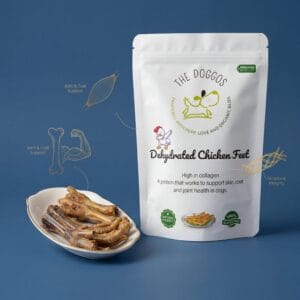
- The Calcium:Phosphorus Imbalance: Many homemade diets consist purely of cooked boneless chicken and rice. This creates a severe phosphorus excess and calcium deficiency, leading to conditions like Osteopenia. Dogs need a Ca:P ratio of 1.2:1. Meat provides phosphorus, but where does the calcium come from? Dehydrated bones like Chicken Feet or Whole Quail are excellent sources.
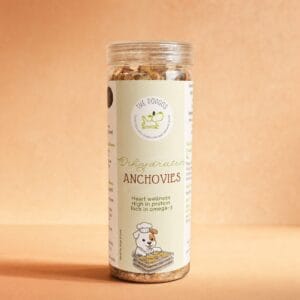
- Omega-6:3 Imbalance: Commercial Indian chicken is often high in Omega-6s due to corn and soy feed. This inflammatory imbalance causes skin issues, paw licking, and chronic ear infections. Adding Omega-3s from sources like Hemp Seed Oil or Dehydrated Anchovies is not a ‘topper’ but a ‘balancer’.
- Nutrient Gaps: Even with meat, dogs need a wide spectrum of vitamins, minerals, and amino acids. A simple chicken and rice meal, even with a dash of palak, can be deficient in crucial nutrients like taurine, especially for larger breeds. This is why I advocate for nutrient-dense additions.
Understanding what should I feed my dog goes far beyond just adding a vegetable. It’s about building a foundational diet that mirrors their biological needs.
Completing Your Dog’s Indian Diet: The Power of Bone and Organ Boost
While carefully prepared palak can offer minor benefits, the real big change for homemade Indian dog diets lies in ensuring fundamental nutritional completeness. Many home-cooked meals, even with good quality muscle meat, fall short on critical micronutrients, calcium, and organ meat benefits.
This is where our Dehydrated Bone and Organ Boost steps in. It’s not just a supplement; it’s a foundational balancer for your desi carnivore’s bowl. Formulated with a blend of dehydrated bone meal, nutrient-rich liver, and other vital organs, it naturally delivers the essential calcium-to-phosphorus ratio (1.2:1) that boneless meals lack. it’s a powerhouse of iron, B vitamins, and crucial taurine, an amino acid vital for heart health, especially in larger breeds and cats. Adding a scoop to your dog’s daily meal helps fill those common nutrient gaps, transforming a simple survival meal into one where your dog truly thrives. It’s the simplest way to ensure your dog is getting a truly balanced diet, even if you’re just adding a bit of palak occasionally.
Common Mistakes Indian Dog Parents Make with Greens
- Feeding Raw Palak in Large Amounts: As discussed, this maximises oxalate intake. Always cook it.
- Considering Greens a Primary Food: Dogs are carnivores. Their digestive systems are short and acidic, designed for meat, not fermenting large quantities of plant matter.
- Not Chopping Finely: Large pieces of spinach can be a choking hazard or pass through undigested, offering no nutritional value.
- Over-relying on Greens for Nutrients: While beneficial, palak cannot replace the essential nutrients found in organ meats, bones, and quality muscle meat.
- Ignoring Individual Sensitivities: Some dogs might be sensitive to palak, showing signs like gas, diarrhoea, or vomiting. Stop feeding if you notice such symptoms.
Ensuring a Nutrient-Dense, Balanced Diet for Your Desi Carnivore
While palak can be a healthy, occasional addition, it’s vital to focus on the bigger picture: a balanced, meat-rich diet. This means providing high-quality protein, the correct calcium-to-phosphorus ratio, and essential organ meats.
For busy Indian pet parents striving for a complete homemade meal without the hassle of sourcing multiple ingredients, I recommend integrating a complete supplement. Our Dehydrated Bone and Organ Boost is formulated with a mix of dehydrated bone meal, liver, and other vital organs. It’s a powerhouse of natural calcium, phosphorus, iron, and taurine, ensuring your dog gets the crucial nutrients often missing from plain meat and vegetable bowls, including the essential taurine that carnivores, especially cats, need in every meal.
It’s an easy way to ensure your dog’s diet is truly complete, supporting everything from strong bones to a robust immune system. You can learn more about my philosophy and journey as a canine nutritionist on my About Mahiv Chhabra page.